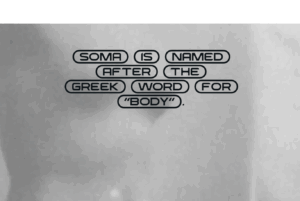
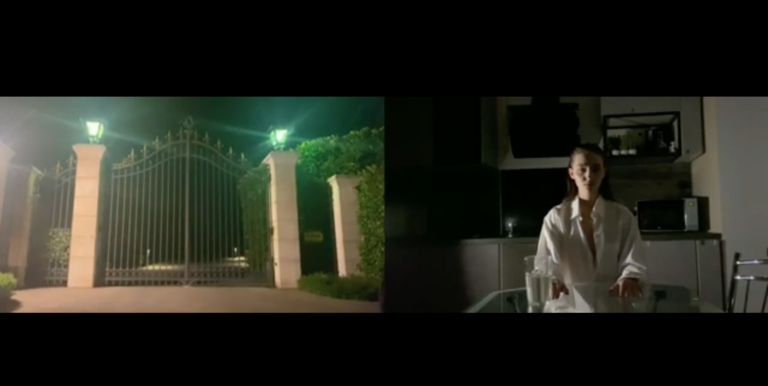
Collaborative experimental video project, where everyone participated without knowing what the footage looks like, offering a strange synchronization between images, sounds and subtitles to the viewer. A dreamy but arbitrary narration.
The “uncontrolled” experimentation on the final video was the main source of the project.
« What is my next move? » 4’55’’
Creative and Film Director // Clément Grimm Actress // Antonina Oskolova Text // Peilian Li Camera // Clément Grimm, Roman Fomin Sound Producer // Fanny Dunning
Ce court métrage tourné par des étudiants de l’ECAL / Ecole Cantonale d’Art Lausanne montre à la fois deux choses grâce a un jeu franc et un parti pri esthétique coupé et tendu qui impose une dualité visuelle. Une recherche et des réponses.
A gauche, l’occupant observe, regarde et immortalise en continu, sans cesse et nous donne le tempo.
Côté droit, tout est ouvert. Peut-être la réponse est-elle mathémathique, métaphysique, peu importe. On essaie de répondre à des questions qu l’on n’ose pas poser, nous les spectateurs.
Savamment executé et d’excellente qualité, ce court métrage de Clément Grimm fait sensation au premier regard et nous rassure calmement avec cette pointe de luxe et de volupté indélébile au jeune metteur en scène.
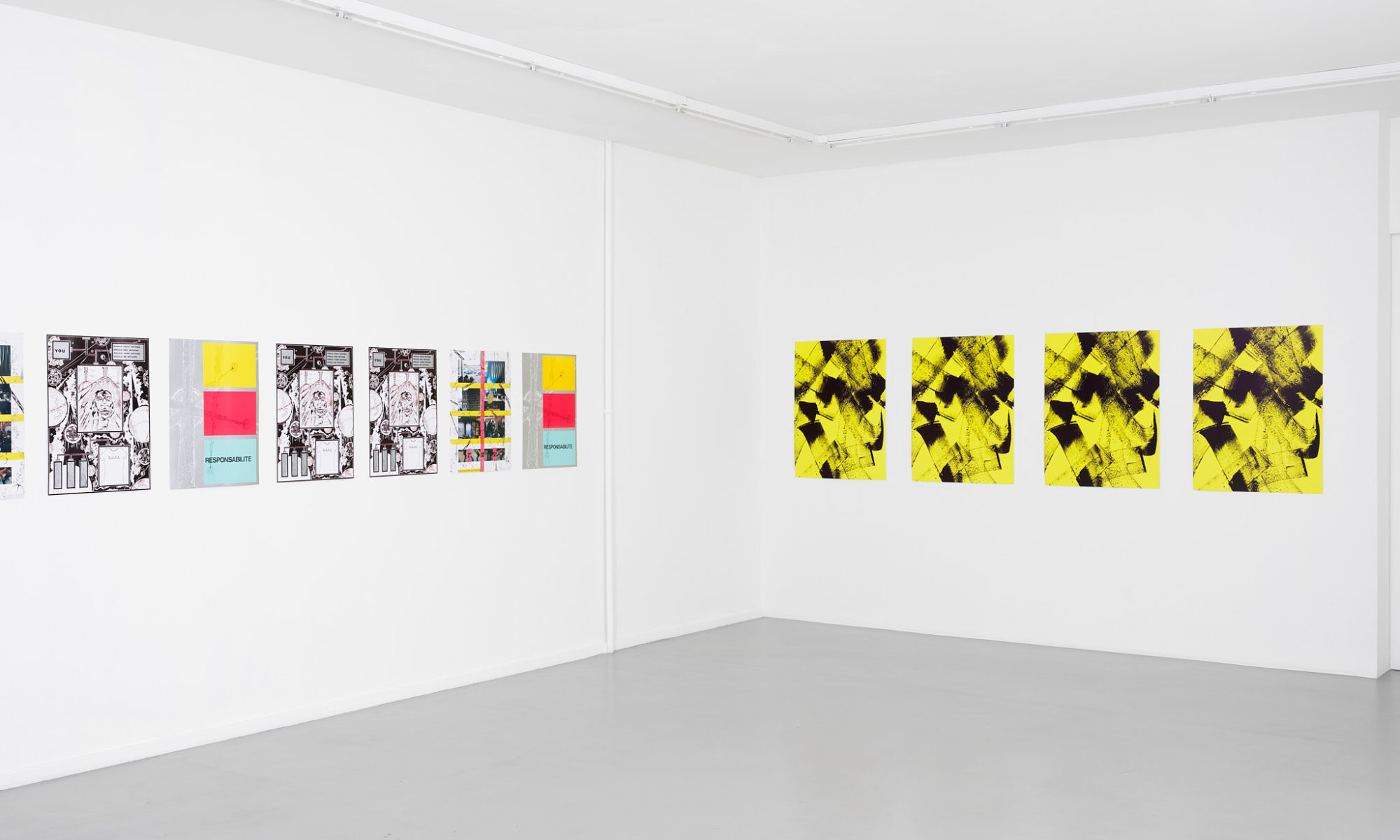
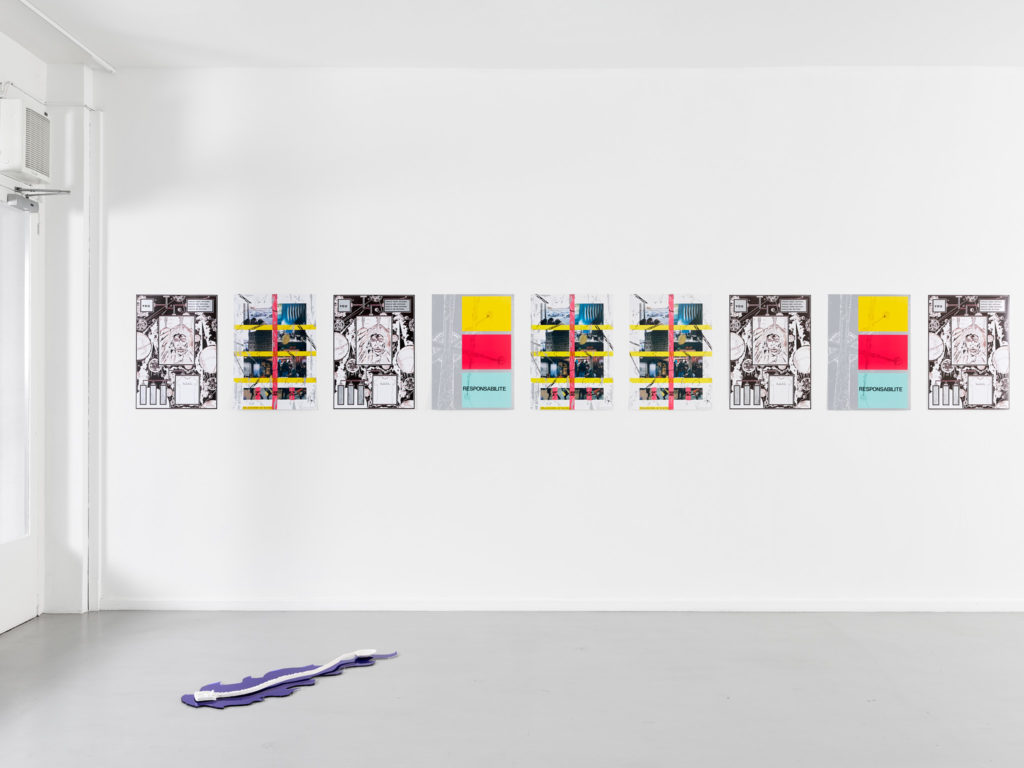
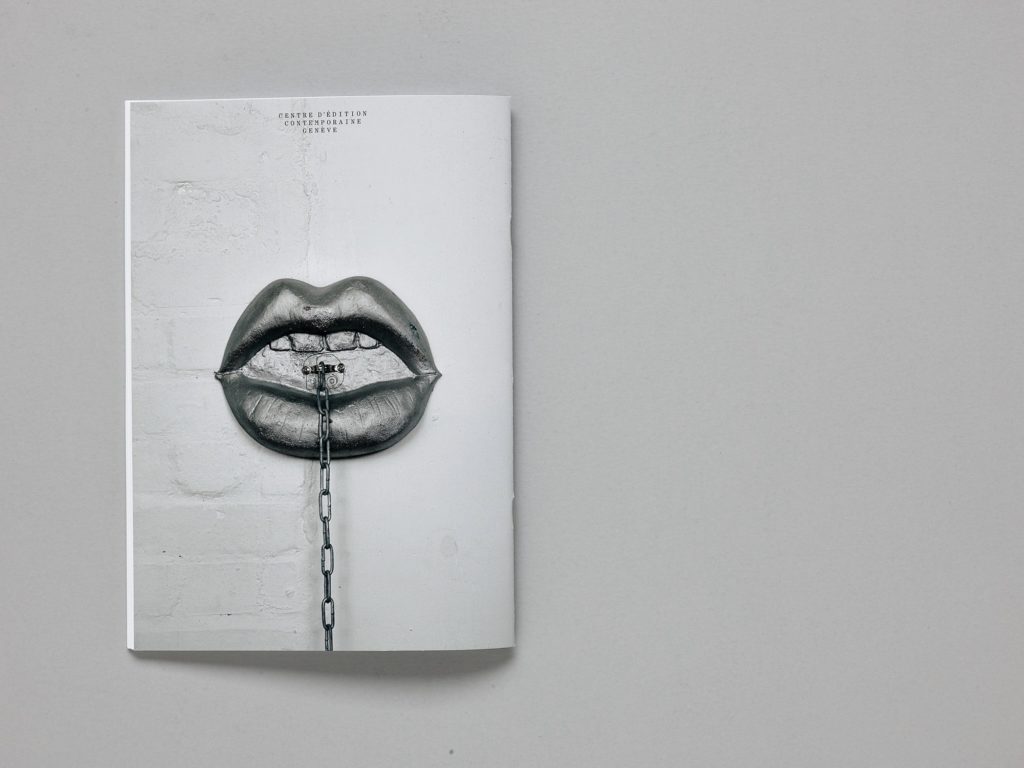
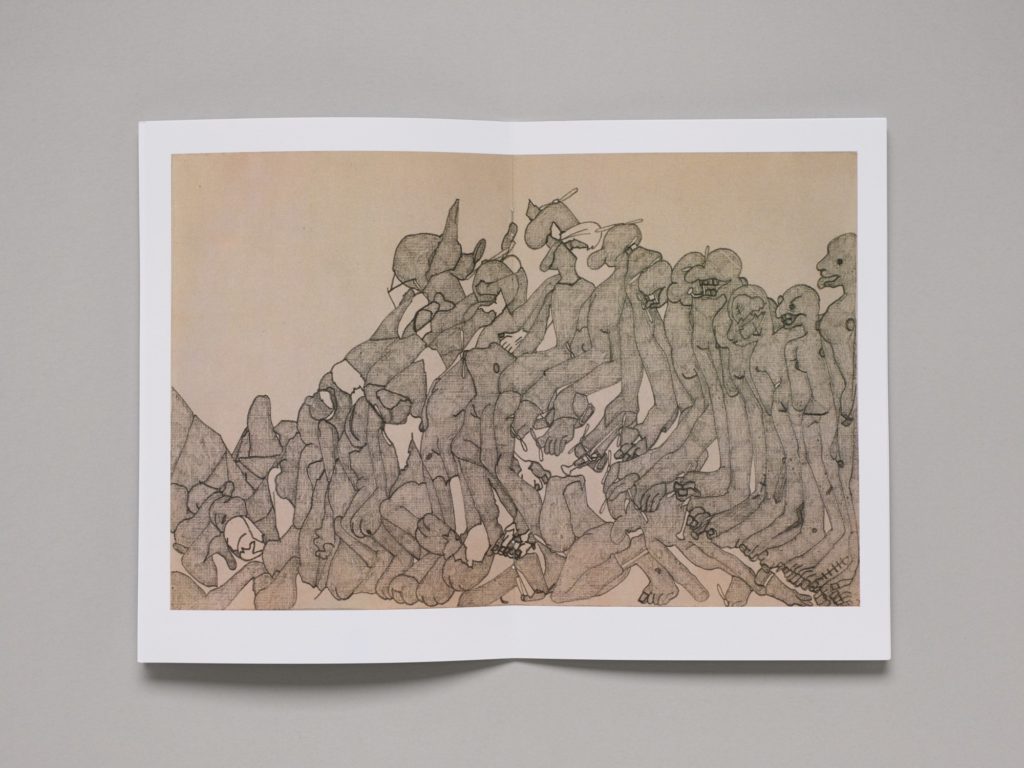
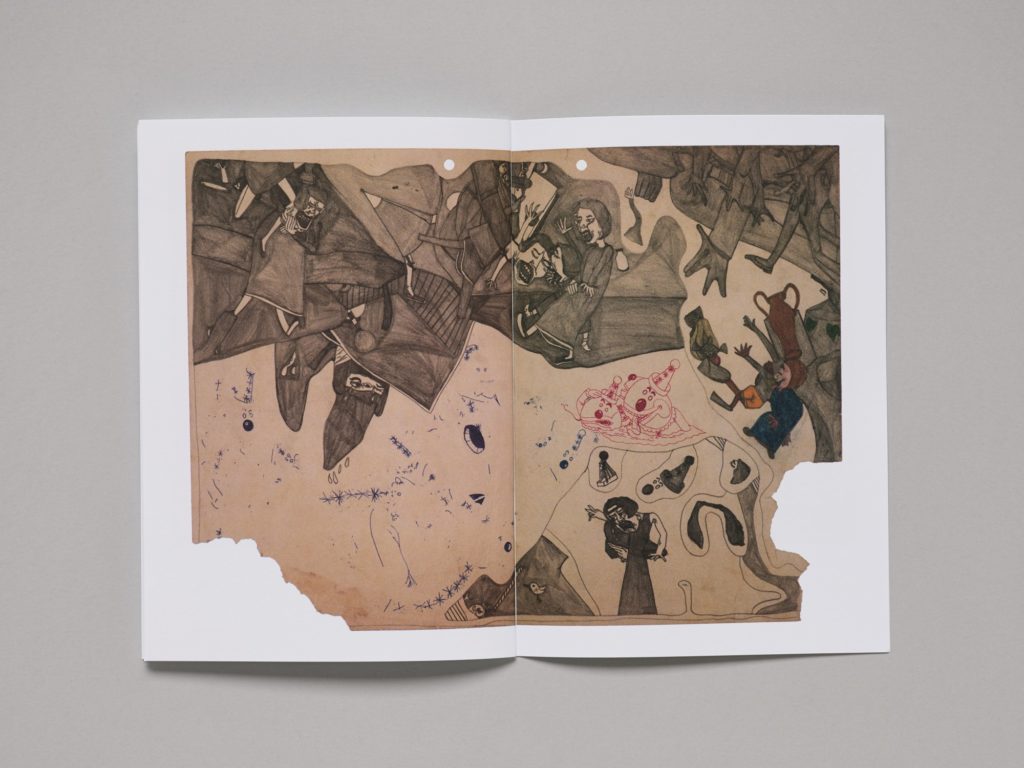
Bridge the gap est une exposition collective réunissant une sélection d’éditions récentes de Harry Burke, Timothée Calame, Liz Craft, Keren Cytter, Guillaume Dénervaud, Anne Dressen/Nick Mauss, David Hominal, Dorothy Iannone, Matthew Lutz-Kinoy, Fabian Marti, Paul Paillet and Susan Te Kahurangi King.
Liste exhaustive des œuvres exposées
TIMOTHÉE CALAME
Responsabilité (Pouvoir, Parole), avec Léo Bachiri Wadimoff Poster, offset, couleur, papier Profimat 200 g/m2, 50 x 70 cm, tirés à 50 exemplaires, 3 e.a et 2 H.C. numérotés, datés et signés Timothée Calame et Léo Bachiri Wadimoff (LBW). Édition du Centre d’édition contemporaine, Genève, 2019.
Neologisms at Macdo avec Maximage Poster, offset, couleur, papier Profimat 200 g/m2, 50 × 70 cm, tirés à 50 exemplaires, 3 e.a et 2 H.C. numérotés, datés et signés Timothée Calame et Maximage (MX). Édition du Centre d’édition contemporaine, Genève, 2019
En cas de vol avec Alan Schmalz Poster, offset, couleur, papier Profimat 200 g/m2, 50 × 70 cm, tirés à 50 exemplaires, 2 e.a et 2 H.C. numérotés, datés et signés Timothée Calame et Alan Schmalz (AS). Édition du Centre d’édition contemporaine, Genève, 2019.
GUILLAUME DÉNERVAUD
Les corps interfaces (altèrent la structure), impression offset (vert) et typographique (noir) et (Les corps interfaces) altèrent la structure, impression offset (violet) et typographique (noir), diptyque, 41,5 x 30 cm, 200 exemplaires, datés et signés. Éditions du Centre d’édition contemporaine, 2020.
DAVID HOMINAL
Détail
Sérigraphie, deux couleurs, 99,6 × 75,6 cm, tirée à 120 exemplaires, 13 e.a. et 2 H.C., numérotée, datée et signée. Imprimée à Genève. Edition du Centre d’édition contemporaine, 2015.
MATTHEW LUTZ-KINOY
Scrolls in the Wind
Collection of textes et de poèmes de Harry Burke, Cyrus Grace Dunham, Sharon Hayes, James English Leary, Sophy Naess, Amy Sillman et Emily Sundblad. Edités par Matthew Lutz-Kinoy.
Édition composée de 12 lithographies, couleurs, sur papier BFK Rives 250 g/m2, 42 × 29,7 cm, glissées dans une fourre en papier BFK Rives 300 g/m2, l’ensemble réuni dans une boîte recouverte de papier Wibalin Natural Burnt Orange 115 g/m2. Édition tirée à 15 exemplaires, 3 e.a. et 2 H.C., chaque lithographie est numérotée de 1 à 12 et signée, l’édition est numérotée de 1/15 à 15/15, e.a .1, e.a. 2, e.a. 3 et H.C. I, H.C. II, datée et signée par l’artiste sur le colophon. Impression: Idem, Paris. Production de la boîte: Cartonnages Delavy, Lausanne. Édition du Centre d’édition contemporaine, Genève, 2018.
MATTHEW LUTZ-KINOY
What to wear to a concert? Tips for concert outfits: wear your best punk jacket with the right patches! « A patch meant to be fixed to the back of your jacket depicting relevant cultural affiliations »
Sérigraphie sur coton brut, 36 × 48 cm, épingles à nourrice, carte postale, 150 exemplaires, édition du Centre d’édition contemporaine, Genève, 2019.
FABIAN MARTI
Such a Good Girl
Multiple, laiton, empreintes de mains de l’artiste et d’une des pattes de son chien, concentré de jus de citron, 1000 × 645 × 6 mm, 8 exemplaires, 1 H.C., 1 exemplaire spécial (E.S.), 1 épreuve d’artiste (A.P.) et 1 prototype, numérotés, datés et paraphés FM au poinçon et au dos de la plaque de fixation. Coédition Wilde et Centre d’édition contemporaine, Genève, 2020.
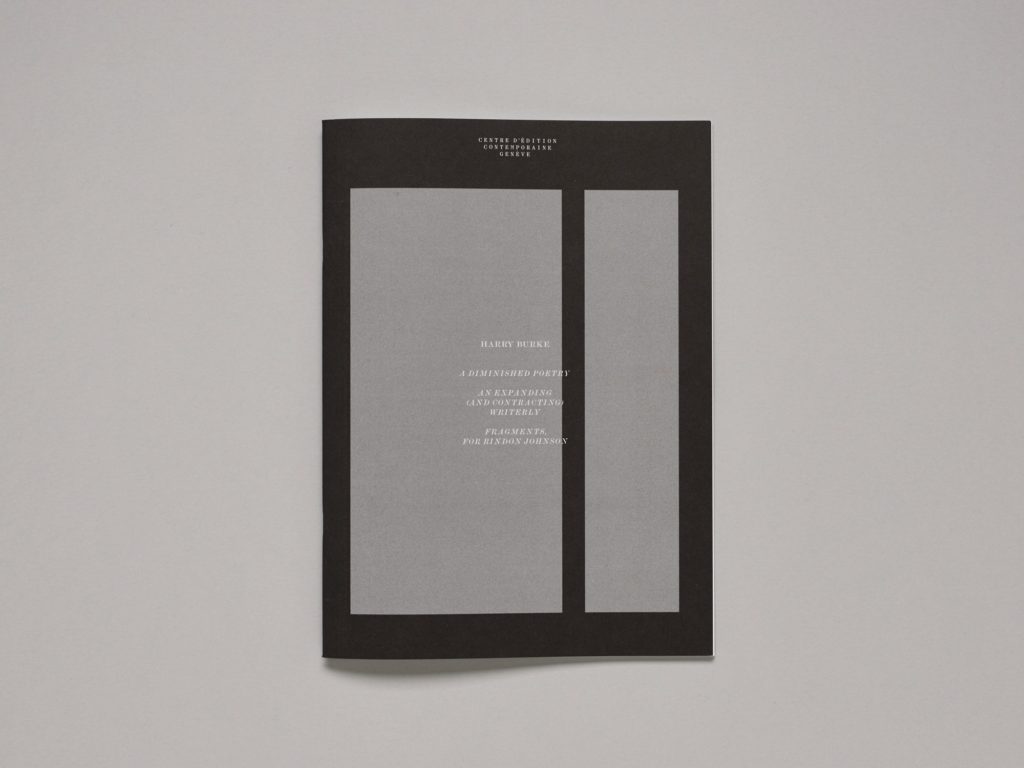
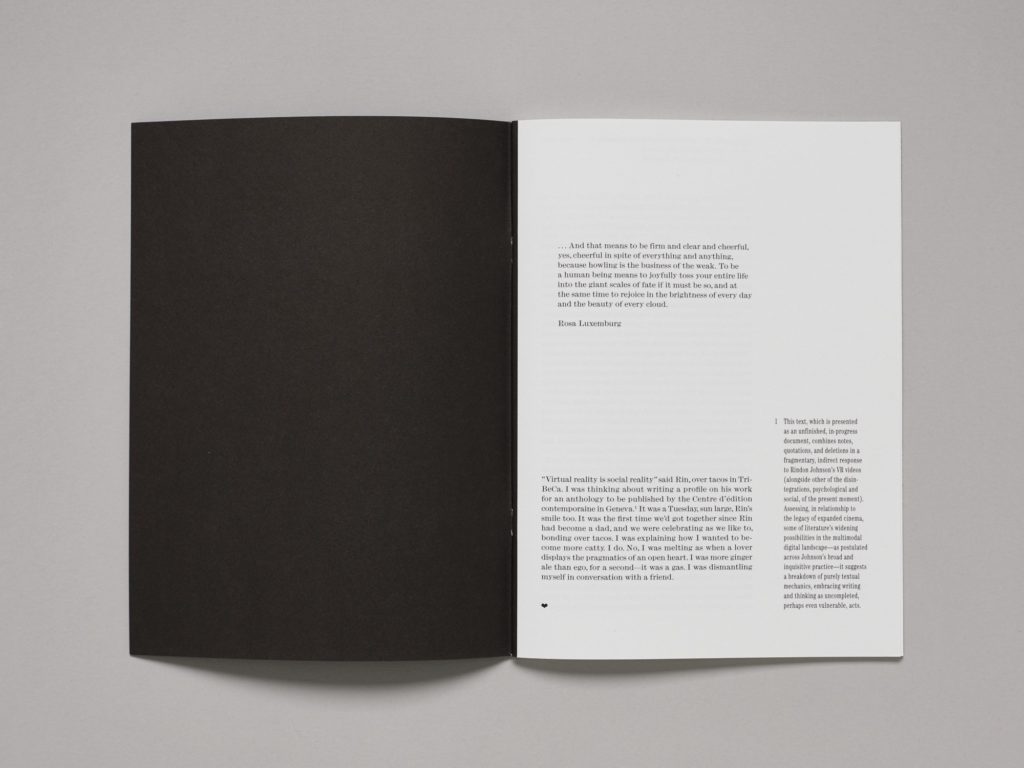
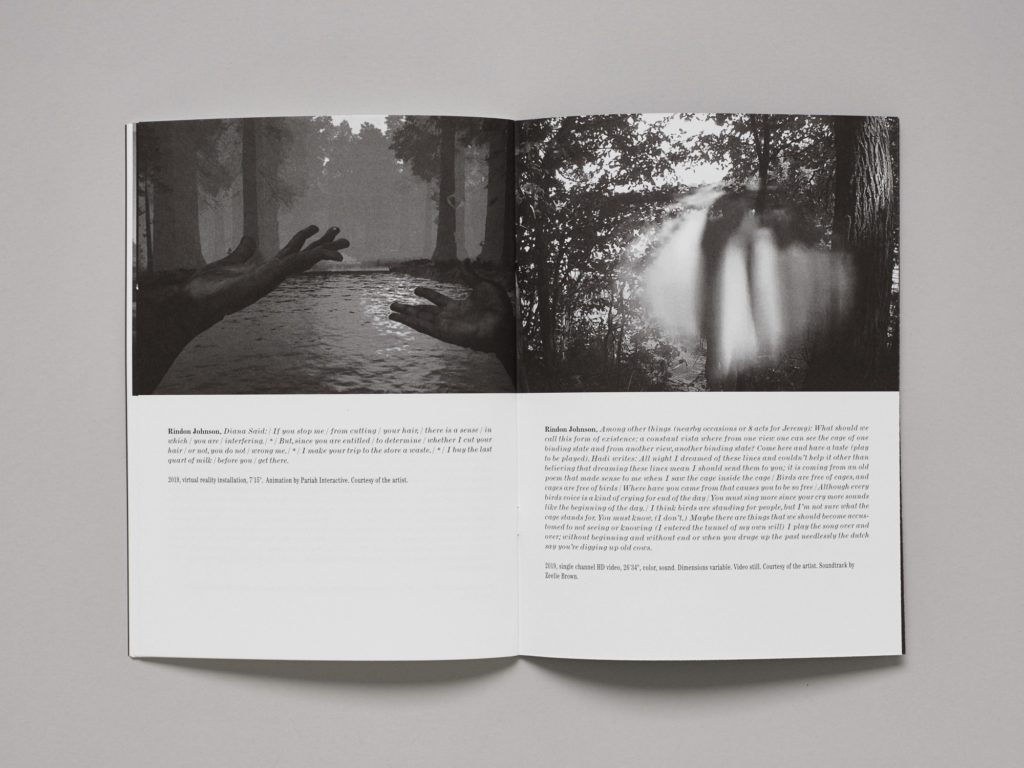
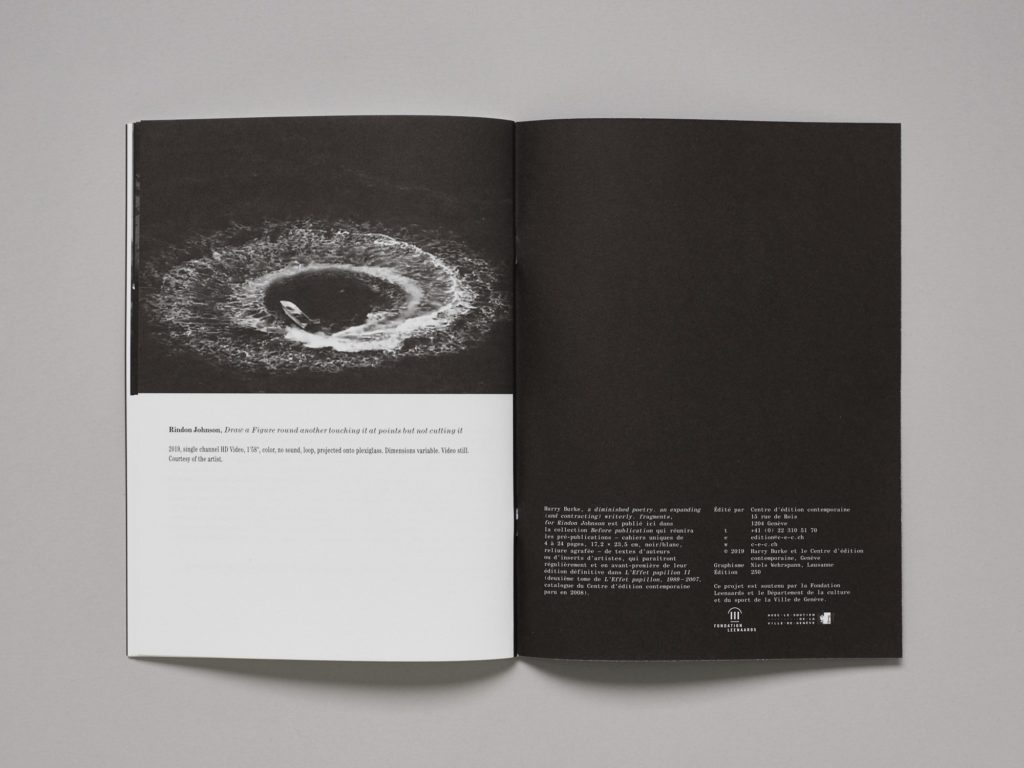
A diminished poetry. An expanding (and contracting) writerly. Fragments, for Rindon Johnson
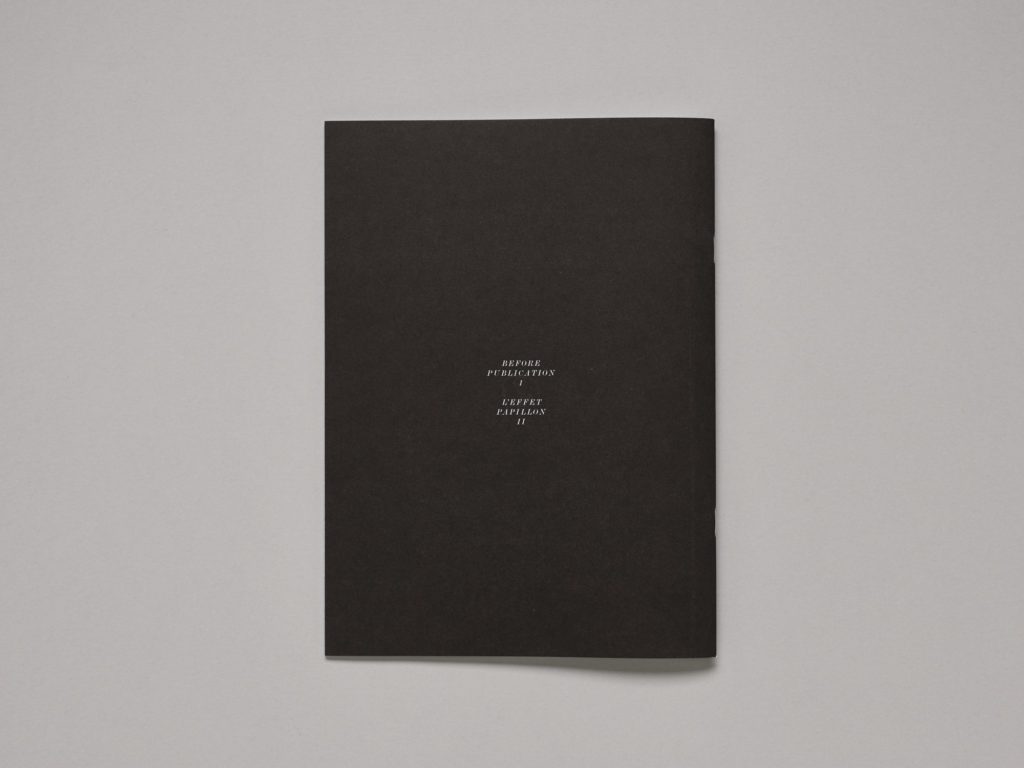
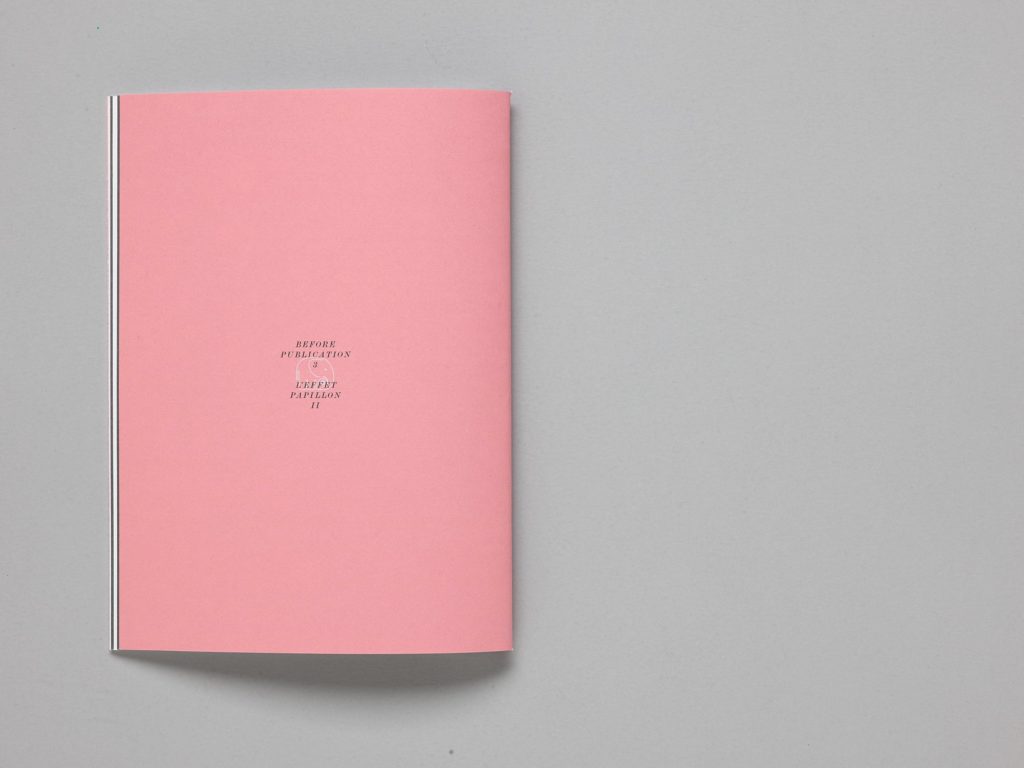
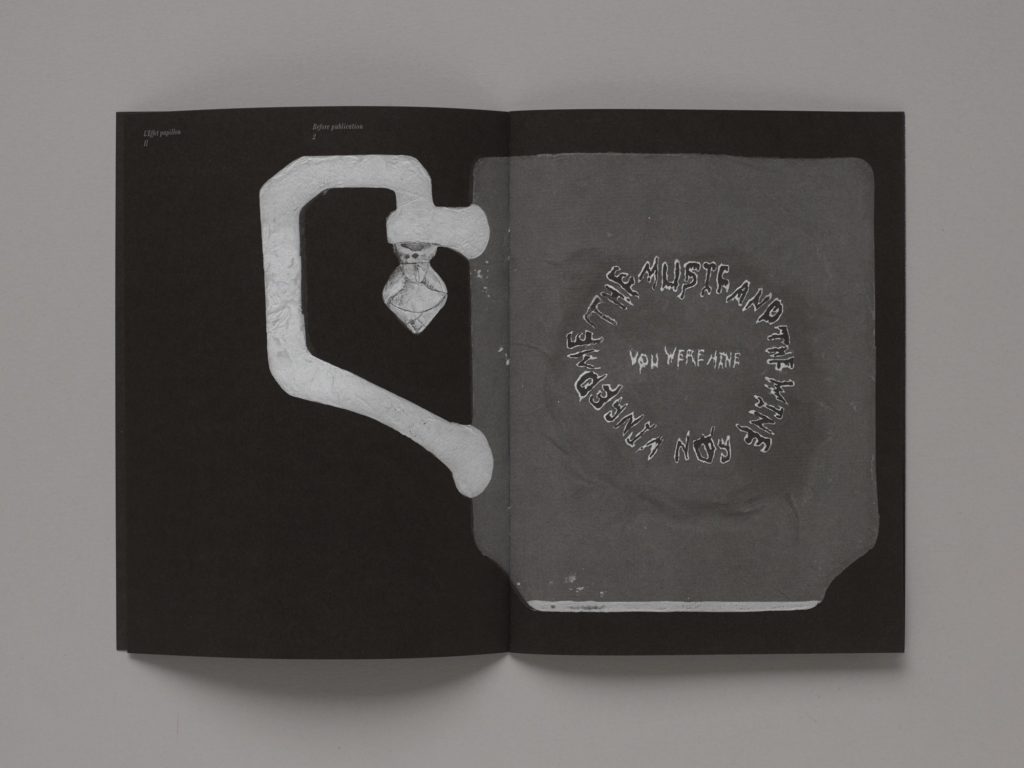
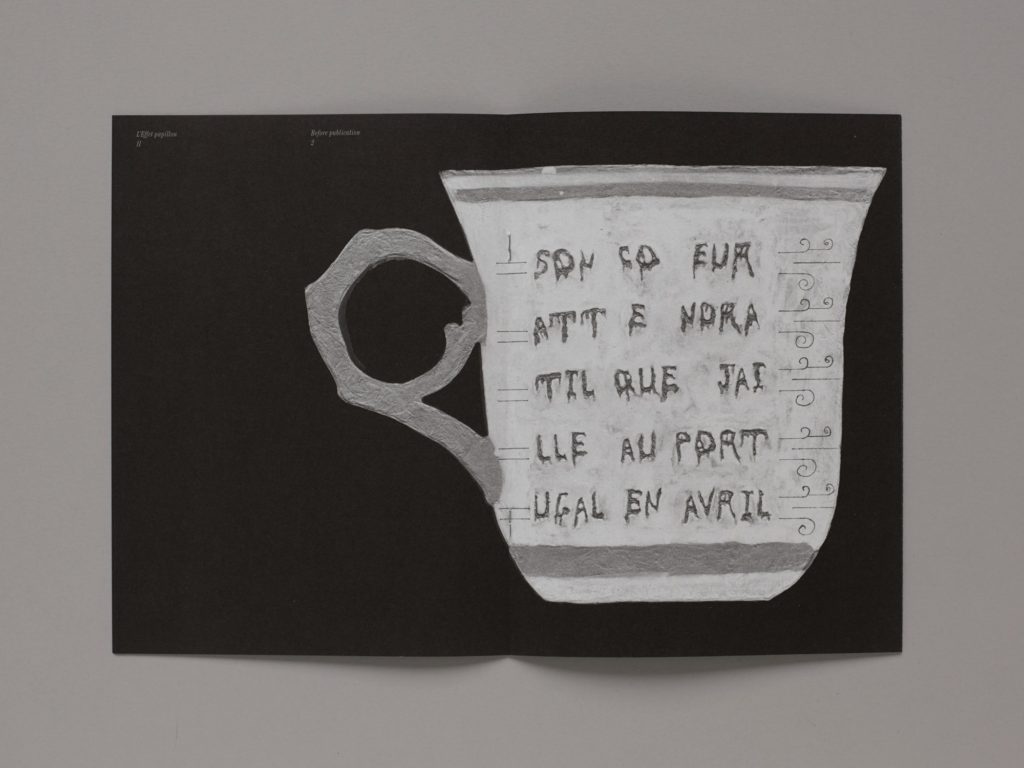
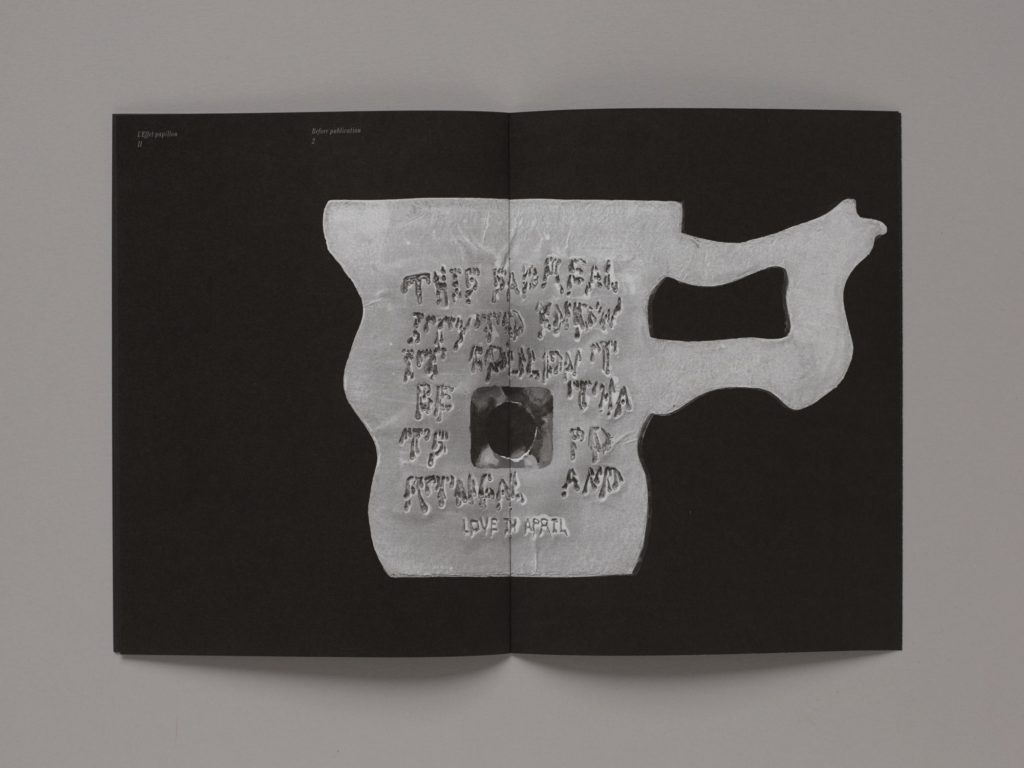
Brochure publiée dans la collection Before publication, qui réunira les pré-publications – cahiers uniques de 4 à 24 pages, 17,2 x 23,5 cm, offset, noir/blanc, reliure agrafée, 250 exemplaires – des textes d’auteurs et des inserts d’artistes, qui paraîtront régulièrement et en avant-première de leur édition définitive dans L’Effet papillon II (deuxième tome de L’Effet papillon, 1989 – 2007, catalogue du Centre d’édition contemporaine paru en 2008). Graphisme : Niels Wehrspann, Lausanne. Edition du Centre d’édition contemporaine, Genève, décembre 2019.
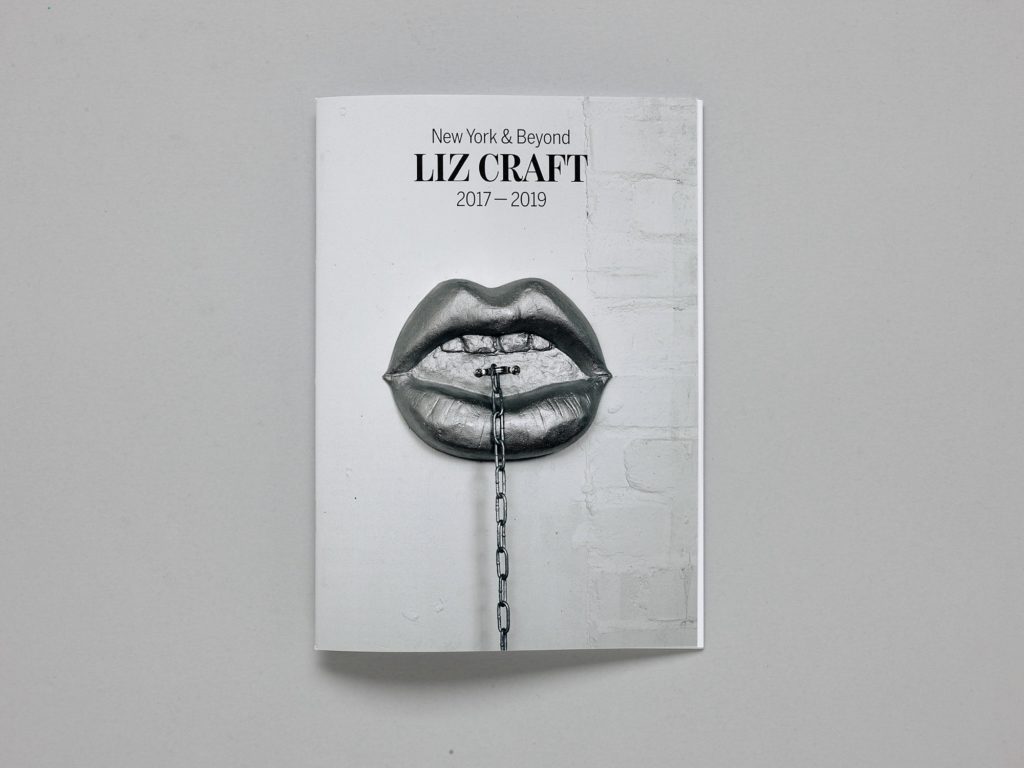
LIZ CRAFT
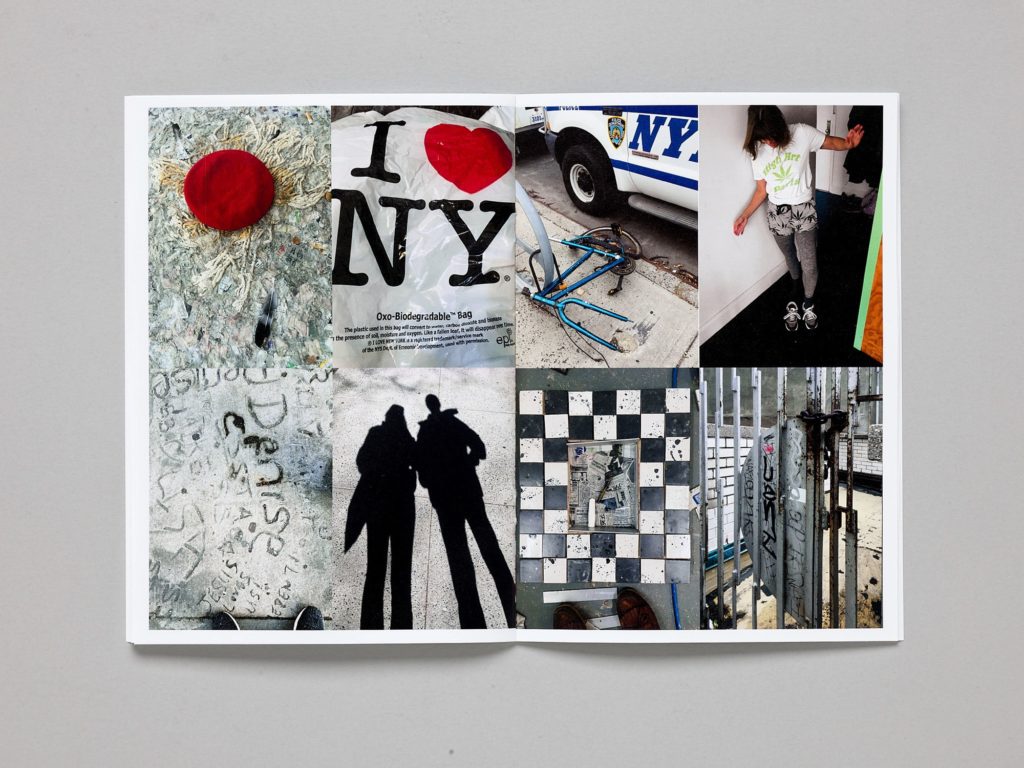
New York & Beyond, 2017 – 2019
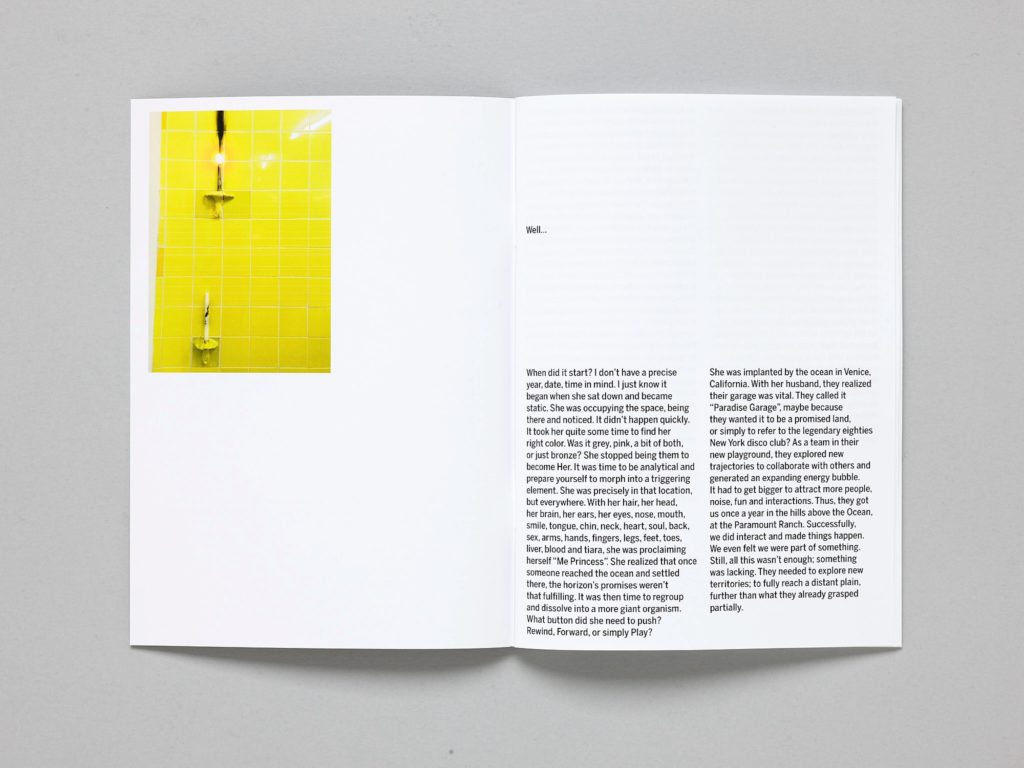
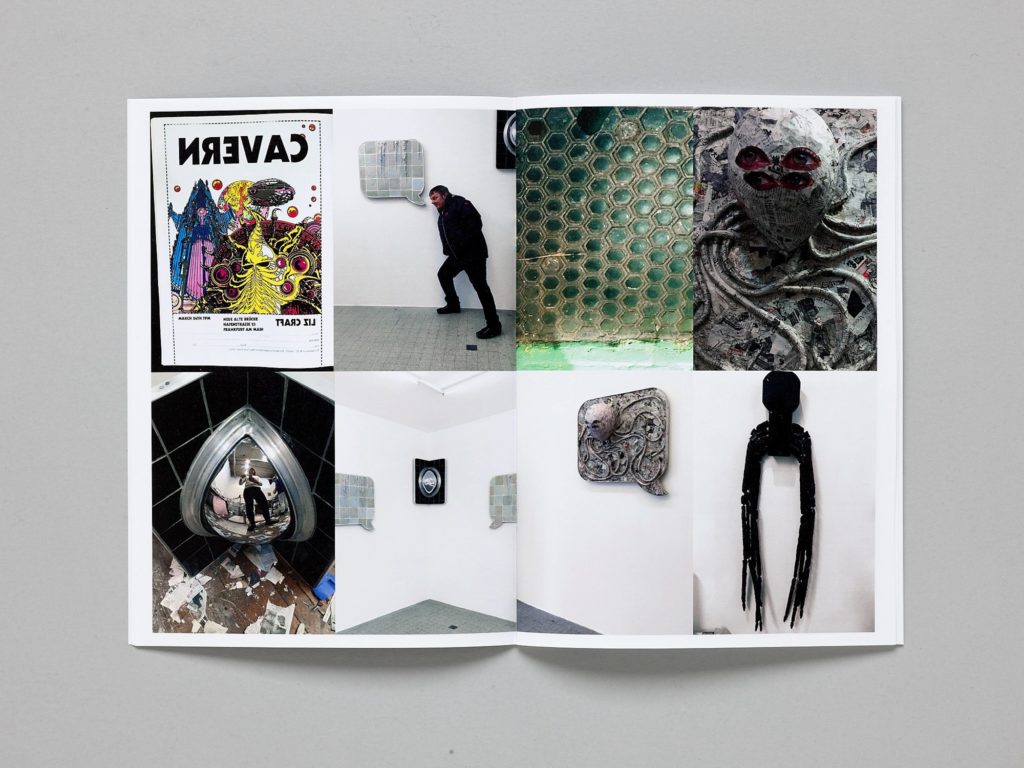
Publication, impression numérique, couleur, 40 pages, 15 x 21.2 cm, 500 exemplaires, reliure agrafée. Texte : Paul-Aymar Mourghe d’Algue (anglais). Graphisme : Niels Wehrspann, Lausanne. Edition du Centre d’édition contemporaine, Genève, 2021.
KEREN CYTTER
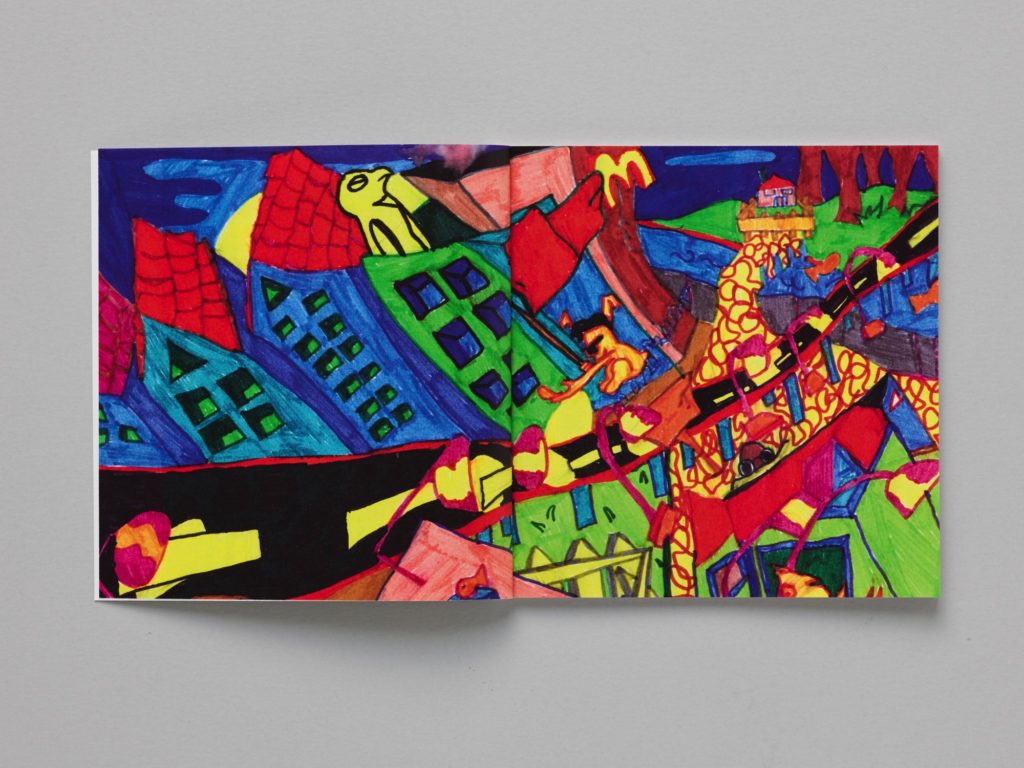
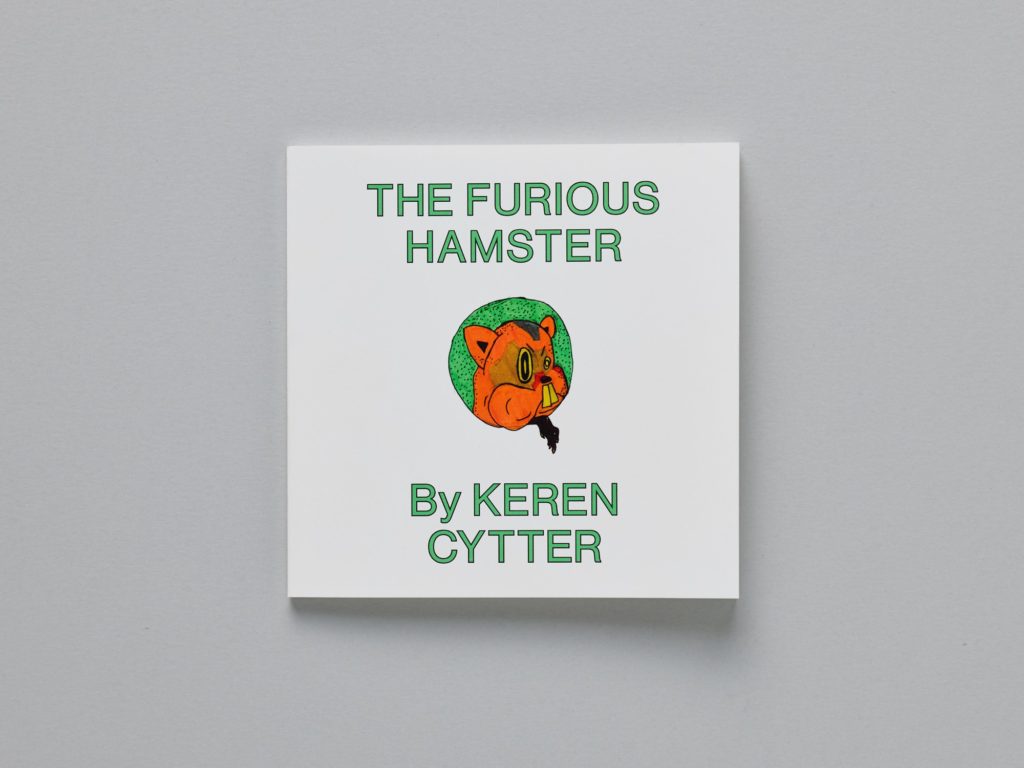
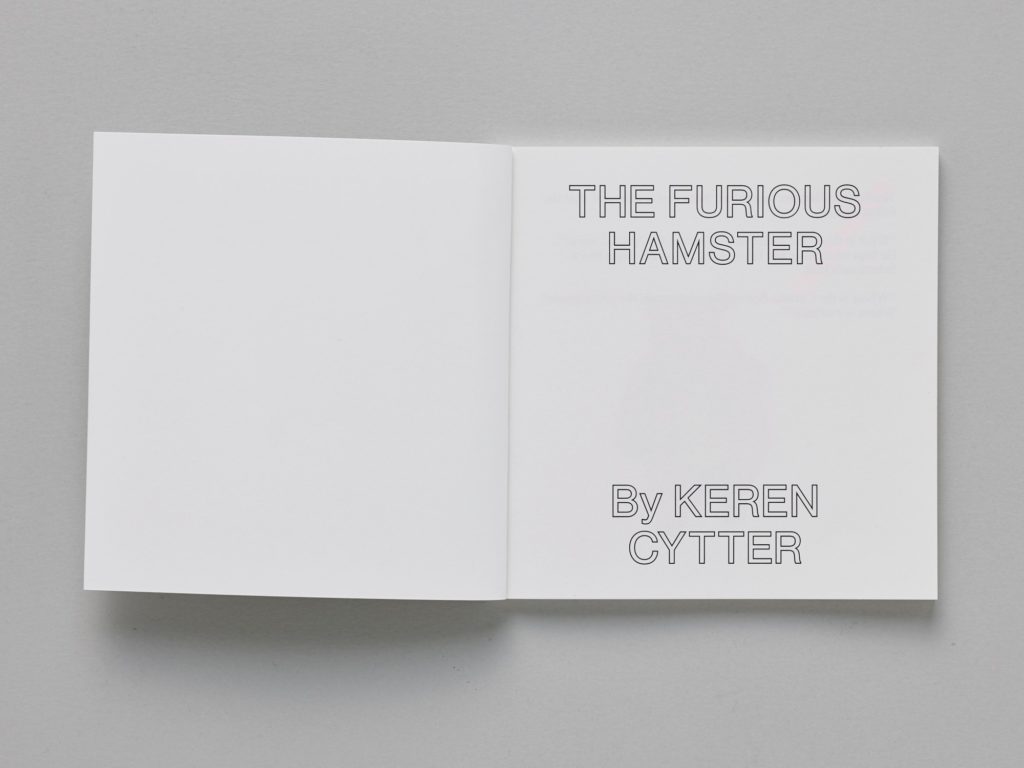
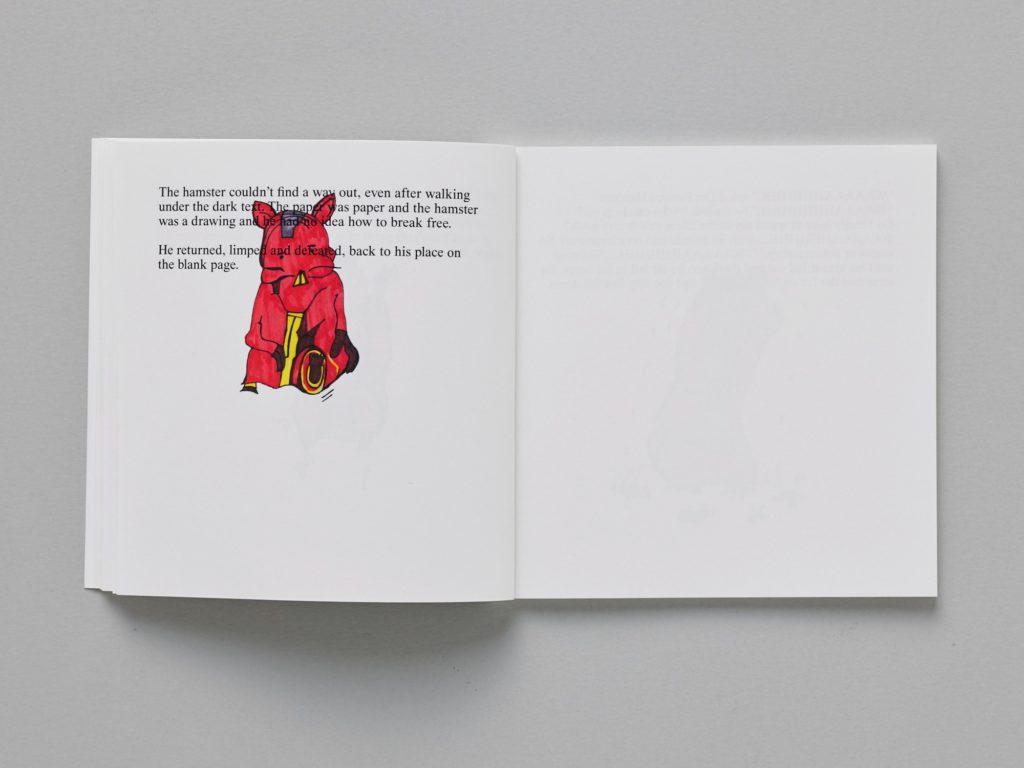
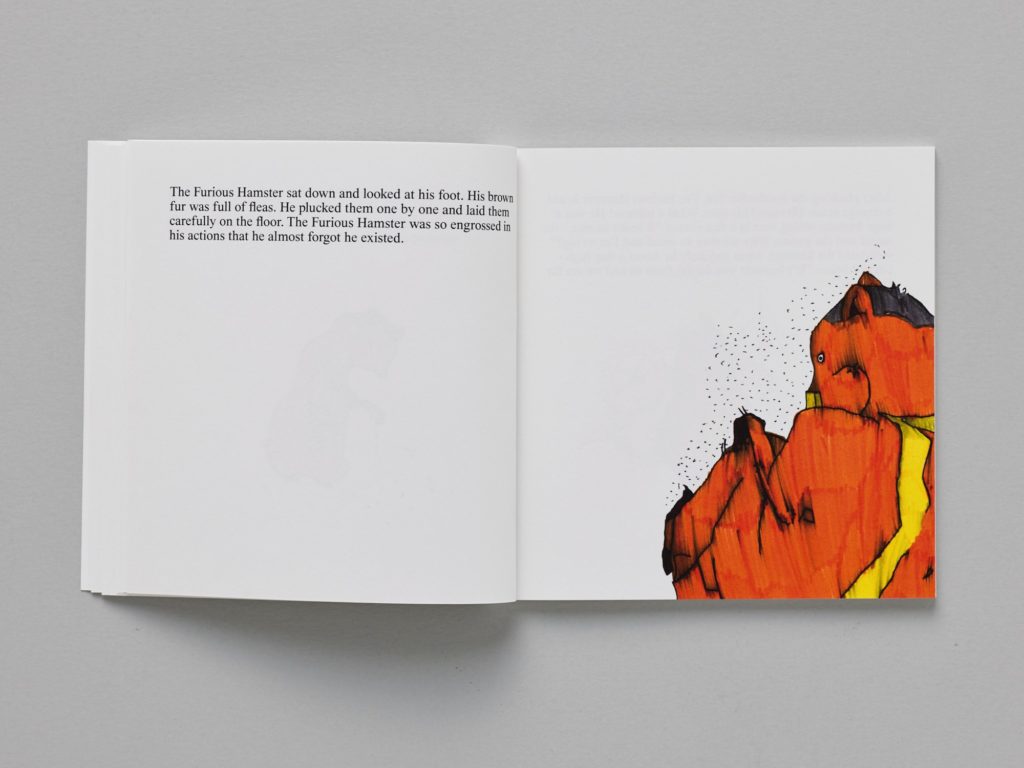
The Furious Hamster
Livre, offset, couleur, 56 pages, 15 x 15 cm, 500 exemplaires, texte en anglais. Coédition Pork Salad Press, Copenhague et Centre d’édition contemporaine, Genève, 2018.
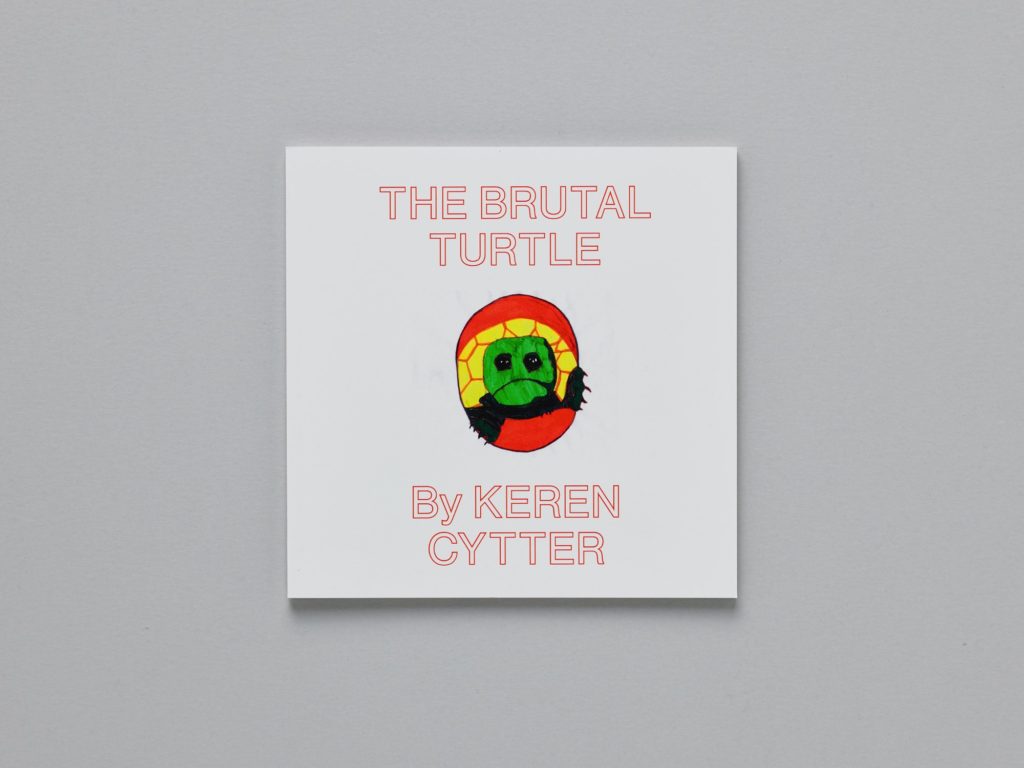
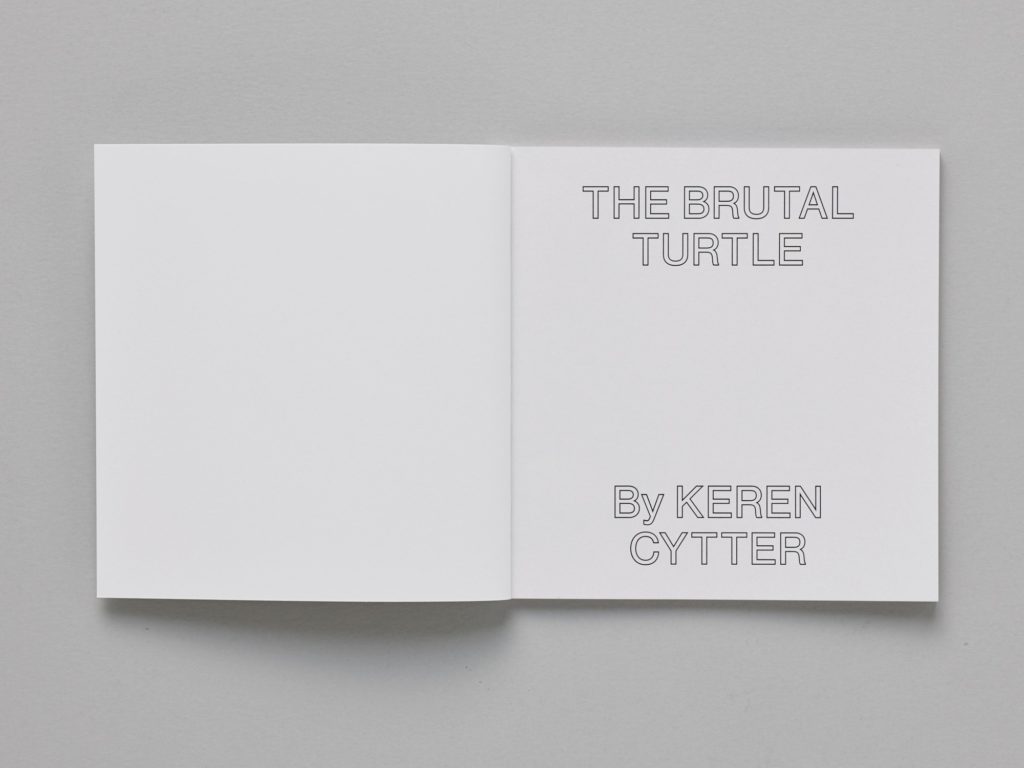
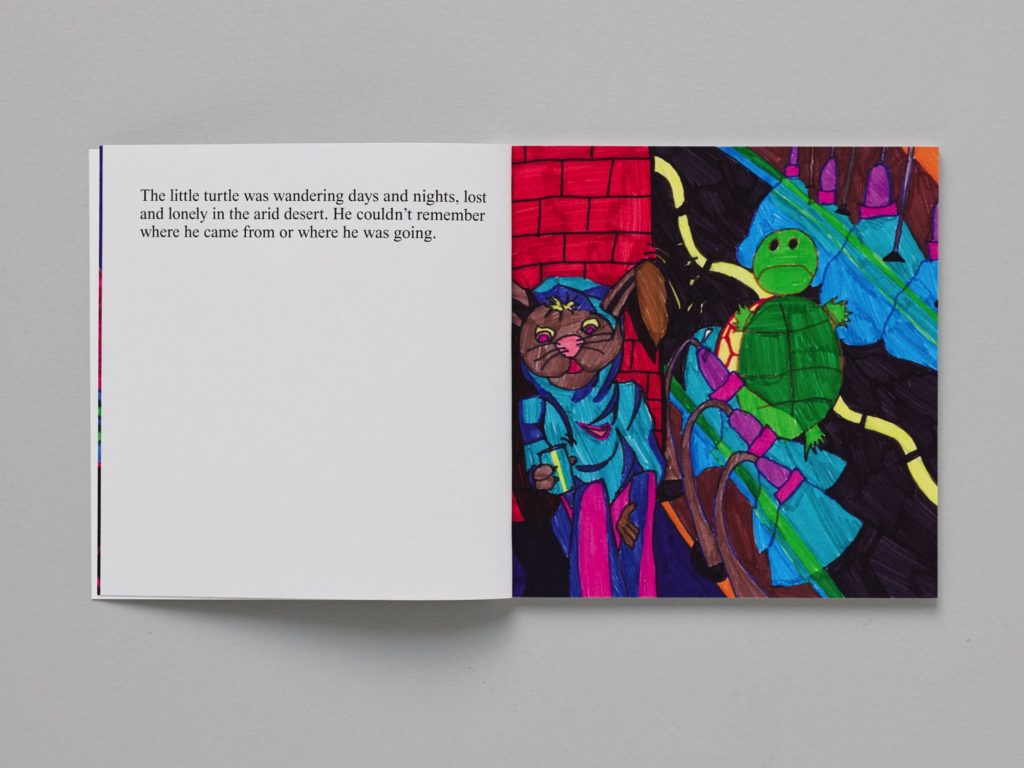
The Brutal Turtle
Livre, offset, couleur, 40 pages, 15 x 15 cm, 500 exemplaires, texte en anglais. Coédition Pork Salad Press, Copenhague et Centre d’édition contemporaine, Genève, 2018.
GUILLAUME DÉNERVAUD
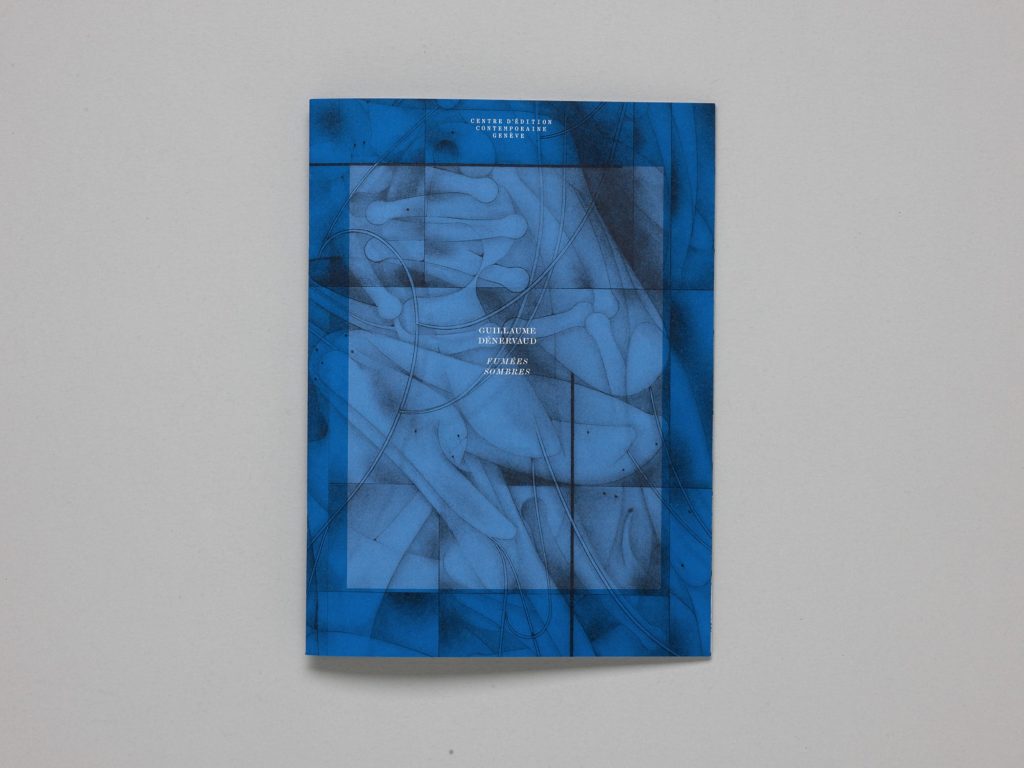
Fumées Sombres
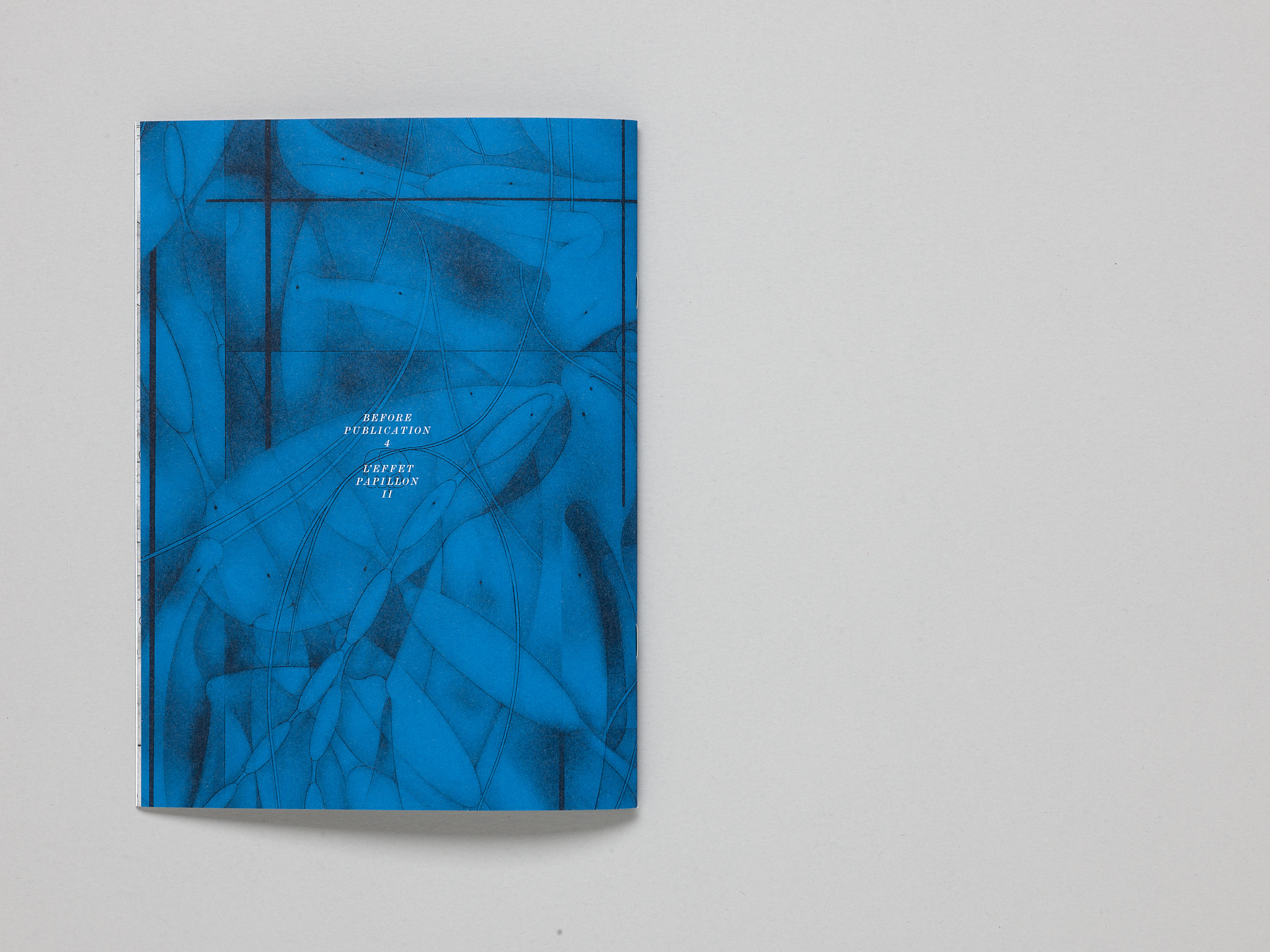
Brochure, 20 pages, publiée dans la collection Before publication qui réunira les pré-publications – cahiers uniques, 17,2 × 23,5 cm, reliure agrafée, 250 exemplaires – de textes d’auteurs ou d’inserts d’artistes, qui paraîtront régulièrement et en avant-première de leur édition définitive dans L’Effet papillon II (deuxième tome de L’Effet papillon, 1989 – 2007, catalogue du Centre d’édition contemporaine paru en 2008). Texte: Dean Kissick. Graphisme: Niels Wehrspann, Lausanne. Edition du Centre d’édition contemporaine, Genève, 2021.
ANNE DRESSEN/NICK MAUSS
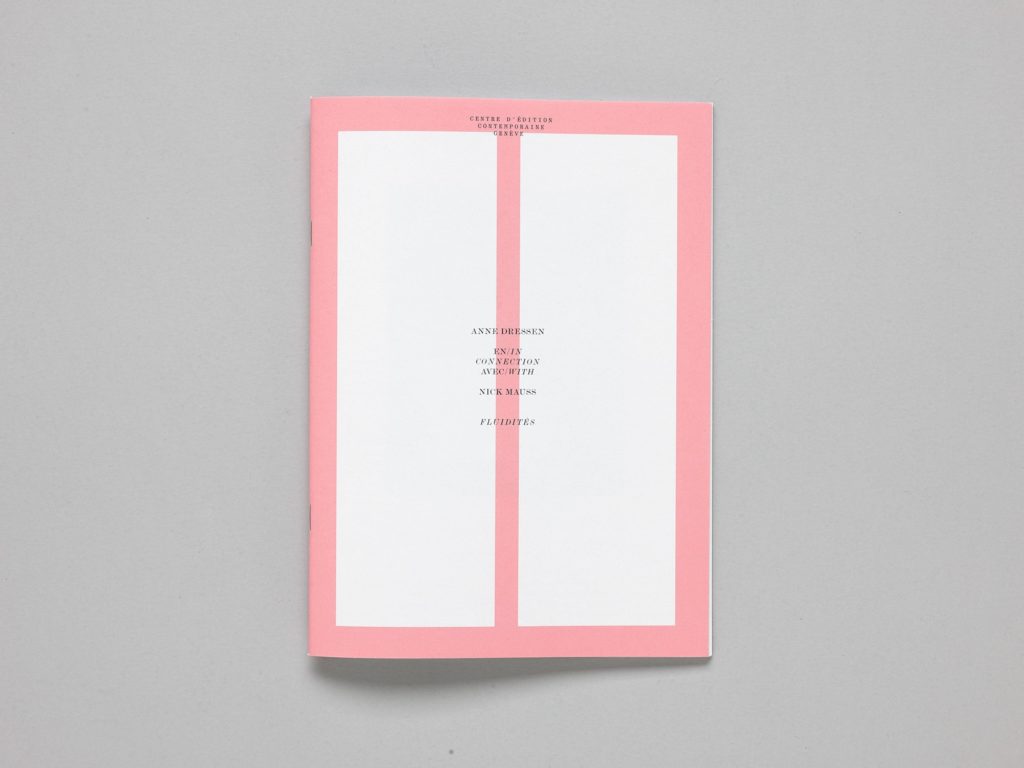
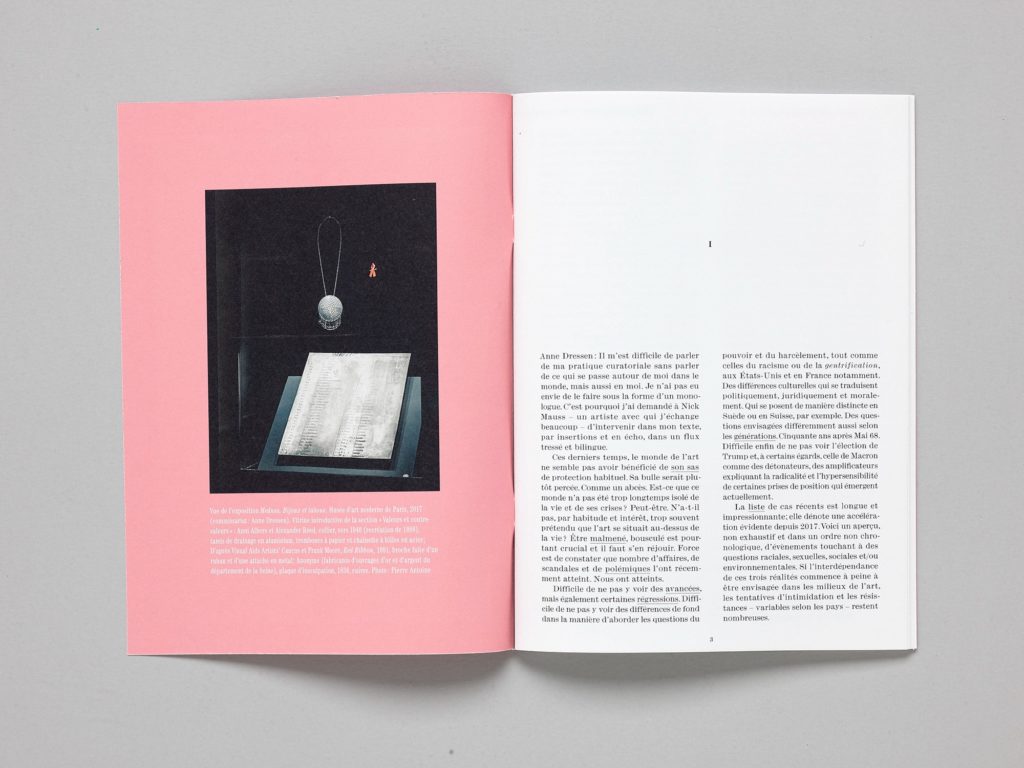
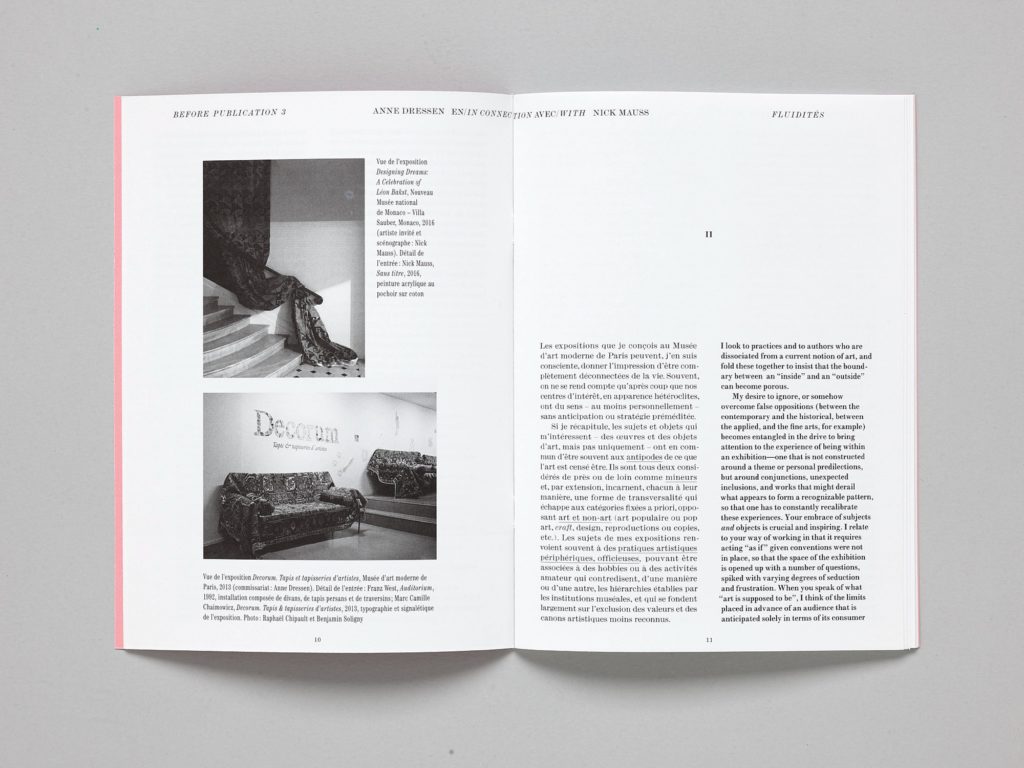
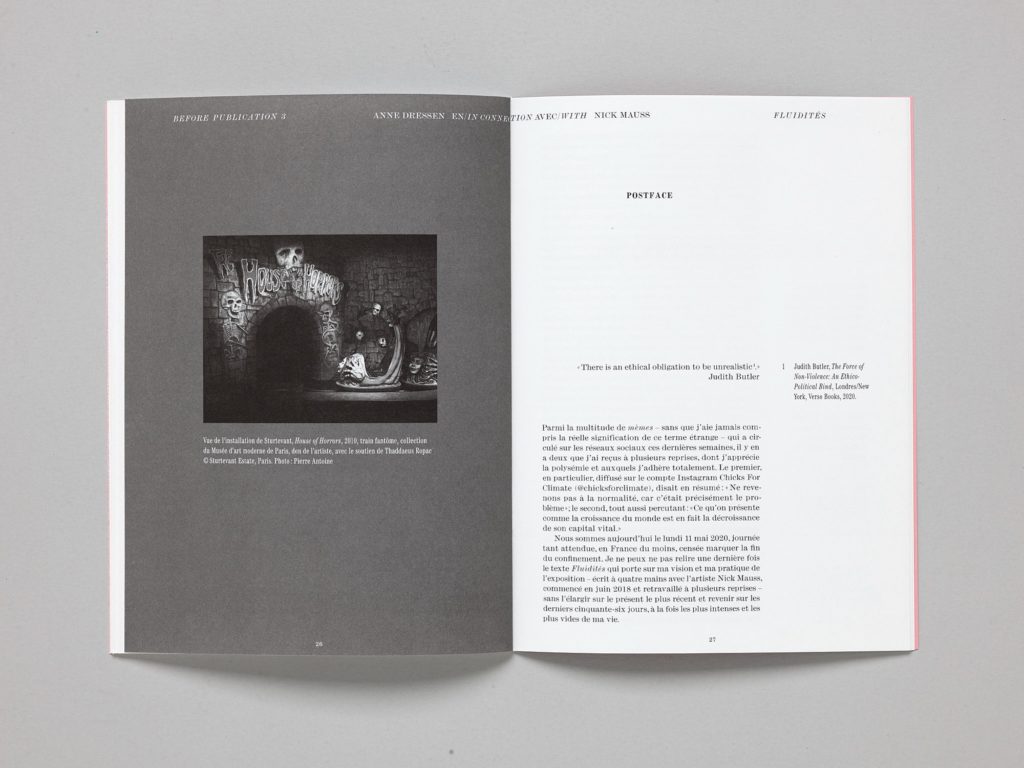
Fluidités
Brochure, 36 pages, publiée dans la collection Before publication, qui réunira les pré-publications – cahiers uniques, 17,2 x 23,5 cm, offset, noir/blanc, reliure agrafée, 250 exemplaires – de textes d’auteurs ou d’inserts d’artistes, qui paraîtront régulièrement et en avant-première de leur édition définitive dans L’Effet papillon II (deuxième tome de L’Effet papillon, 1989 – 2007, catalogue du Centre d’édition contemporaine paru en 2008). Coordination éditoriale : Eveline Notter. Graphisme : Niels Wehrspann, Lausanne. Edition du Centre d’édition contemporaine, Genève, 2021.
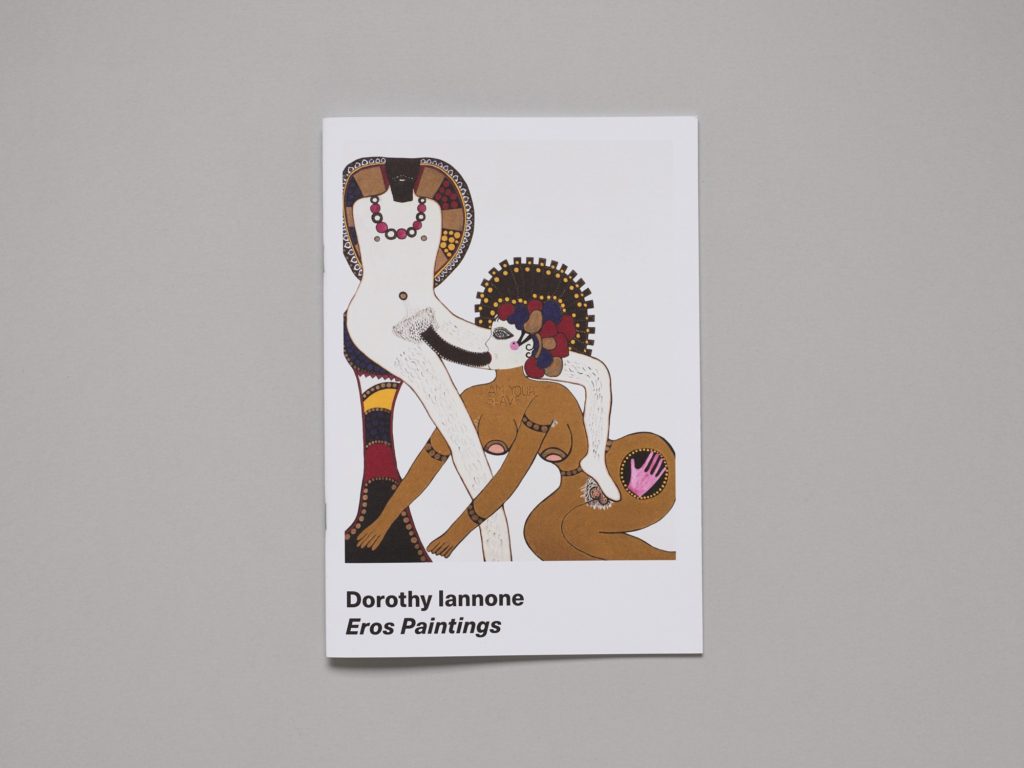
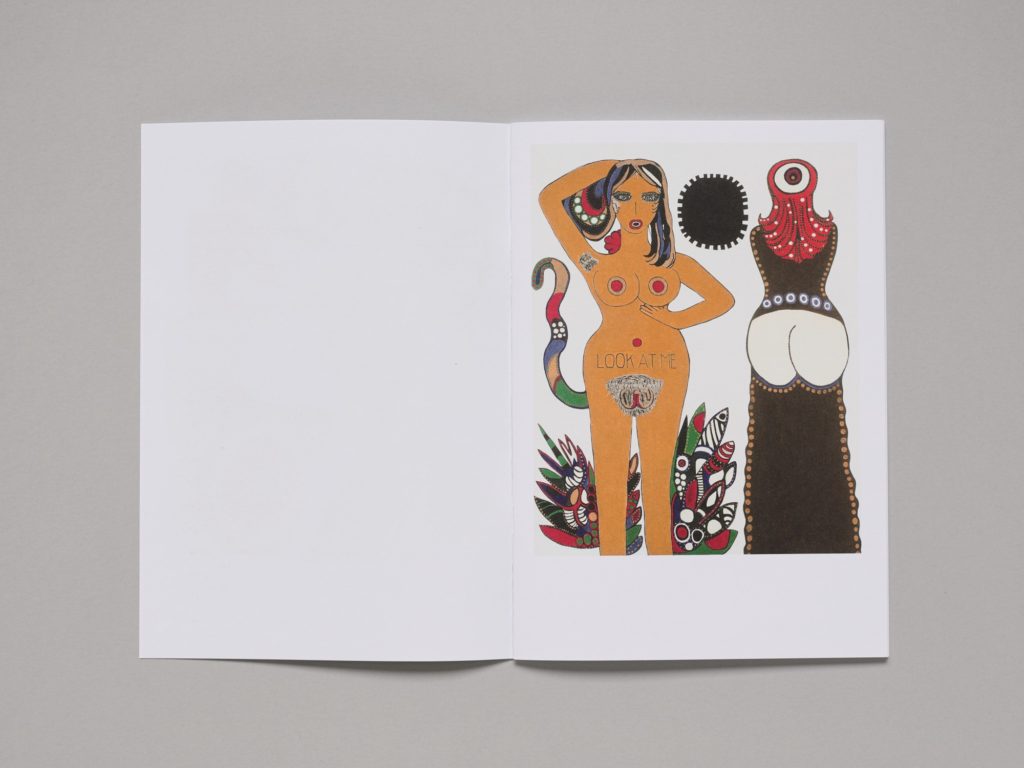
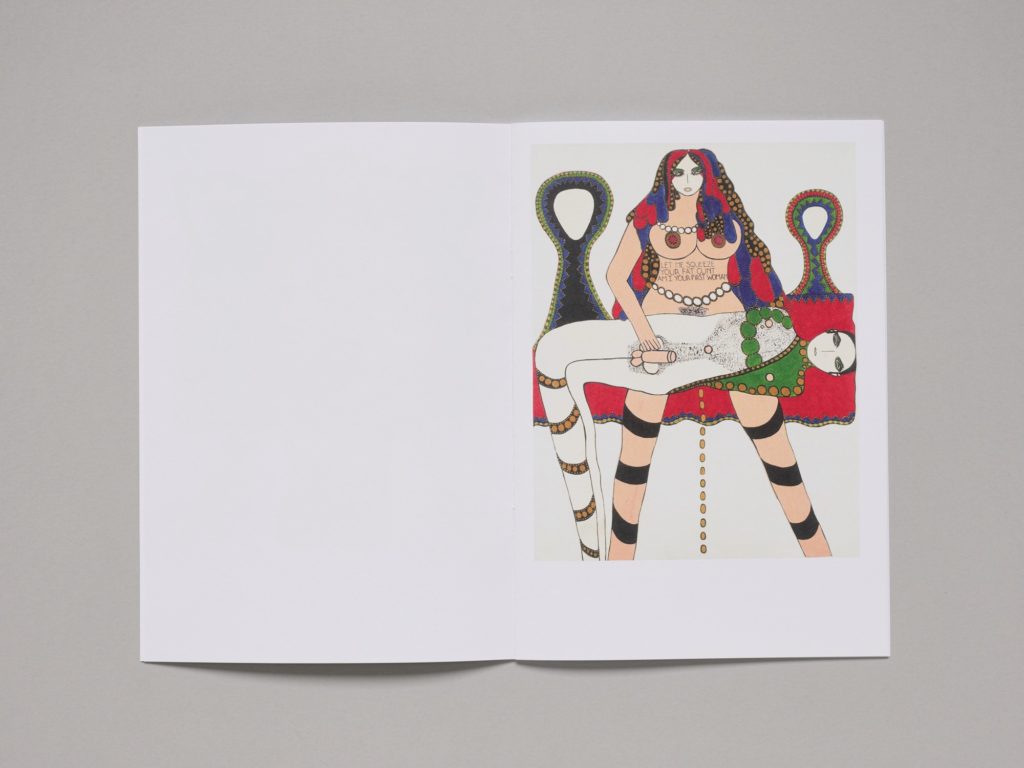
DOROTHY IANNONE
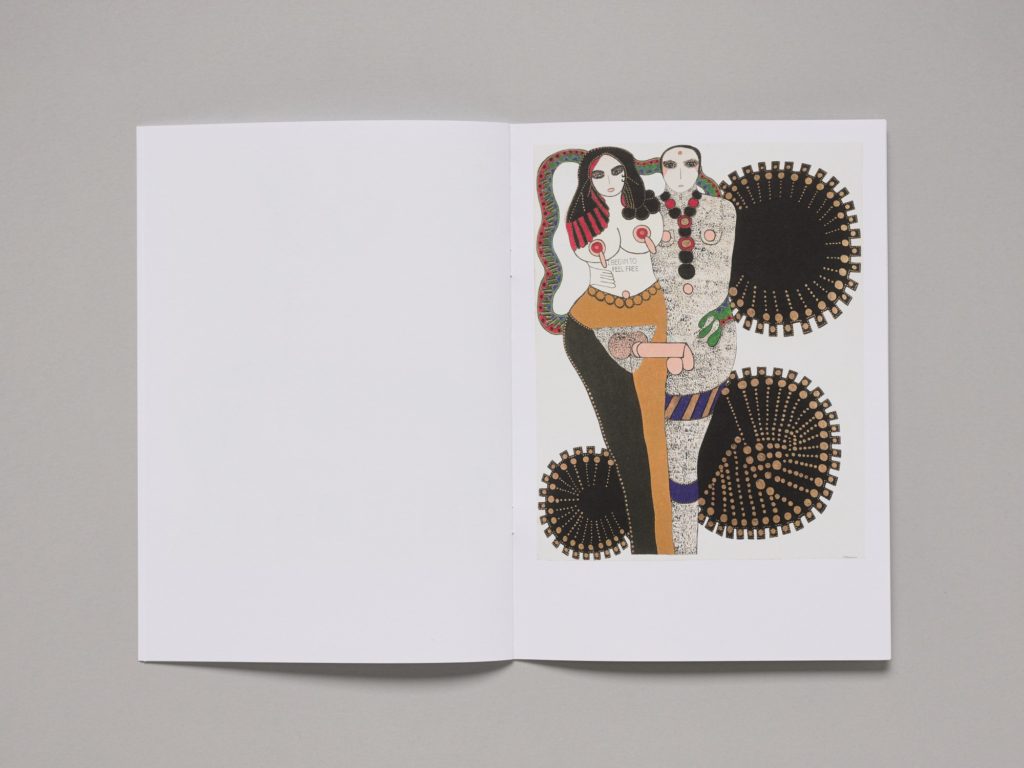
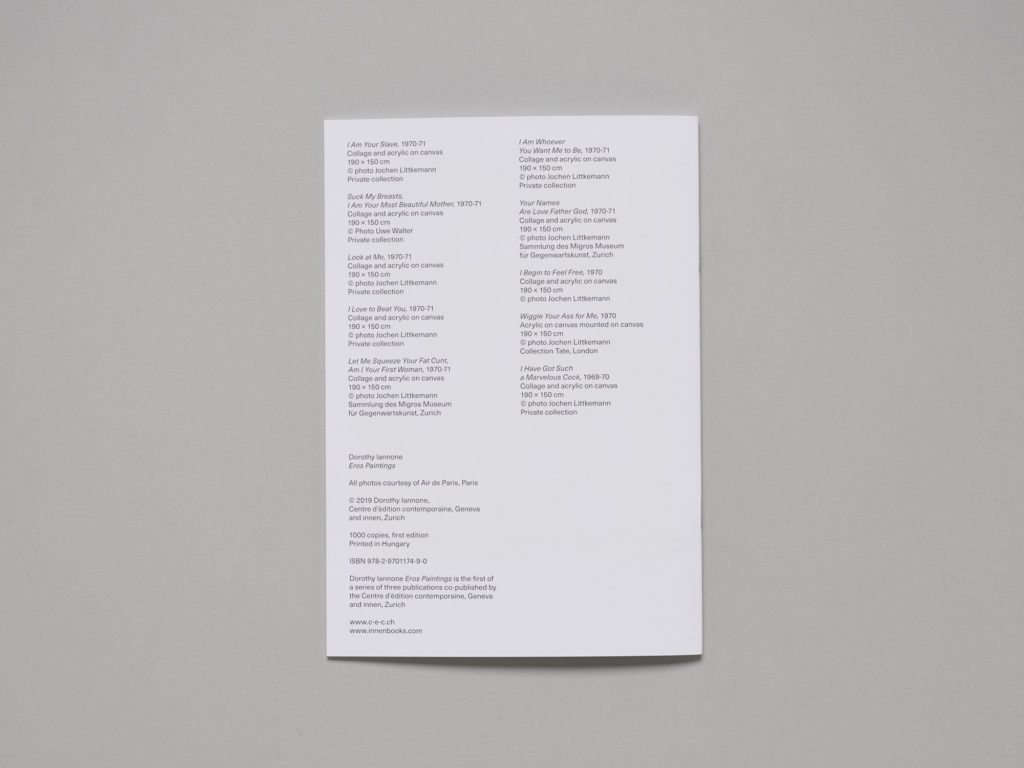
Eros Paintings
Offset, couleur, 16 pages, 16,5 x 23,6 cm. Coédition innen, Zurich et Centre d’édition contemporaine, Genève, 2019.
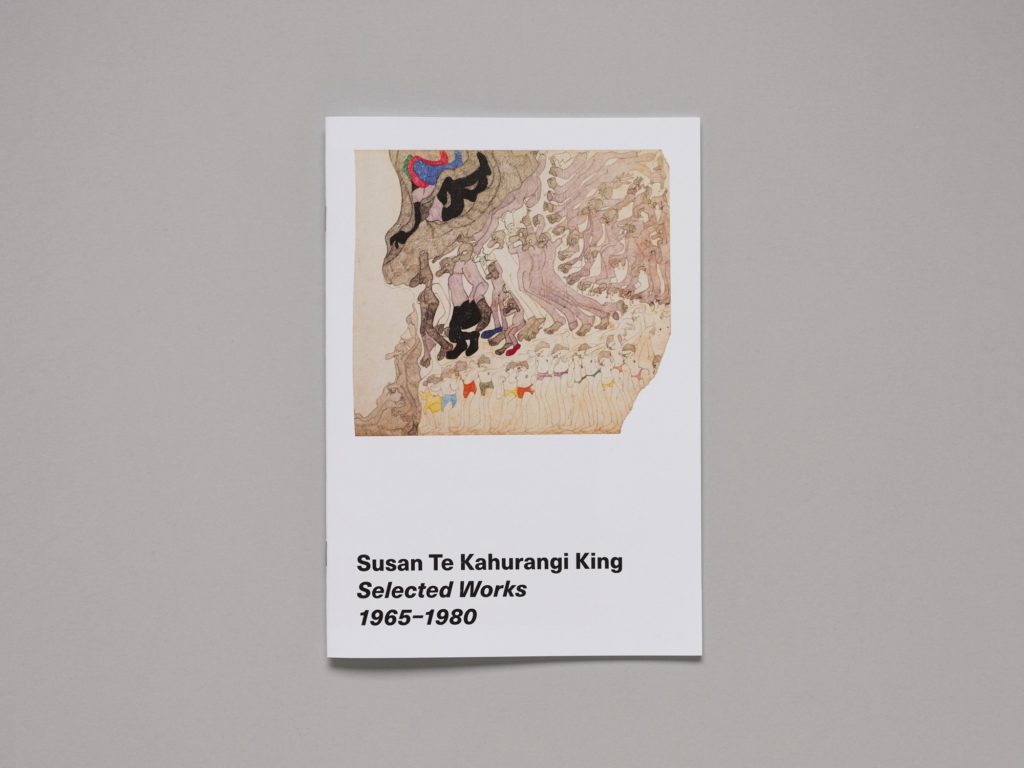
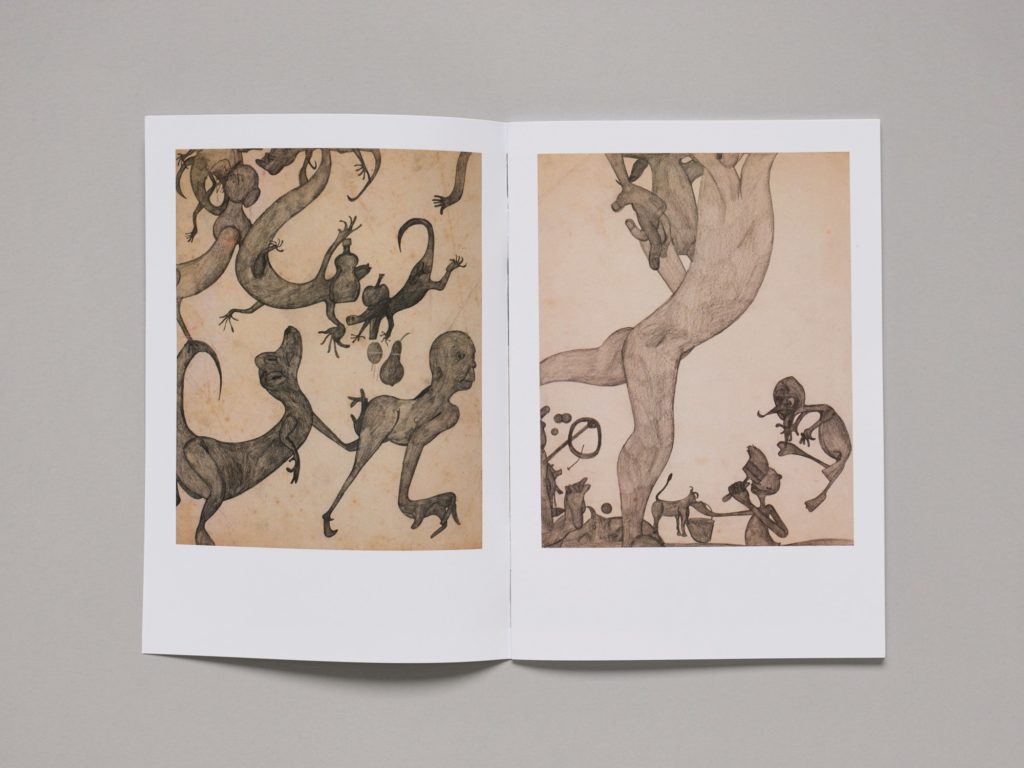
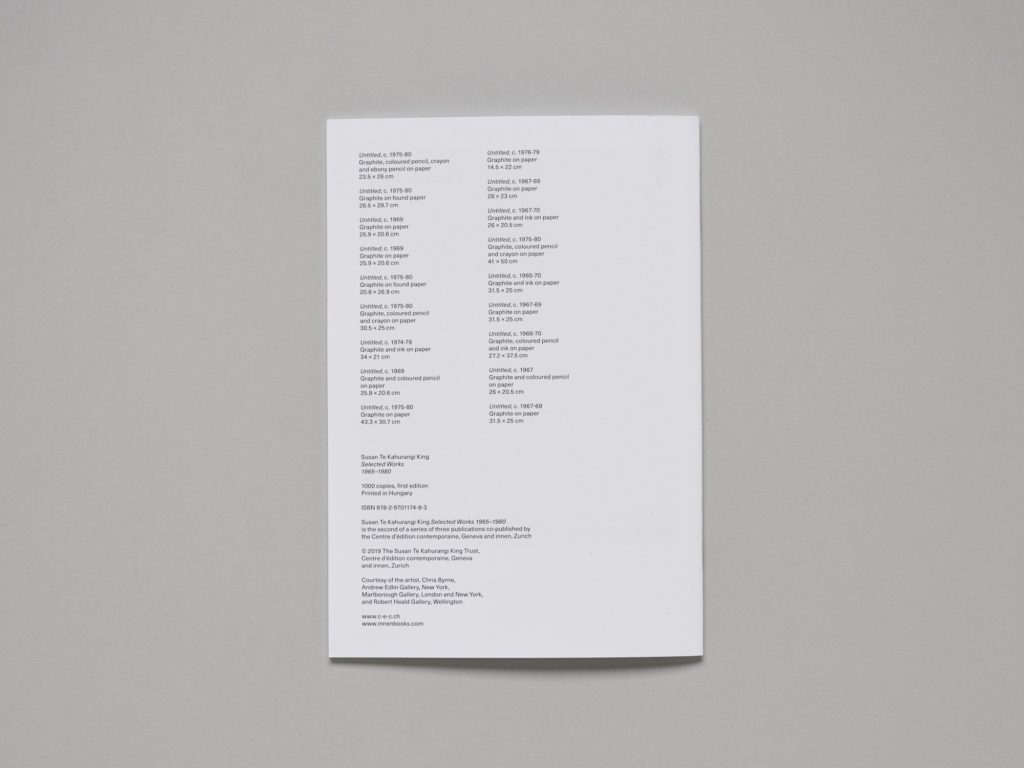
SUSAN TE KAHURANGI KING
Selected Works 1965–1980
Offset, couleur, 20 pages, 16,5 × 23,6 cm. Coédition innen, Zurich et Centre d’édition contemporaine, Genève, 2019.
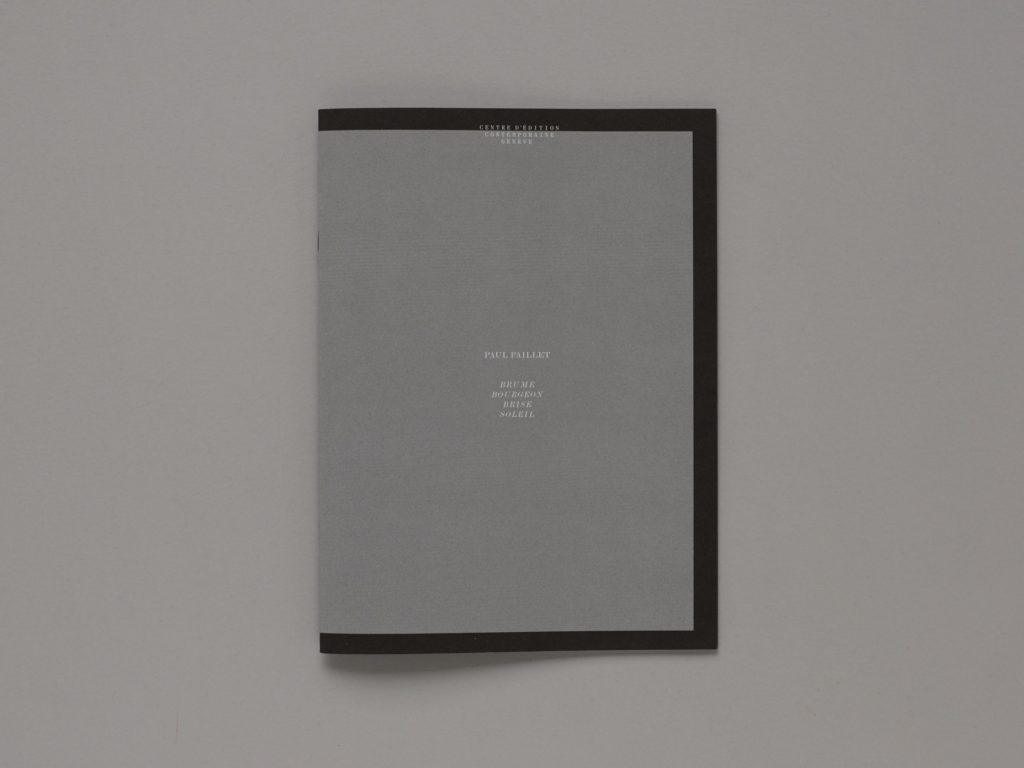
PAUL PAILLET
BRUME BOURGEON BRISE SOLEIL
Brochure, 12 pages, publiée dans la collection Before publication qui réunira les pré-publications – cahiers uniques de 4 à 24 pages, 17,2 × 23,5 cm, offset, noir/blanc, reliure agrafée, 250 exemplaires – de textes d’auteurs ou d’inserts d’artistes, qui paraîtront régulièrement et en avant-première de leur édition définitive dans L’Effet papillon II (deuxième tome de L’Effet papillon, 1989 – 2007, catalogue du Centre d’édition contemporaine paru en 2008). Graphisme : Niels Wehrspann, Lausanne. Edition du Centre d’édition contemporaine, Genève, 2020.
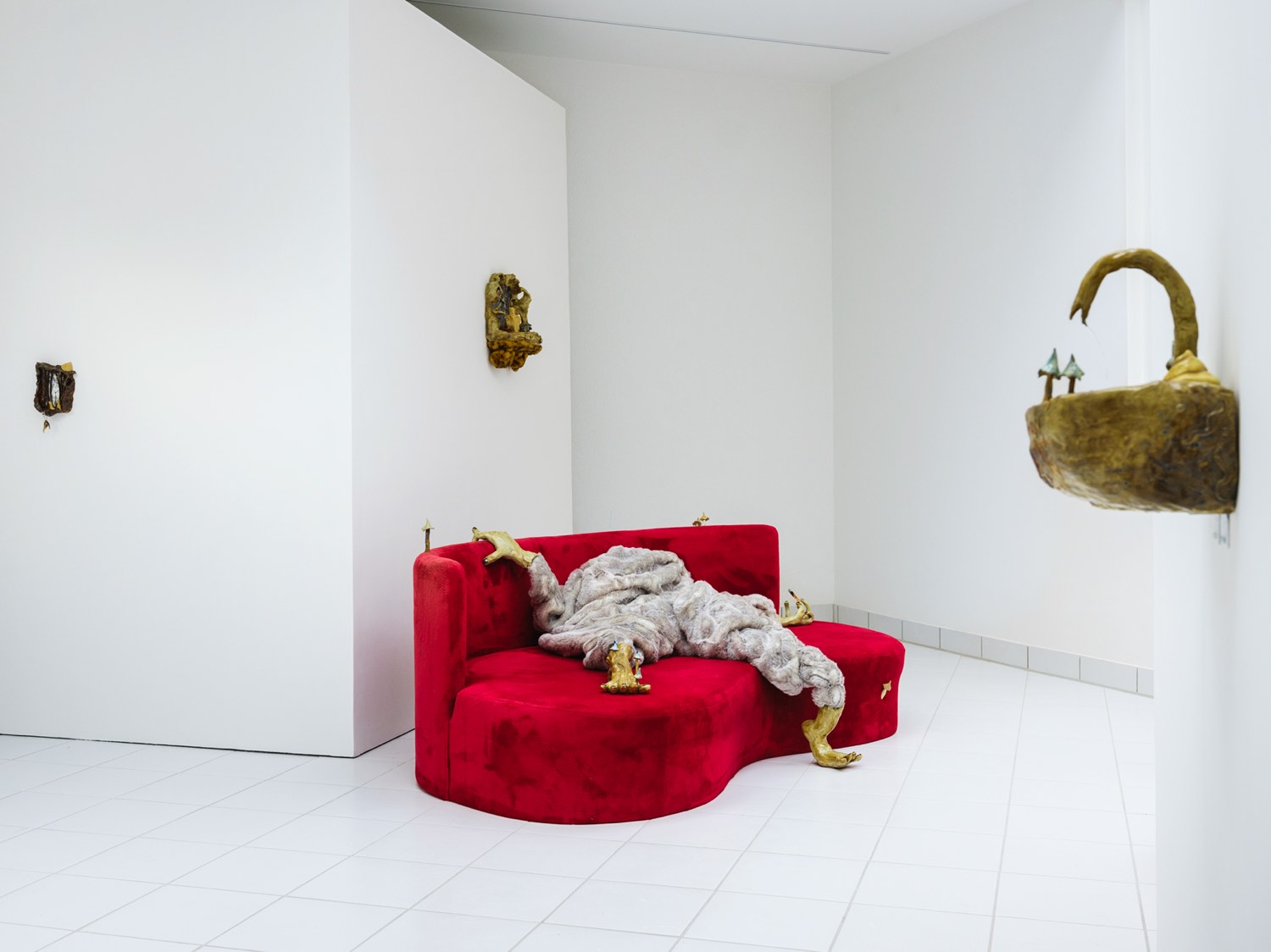
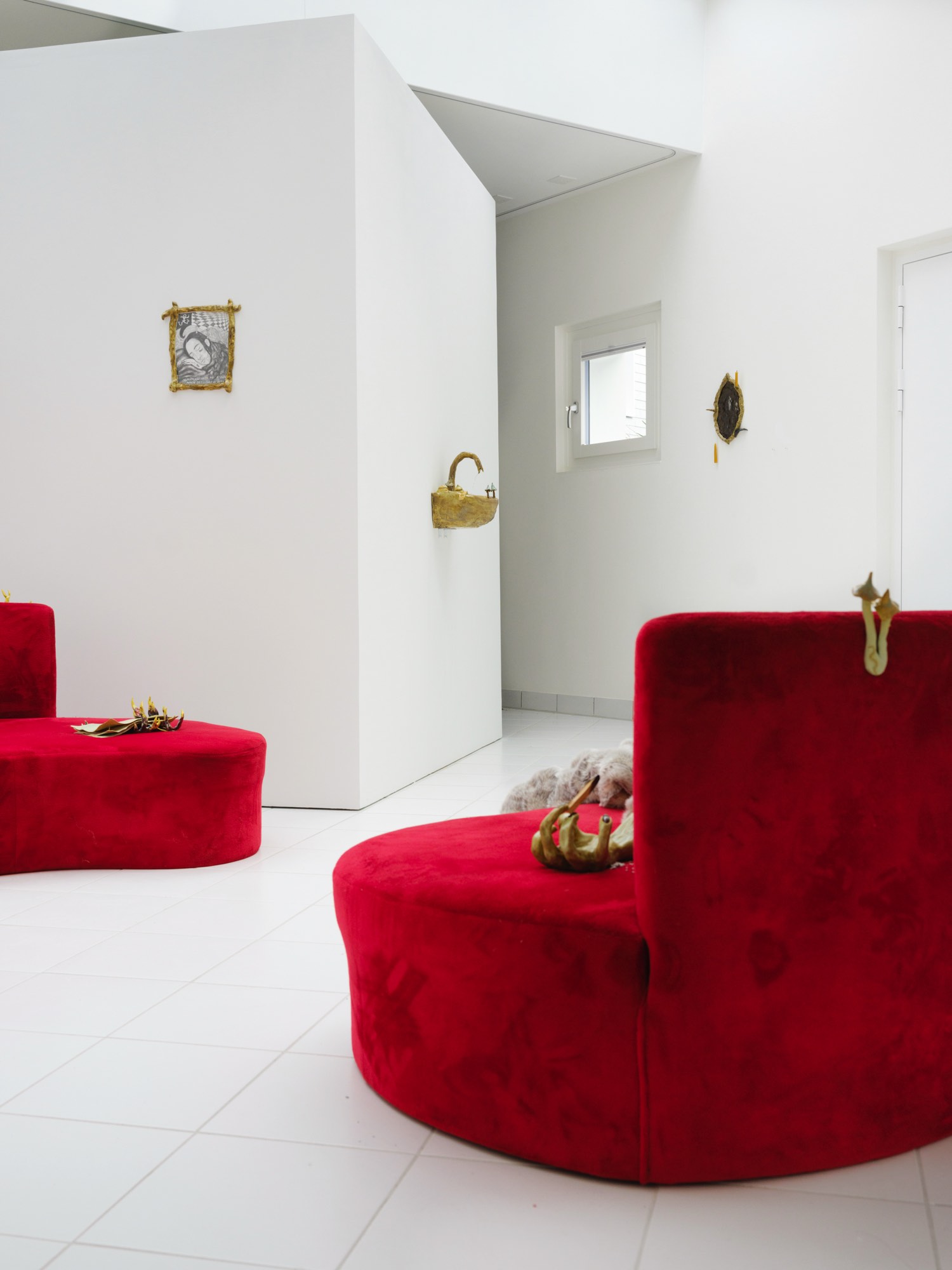
Au CEC Centre d’édition Contemporaine Du 6 mai au 9 juillet 2021
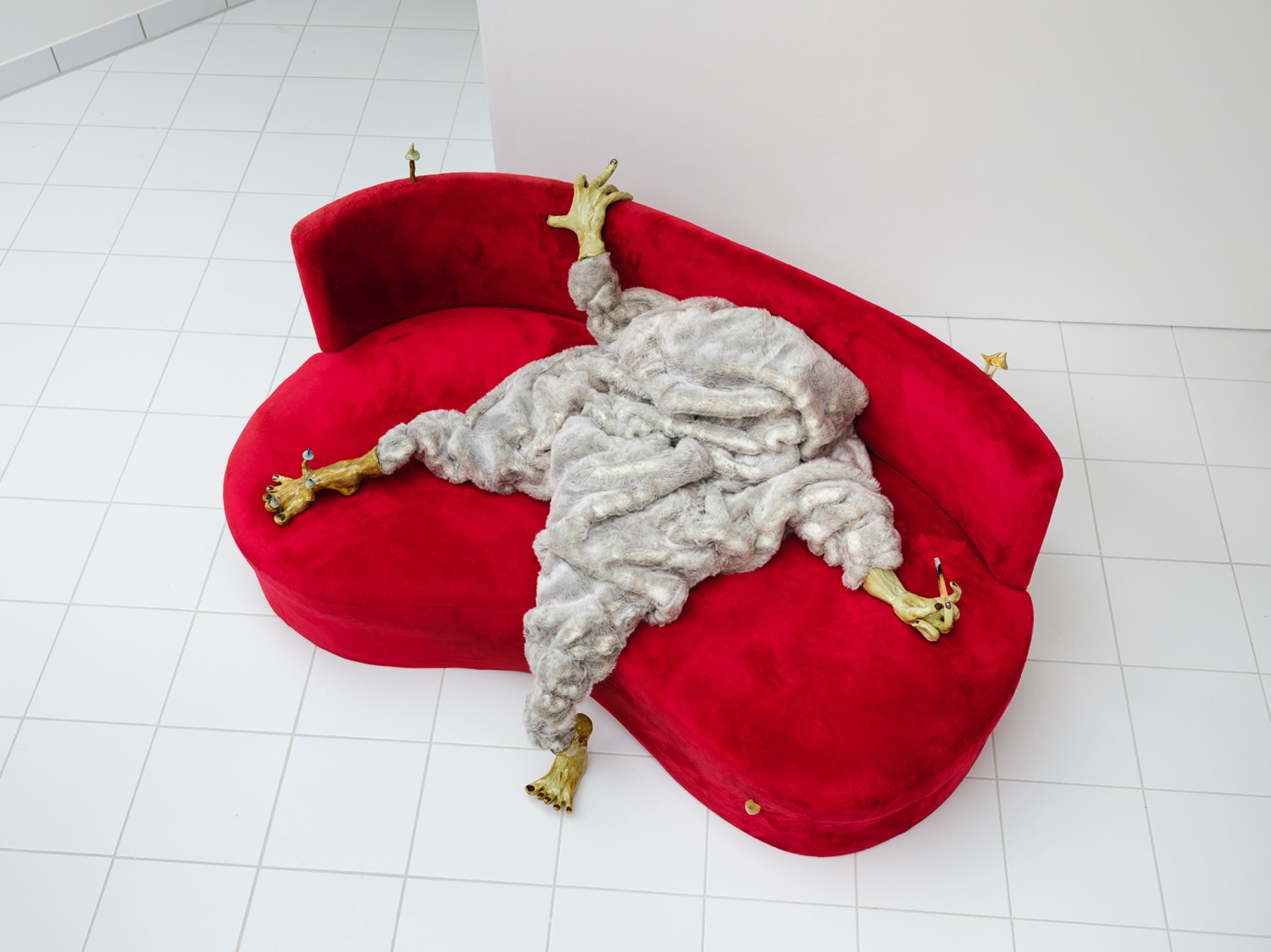
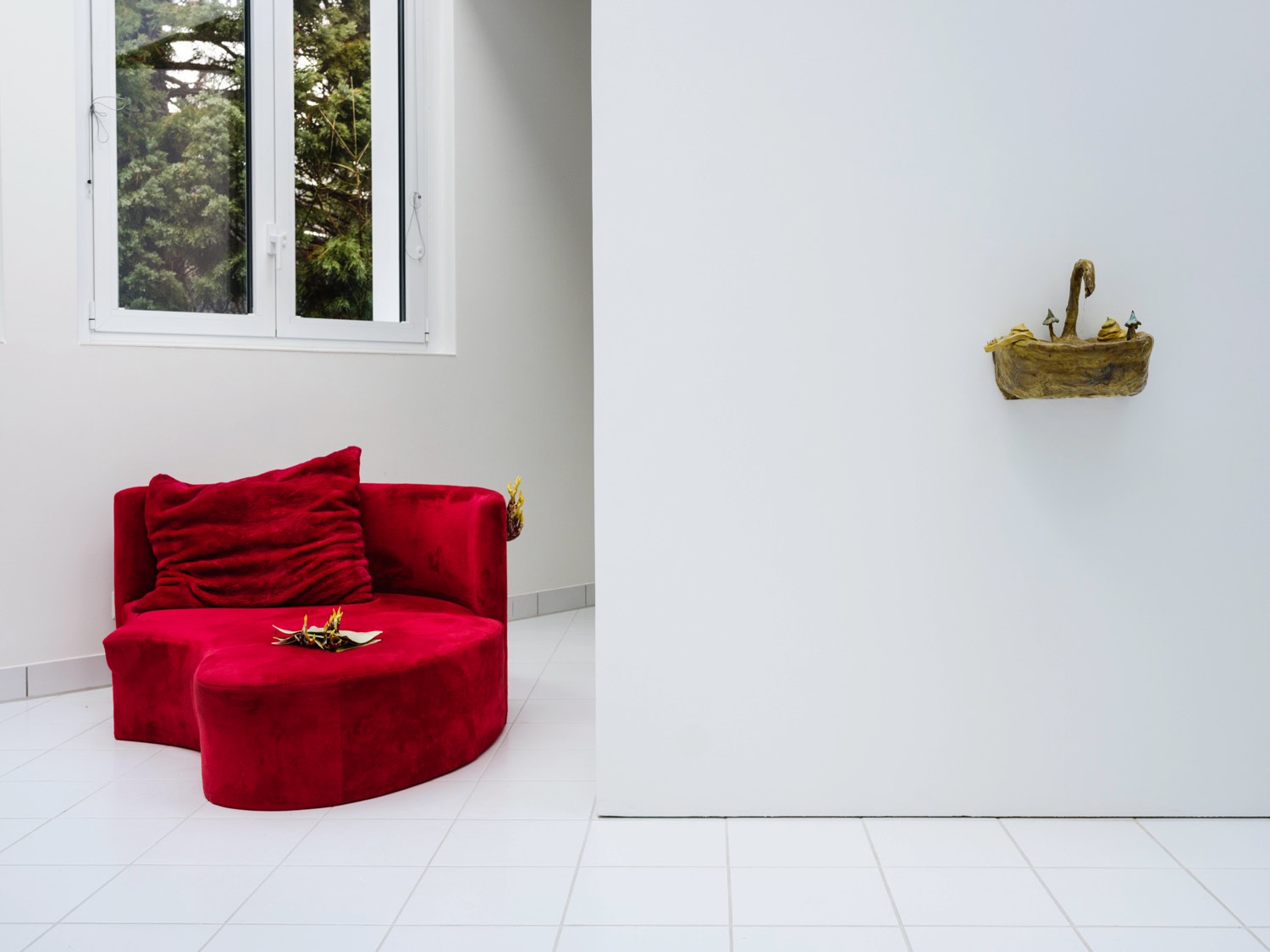
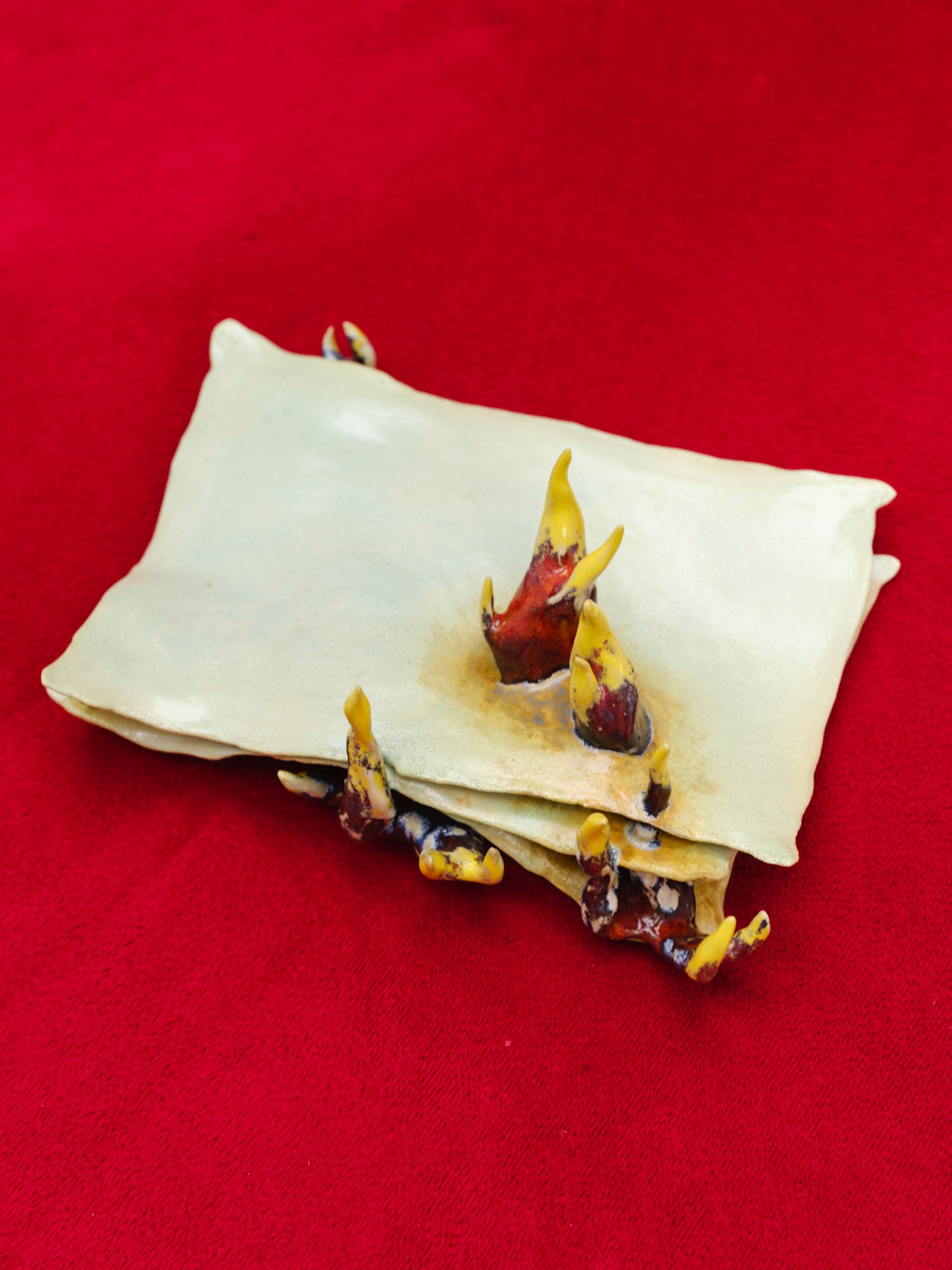
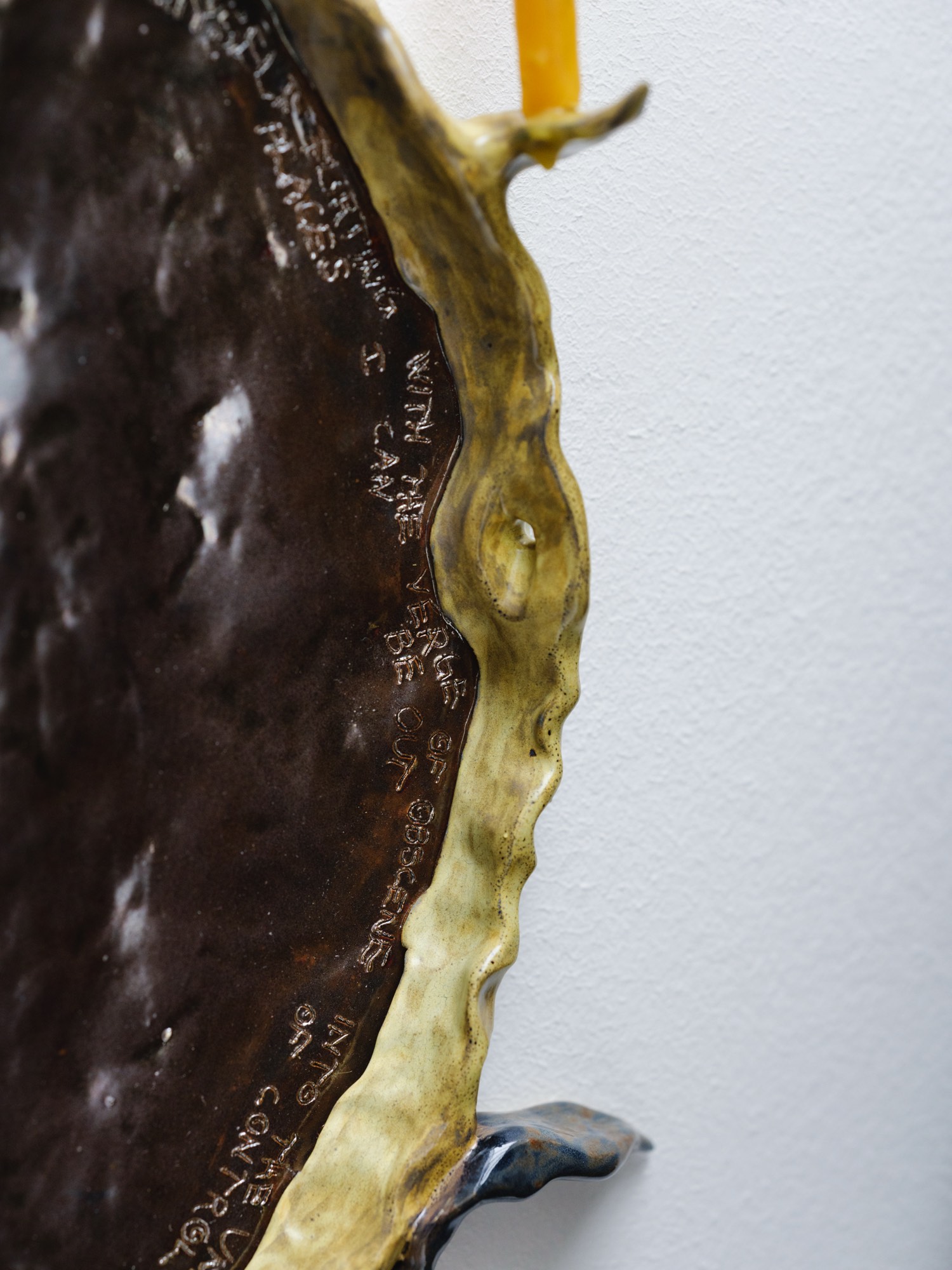
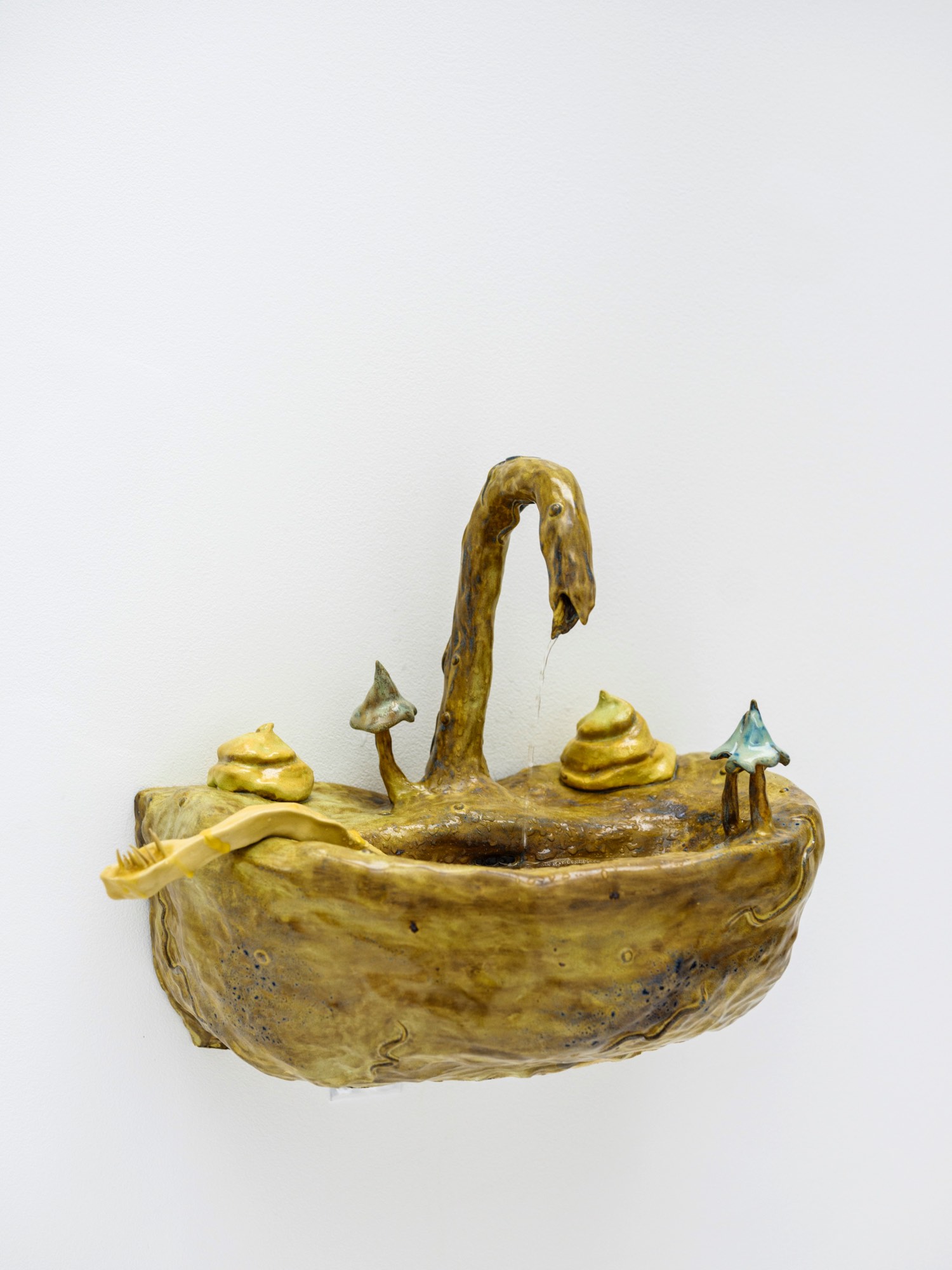
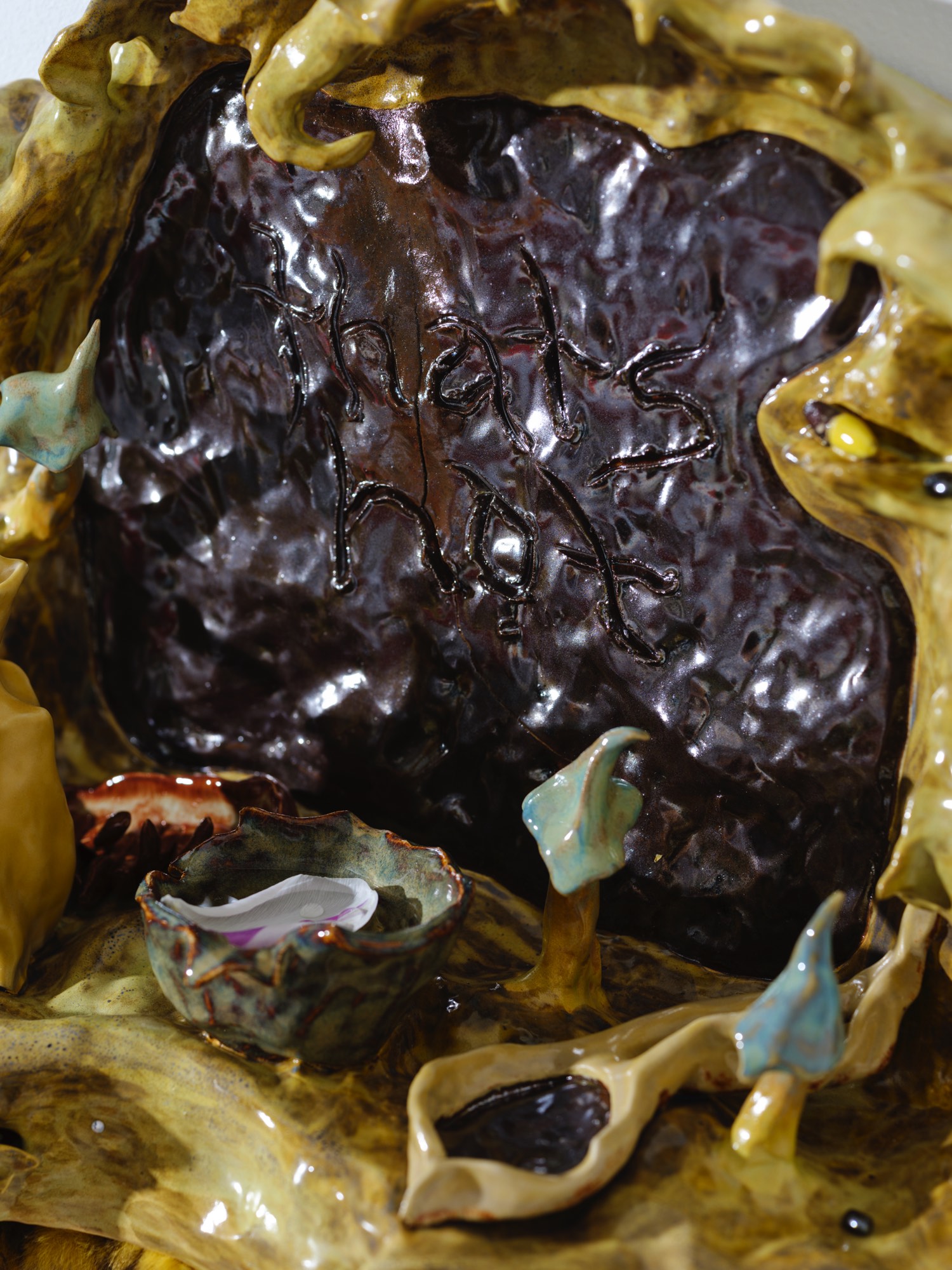
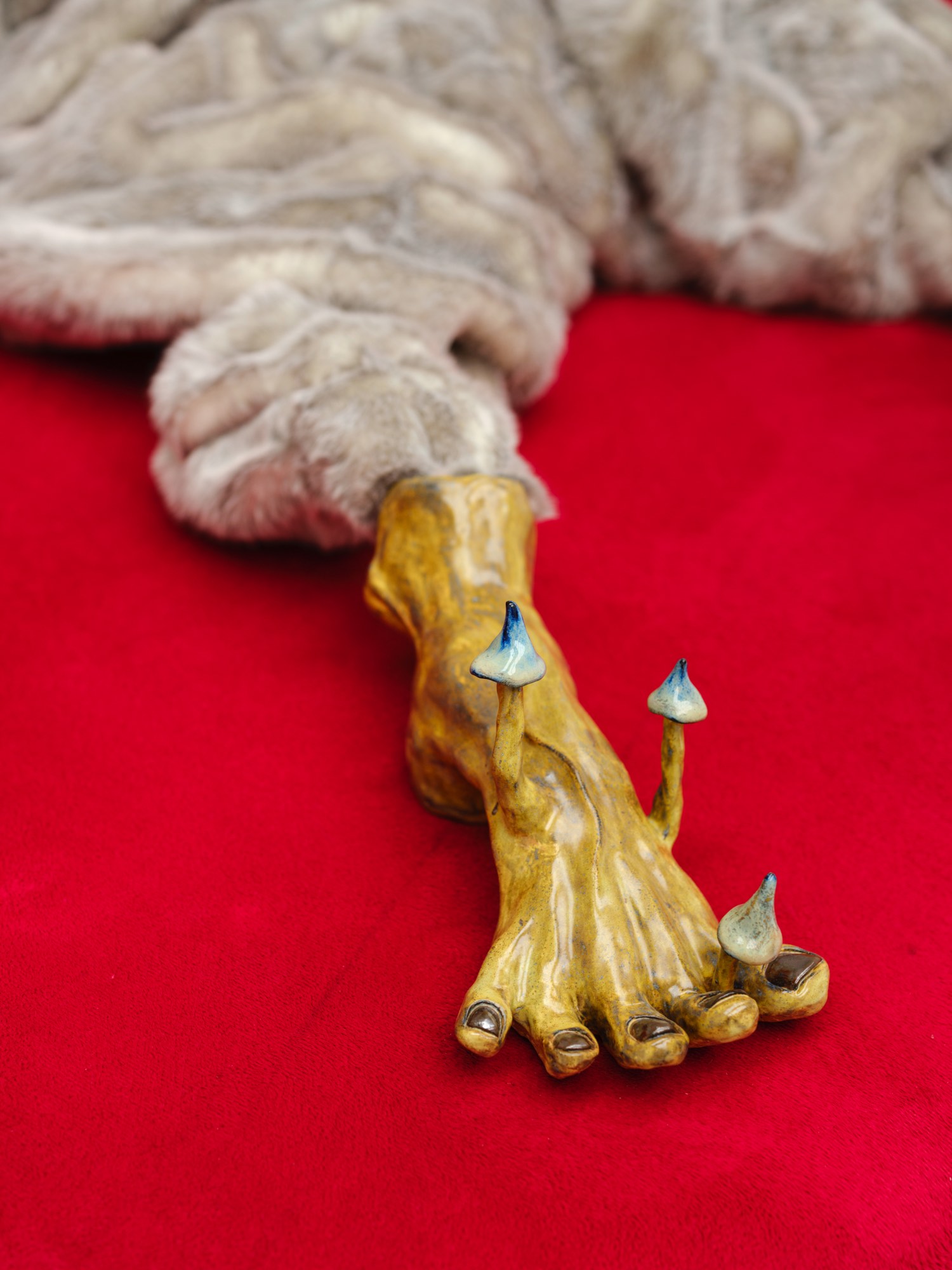
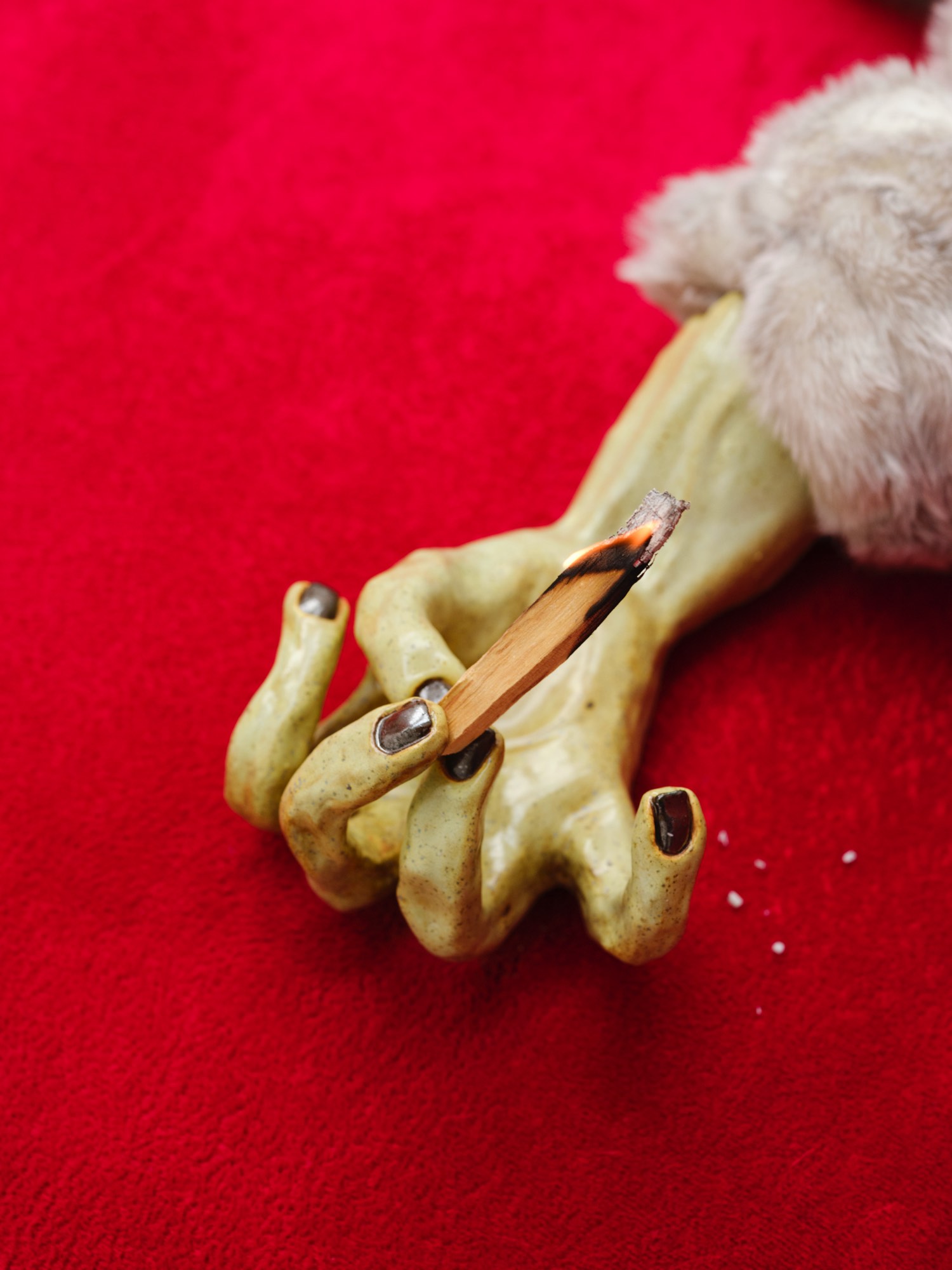
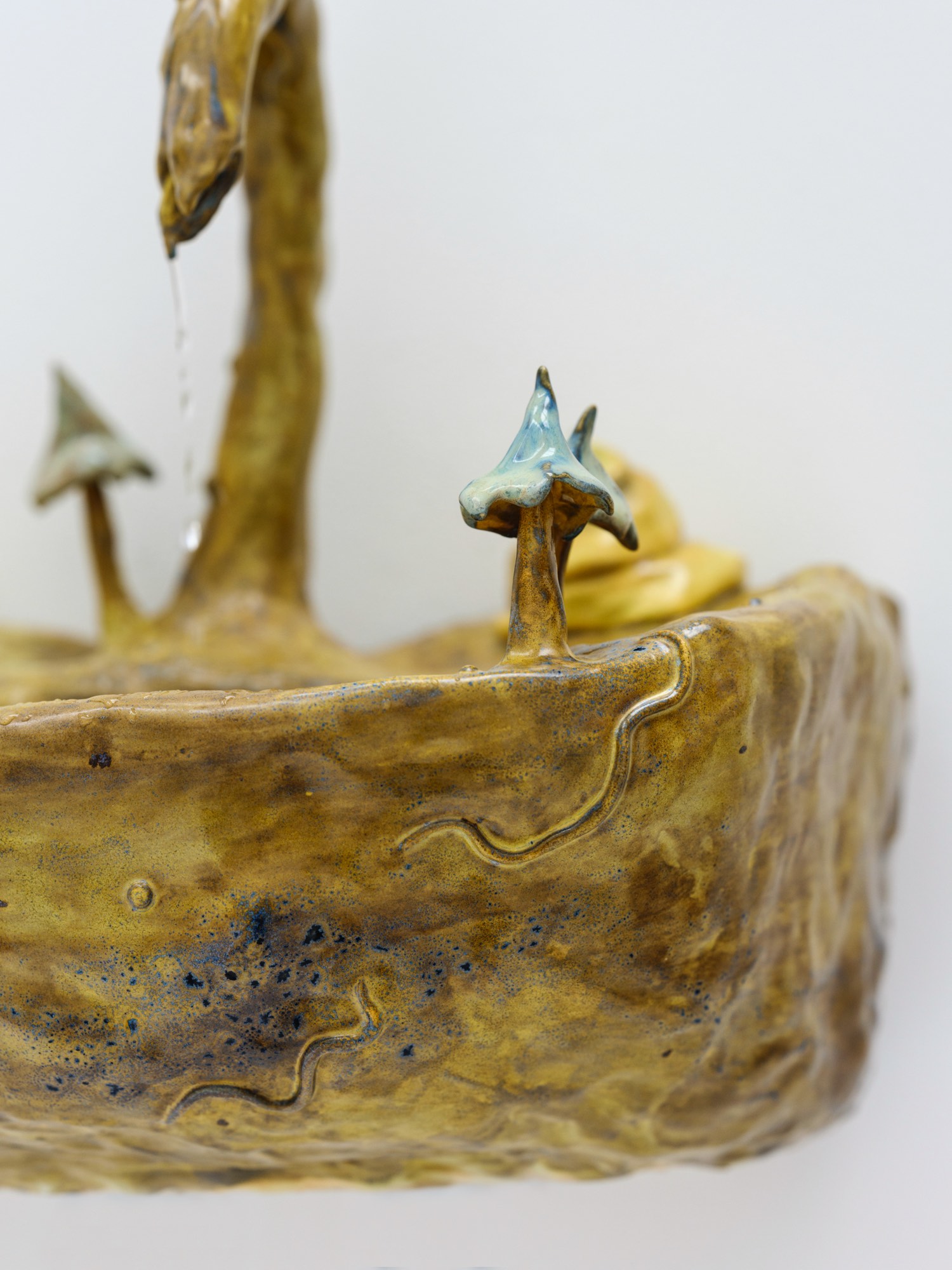
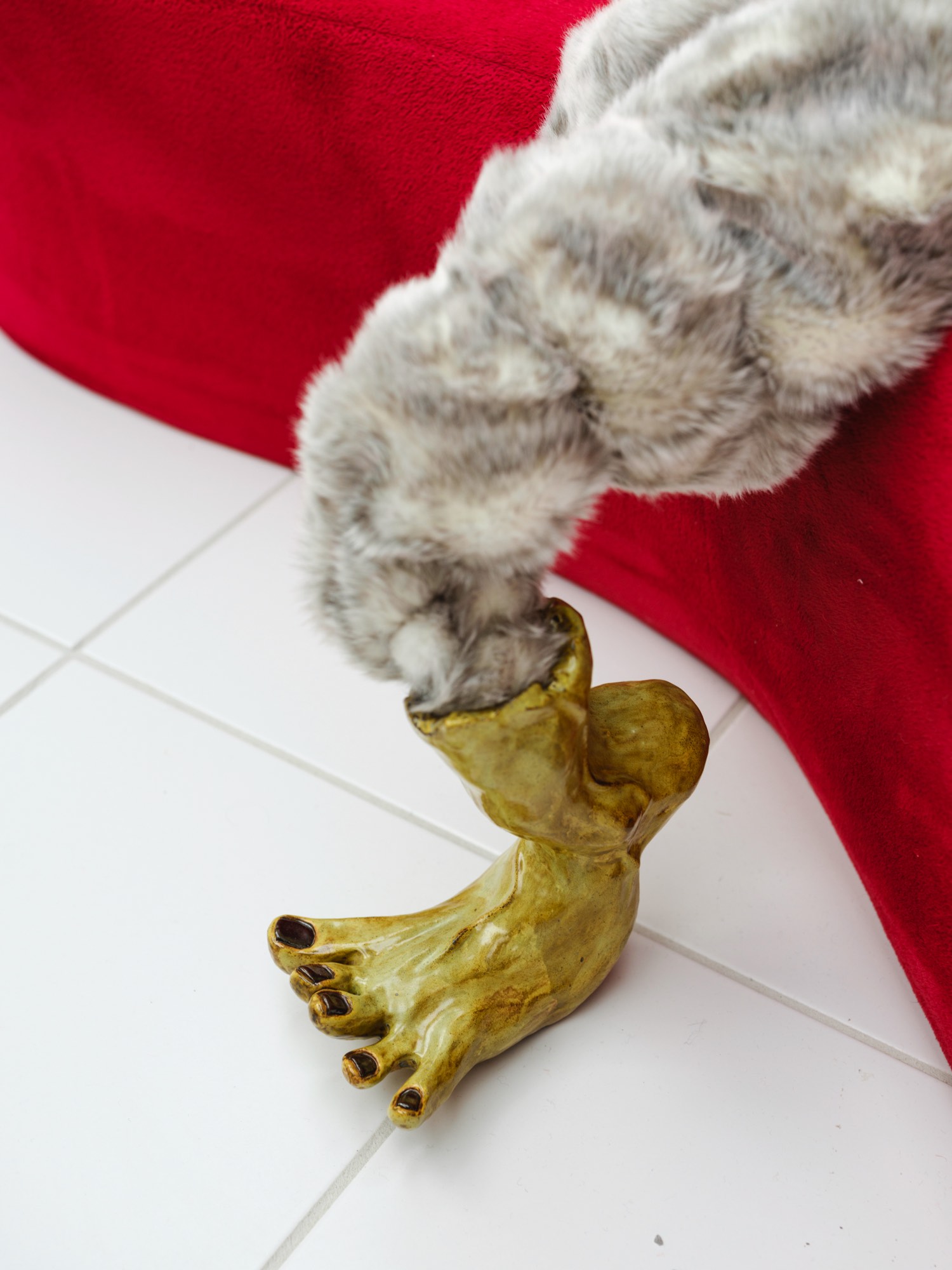
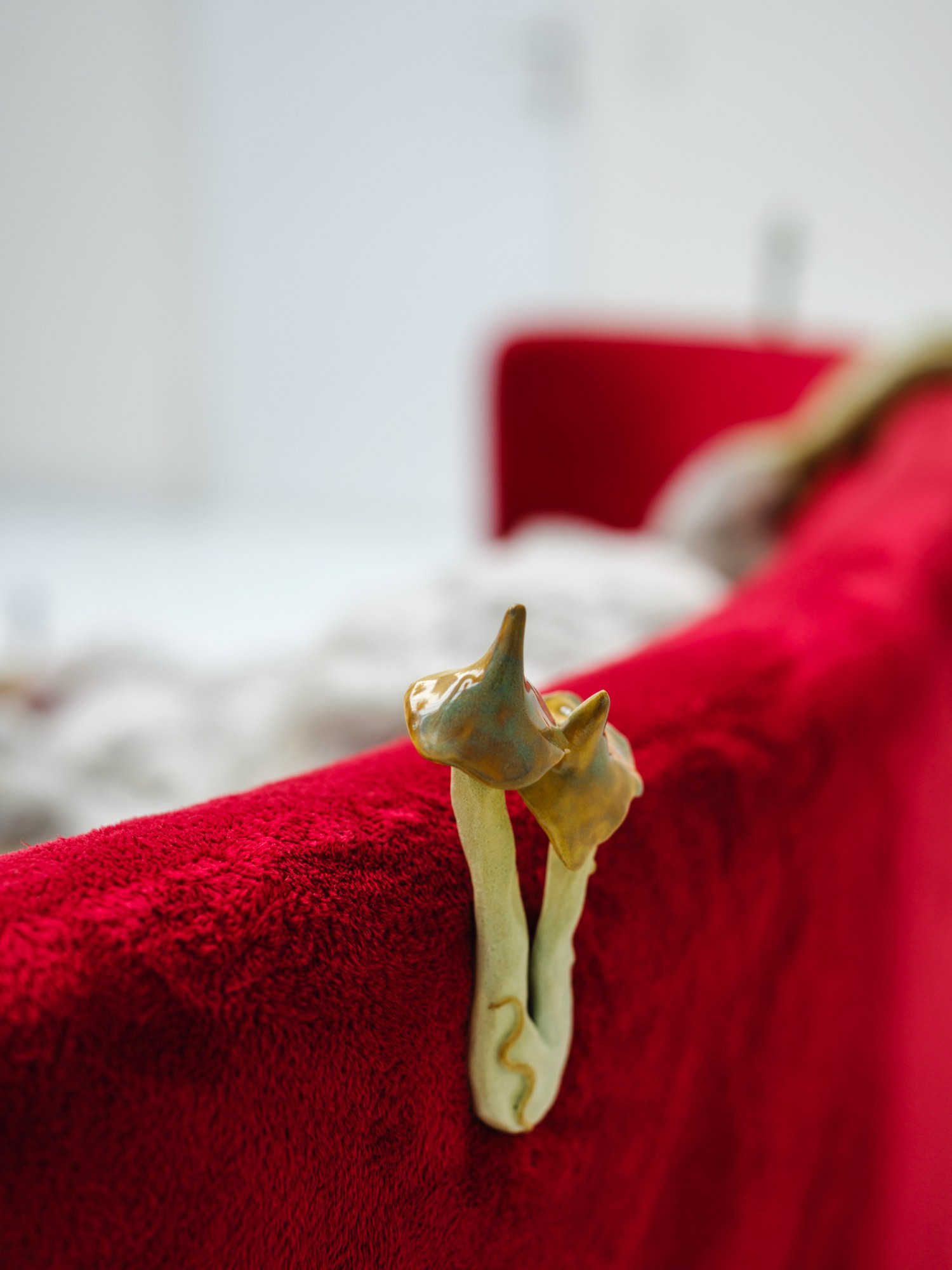
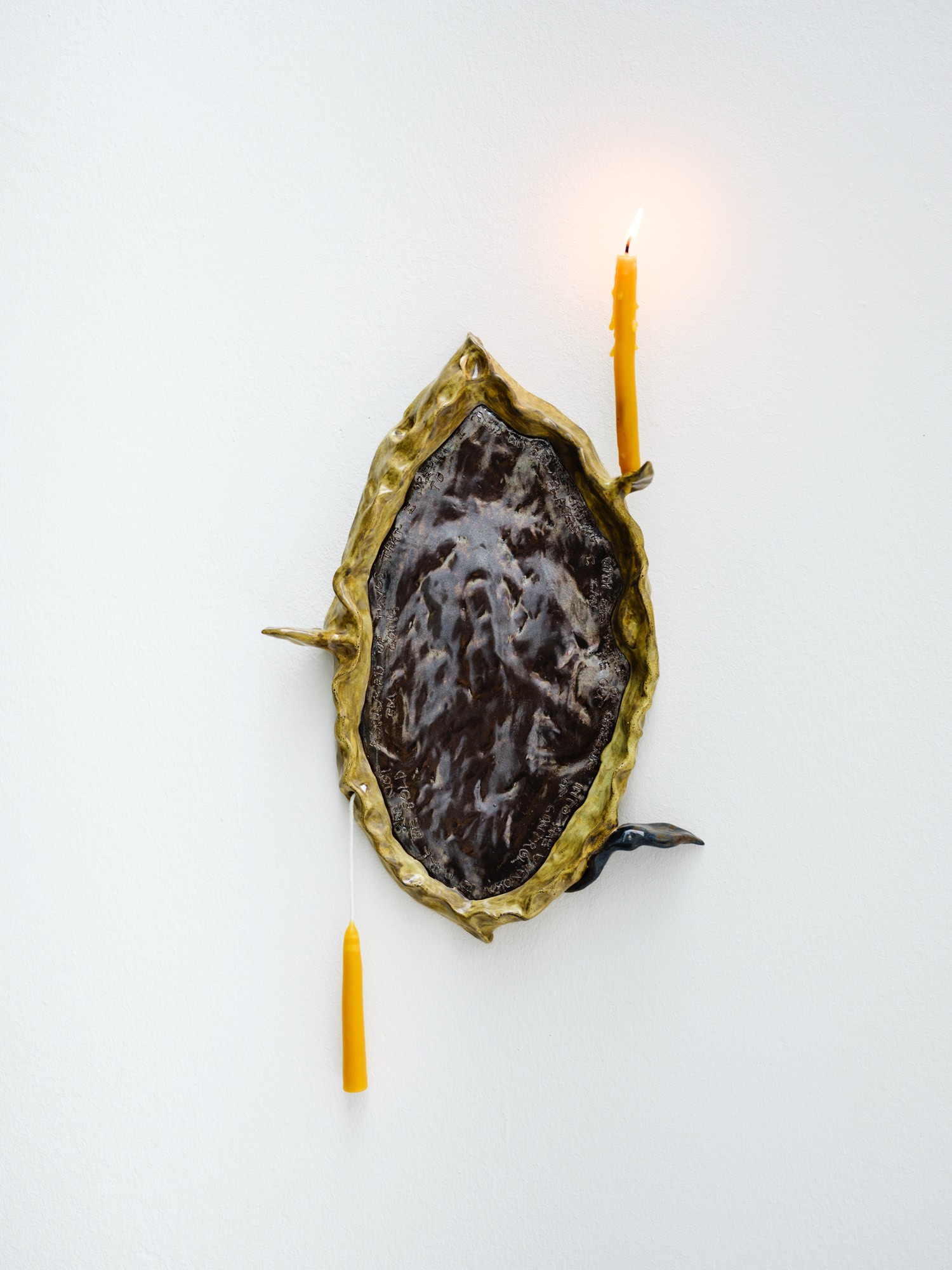
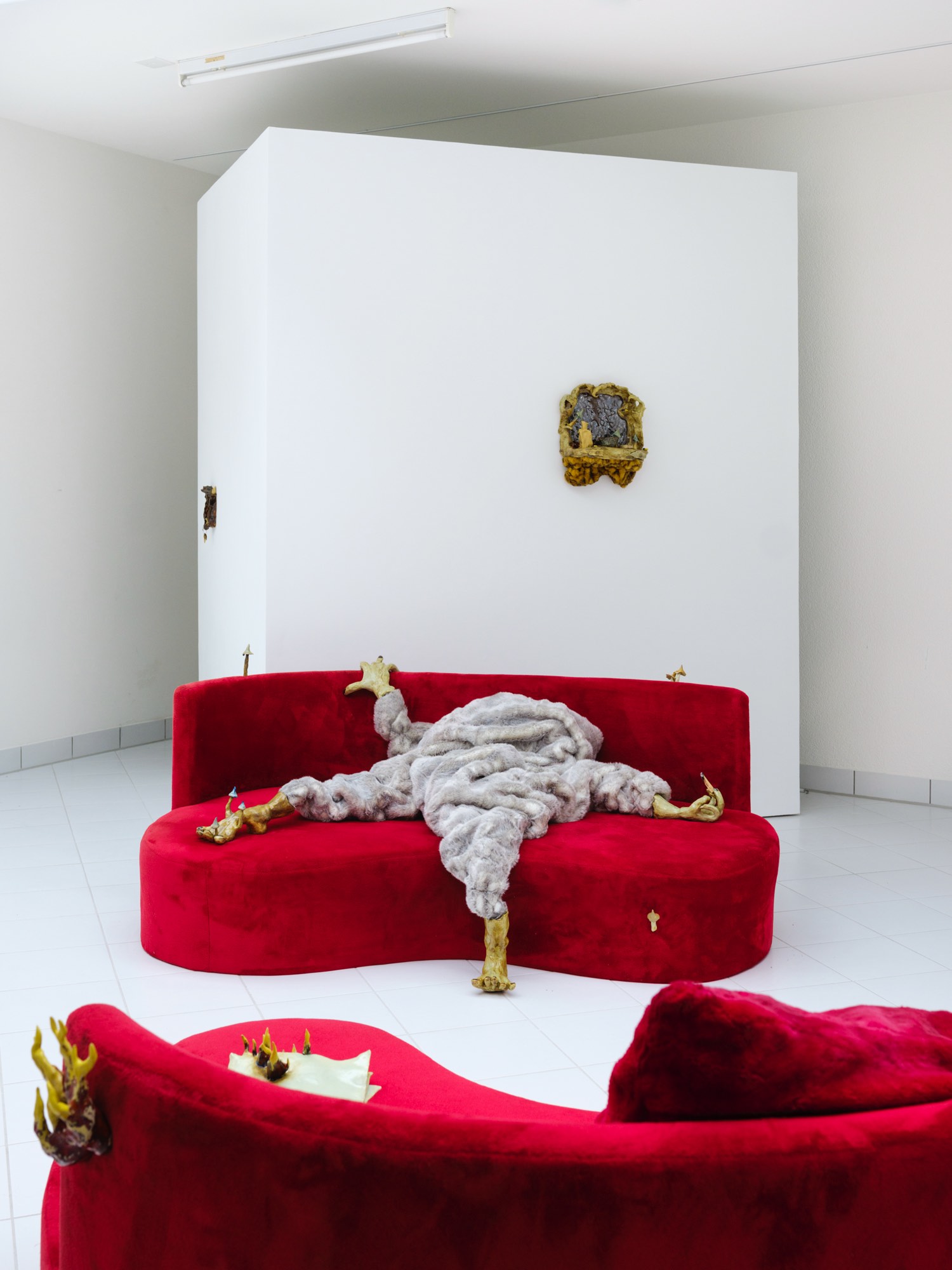
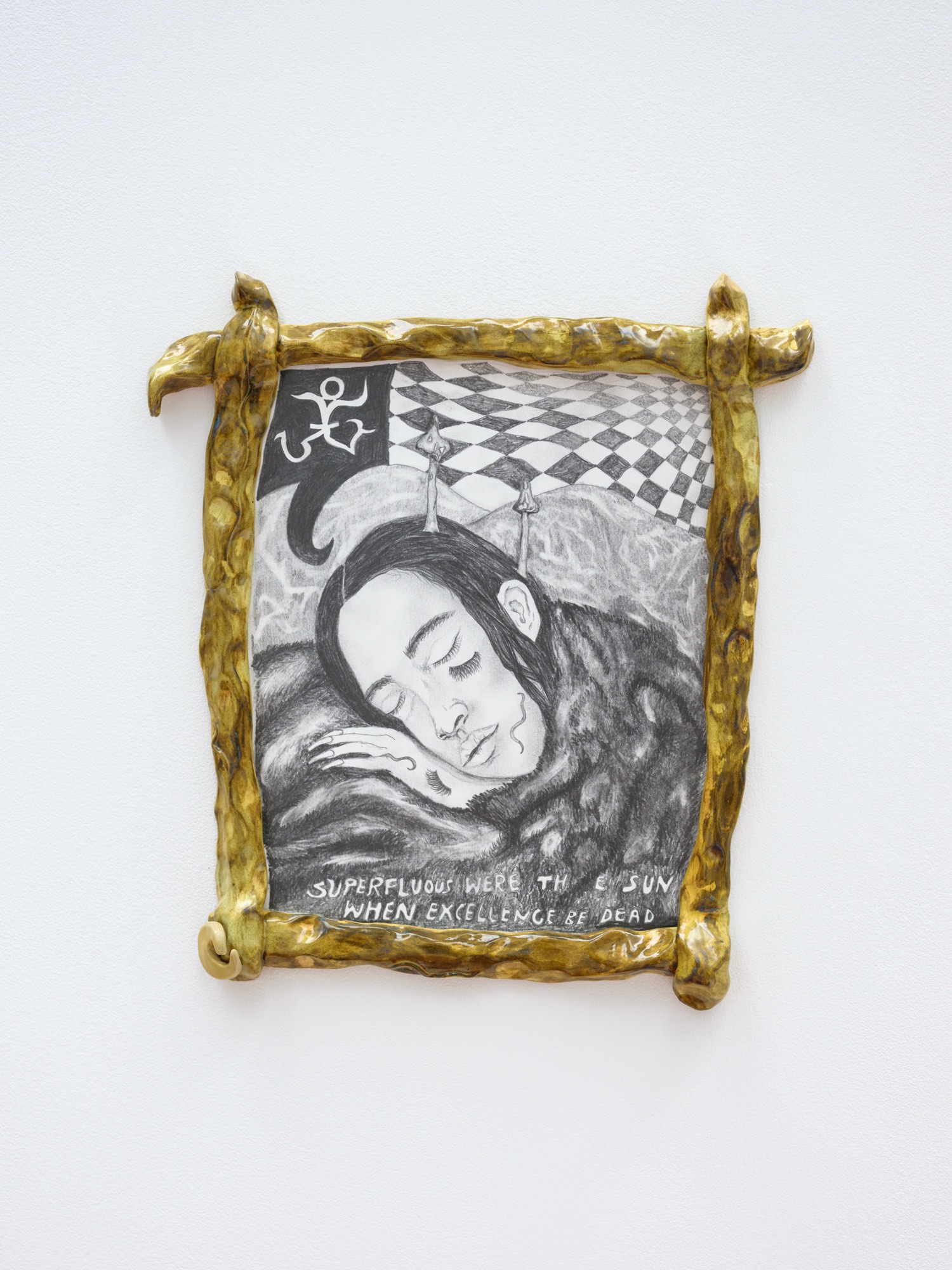
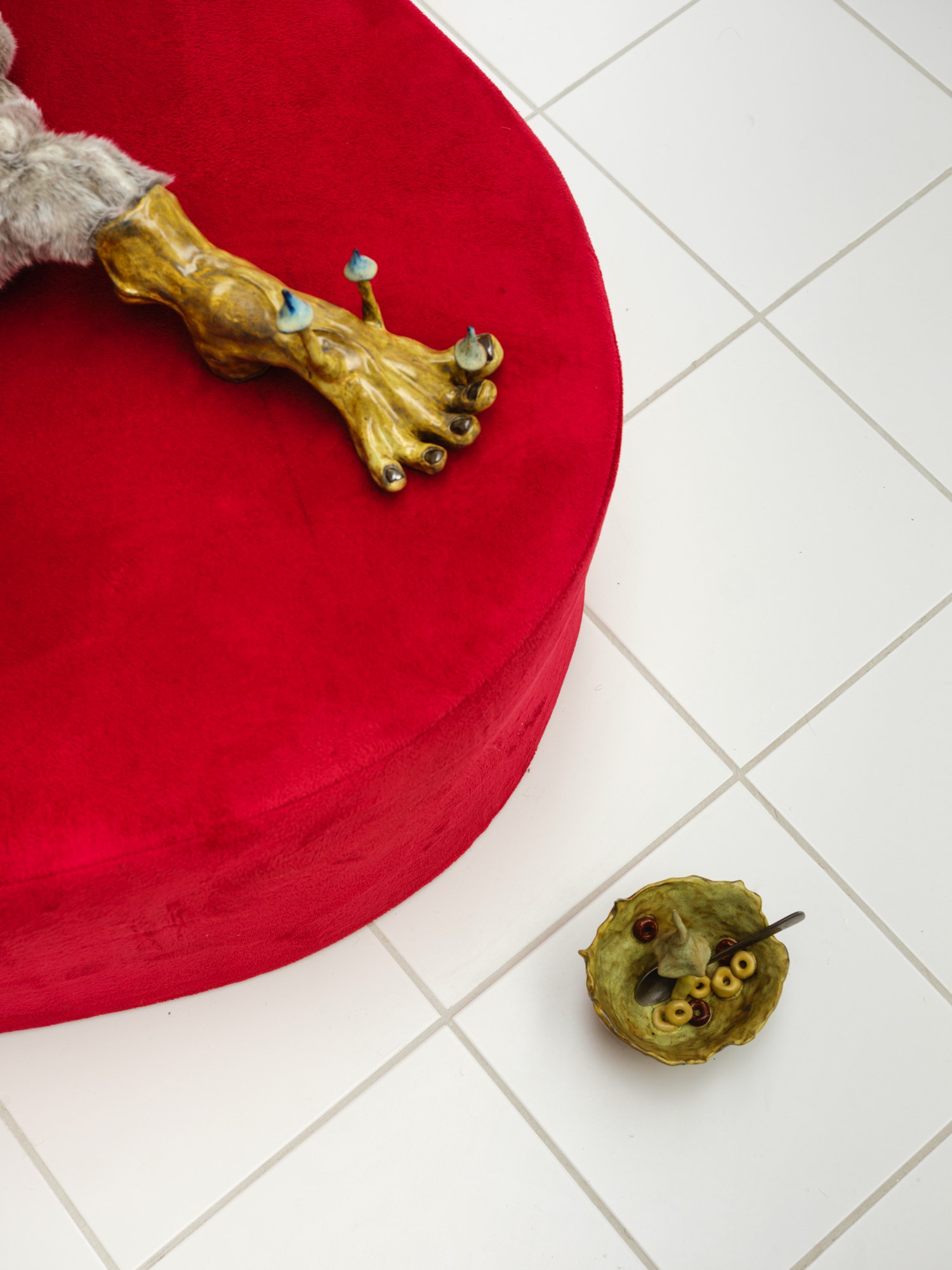
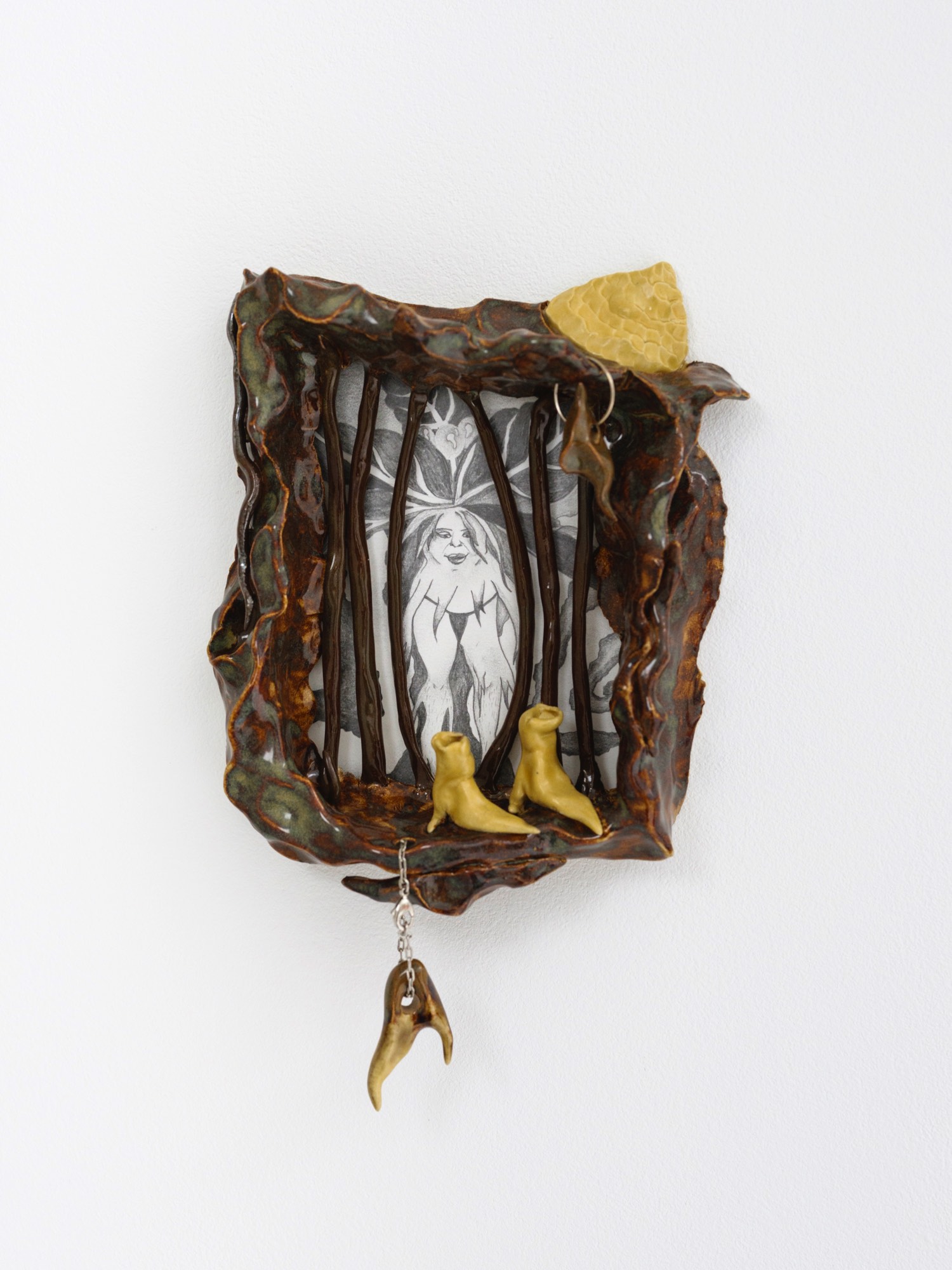
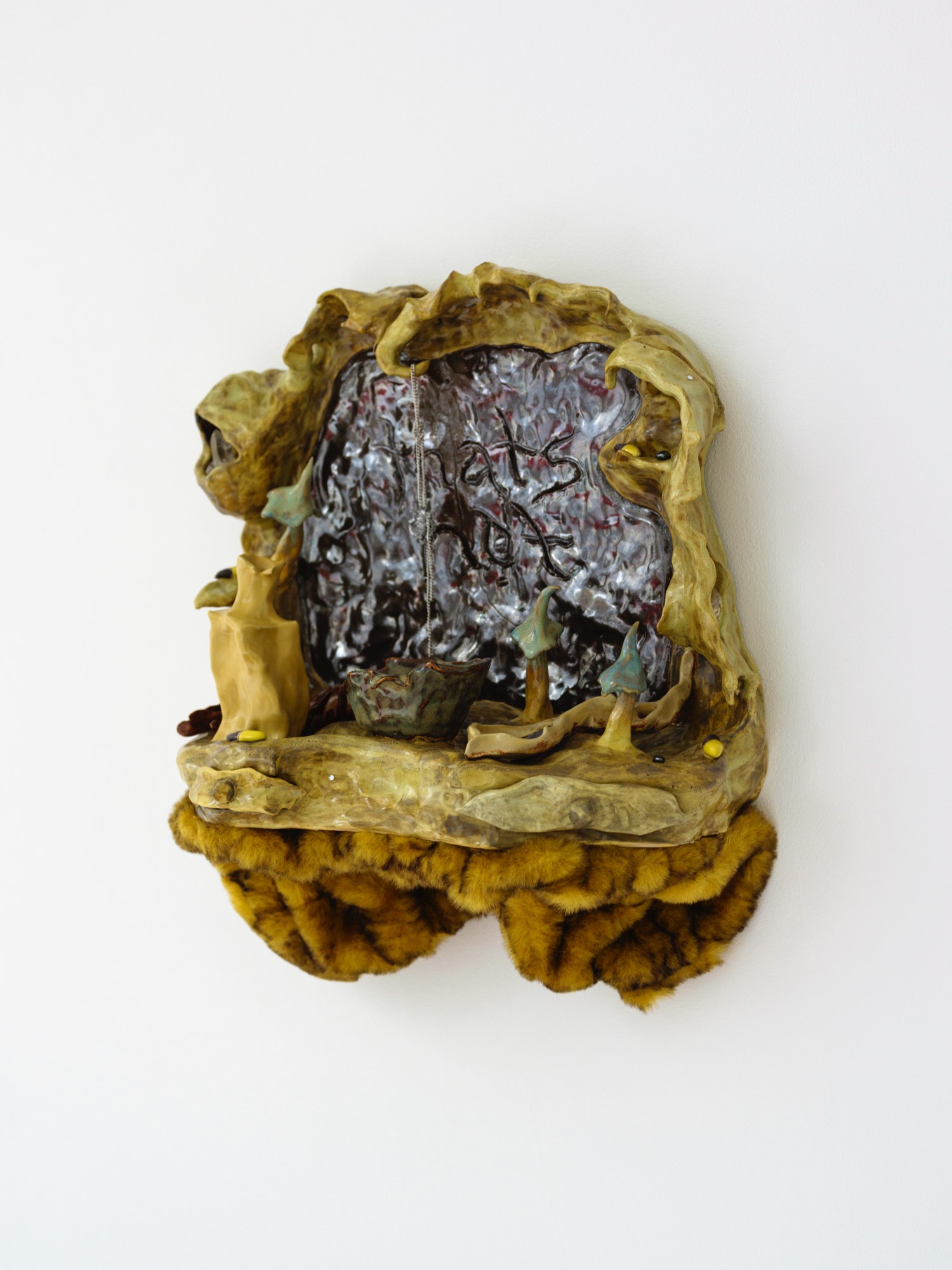
Connected but never welded, growing together What should be disgusting is familiar Sweet diminutive individual, Praised, needed & malleable explosive
Is it The Touch of My Hand or the rotisserie itself portraying heavy hairy gates To kinda ~ Hell ~
Random and important, Sexy and not so frightening,
…in a planetary common field Depends on your lense
Plugging an organ here and there In a dangerous, thorny and shapeable soil Inside you, around you, fucking you, Where the detached observer is indeed a biosphere
Everytime We Touch, There is no self interest in the Inaccessible to view – that’s a lie. Uptake there is. How twisted otherwise
Here, have a chair, and please, Feel very welcome in our oxidized niche
Pauline Coquart
Photo credits : Philip Frowein (@philipfrowein)
Maya Hottarek lives and works in Biel/Bienne Switzerland. Hottarek previous exhibitions include, Kunsthalle, Basel, CH (2020); Public art Biennale, Morcote, CH (2020); Burrial of the white man, with Exile gallery, Vienna, AUT (2020); Sattelkammer, Bern, CH (2019); Sonnenstube, Lugano, CH (2019); Ballostar Mobile, Bern, CH (2019); Testdrive, Nicosia, Cyprus (2018); Documenta 14, Kassel, GER (2017); Kunsthalle, Bern, CH (2017); Kunsthaus Langenthal, CH (2017).
Xénia Lucie Laffely est une artiste et designer Suisse (née à Morges) résidant entre Lausanne et Montréal. Après avoir fait des études en lettres, en francais et en histoire de l’art (2009), elle suit un cursus bachelor en design de mode et textile à la HEAD-Genève. Son travail de diplôme, une collection pour homme caractérisée par le travail d’imprimés, est saluée par le prix d’excellence Hans Wilsdorf. En 2013, elle est sélectionnée comme finaliste au Festival international de mode et de photographie de la ville de Hyères (2012) ainsi que comme semi-finaliste pour le prix H&M et pour le prix Suisse de Design. Elle part plusieurs mois à Londres puis à New York afin d’y effectuer des stages aus sein du département broderie et imprimé de plusieurs maisons de mode. En 2014, de retour en Suisse, elle travaille comme designer indépendante.
Recevant l’une des bourses culturelles de la Fondation Leenaards en 2016, elle complète un Master en Design mode et textile à la HEAD-Genève et obtient sa maîtrise avec mention en 2018. Mais dès sa première exposition personnelle à la Villa Noailles à Hyères en 2018, elle se dirige naturellement vers une pratique artistique protéiforme et vers un travail textile qui questionne les frontières et les hiérarchies entre art, design et artisanat. En 2019, après avoir obtenu l’un des Swiss Design Awards pour son projet de couvertures textiles pour féministes fatiguées, elle décide de partir à Montréal pour y suivre un certificat en études féministes à l’UQAM à Montréal (2019). L’artiste décide ensuite de prolonger son séjour au Québec et a pour ambition d’exporter son travail artistique en Amérique du Nord.
Depuis 2018, Xénia Lucie Laffely expose son travail lors d’exposition solo et collectives à Genève, Zurich, Lausanne, ainsi qu’en France, en Italie et au Canada. Ses oeuvres font parties de plusieurs collections privées d’art et de la collection du MUDAC à Lausanne. En 2020, et malgré les circonstances exceptionnelles dues à la pandémie, l’artiste poursuit son projet d’exporter son travail à l’internationale. Cette même année, elle est finaliste des Swiss Arts Awards (édition sans lauréat·e·s, annulée en raison de la COVID-19). En 2021, elle participe à deux expositions collectives à Montréal (Centre Clark) et à Toronto (Mayten’s), et se rendra à Vienne pour une exposition en duo avec l’artiste Autrichienne Suzanna Flock, en Suisse pour deux expositons solo (Valentin 61 & Eeeeh!) ainsi qu’à Rotterdam pour une exposition collective de réalité virtuelle avec le collectif Morph Love. En 2022, elle partira 3 mois en Terre-Neuve (Canada) pour une résidence artistique suivie d’une exposition solo au sein de la galerie Eastern Edge à St-John’s.
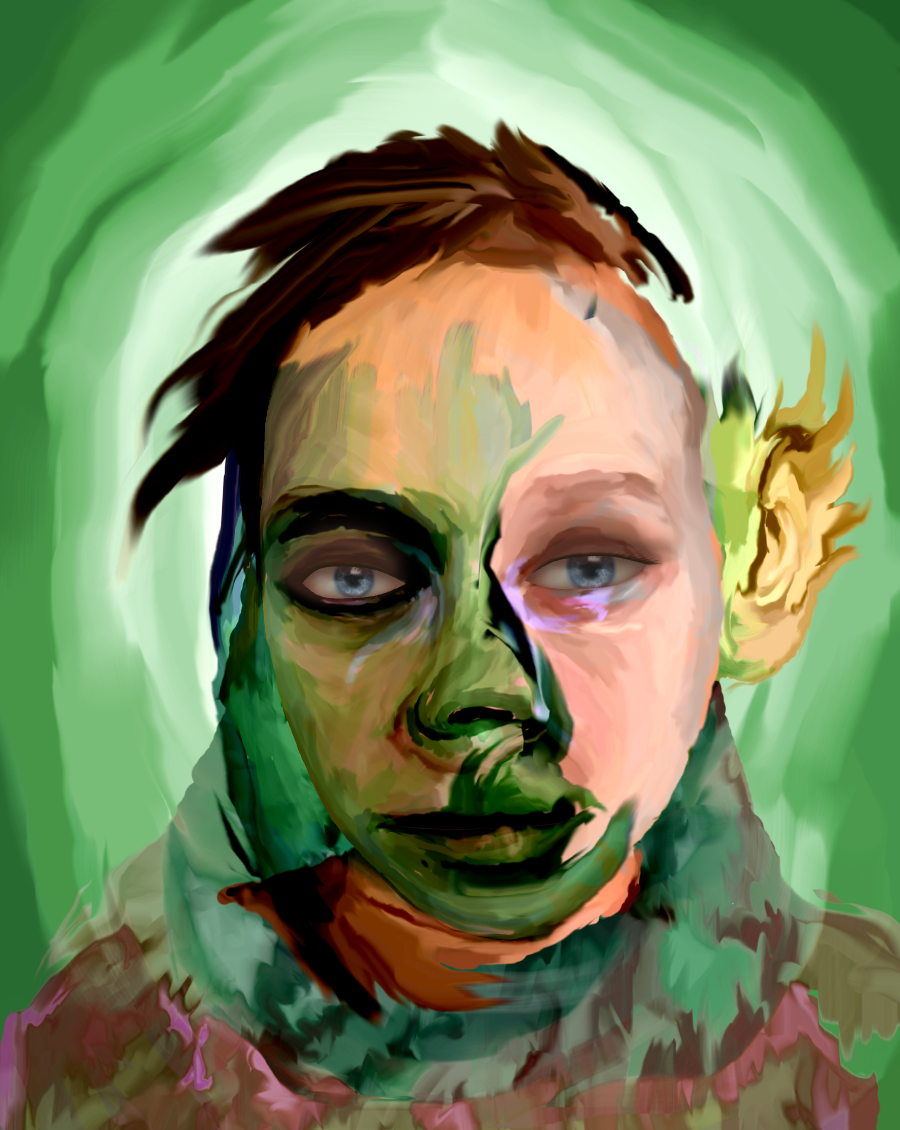
Depuis 2012, mon travail a évolué vers une pratique artistique protéiforme qui questionne les frontières et hiérarchies et dresse des ponts entre l’art, le design et l’artisanat. À travers une pratique figurative influencée par une esthétique post-digitale, photoshopée mais traversée d’irrégularités, j’explore les enjeux du portrait et de l’auto-portrait, de la vieillesse, de l’espace domestique et de l’ornementation. Je développe une réappropriation subjective et sentimentale d’une épistémologie personnelle qui évoquent la politisation de l’espace domestique, suggèrent la possibilité d’un rapport sensuel entre le corps et l’image et affirme une prise de position ornementale comme légitime.
Peintures auto-fictionnelles
Les peintures digitales à l’origine de mes œuvres textiles se veulent à la fois narratives, familières et dérangeantes. Majoritairement inspirées par des photographies de mon quotidien, de mon amoureuXe, de notre chien et de la culture digitale des réseaux sociaux, elles questionnent les frontières du portrait, de la nature-morte ainsi que de l’auto-fiction. En associant des images de ma vie à des références à la culture pop , un récit se forme en pointillé à la manière d’un patchwork qui dessine une histoire faite d’ellipse.
Textile
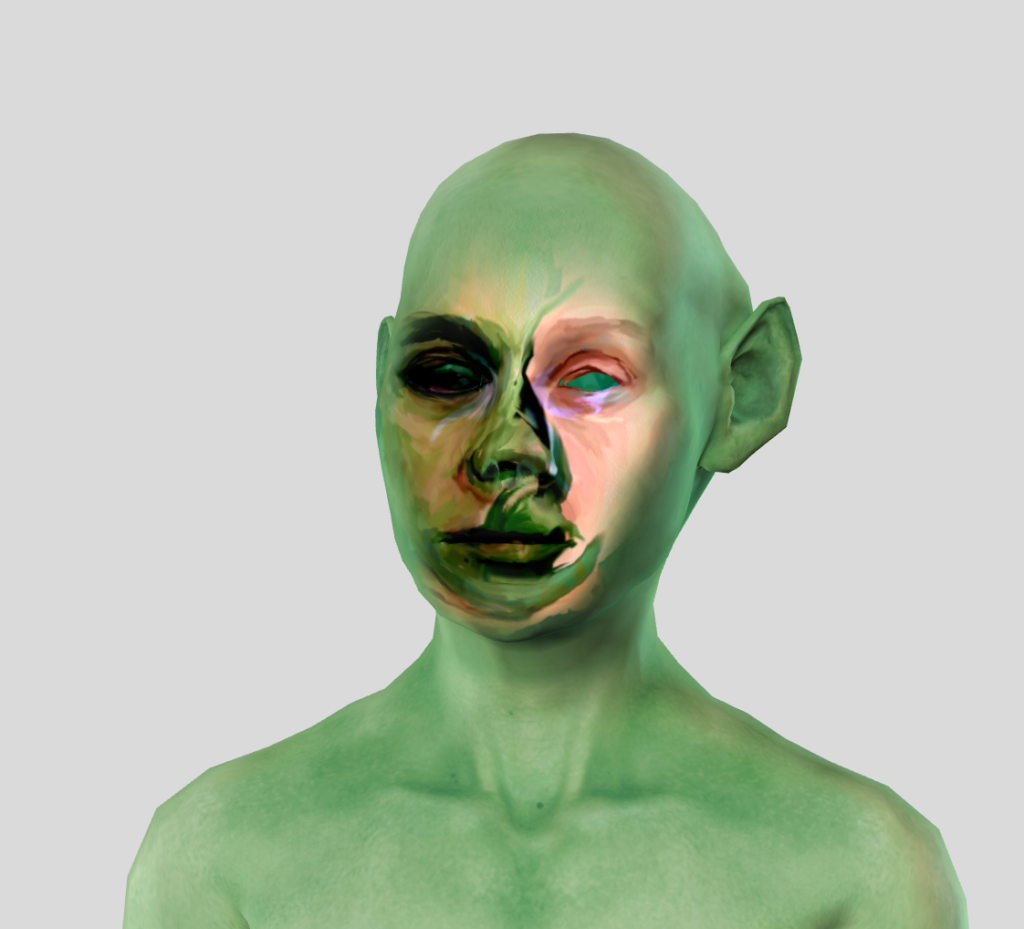
Depuis maintenant 2 ans, je me concentre principalement sur la création d’œuvres textiles tirées de peintures digitales. Réalisées sur photoshop, j’imprime ensuite ces peintures sur différents textiles avant de les assembler et de les retravailler à travers un mélange de techniques empruntées à l’artisanat tel que le matelassage et la broderie. Il m’importe de participer à revaloriser le medium textile et à le libérer des stéréotypes sexistes et ethnocentristes qui lui sont encore associés. Ma démarche est caractérisée par une fusion entre techniques digitales et savoir-faire traditionnels et par de constants allers-retours entre la main et la machine. En effet, à travers mon processus artistique j’affirme qu’il ne peut y avoir de ligne de démarcation claire entre le monde «analogue» et «numérique» et que la zone grise entre les deux permet une multitude de possibilités.
Matérialité digitale
La dimension plastique et matérielle de mon approche est essentielle et se place à l’encontre de la hiérarchie concept > matière tout en intégrant des considérations propres à notre époque digitalisée. En partant de peintures que je réalise sur photoshop, j’interviens ensuite en réinjectant un excès de matière dans ces images digitales. Mes dernières œuvres reproduisent plastiquement le principe des « calques photoshop » à travers la superposition de tissus transparents imprimés qui participent à créer des images hybrides et faussement réalistes. Je questionne la matérialité même des images et leur artificialité en intégrant des éléments caractéristiques de photoshop tels que les pixels du « vide » de photoshop, symbole de l’immatérialité digitale par excellence puisque ceux-ci ne sont visibles que sur photoshop. En les capturant et en les utilisant comme motif, je l’extrais du monde digital et l’insère dans notre monde physique. Je joue aussi avec la potentialité sérielle des images digitales en créant des pièces textiles uniques tirées d’une même peinture digitale. Alors qu’elle pourrait être reproduite à l’infini, sa physicalité agit comme un facteur d’altération et d’aliénation de l’identique. – XLL
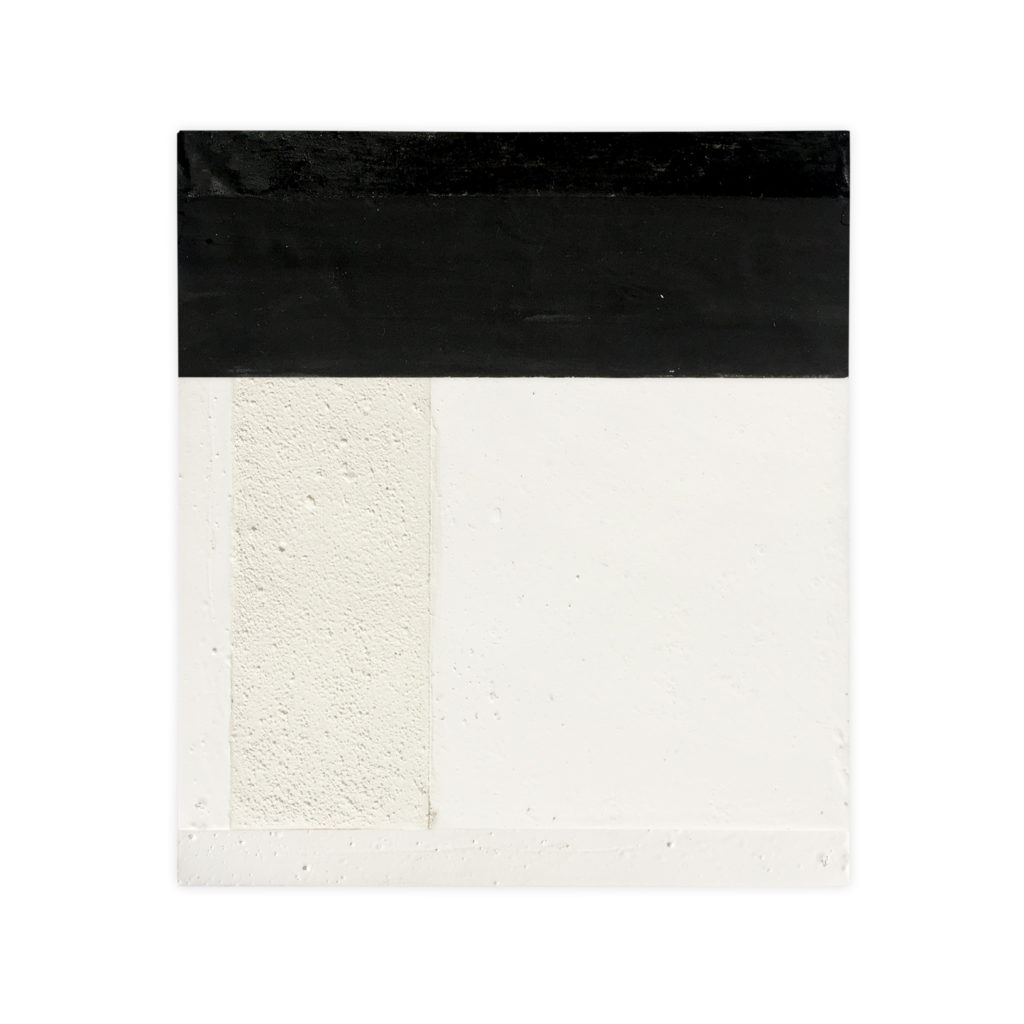
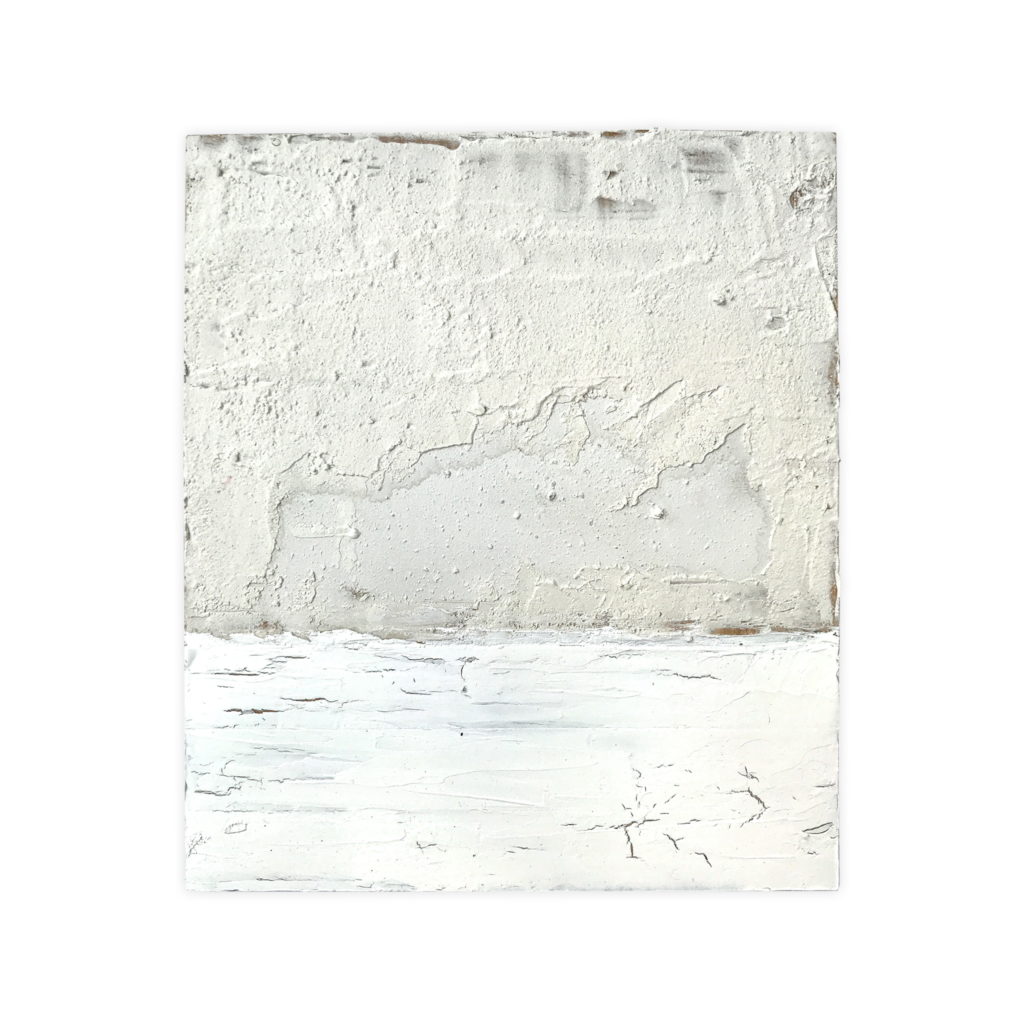
Danijela Gruban is a contemporary artist from Republic of Srpska, she was born in 1998. She is currently studying at the Academy of Arts in Novi Sad (Serbia), at the Department of Fine Arts. She actively participates in exhibitions, projects and art colonies. She directs her creativity towards the study of minimalistic compositions. Her main specialty is in traditional and digital painting developing a clean designed aesthetic based on experience from graphic printmaking.
Entropy in symbiosis with contemporary society
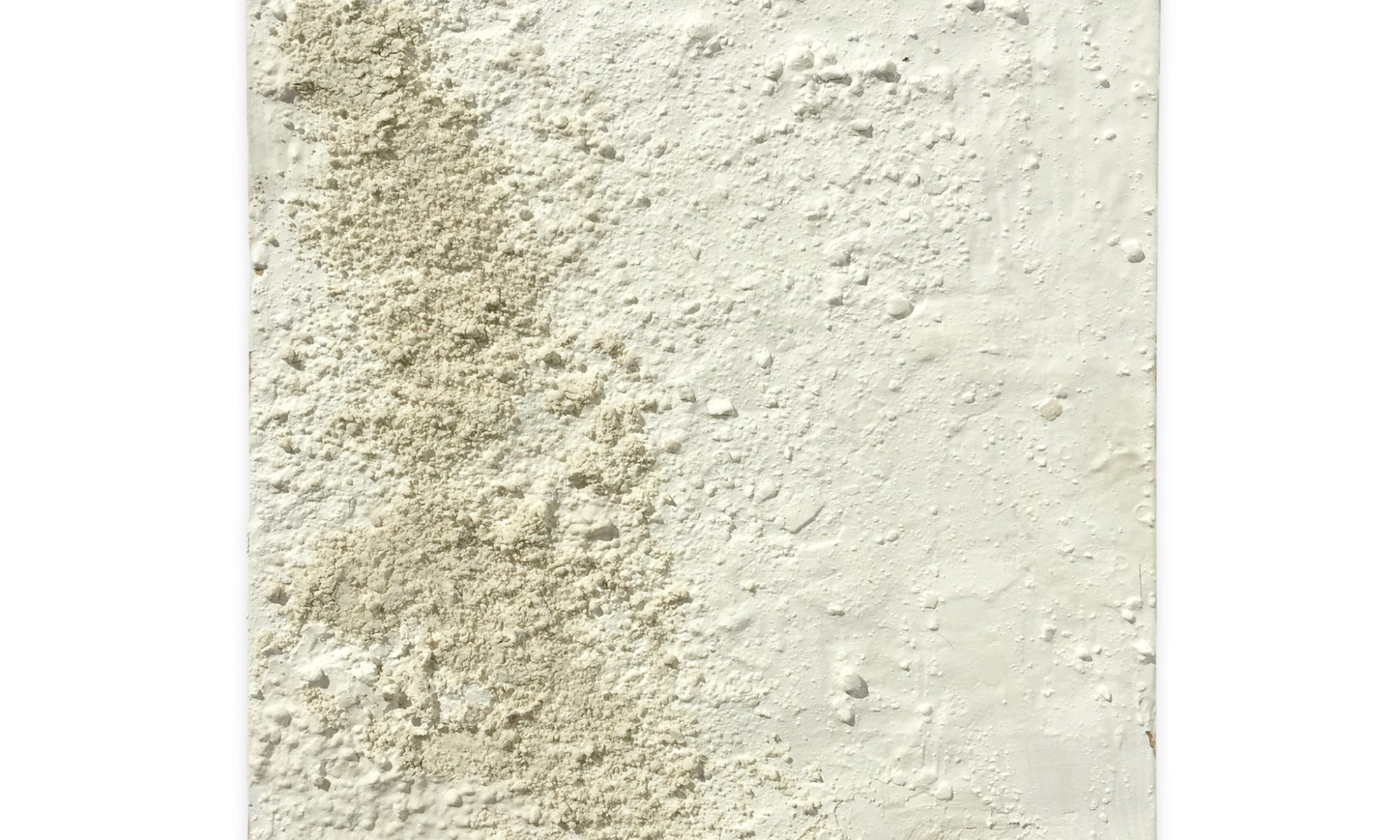
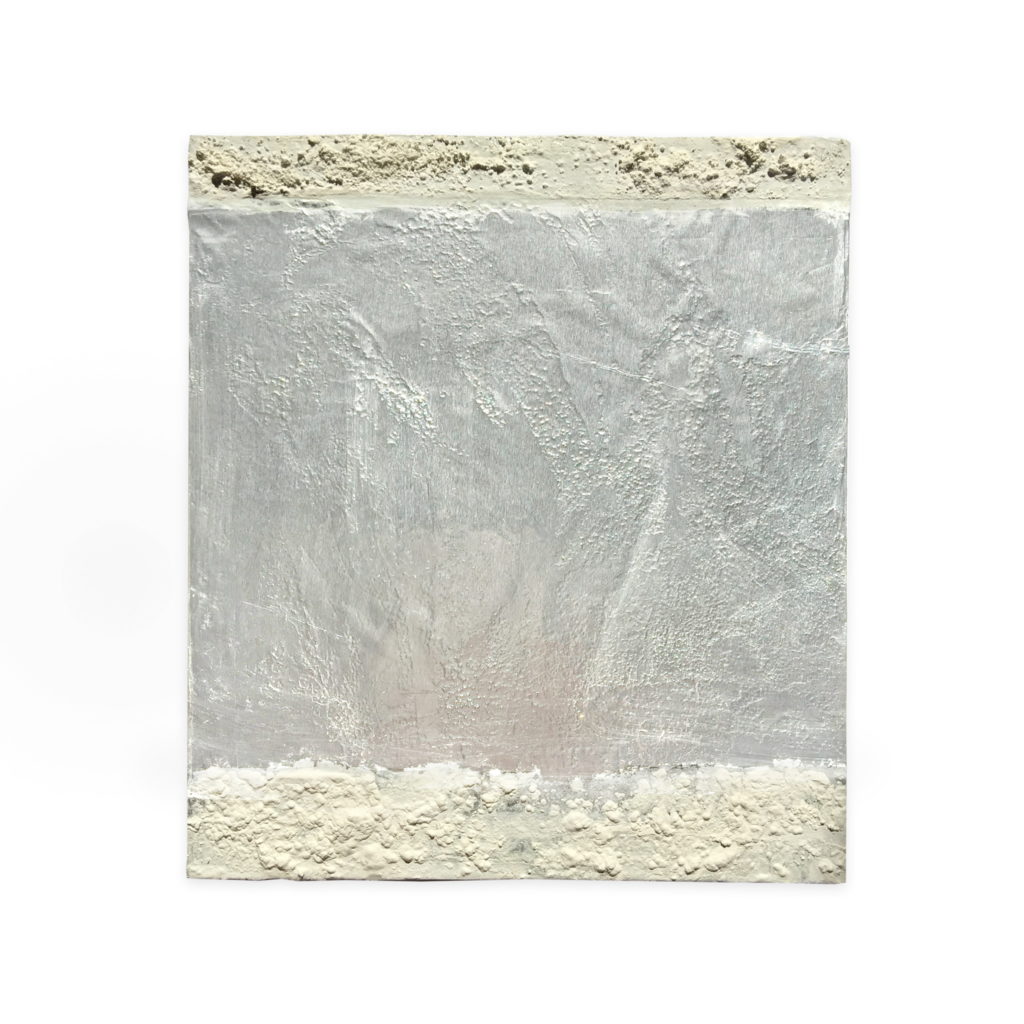
My art creation is based on the relation of natural and artificial, a continued research in different materials. The concept of entropy encompasses the totality of man as a social, biological, psychological phenomenon in relation to nature. In order to tame and ennoble nature, there is a need to add new materials that are not intended for long-term use. I base my artistic expression on a kind of reduce design which is linked to the creation of layered structures of matter through the use of a combination of painting material). Compositional and rhythmic functions within the work are accomplished by contrasting levels, layering.
The first part of this research was accompanied by an exhibition in Brussels from May 11 to June 15, 2020. In these minimal works, an aesthetic harmony is achieved within the composition, with simple and reduced poetics. Achromatic tonality enables the emphasis on subtle details, proportions and symmetry. Amorphous shapes appear within the geometrized compositions in the works, thus making the works look more controlled and precise. The existence of amorphous forms allows the viewer a feeling of comfort (relaxation, peace) and implies the beauty of self-control. –DB
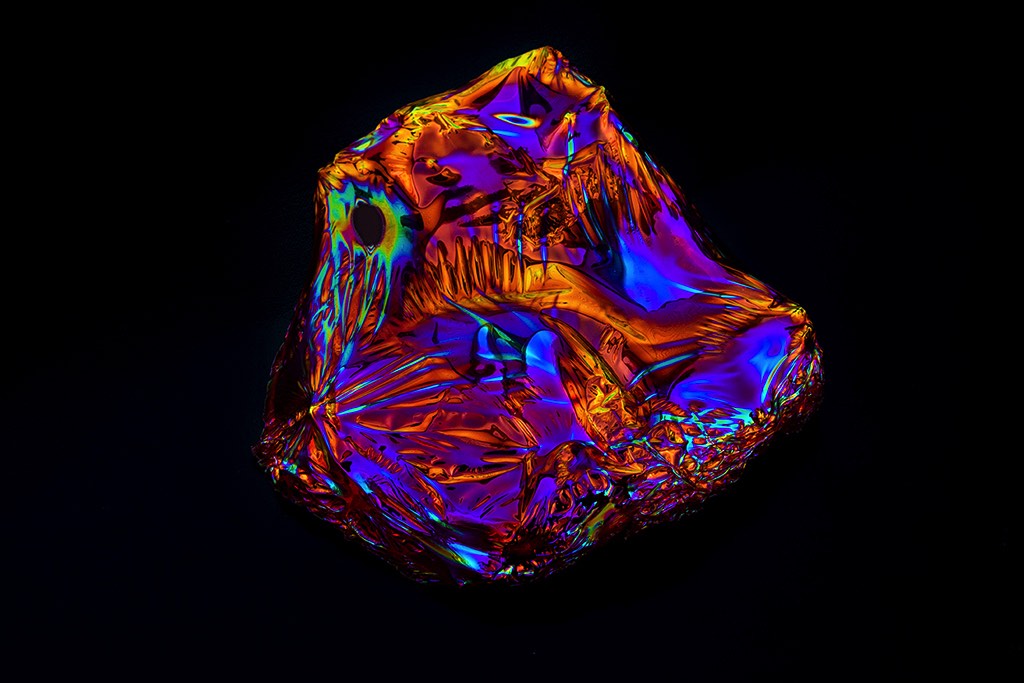
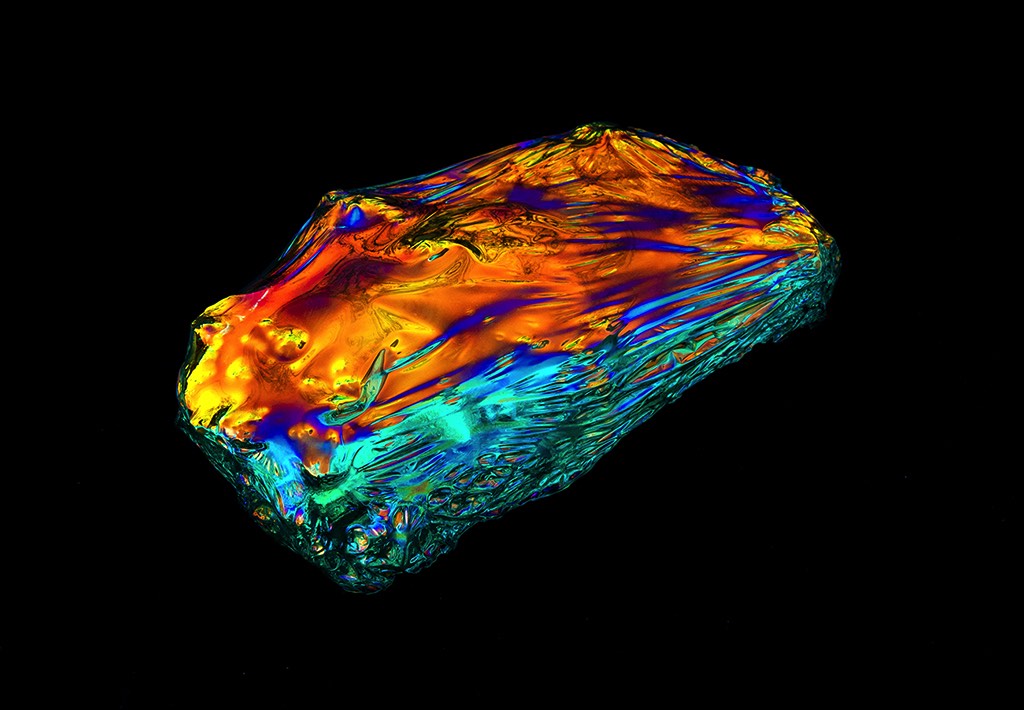
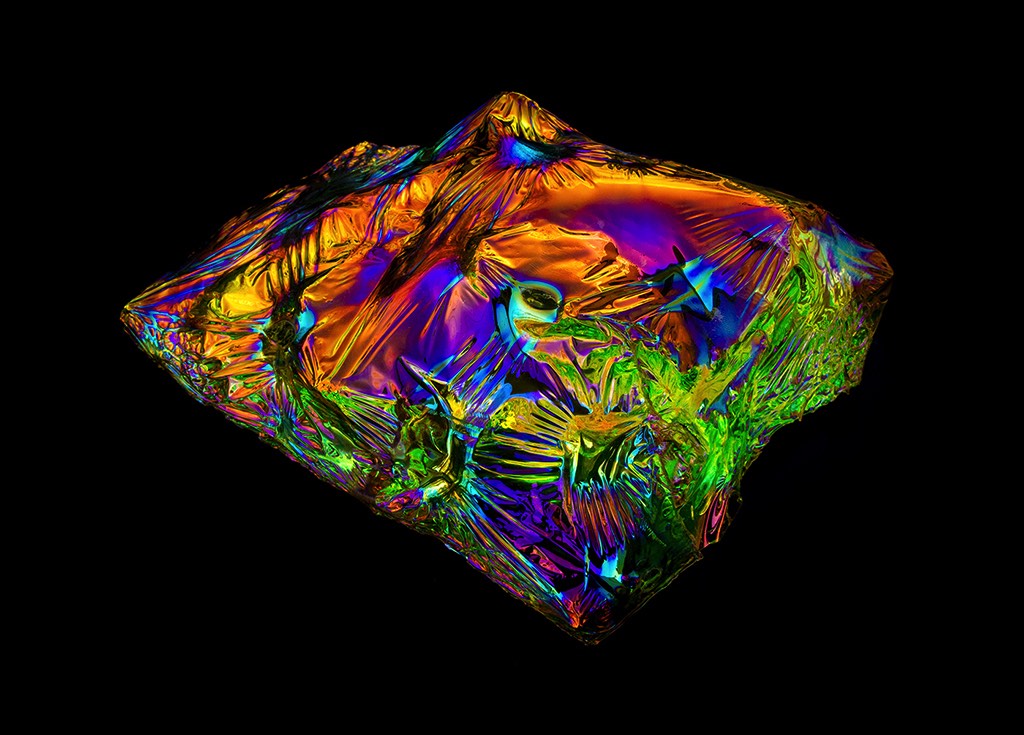
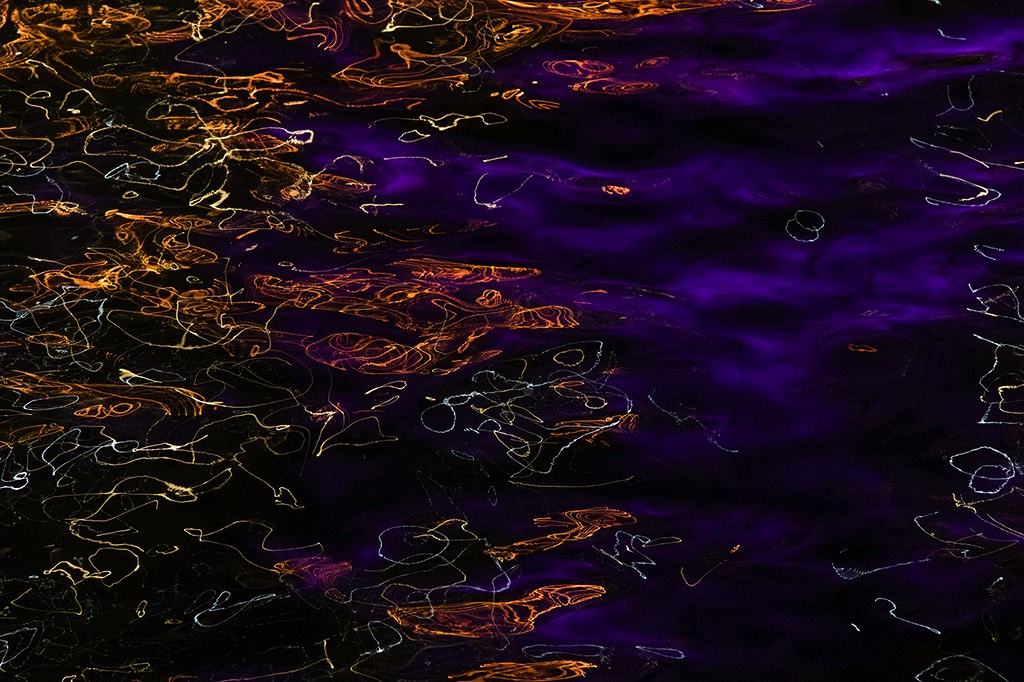
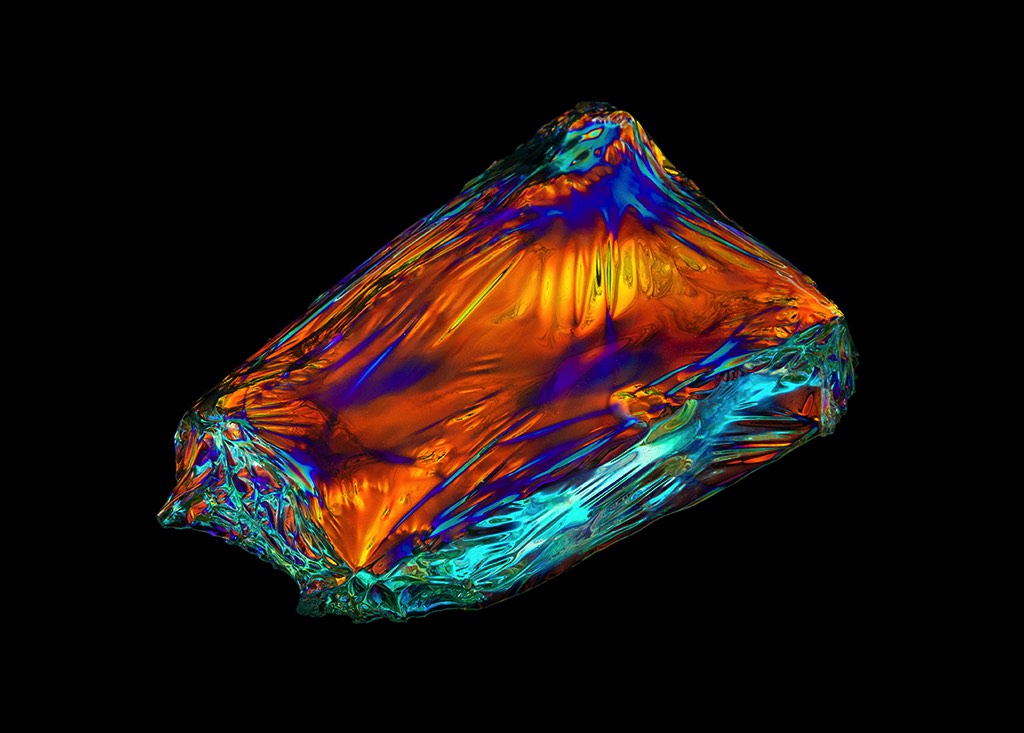
Kobi Walsh (b. 1995) is a Brooklyn-based photographic and sculptural visual artist whose work focuses on highlighting the subjectivity of our perspective. He captures intricate impressionistic fragments of light and time in order to parallel the fragile nature of our individual reality. Not relying on digital manipulation, Kobi’s work explores themes of authenticity and the transience of the present moment. Kobi received a B.S. in Cognitive and Brain Sciences from Tufts University, incorporating an understanding of the neurological foundations of perception to play with our expectations of light and color. Kobi’s work has been exhibited internationally with upcoming exhibitions at both The Other Art Fair Brooklyn and Chicago, and Superfine! Art Fair in Seattle. He has won 33 awards for his photography from organizations such as PX3 Prix de La Photographie Paris, the International Photography Awards, Moscow International Foto Awards, and Photographers Forum. Kobi’s work has been published 15 times in international publications such as Friend of the Artist, The Flux Review, The Curator’s Salon, Create! Magazine, Inside Artists UK, Art Reveal Magazine, and 123 Art Magazine.
Artists Statement
For me, all subjects exist as fluid, their surfaces ever-changing by way of variations in light, time, and perspective. Through my sculptural and photographic work, created entirely without digital manipulation, I aim to highlight the unique combinations of these factors that give life and soul to the surrounding atmosphere and to the present moment. At the core of my work I hope to promote a recognition of how these variables along with the differences in our subjective perspective define the unique feelings we associate with a subject.
Beginning with the empirical and analytical observation of light, my pieces remove visual cues of depth, attempting to disassociate the outward identity of the subject. My work instead focuses on the unseen subject: a momentary feeling produced by changes in light or time.
While appearing at first glance abstract, my works are meant in fact to be representational, but to represent a reality beyond immediate impressions; to create rather a fuller, and more authentic, visual experience of a subject. That experience transcends the visual, and therefore requires an approach that, while remaining representational and unmanipulated, through its alternative appearance challenges the viewer to move beyond socially constructed meanings of subject.
My work, then, targets the inherently subjective nature of our perspective as a means of exploring the evolution of individual realities. My photographs capture the delicate fragments of light and time that define distinct moments of my own authentic experience. I draw inspiration in part from sculptural masters of light such as James Turrell and Olafur Elliason, as well as the impressionist movement – specifically from Monet and the plein air painting technique, spontaneous renderings of nature as an amalgam of light, and the enveloppe, the unifying atmospheric light encompassing all things.
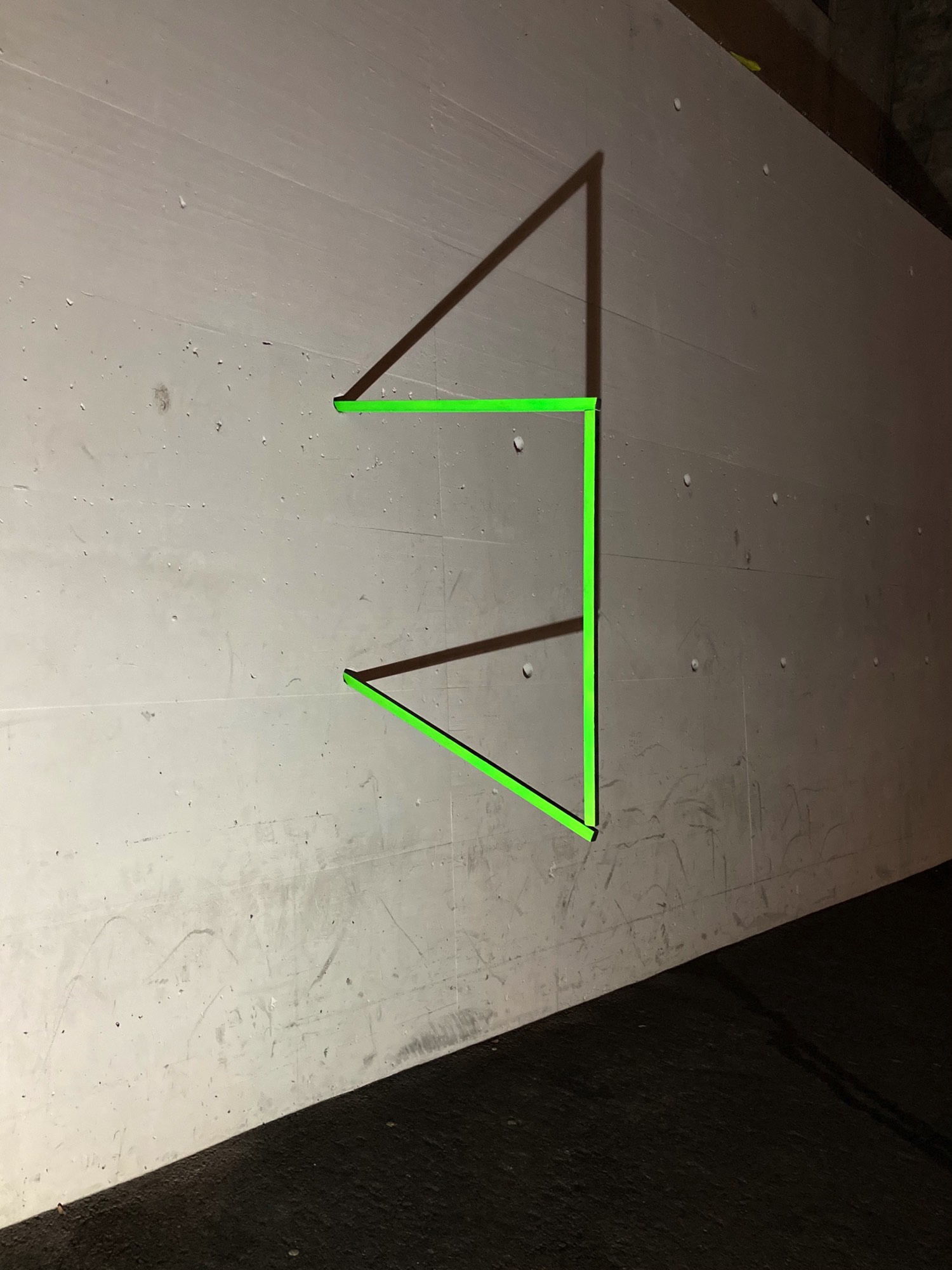
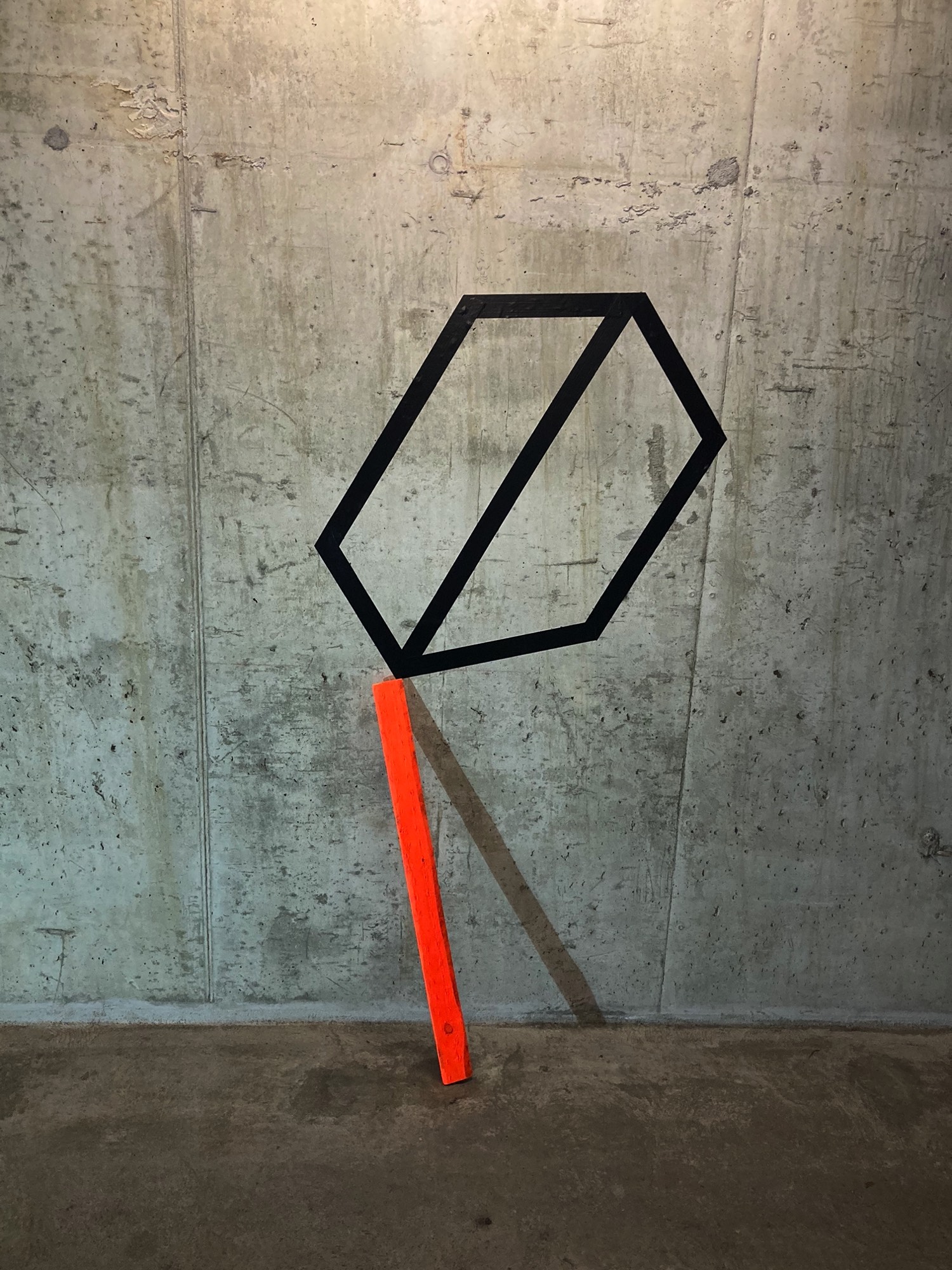
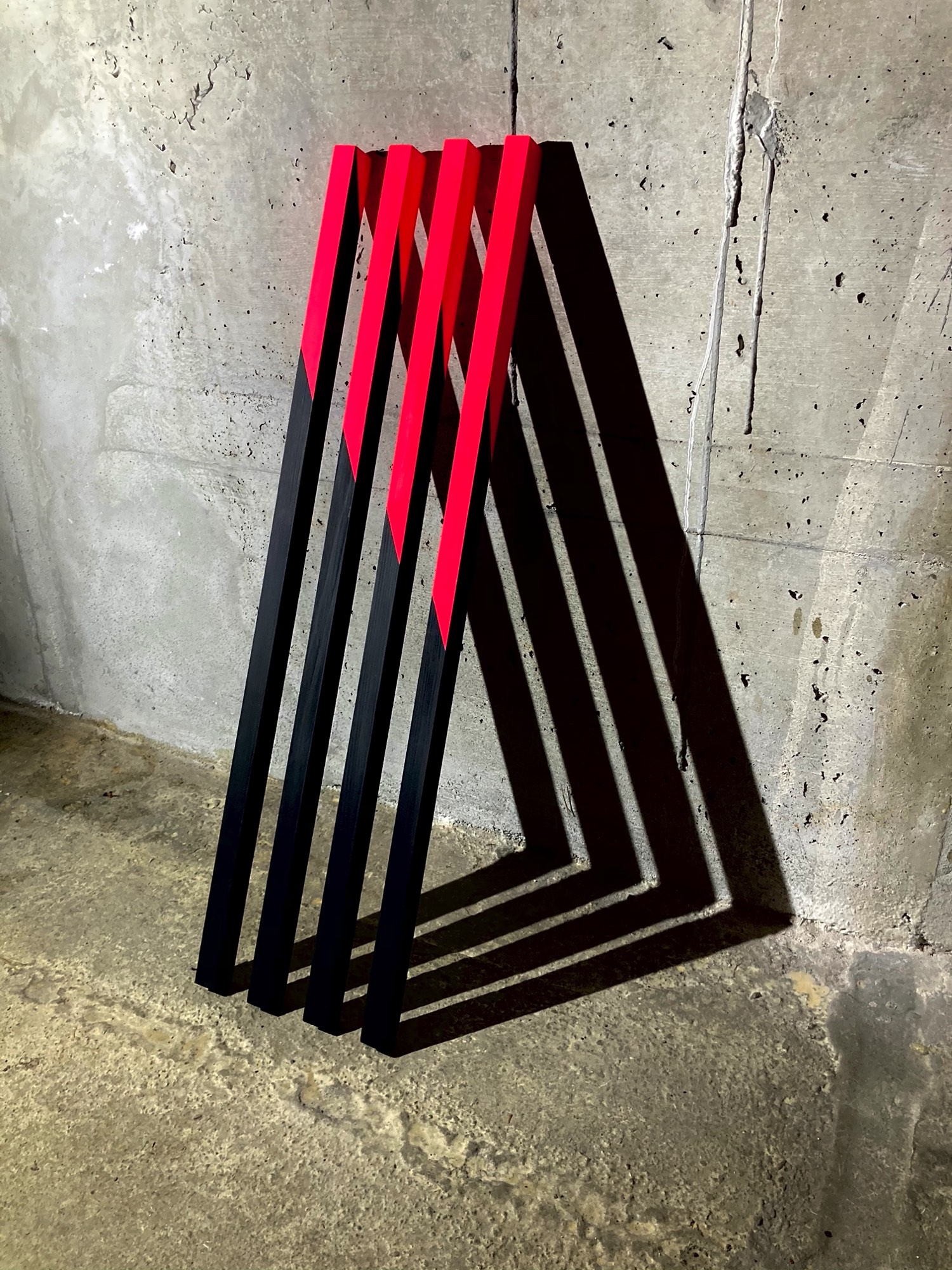
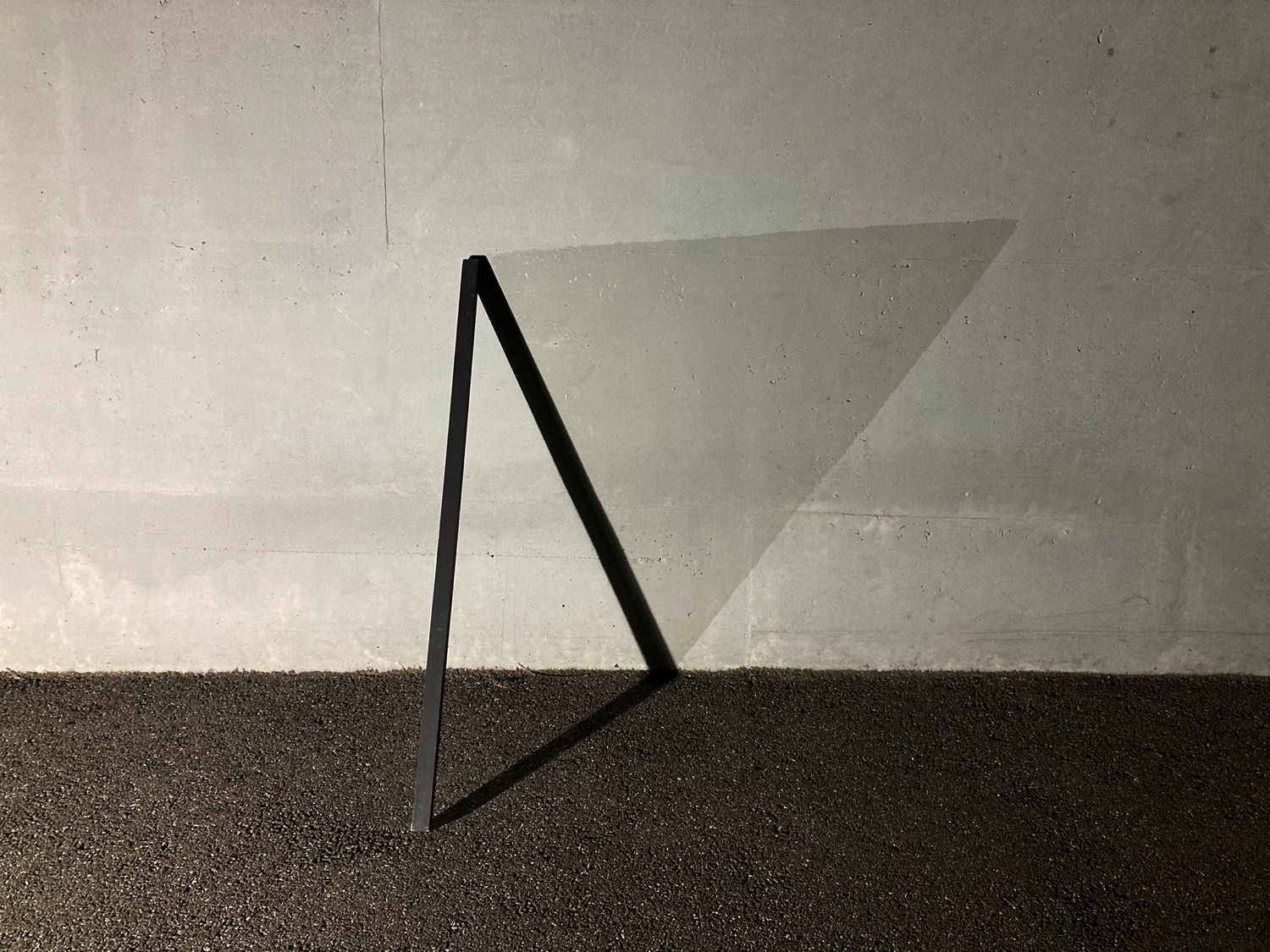
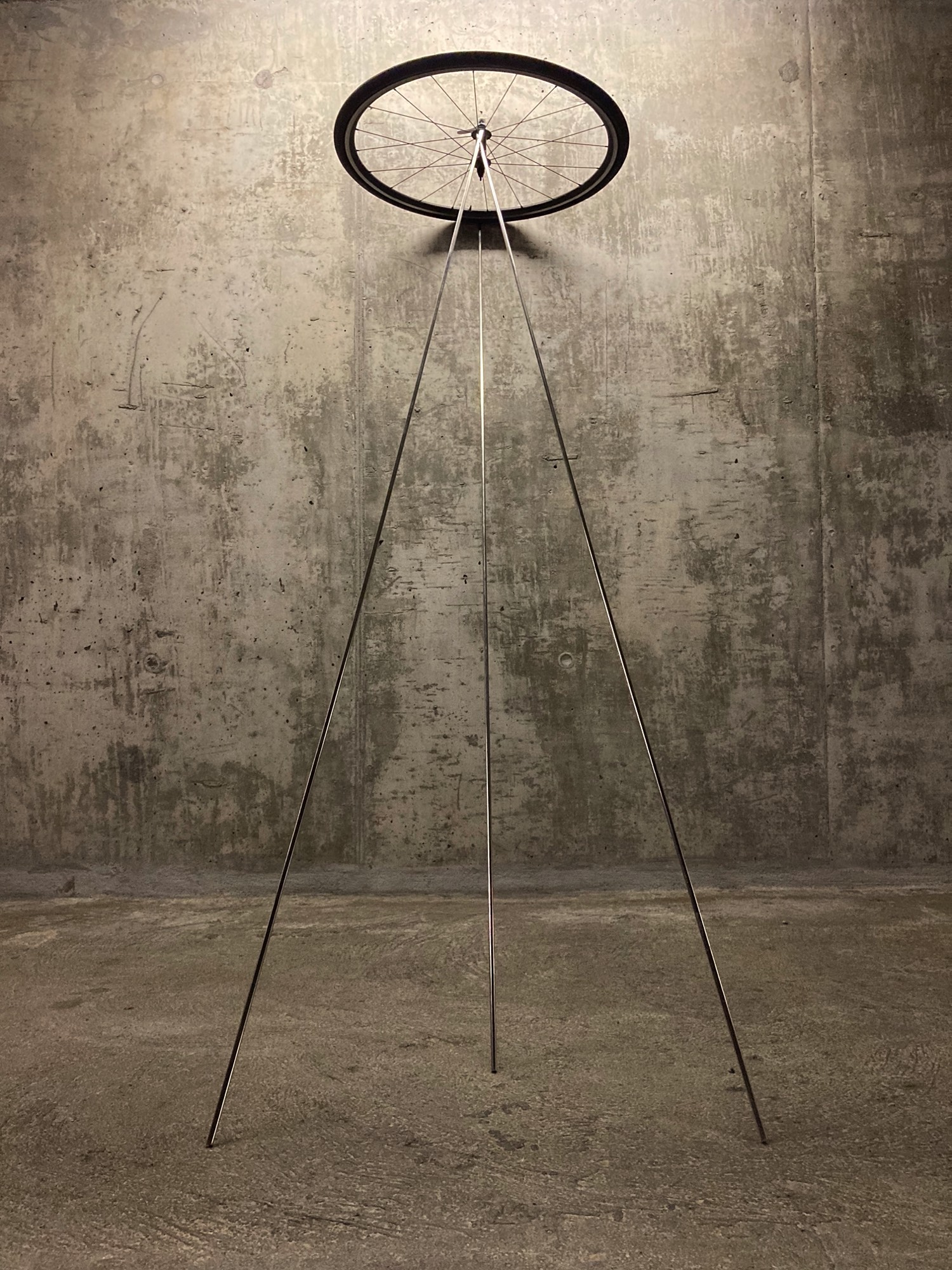
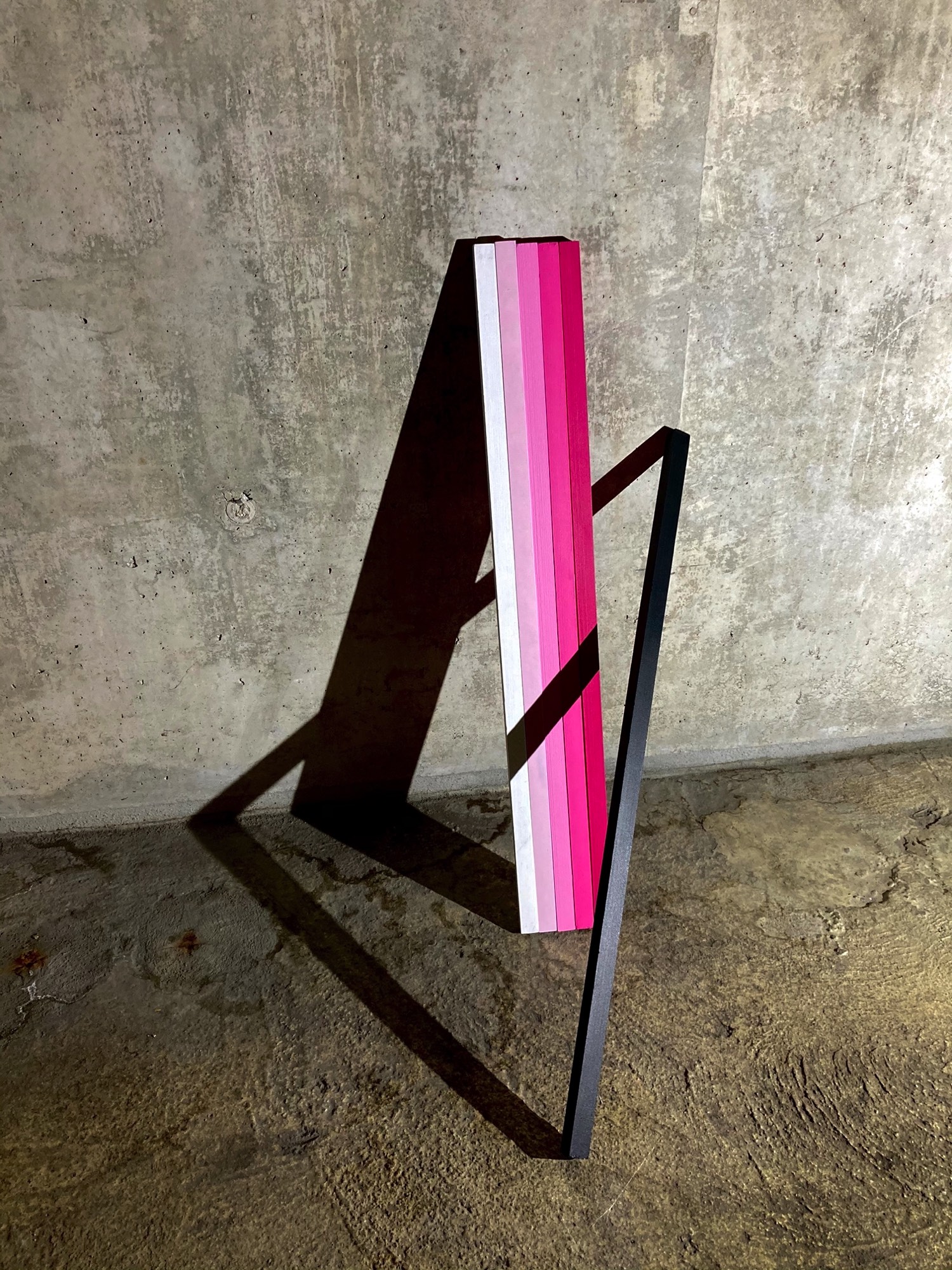
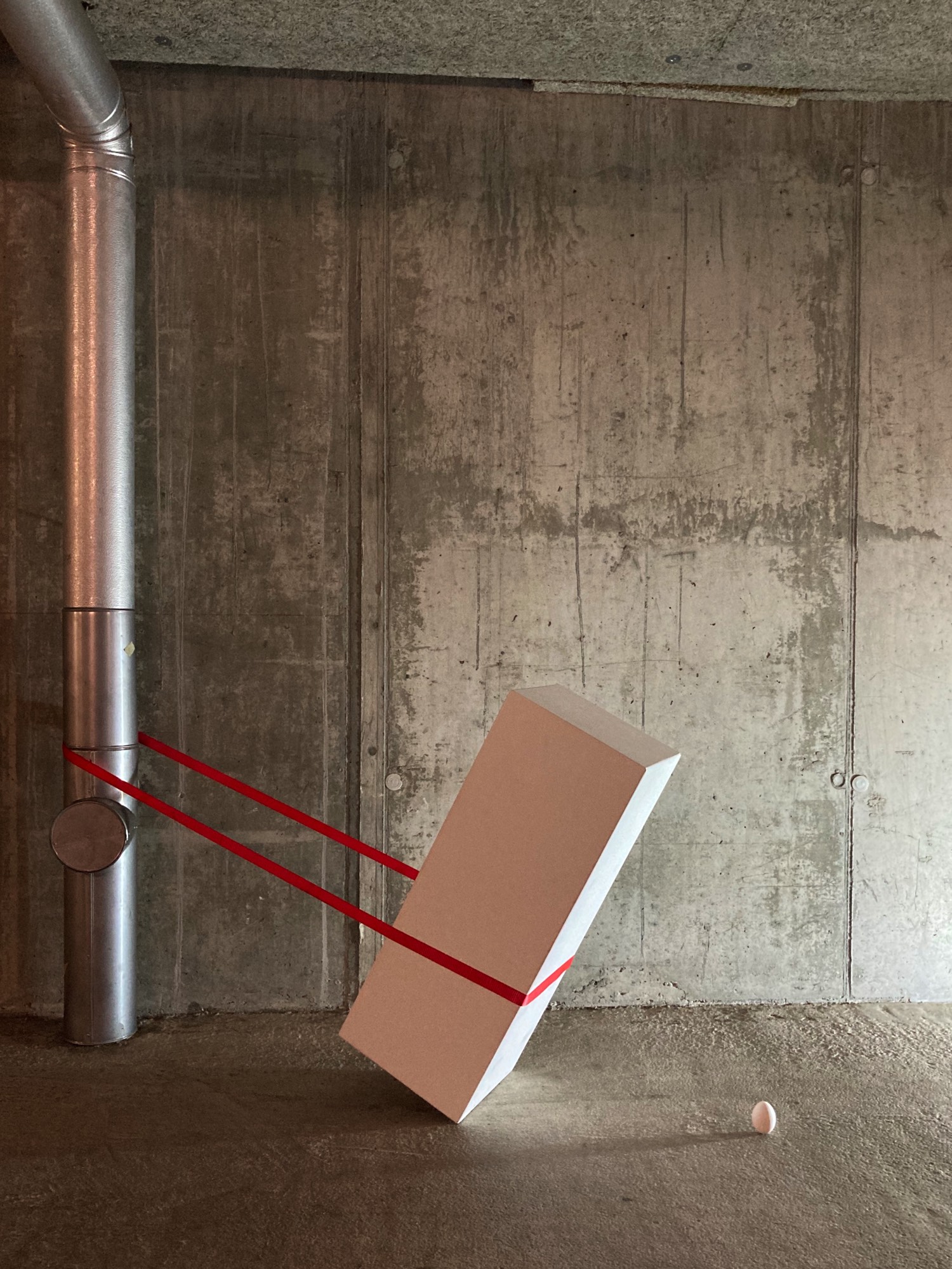
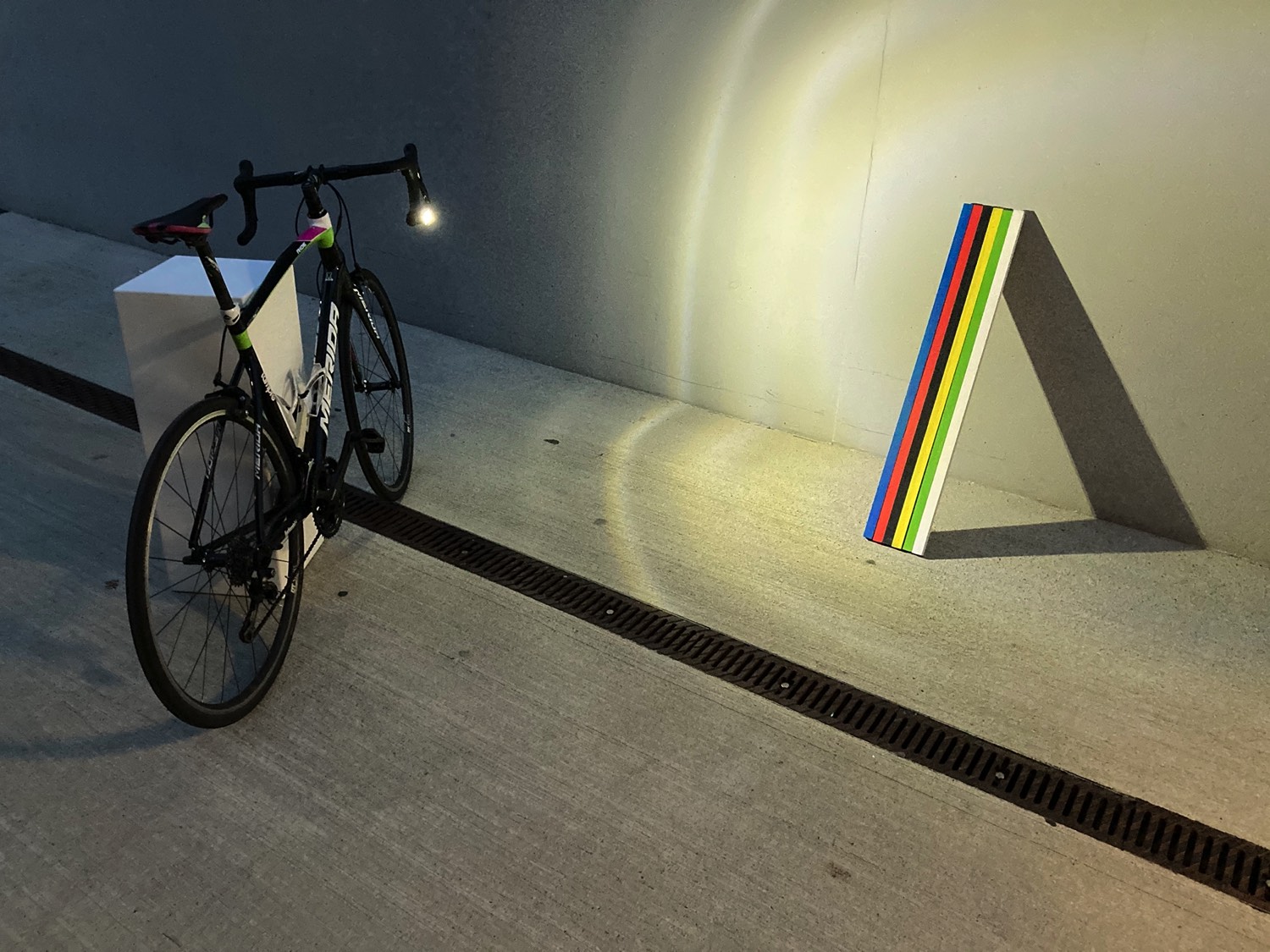
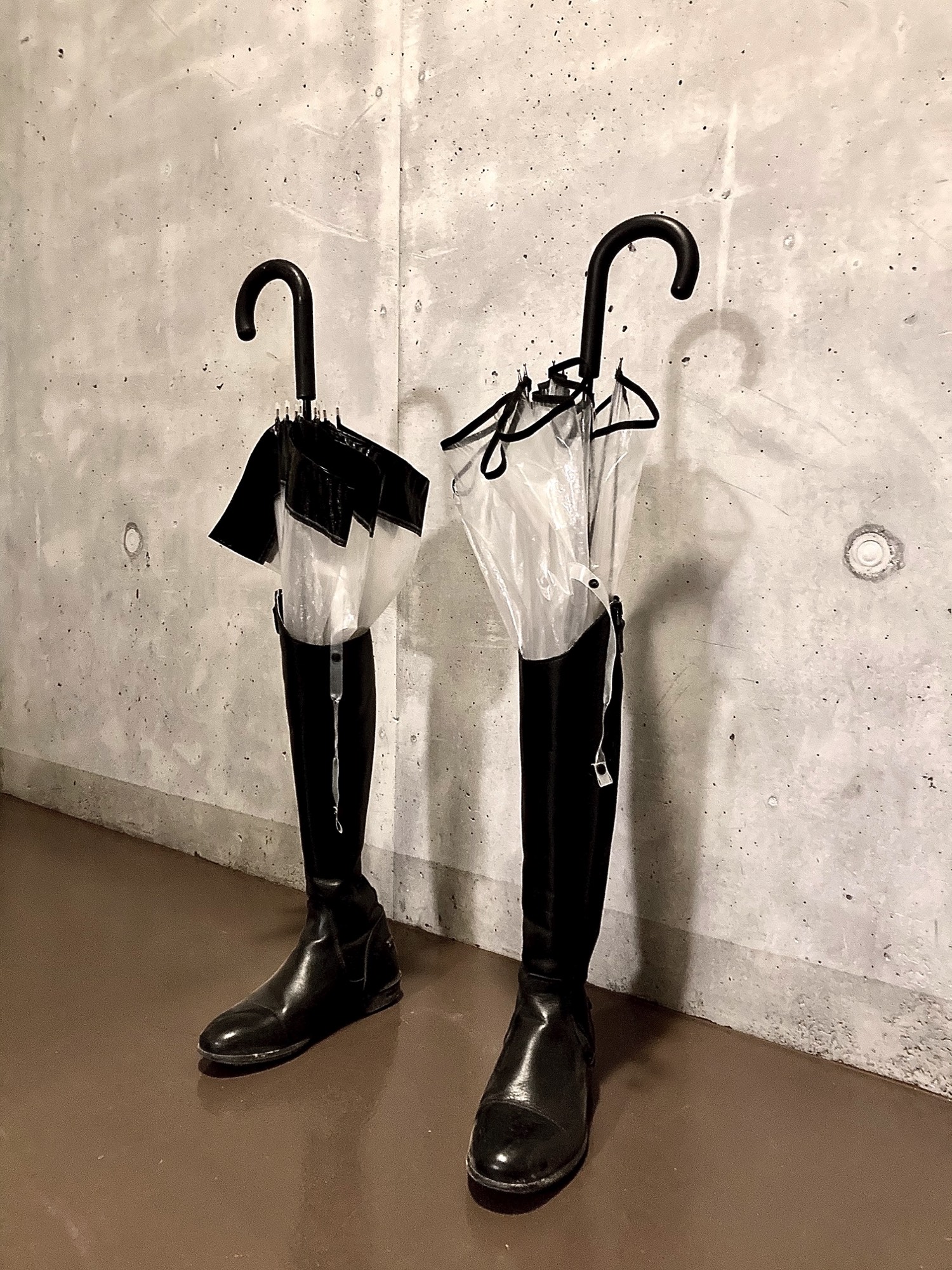
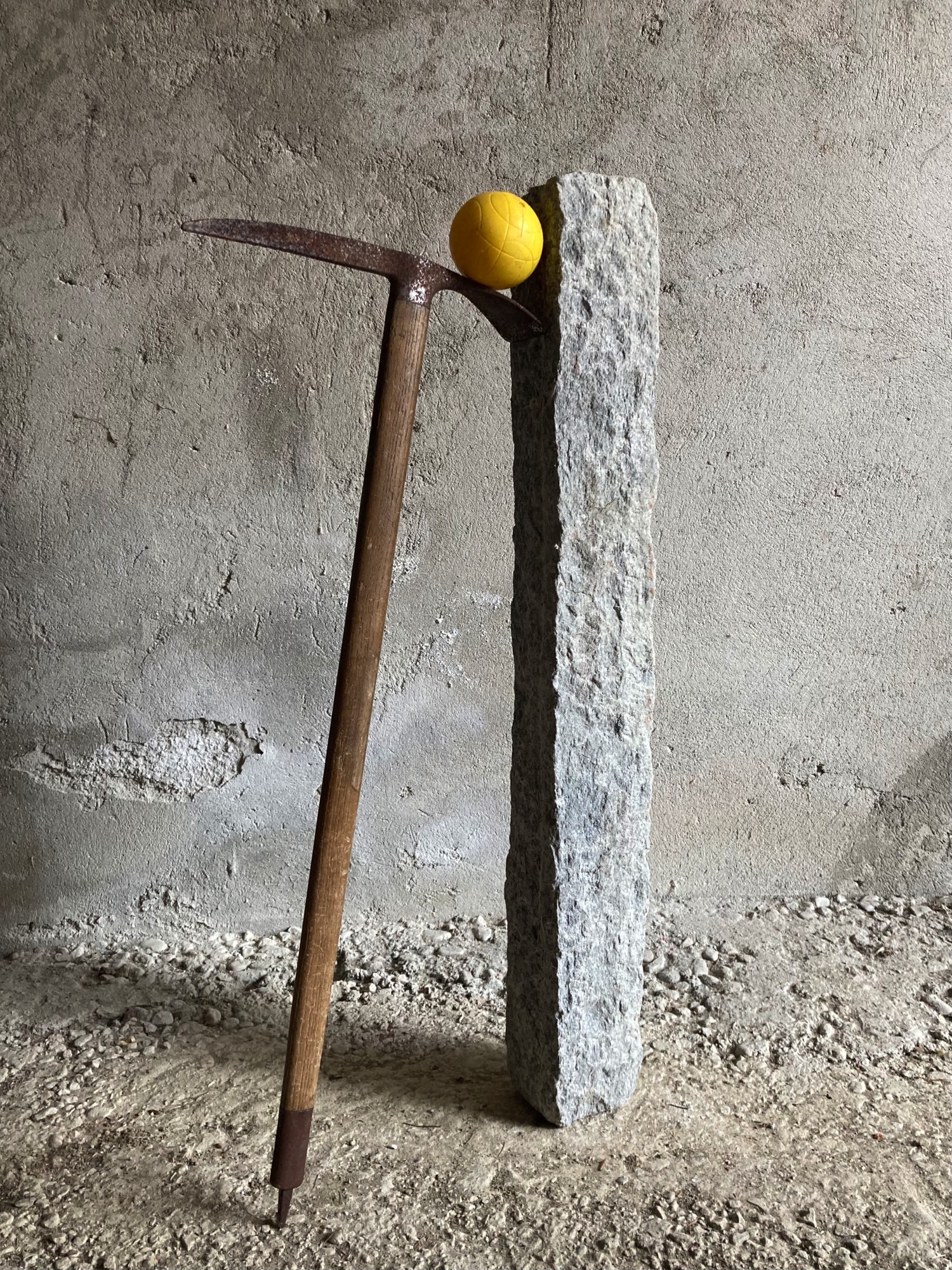
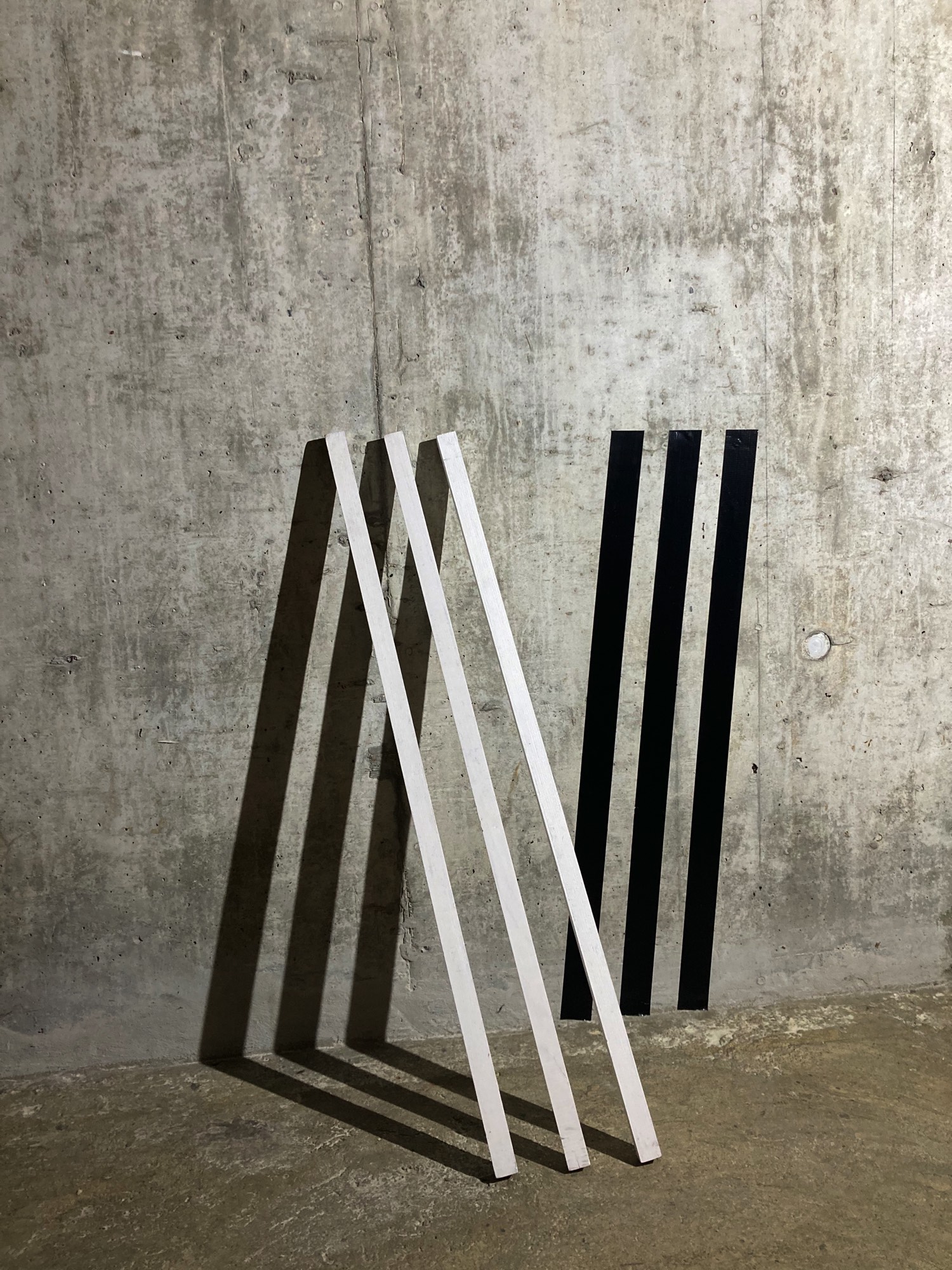
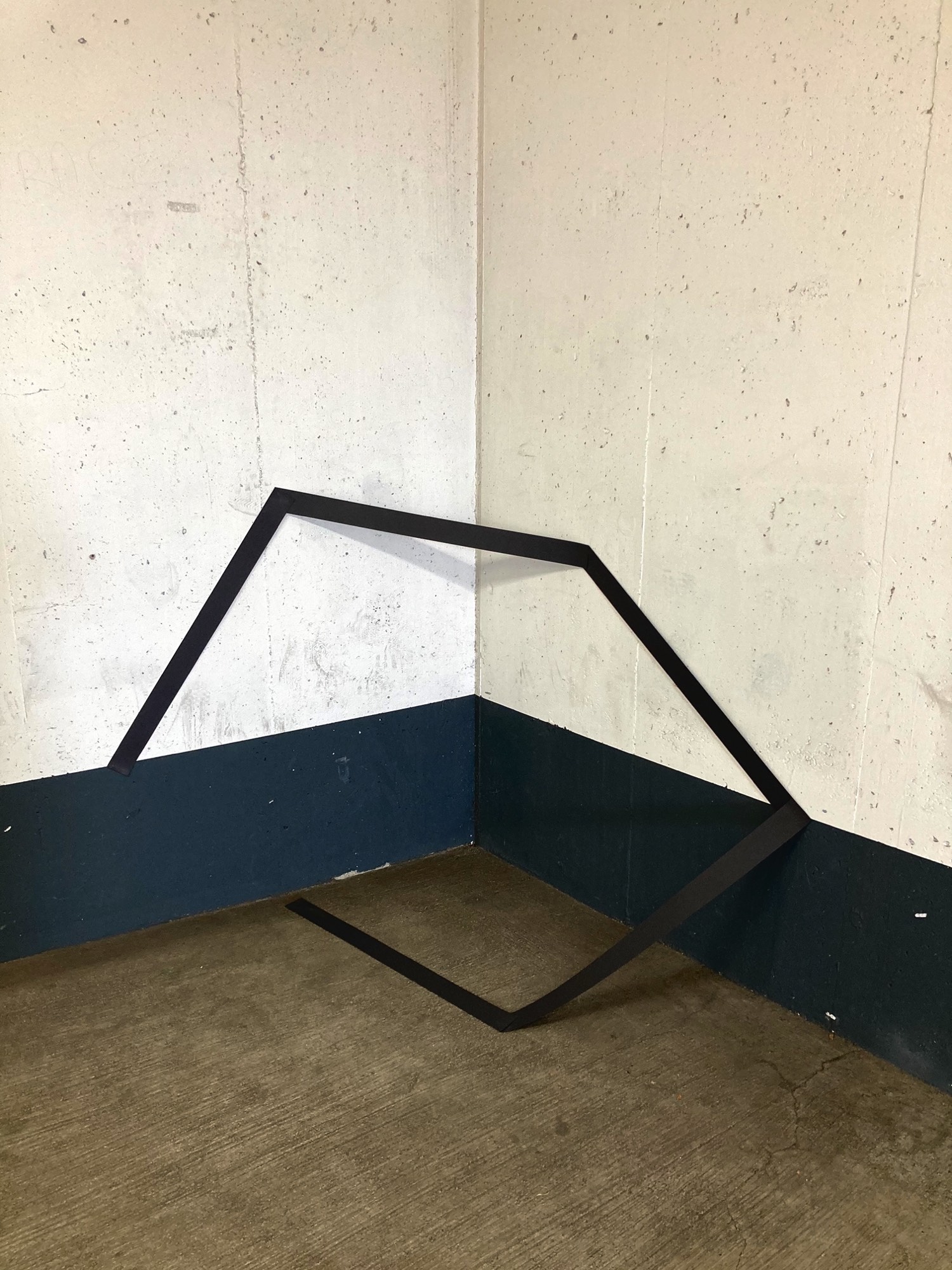
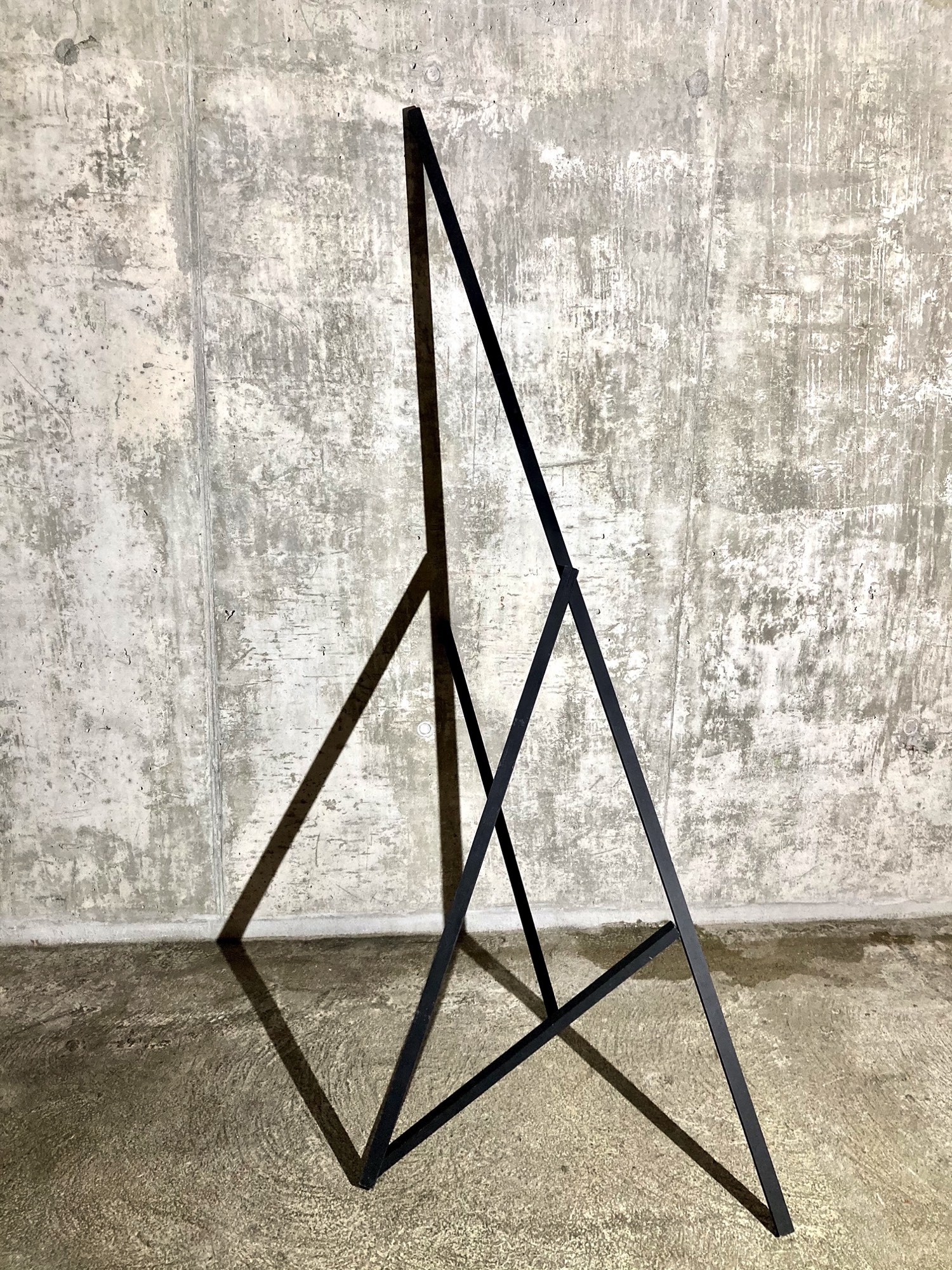
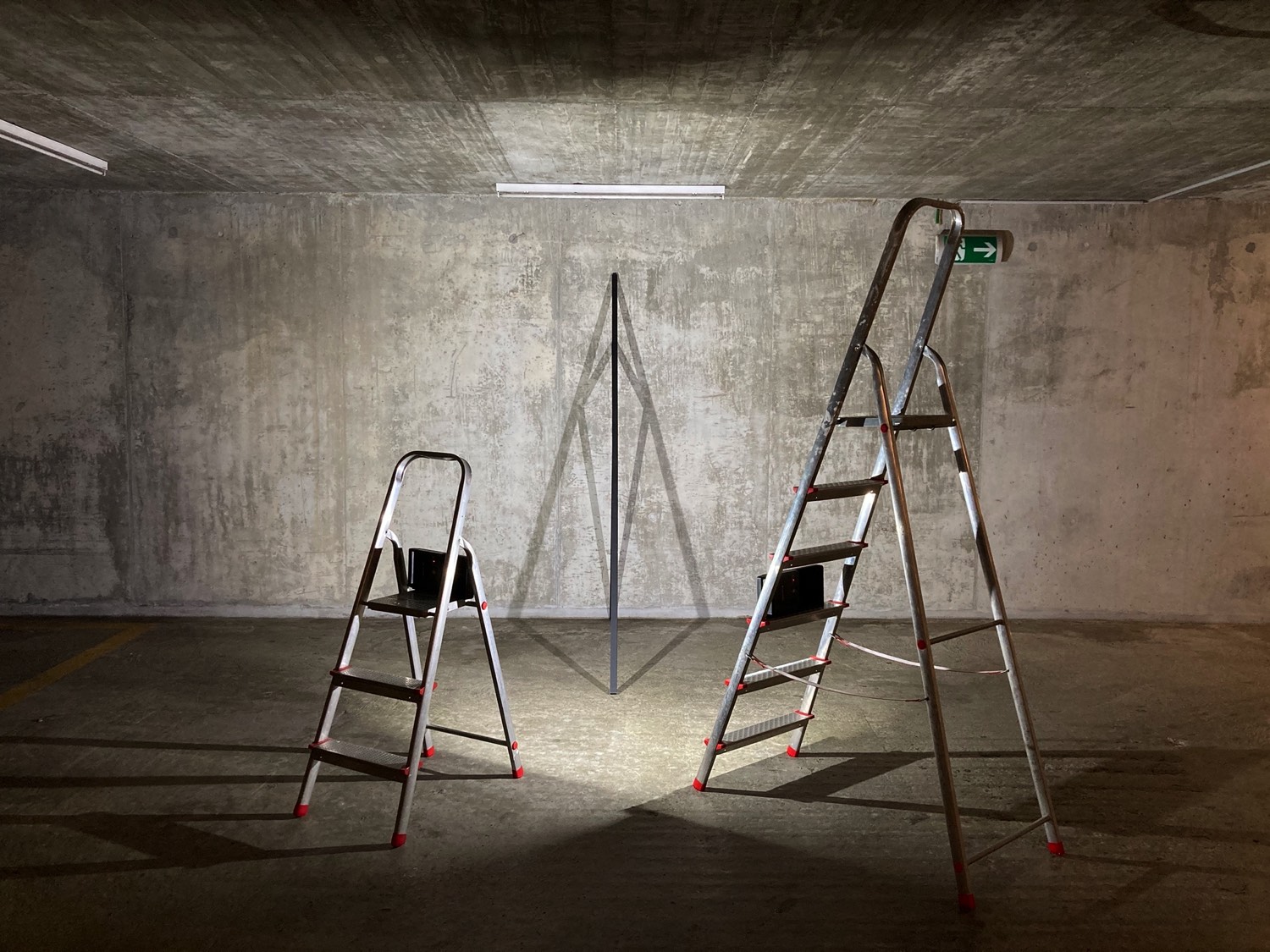
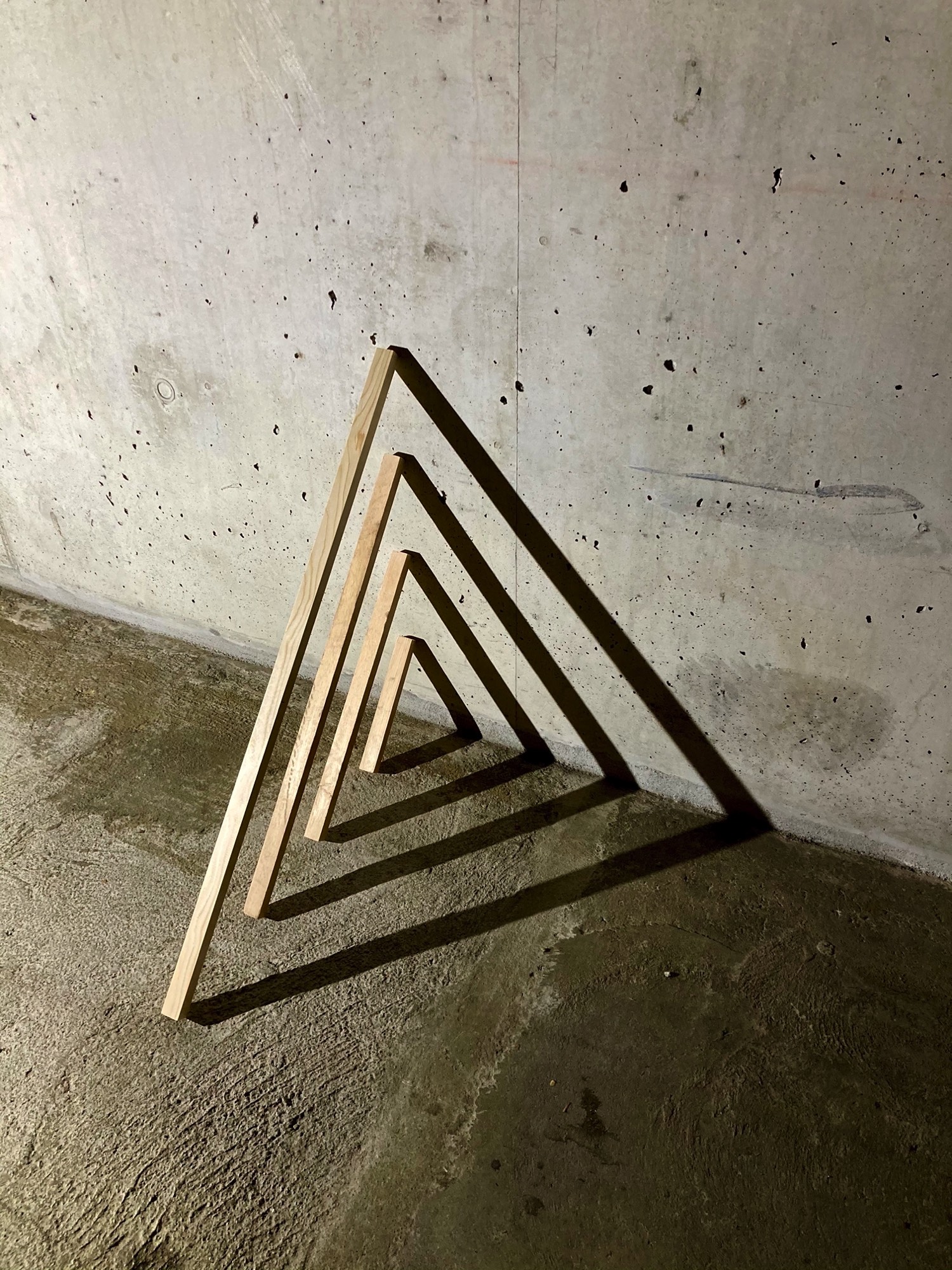
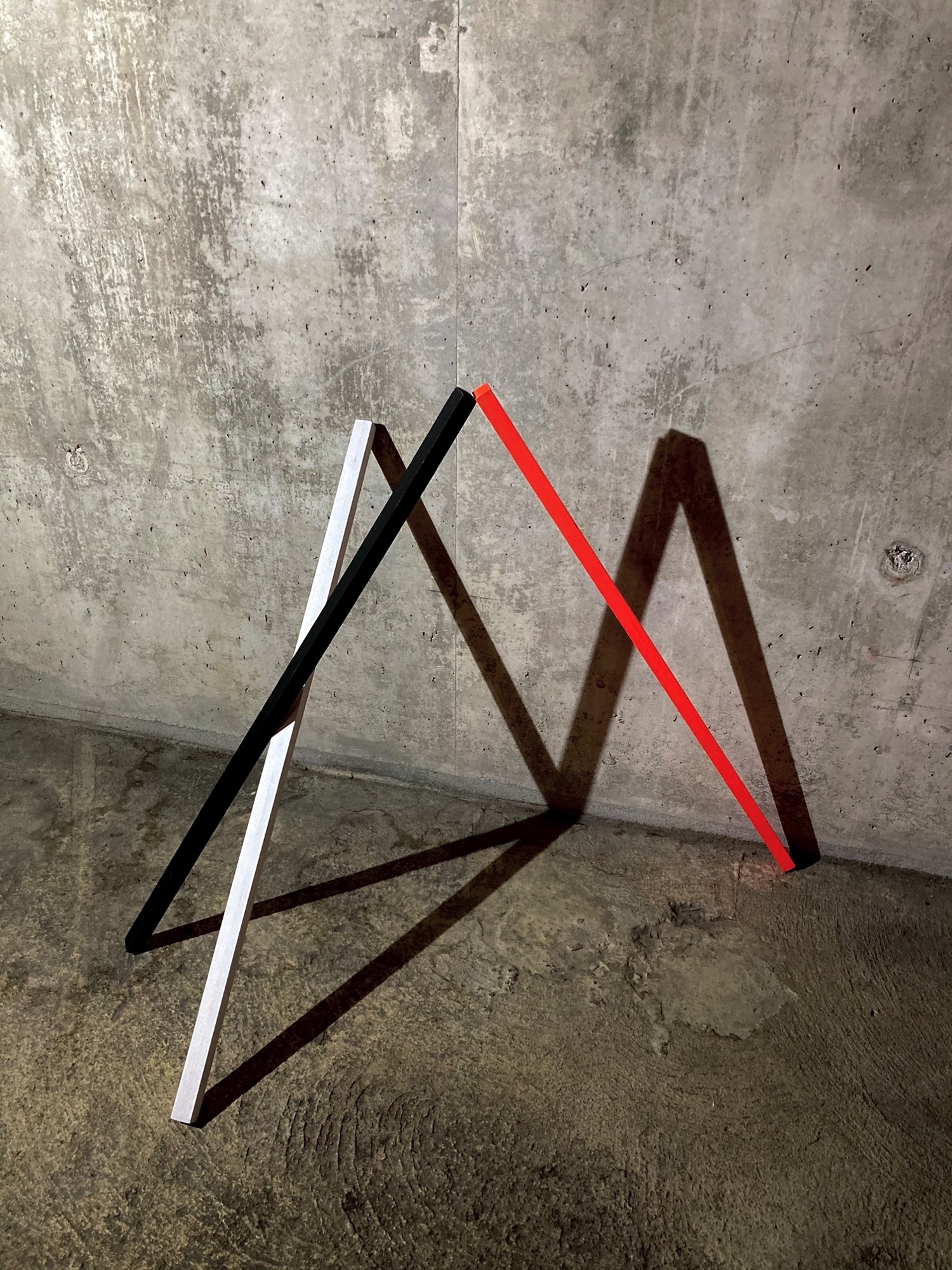
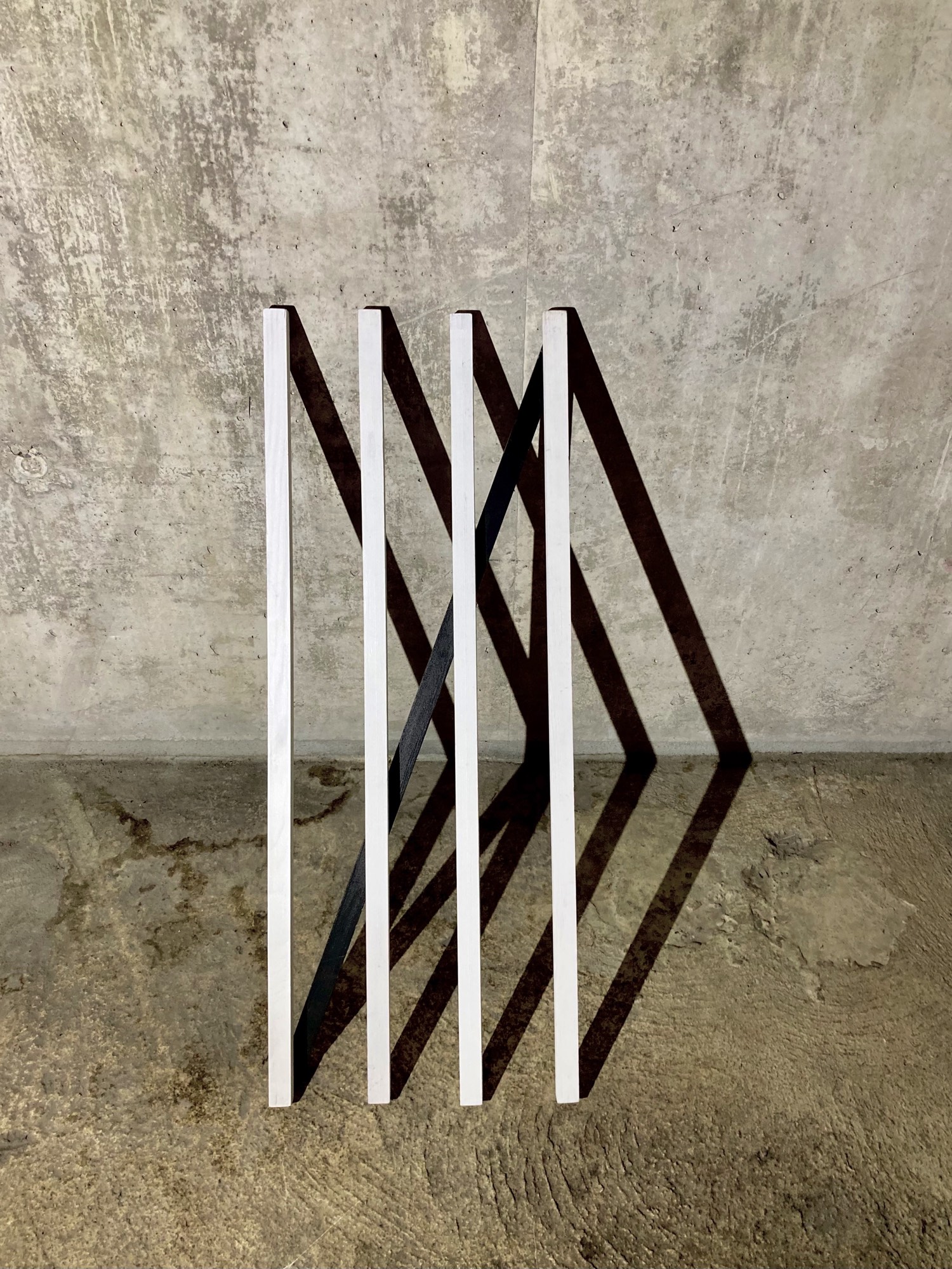
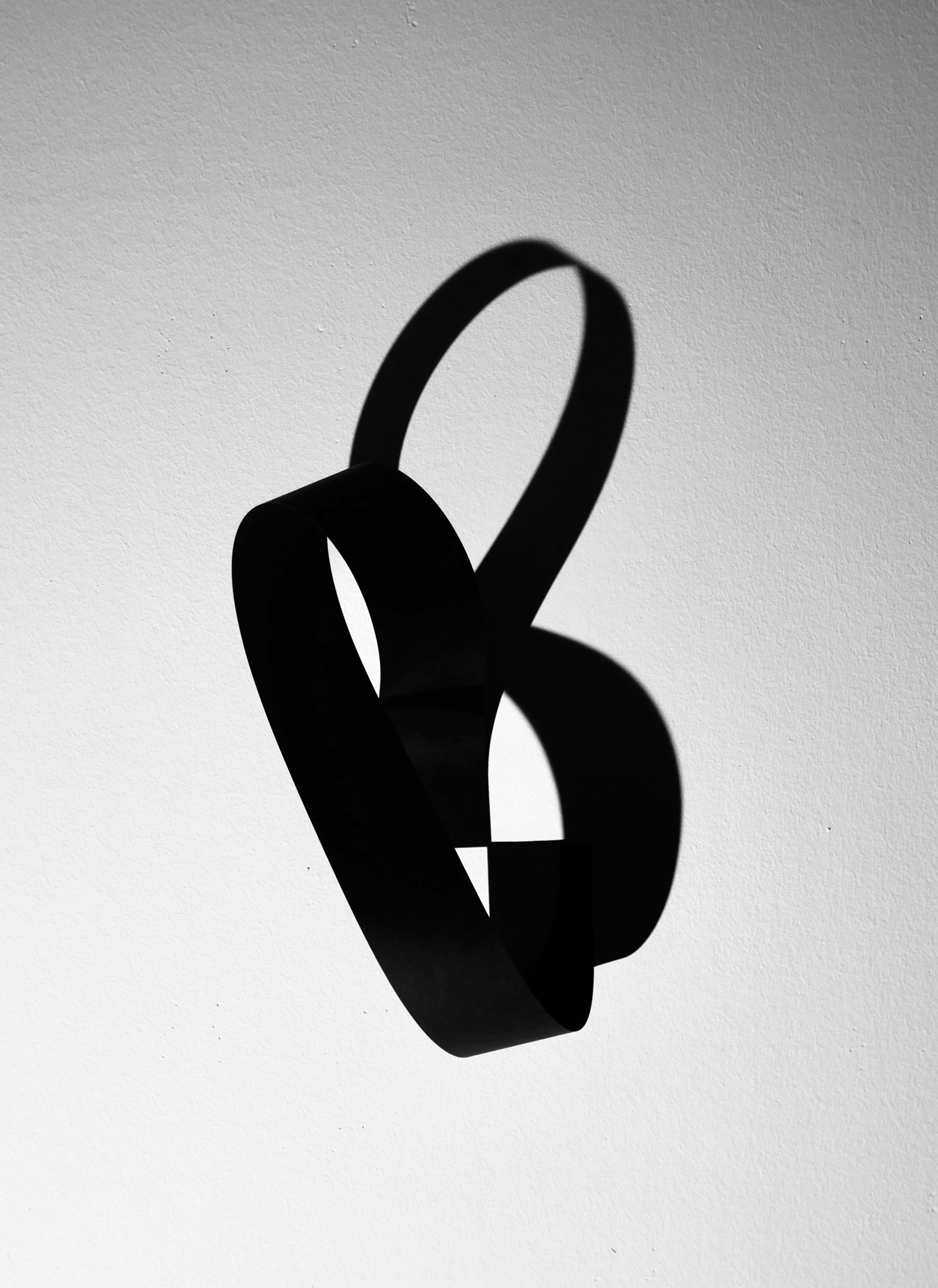
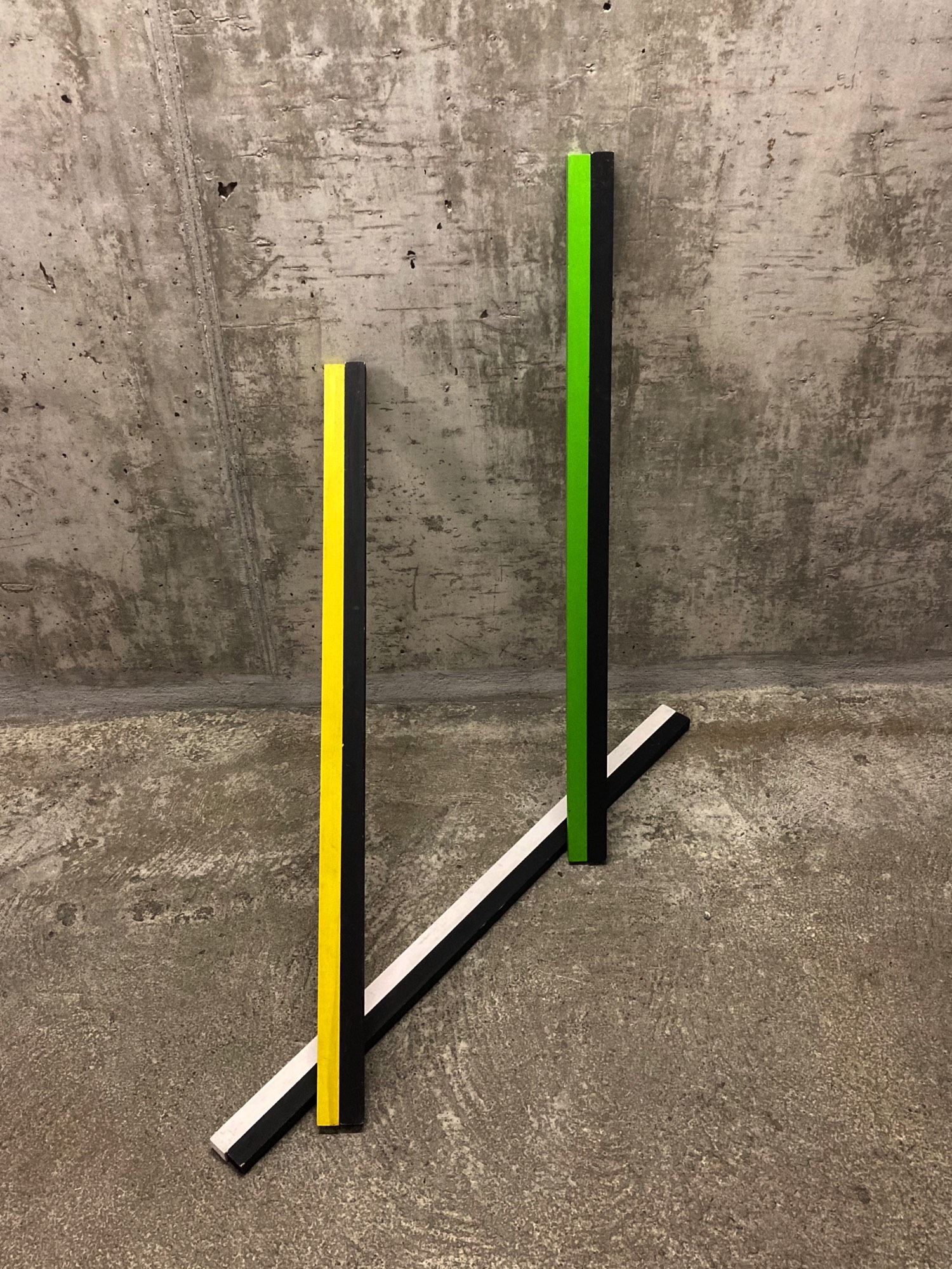
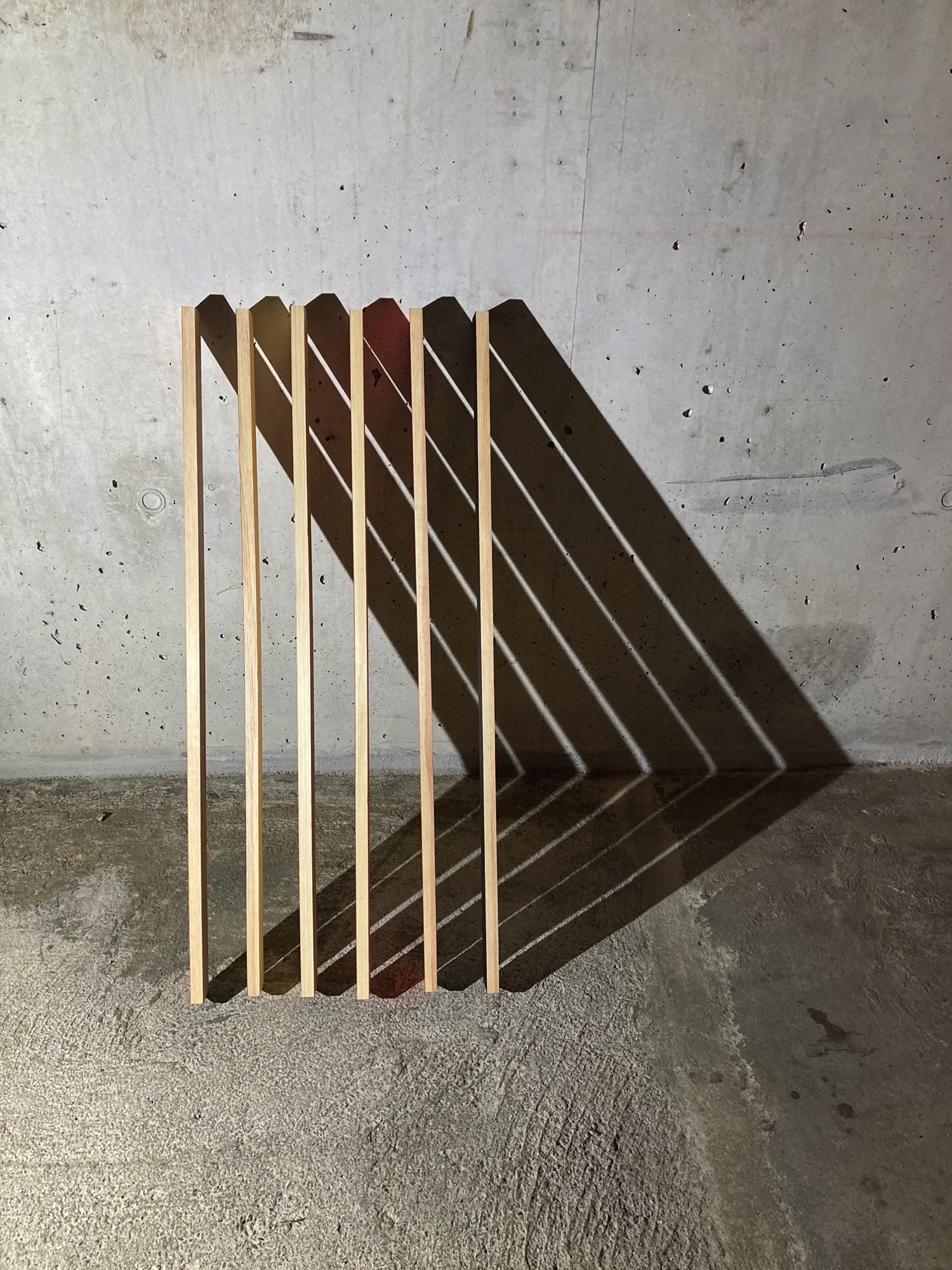
My artistic work revolves around two distinct axes : sculpture and photography of these sculptures as testimonies of these ephemeral actions. I’m looking for a minimalist gesture, a spectacular action using pieces of wood that I have and that I make interact with the light in order to try to complete my proposal by finding a balance between the physical side of the object and the cast shadows. I also like to work on assemblies of objects that I also have there without constraining their own nature too much. The ephemeral is at the heart of my concerns as an artist, the street art nomadism concept too. Be somewhere, do something, taking it off as it never existed and restart. I’m a shadow, my work is a shadow, without lights noting happen. – Y.L.
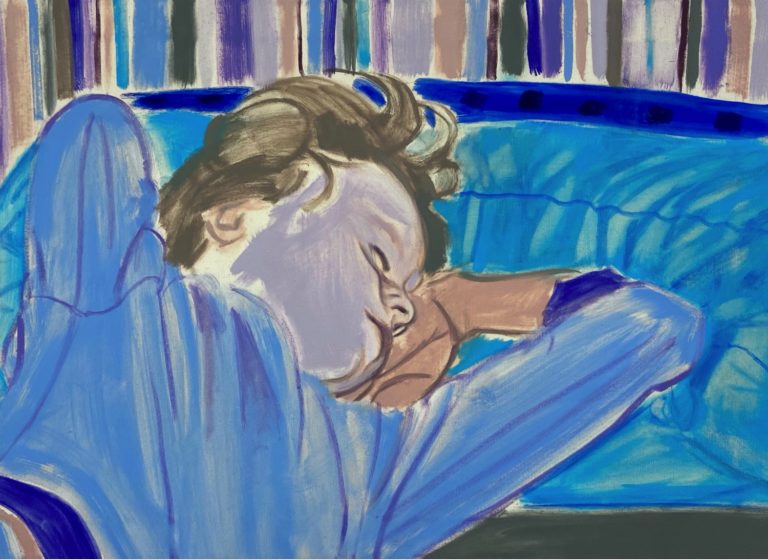
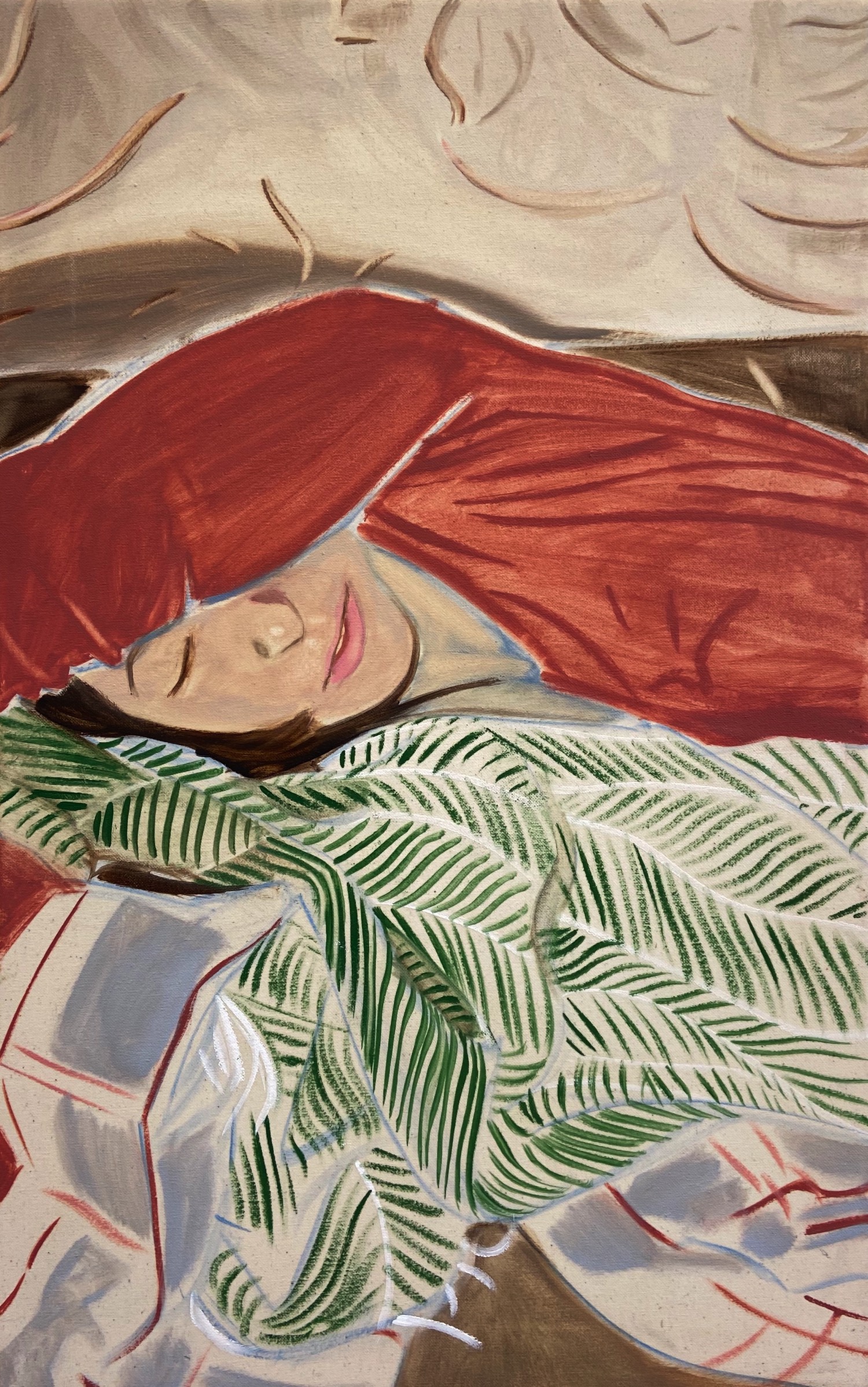
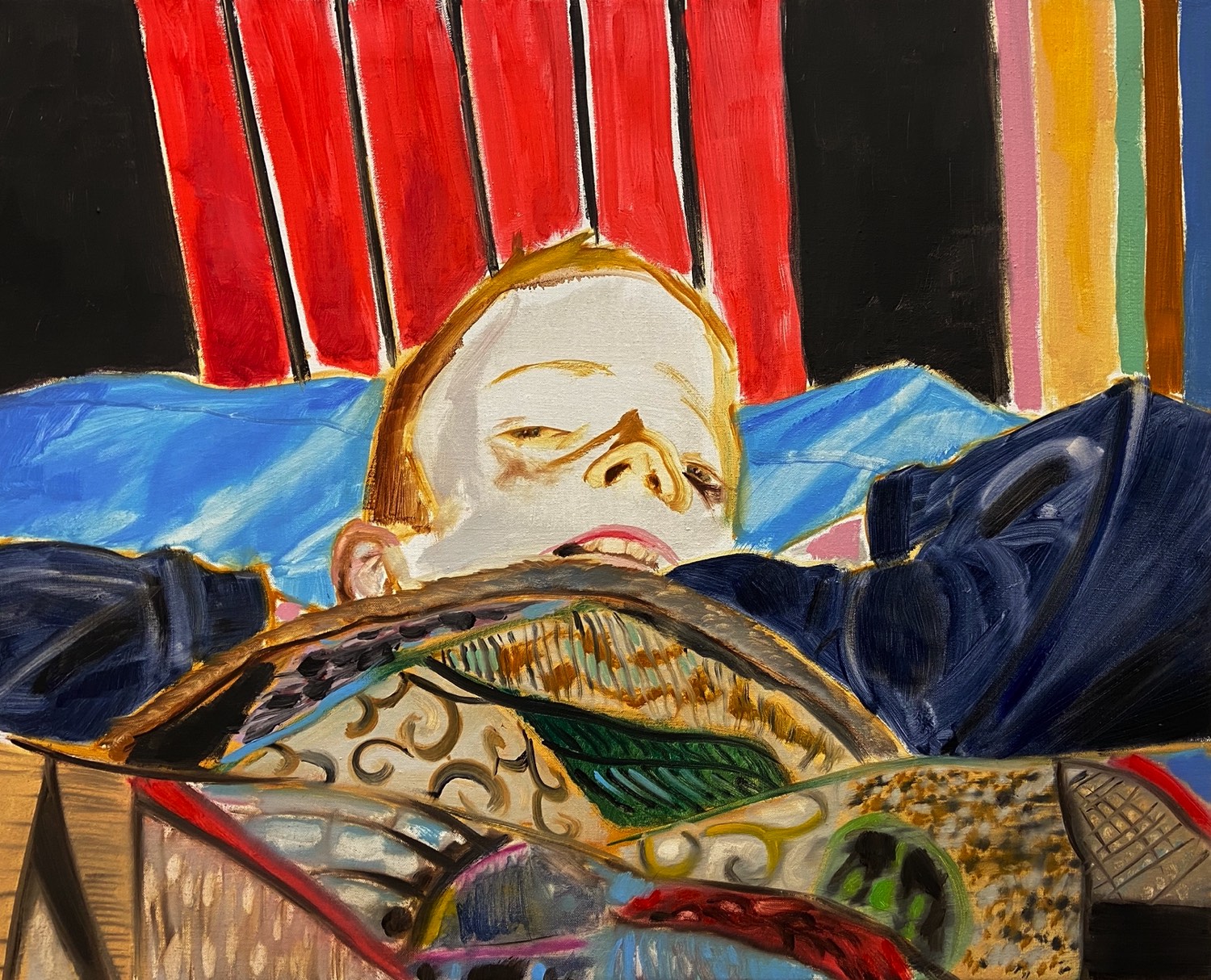
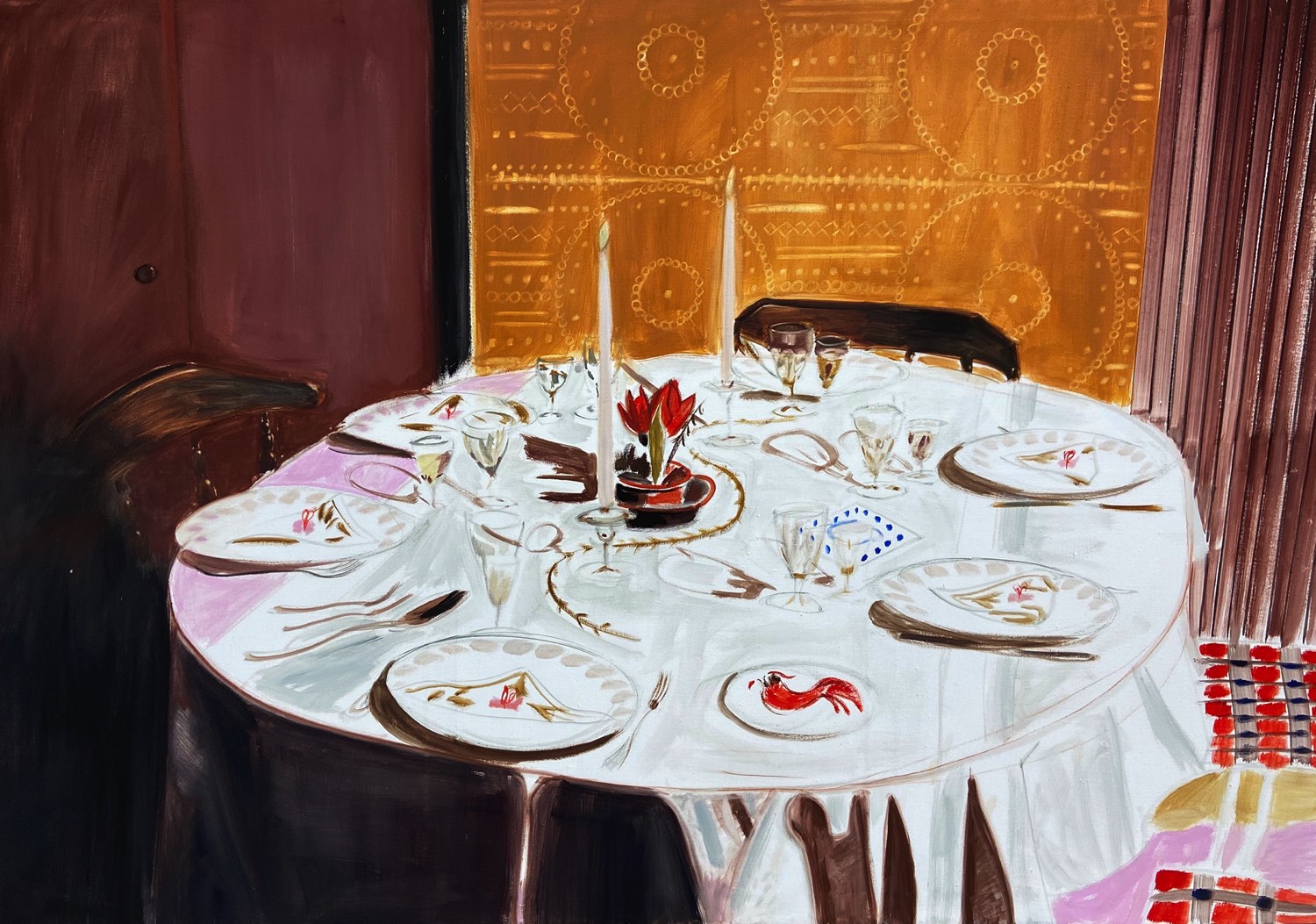
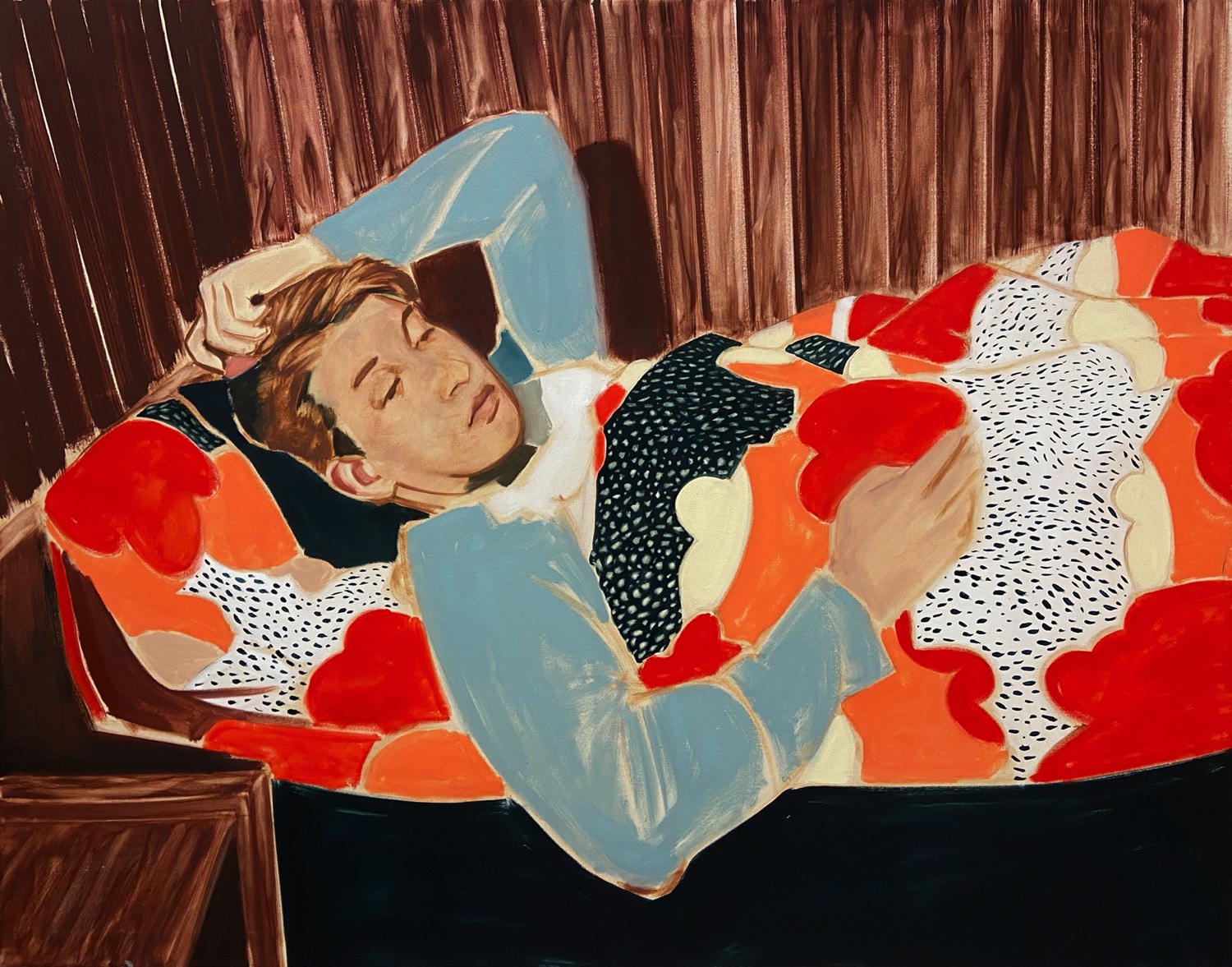
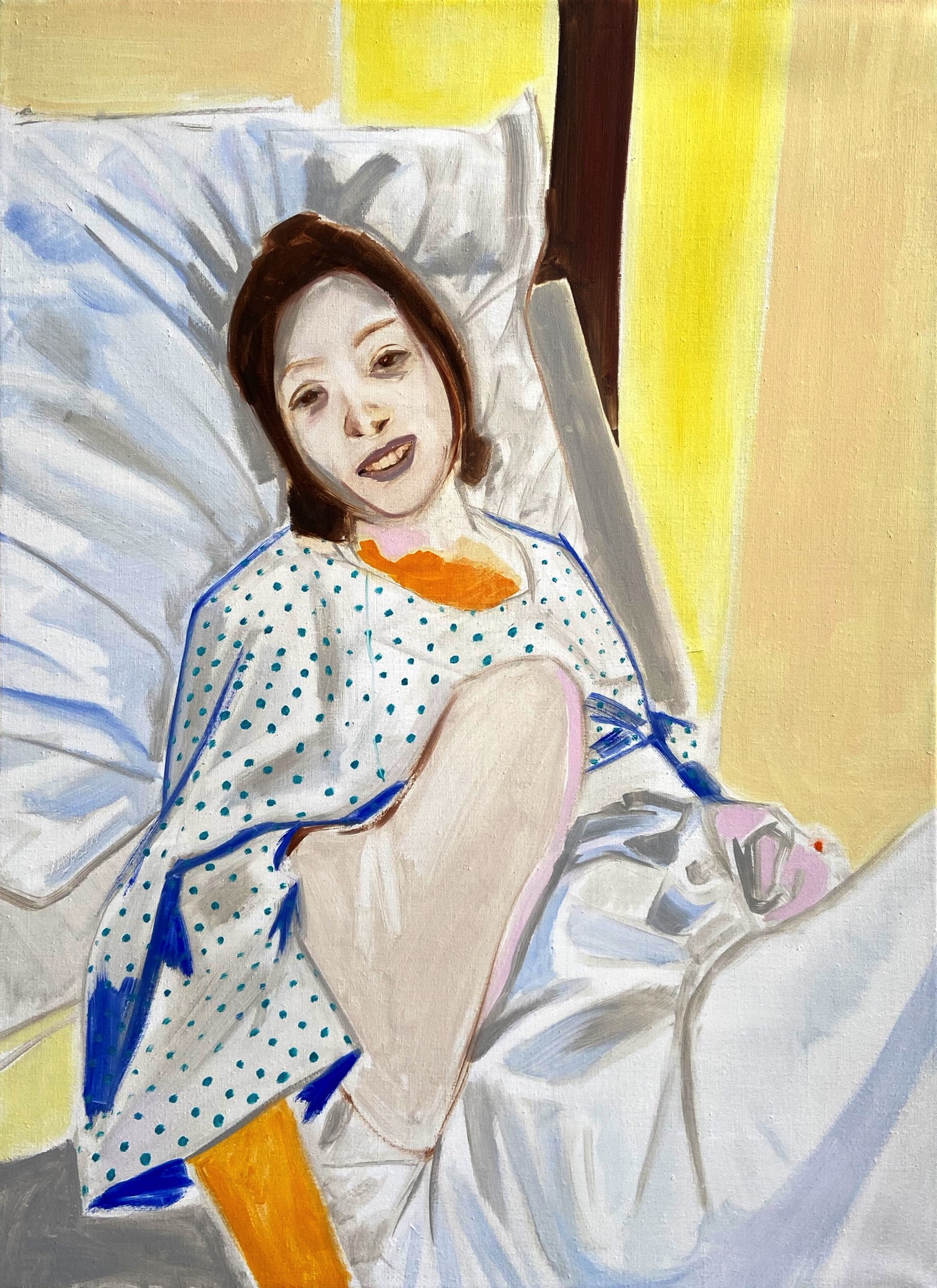
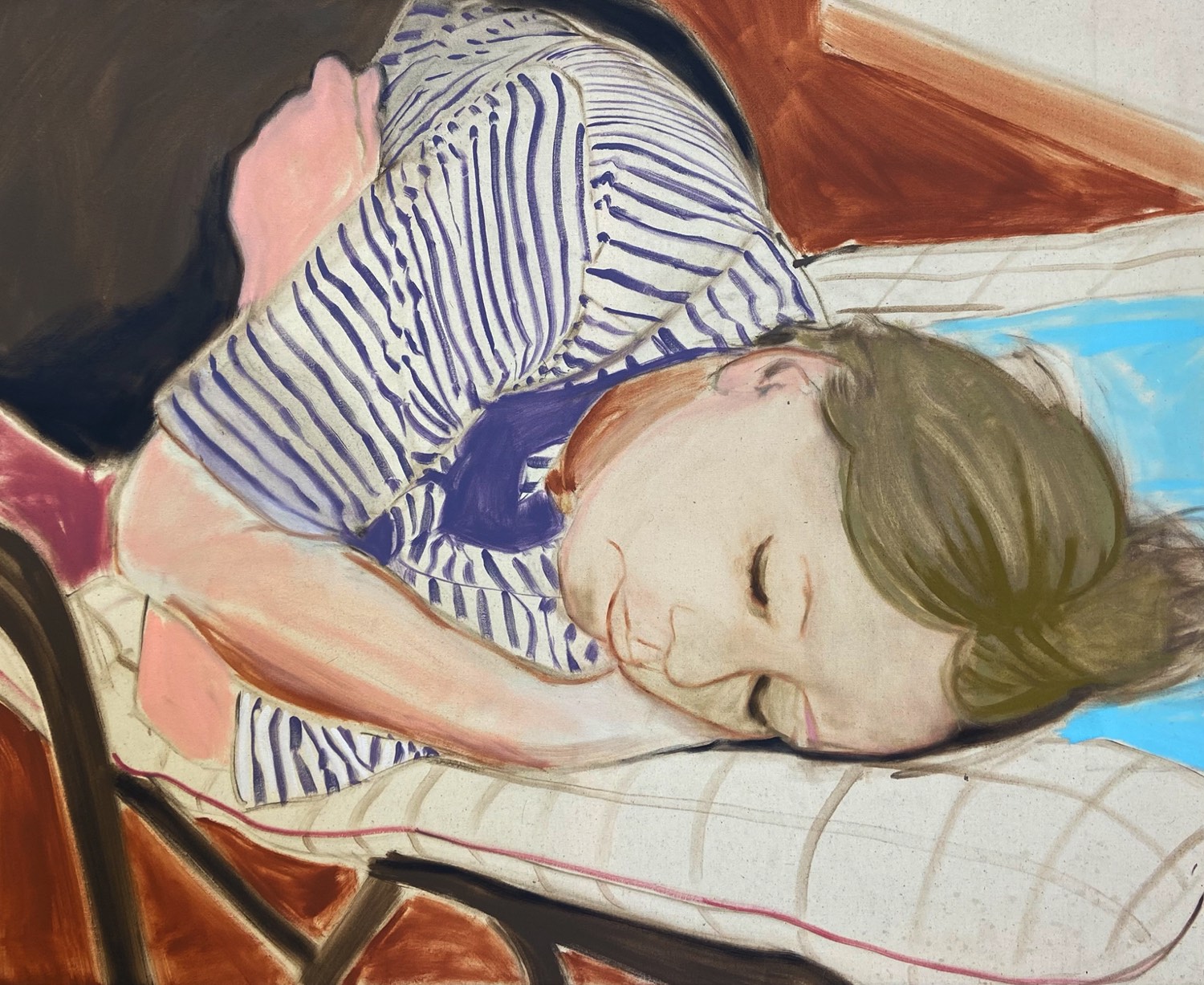
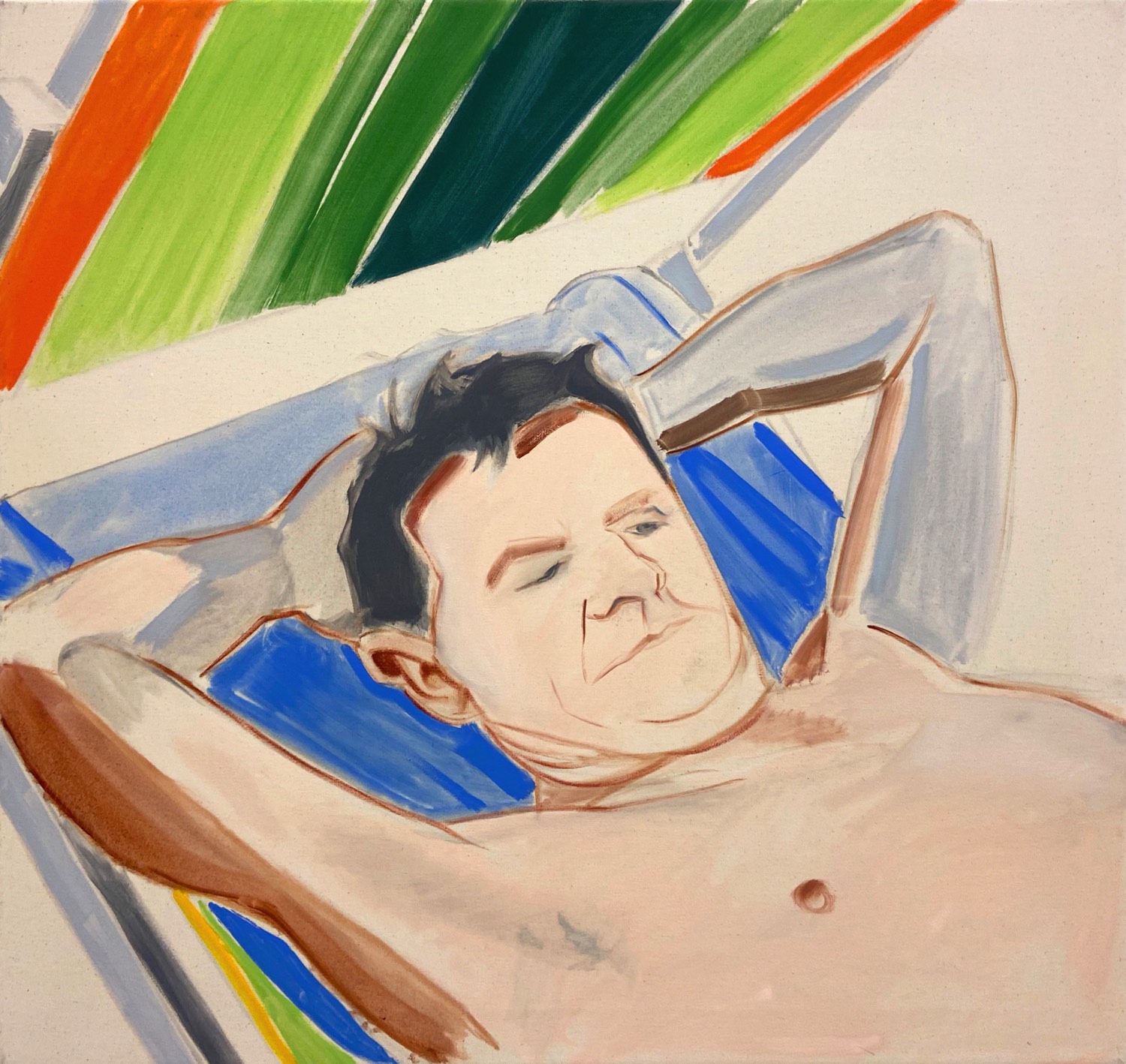
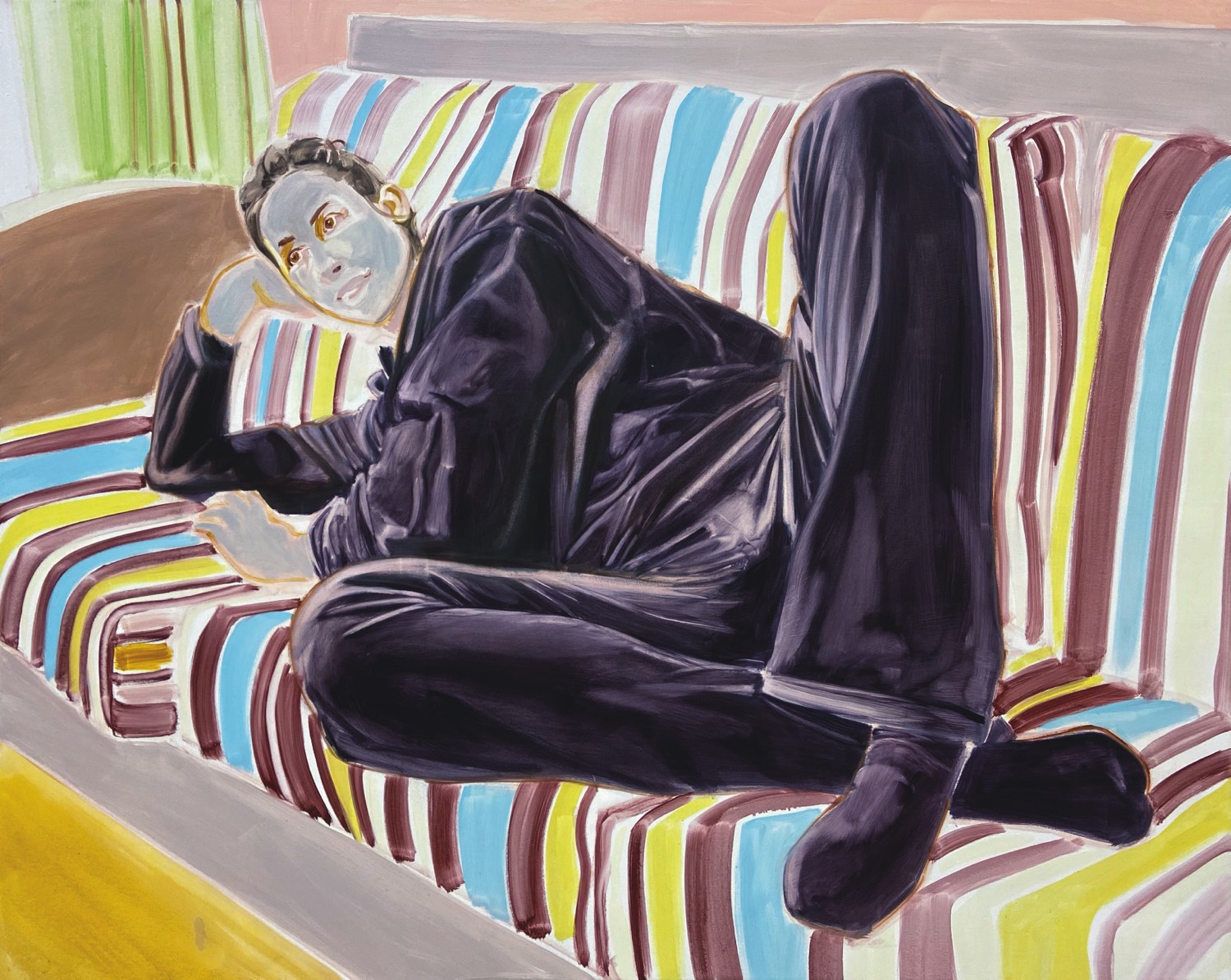
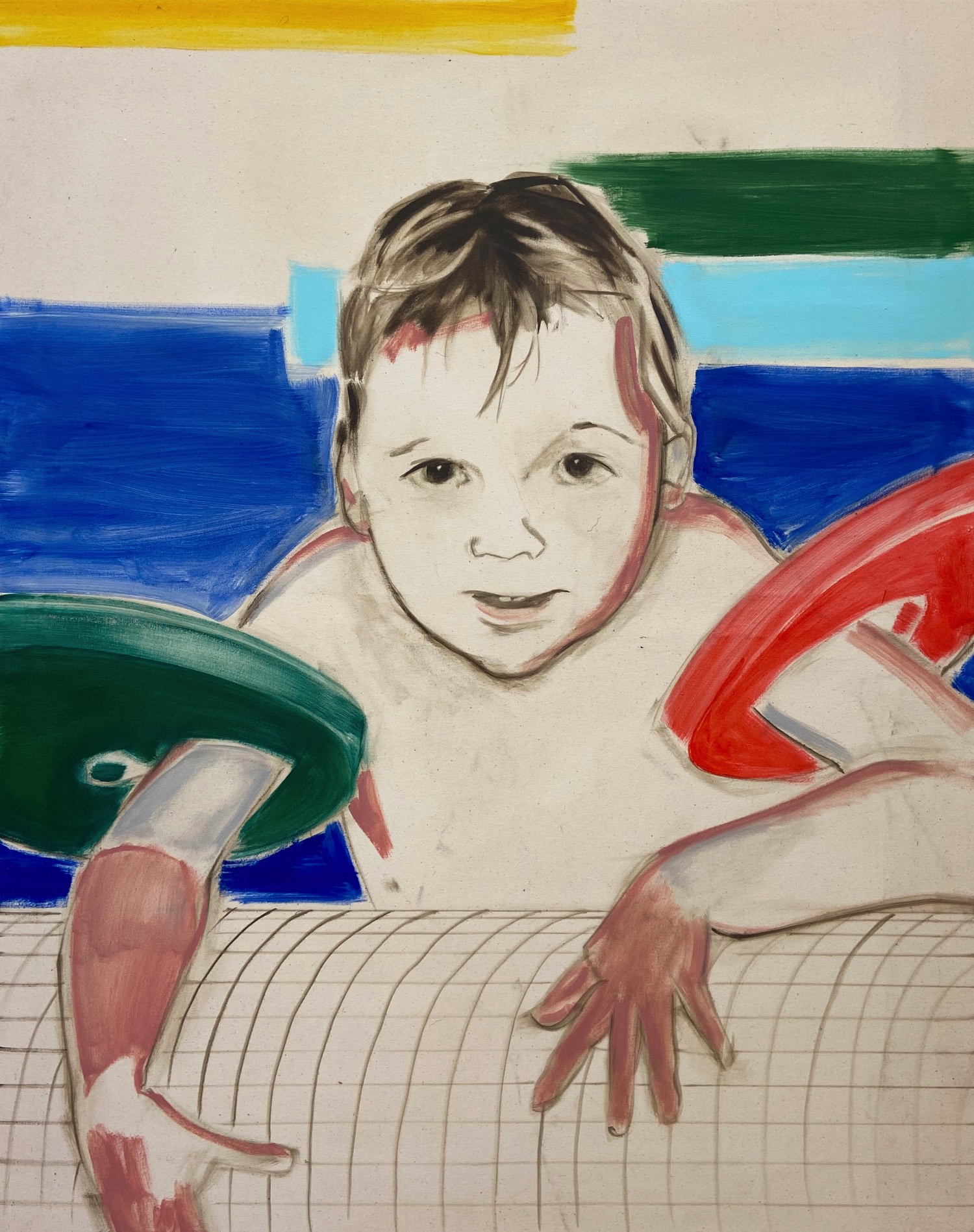
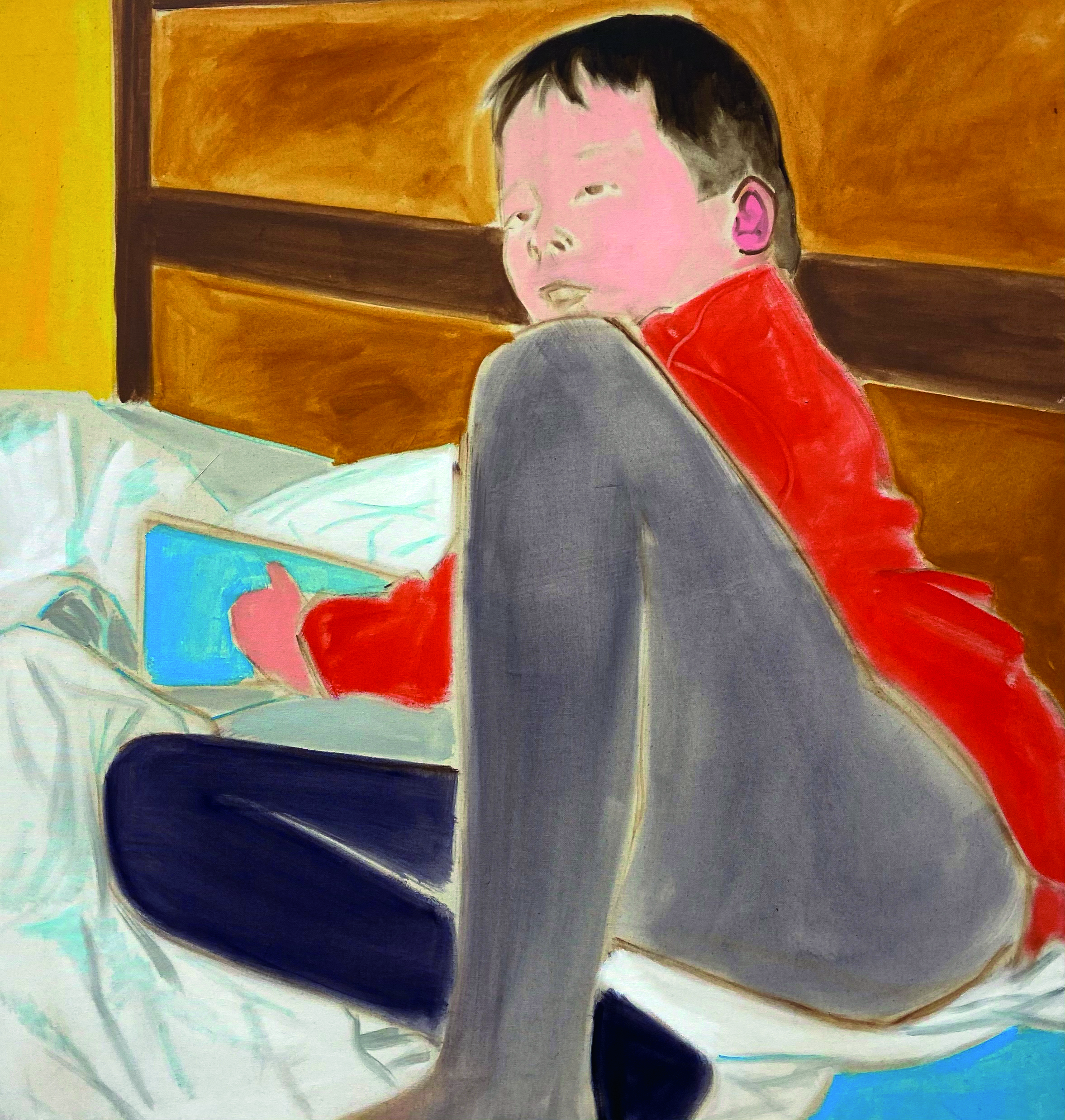
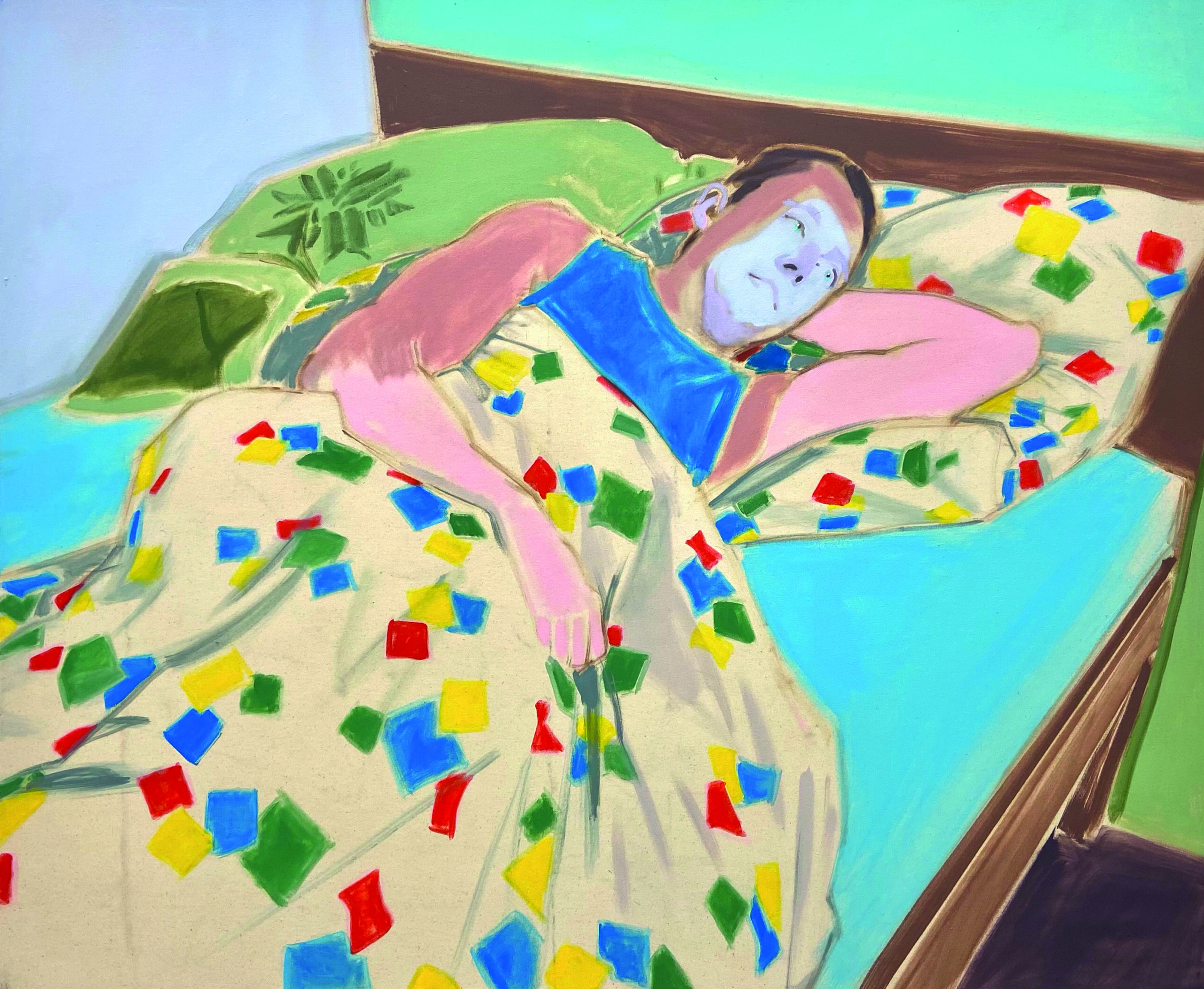
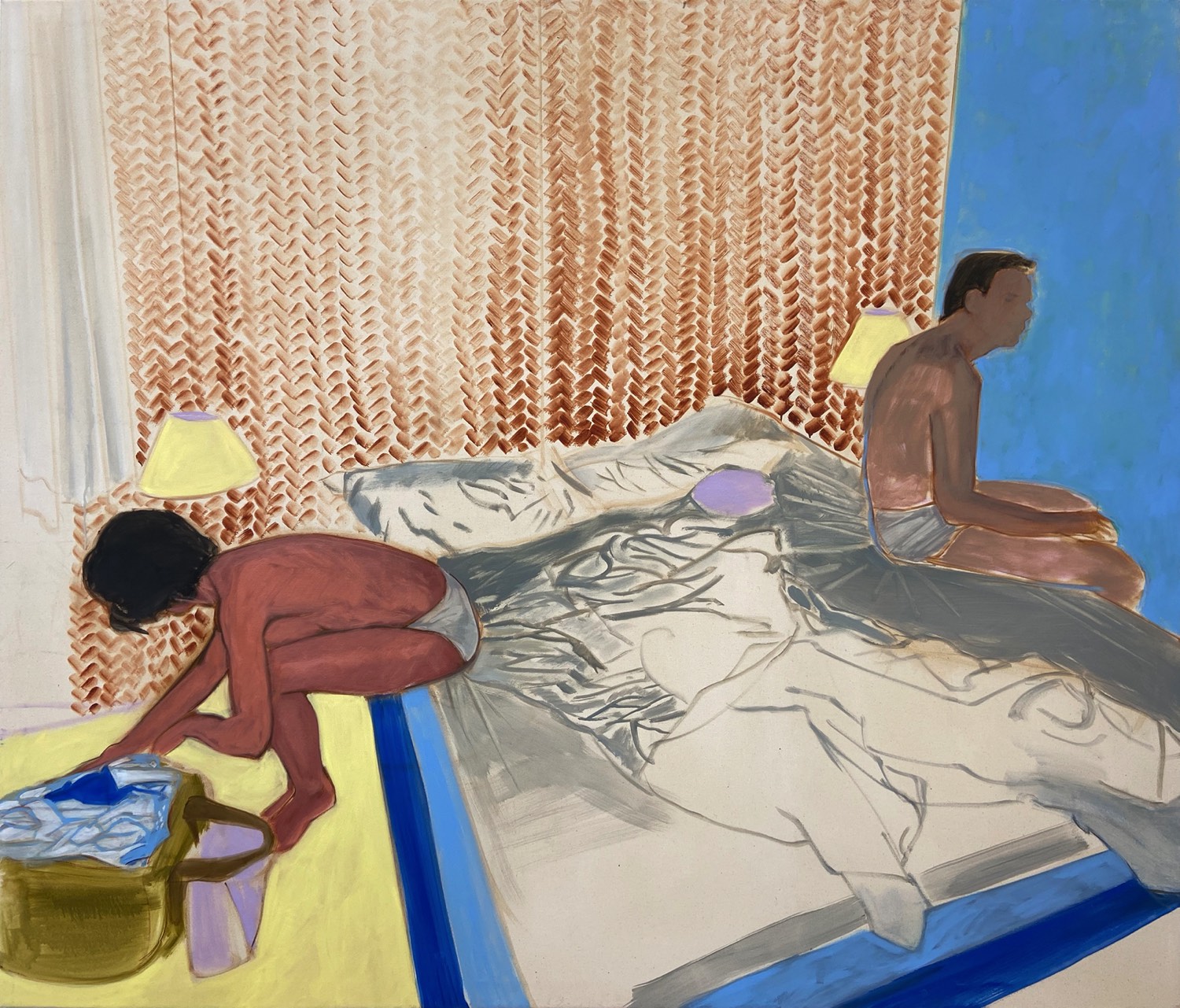
Moritz Moll (1991) has been studying fine art from 2015 to 2021 with a focus on figurative painting in the class of Anke Doberauer at the Academy of Fine Arts Munich. Moll combines figure and space with the means of color to create idiosyncratic compositions that grip the viewer in an immediate way. He tries to open up the conventional conception of the figure as a firmly delineated outer form in order to bring out its mobile, mutable and modelable character. The source material, which ranges from personal photographs, film stills and archive images to art history, increasingly becomes the pure occasion for a painting that lives entirely from the tension-filled interplay of two and three-dimensionality.
» My art is an acknowledgement of the past, understood as a string of patterns, structures and processes that manifest themselves in us. In my work I process memories and visions of people close to me. My paintings are characterized by an ambiguity regarding the readability of emotion and situation. No work stands alone, each connects with the next and thus creates a constantly changing narrative. «
In his latest series of paintings, « Sleepers, » consisting of several large-format, color-intensive portraits, Moll discusses the motive of the resting person in a variety of ways. The works oscillate between relaxation and restlessness and inevitably pose the question of the quality of sleep. In a process of search and discovery, the boundaries between relaxed dozing and insomnia are explored. The ambivalence of the works becomes formally clear. The bright colors accompany the subjects in their search for rest and sabotage the endeavor in equal measure.
Exhibition from March 2nd till April 23rd, 2021 Openings (Quartier des Bains) : 18, 19, and 20 of March, 2021, from 12:00 to 18:00
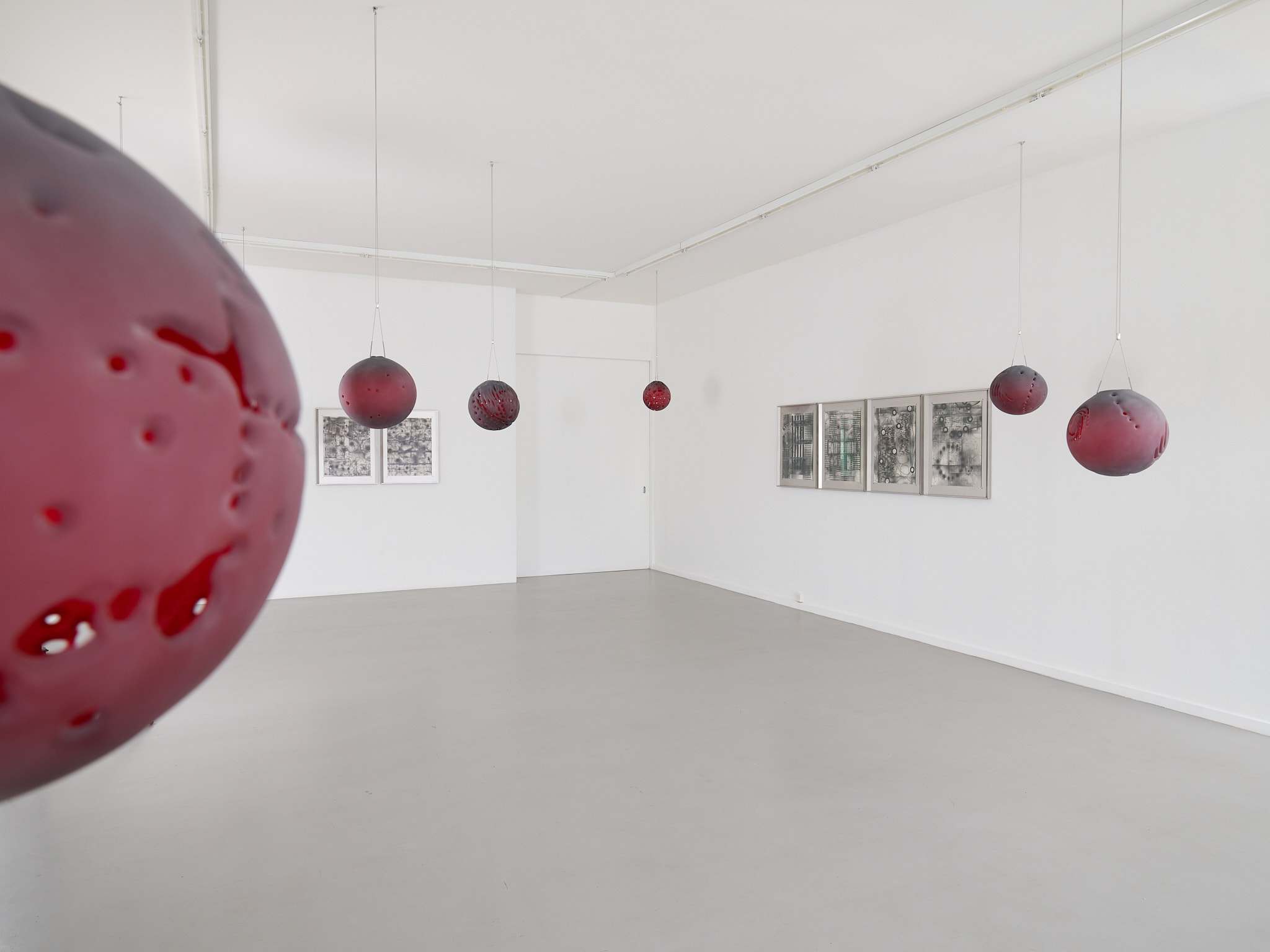
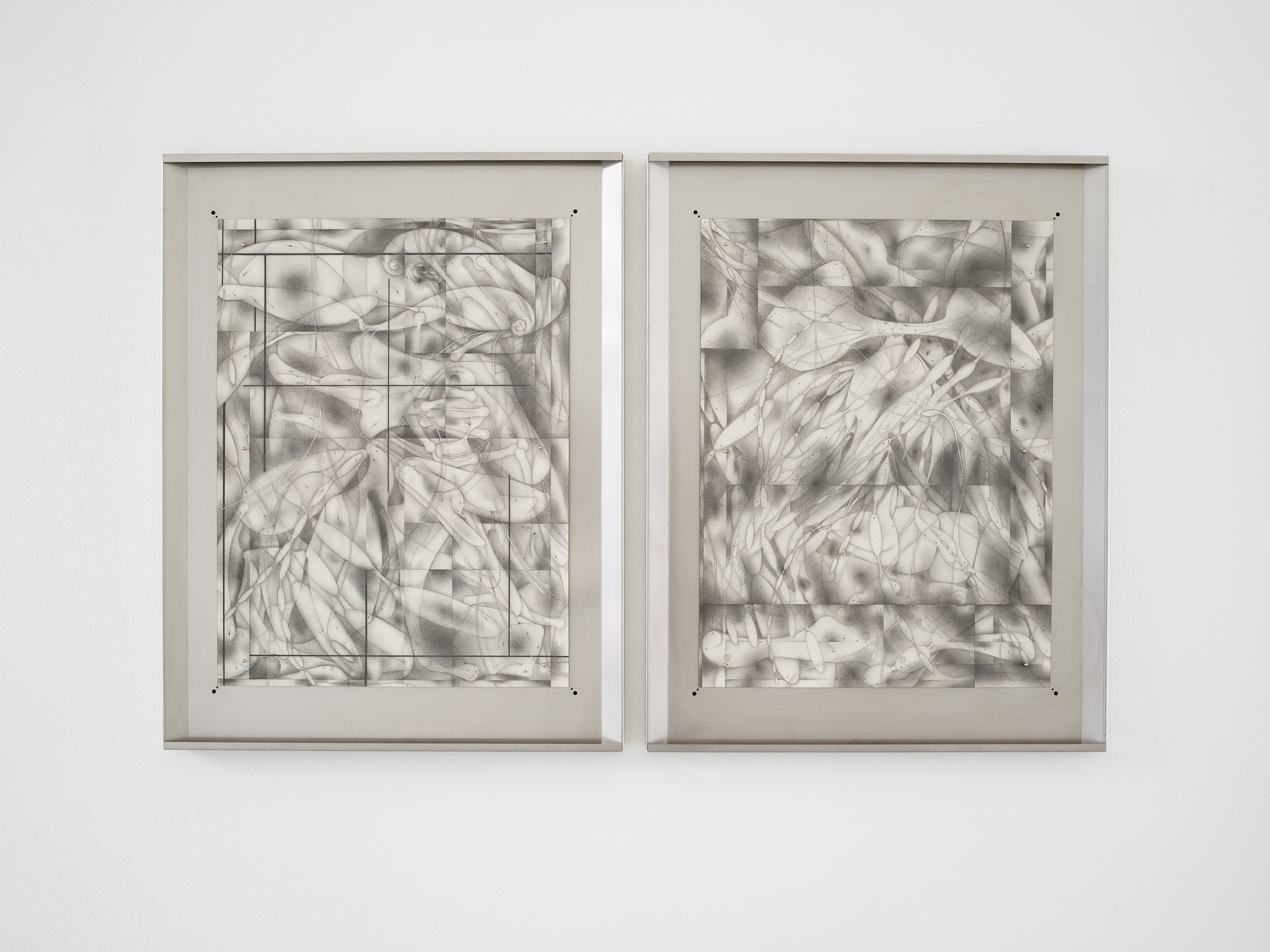
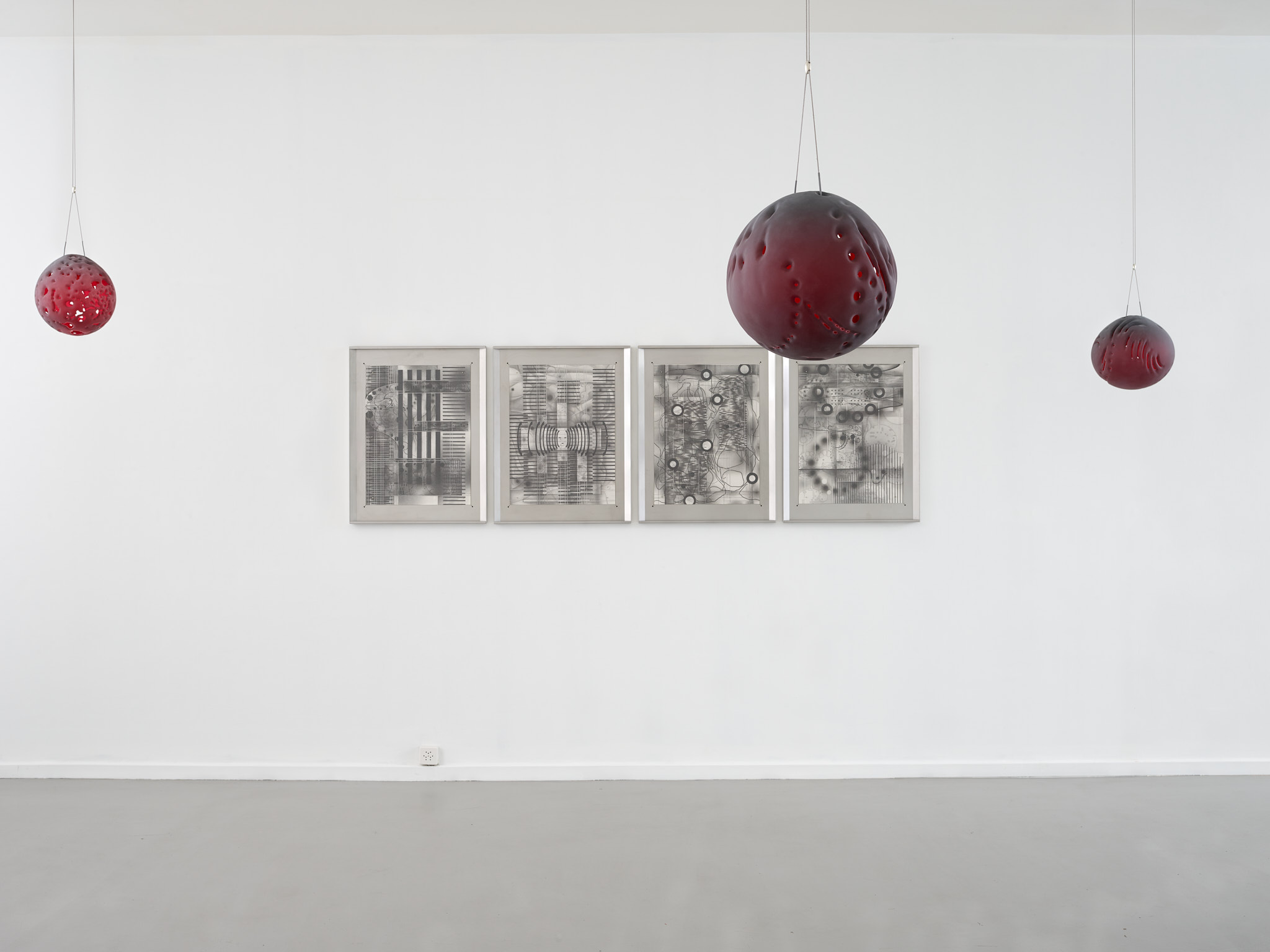
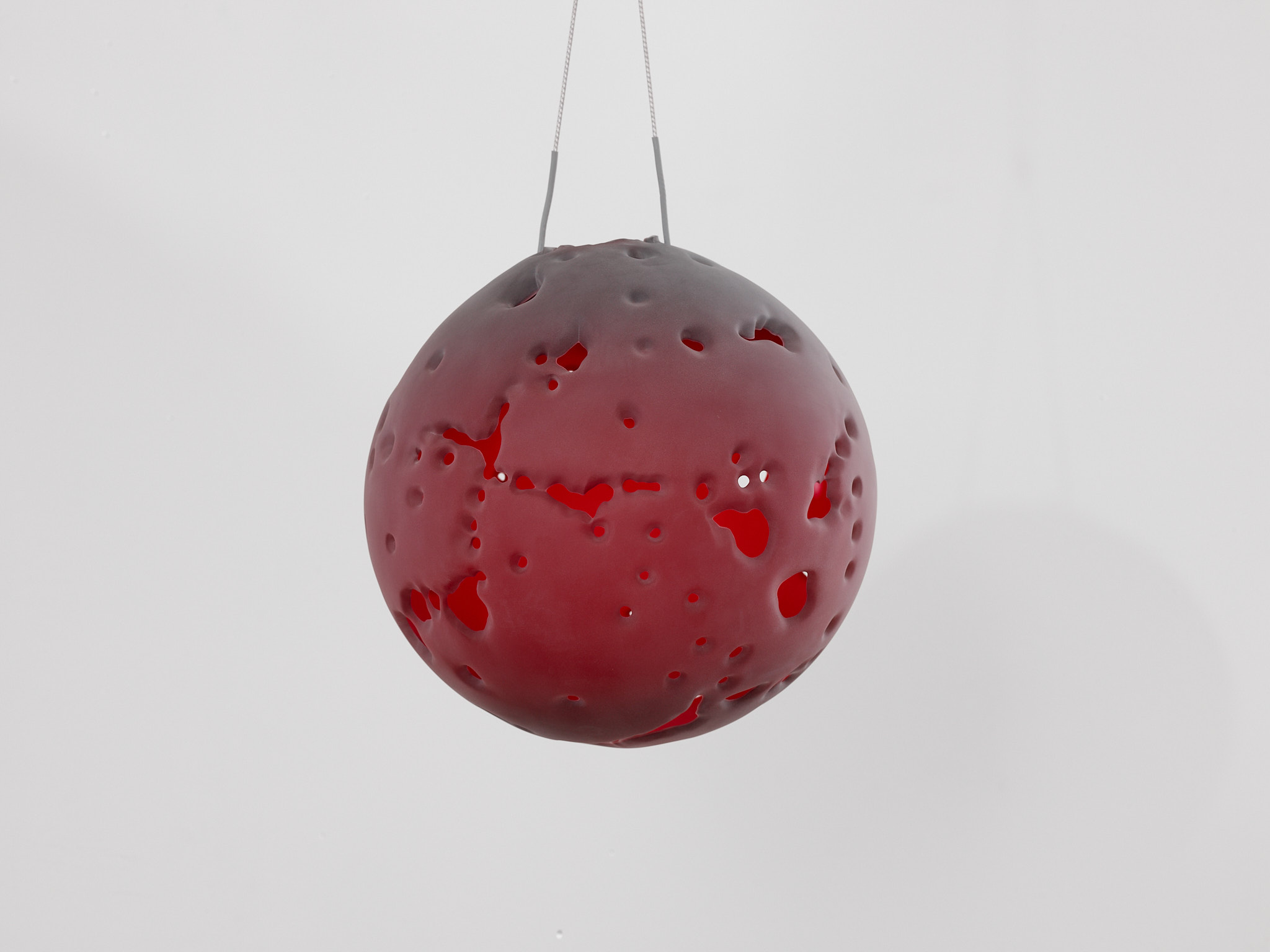
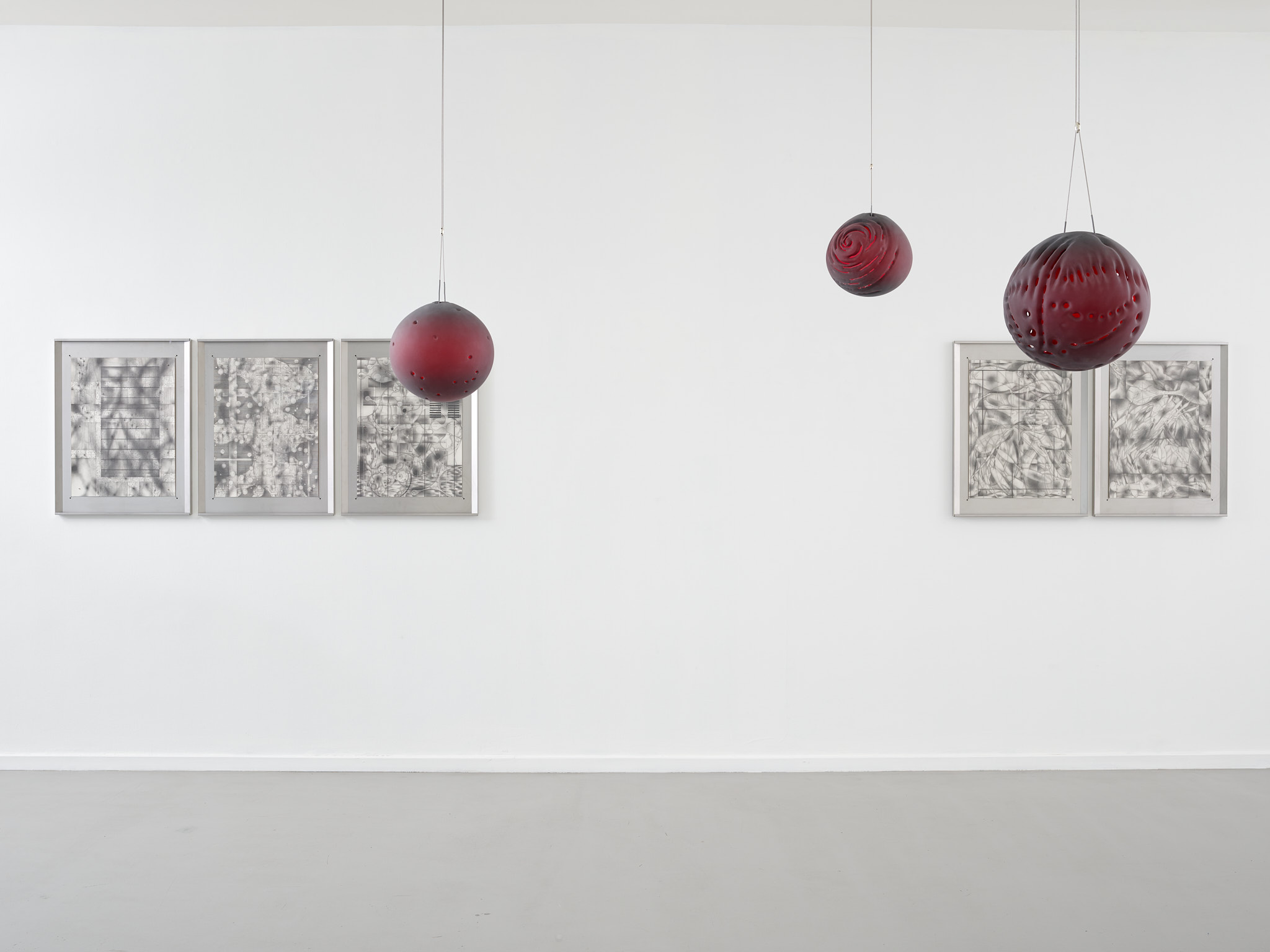
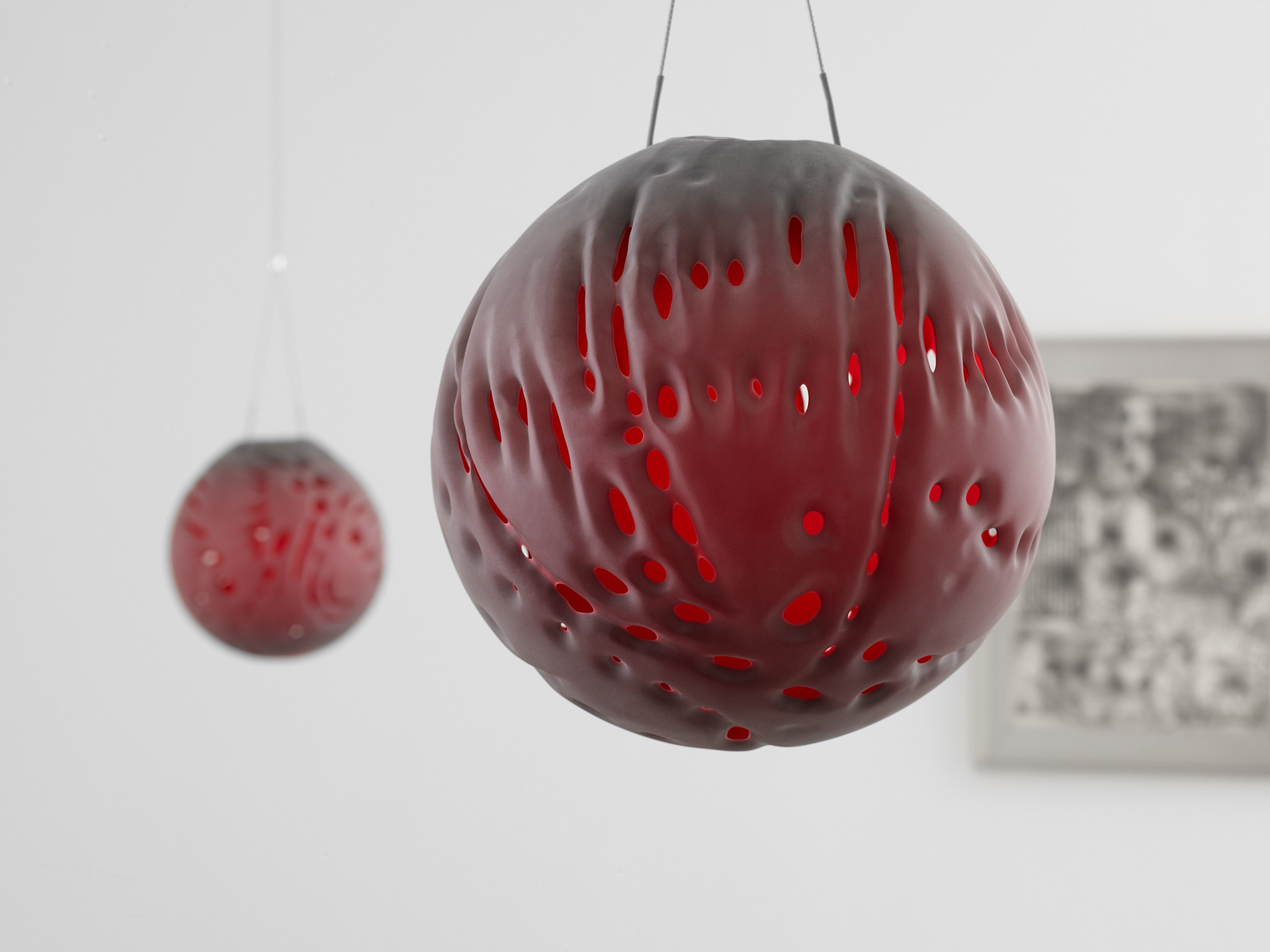
Guillaume Dénervaud’s artistic practice combines drawing, print, sculpture and installation with an interest in forms stemming from comics, science fiction, film and literature. He also draws inspiration from the real world, mixing references to decorative or utilitarian objects and bringing to light techniques, materials and forms often derived from crafts, design or more simply from popular culture and daily life. He associates contemporary and more vintage production methods with forgotten or rediscovered traditional skills. With a strong interest in printing techniques, he revisits processes such as airbrushing, graphite powder, lithography, screen printing and analogue and digital printing. This freedom in his choice of mediums generates untraceable and not easily recognisable printing methods, often superimposed and intermingled, producing highly pictorial, atmospheric and psychedelic effects of colour, light and transparency, as though in motion and deeply sensual. This richness and creative freedom gives Dénervaud’s work the impression of an aesthetic shift, with techniques and forms that appear to belong to the early 20th century, but characterised by perfectly contemporary presentation methods and precision.
View from the exhibition at CEC
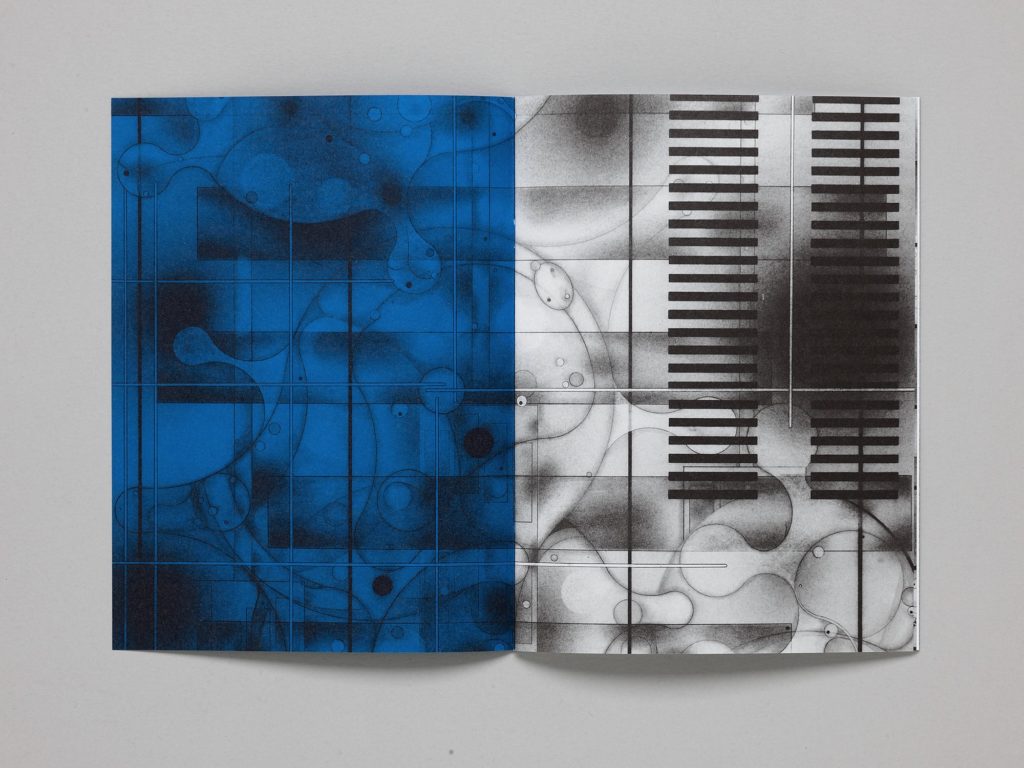
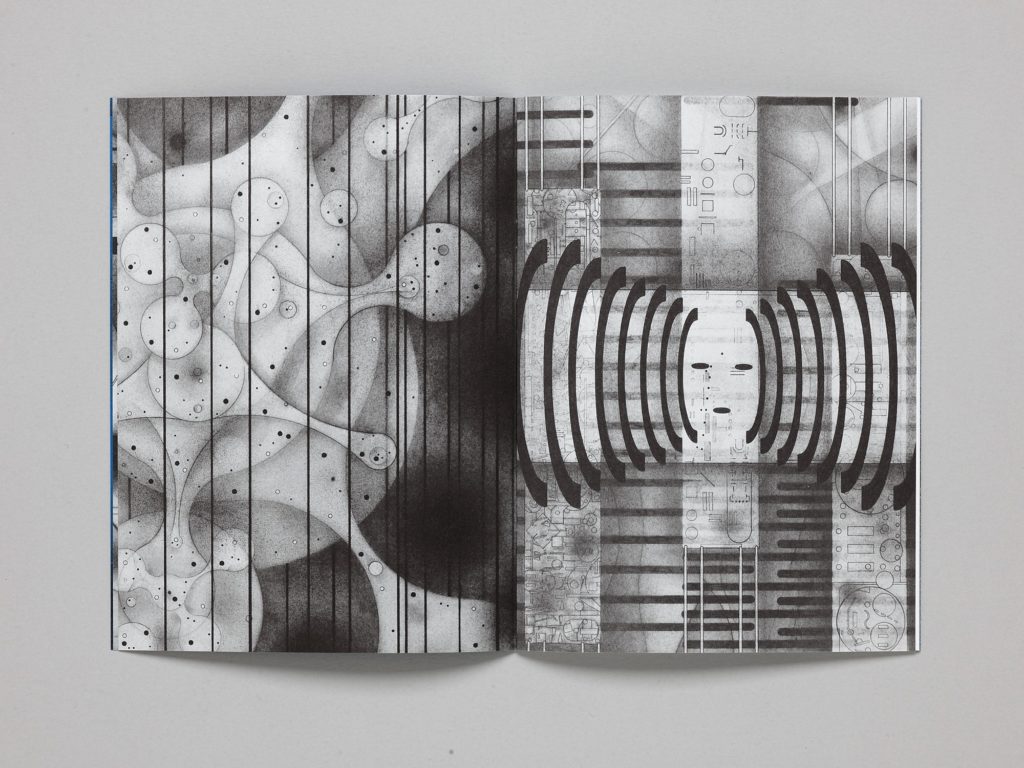
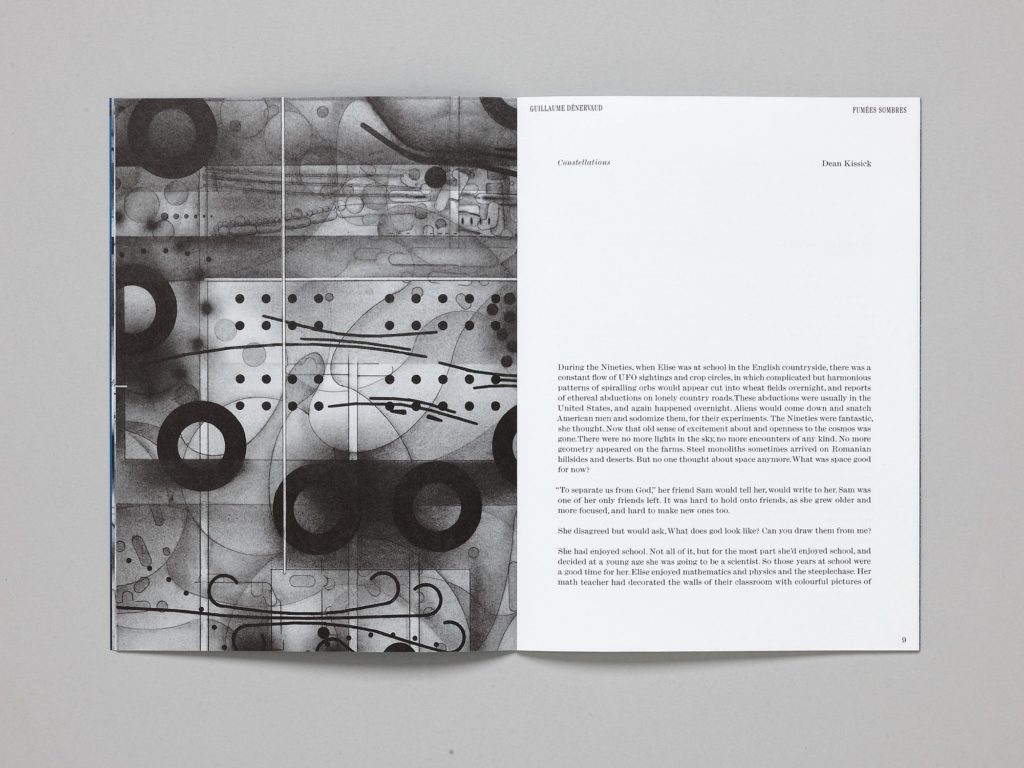
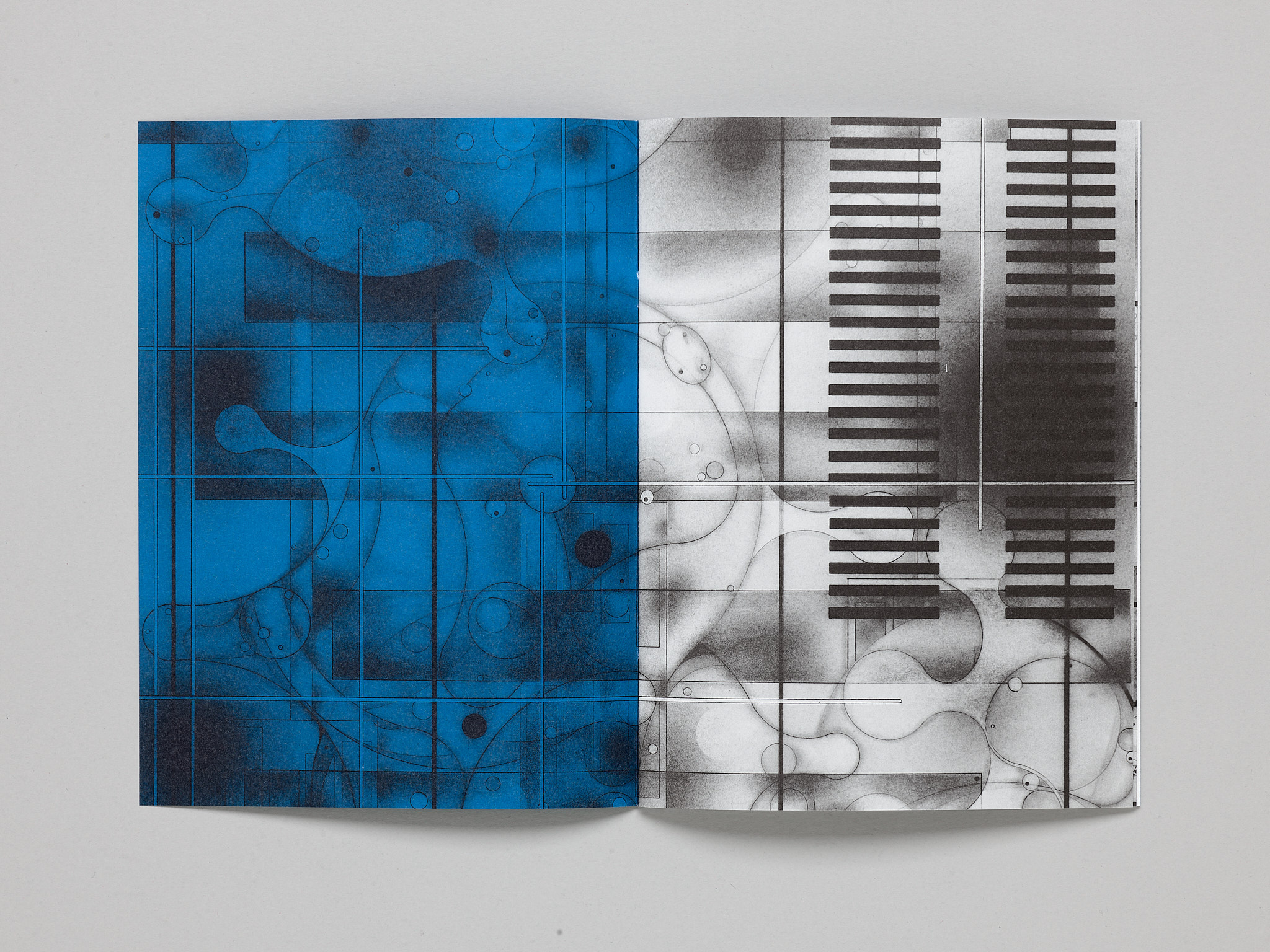
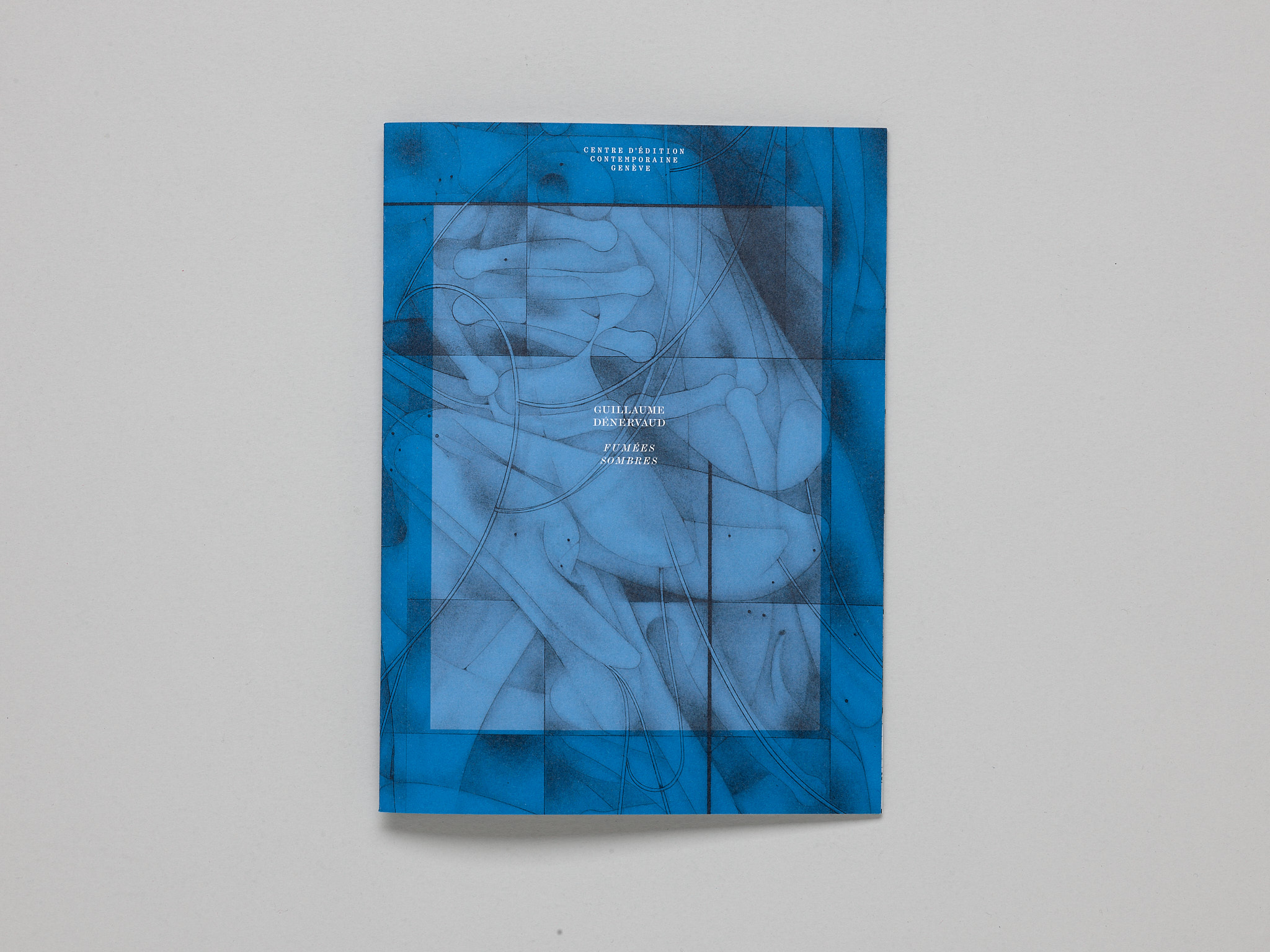
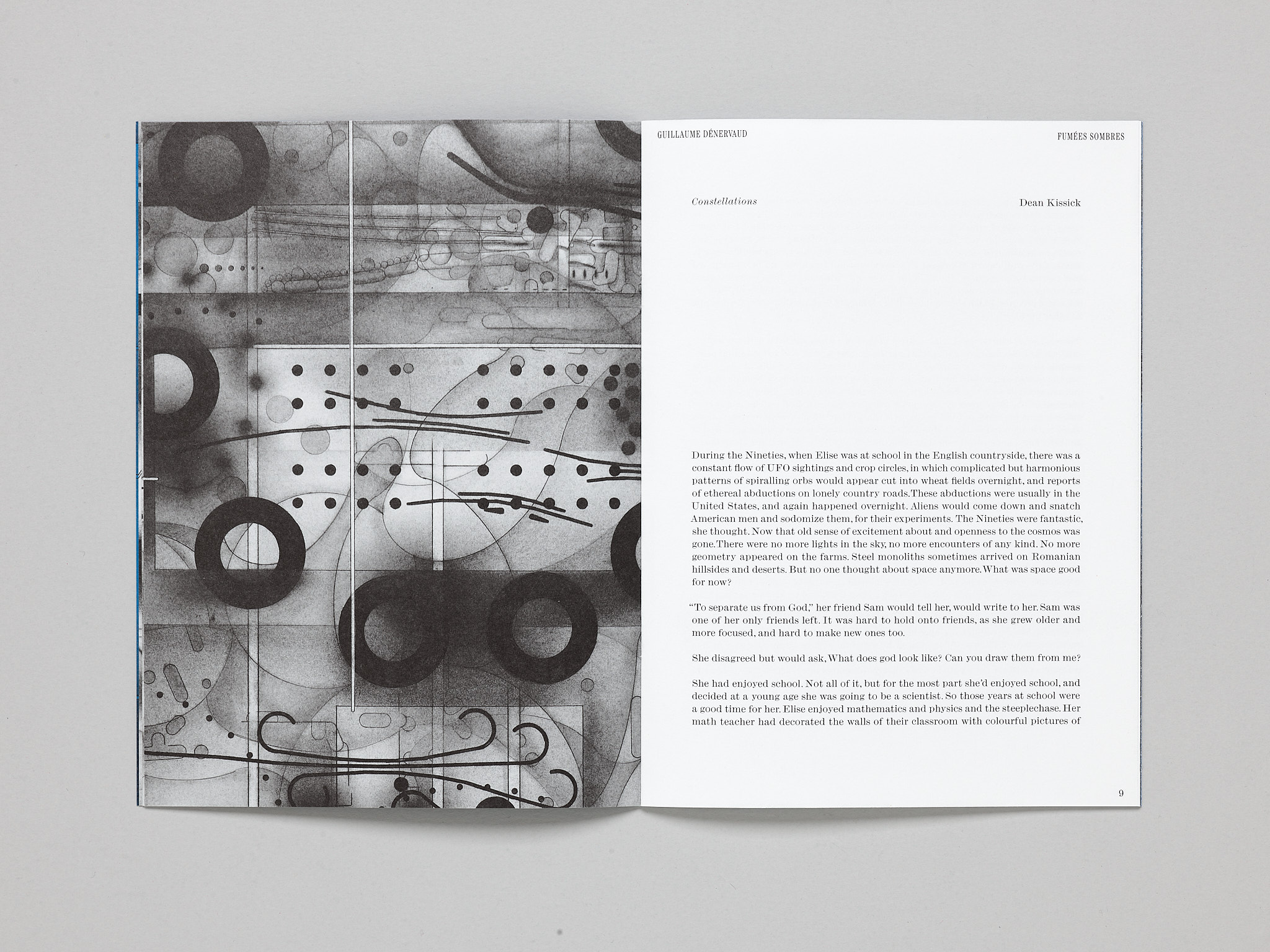
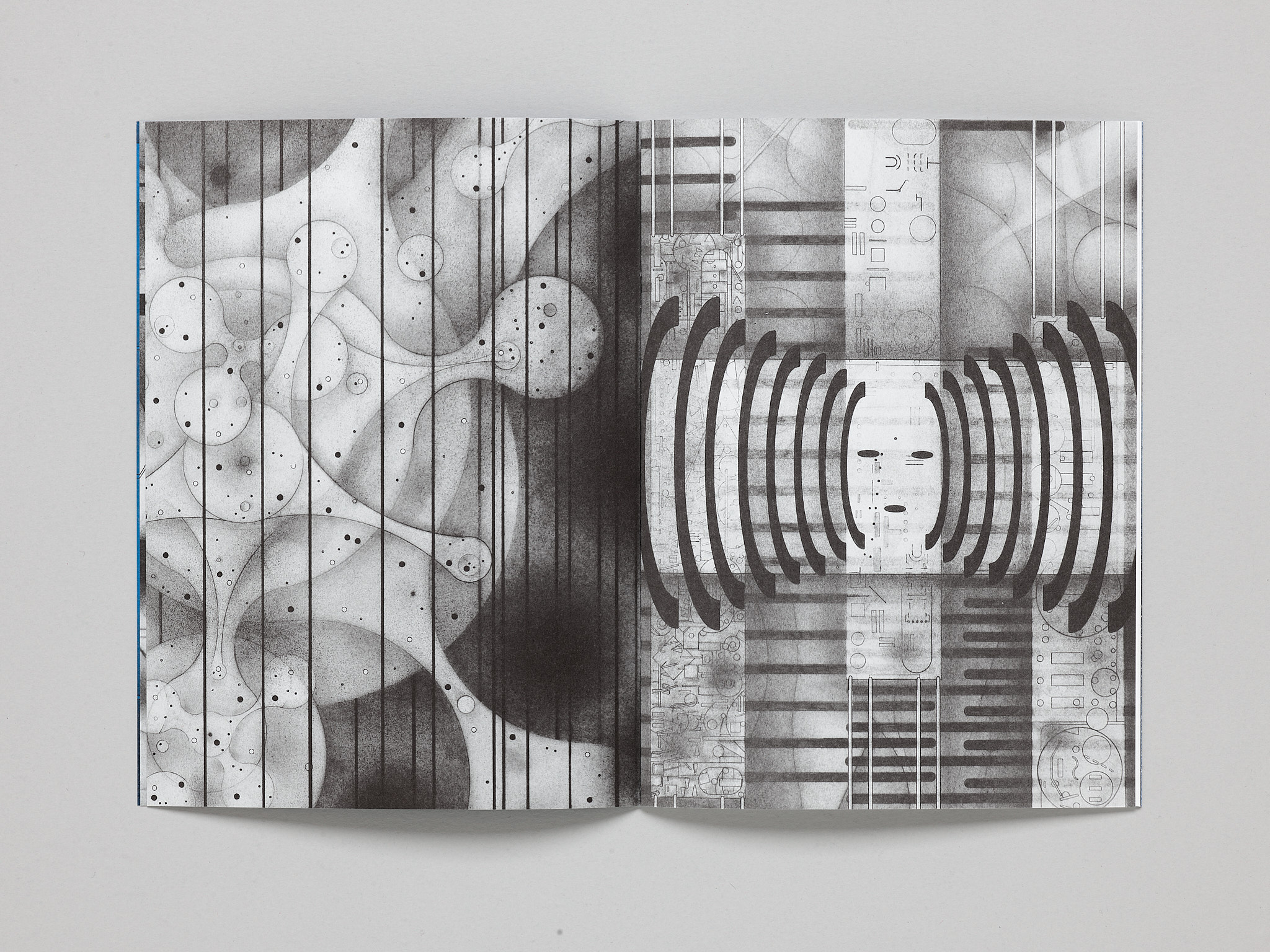
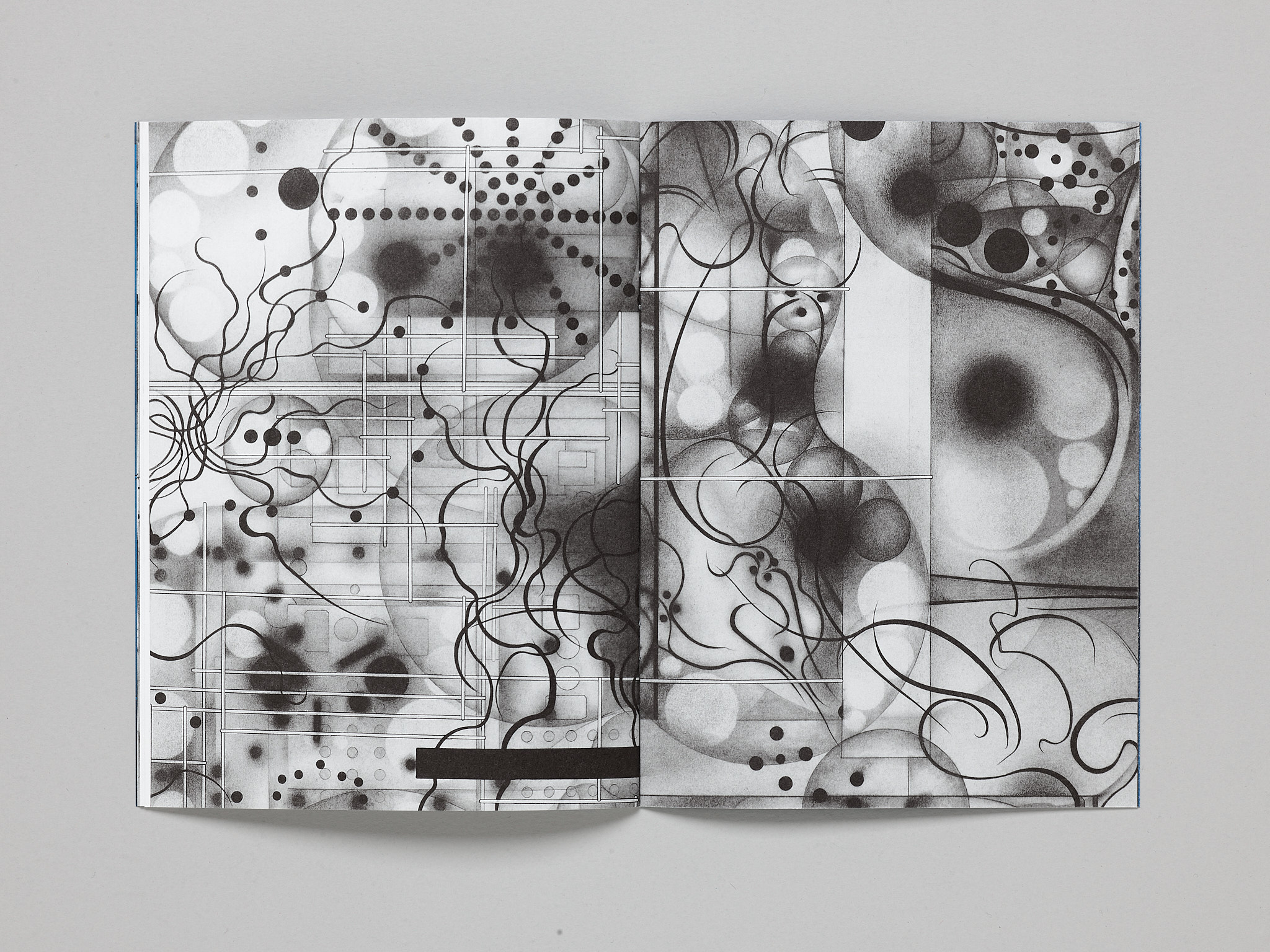
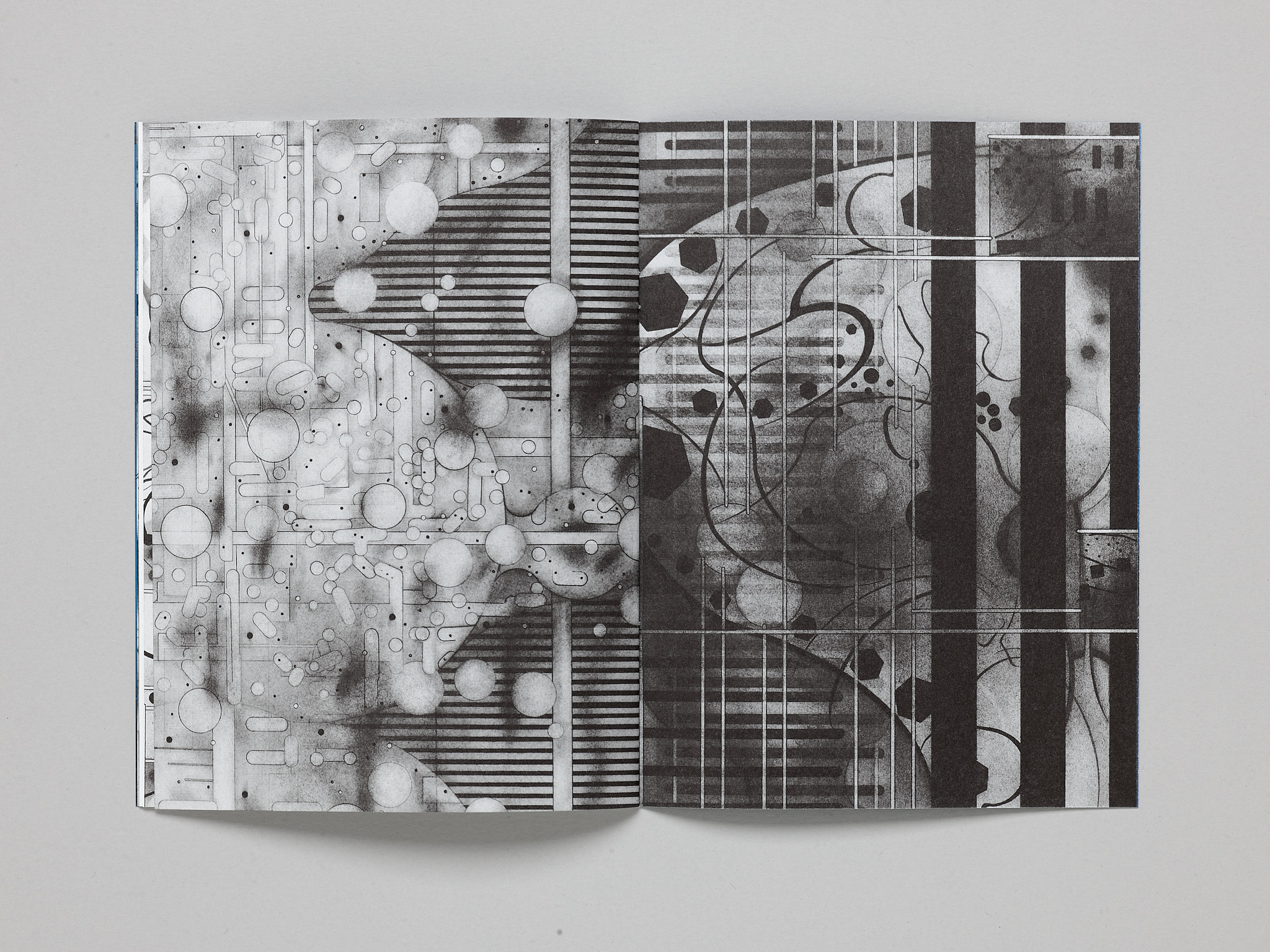
Edited by the CEC (Center d’Edition Contemporaine), the images contained in this publication are cutouts from drawings made in graphite by the artist in a paper format of 46 by 61 cm and part of the Fumées Sombres series (2020).
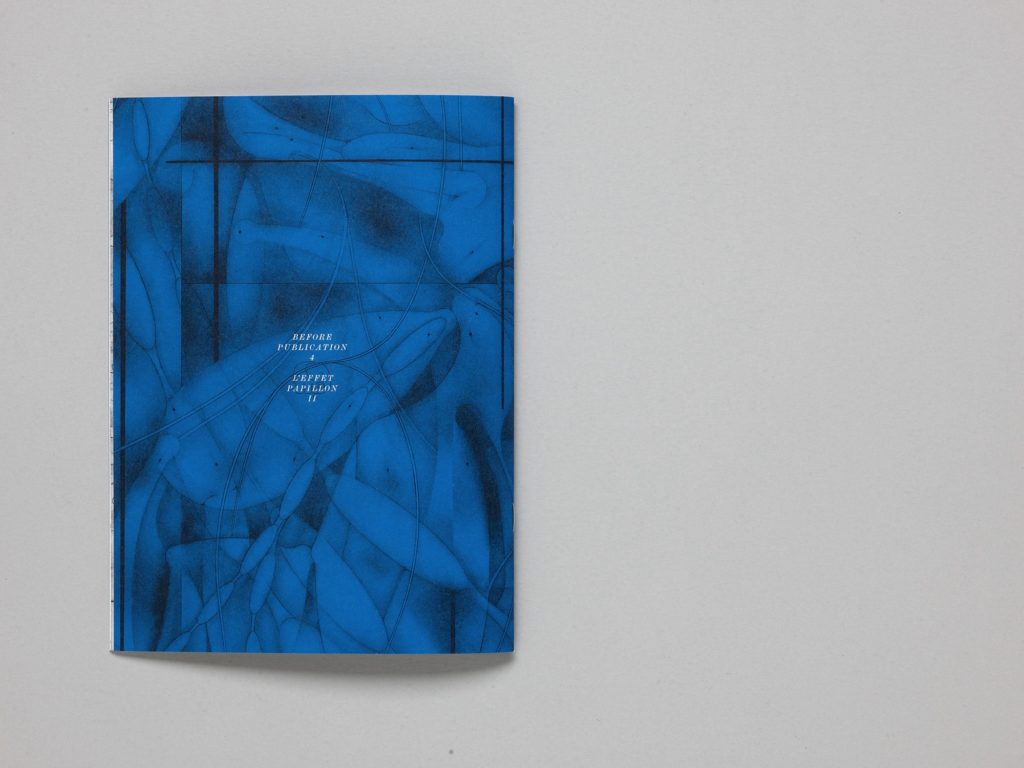
Guillaume Dénervaud, Fumées Sombres, Before publication 4, brochure, 20 pages, published in the Before publication collection, which gathers the pre-publications – single booklets, 17.2 × 23.5 cm, stapled binding, 250 copies – of authors’ texts or artists’ inserts, which will appear regularly and as a preview before their final publication in L’Effet papillon II (second volume of L’Effet papillon, 1989 – 2007, catalogue of the Centre d’édition contemporaine published in 2008). With a text by Dean Kissick. Graphic design: Niels Wehrspann, Lausanne.
Edition of the Centre d’édition contemporaine – Geneva, 2021. ISBN 978-2-9701369-1-0
Guillaume Dénervaud studied illustration at the École des arts appliqués in Geneva as well as the Work.master programme at HEAD, also in Geneva. He now works in Switzerland and abroad, such as at Red Gate in Vancouver, the Open Studios of the Cité Internationale in Paris, the ODD artspace in Bucharest, the Nicolas Krupp gallery and the Villa Renata at the invitation of Salts in Basel, the Musée Cantonal des Beaux-Arts and Circuit in Lausanne, Hard Hat in Geneva and Fri Art in Fribourg. He has benefited from a residency offered by the Hermès company at the Cristallerie Saint-Louis and soon at the Swiss Institute, New York.