Born in the UK, studied at Chelsea School of Art & Design, MA/FA Painting (1988) Is a British contemporary painter, who lives and works in London.
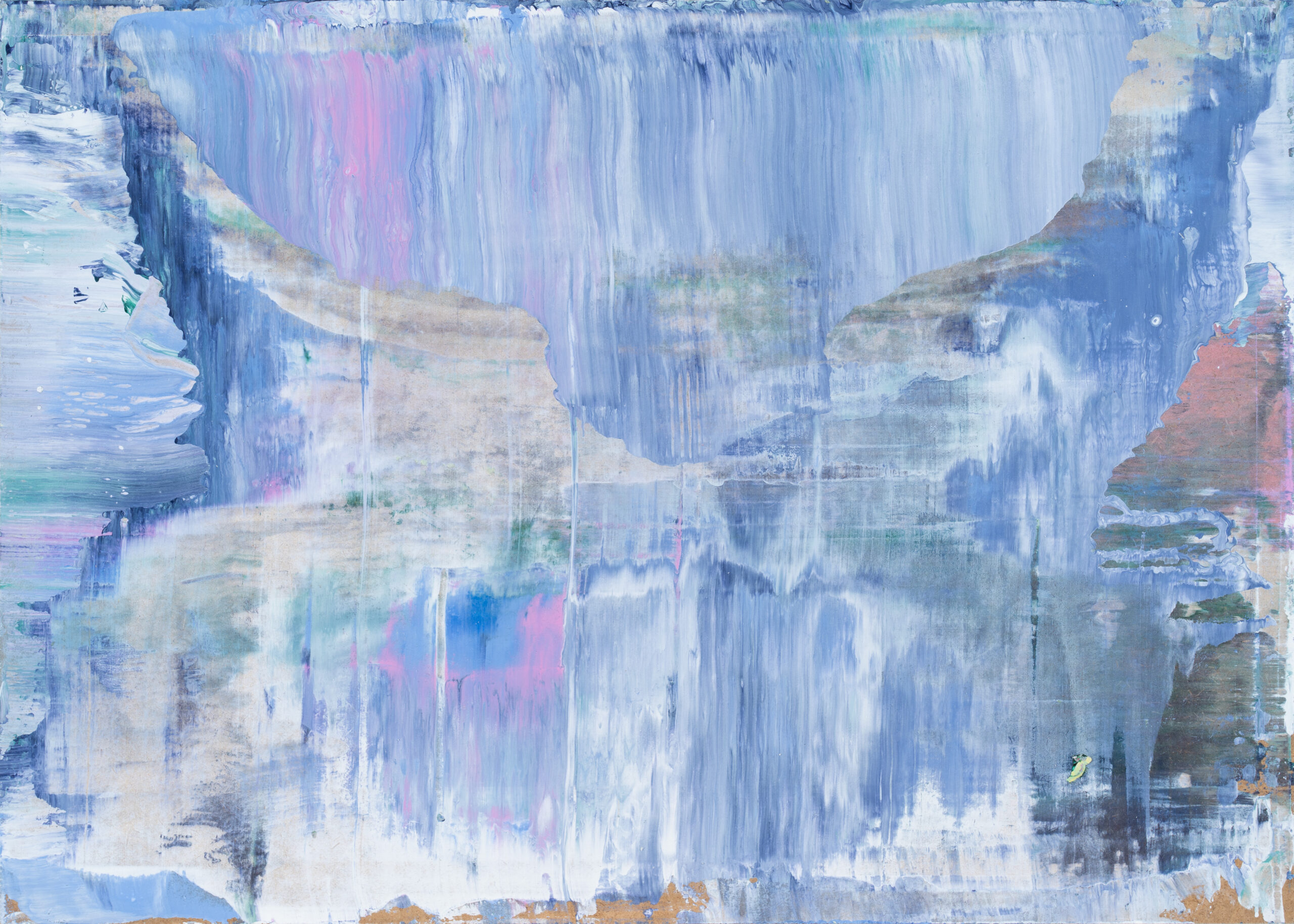
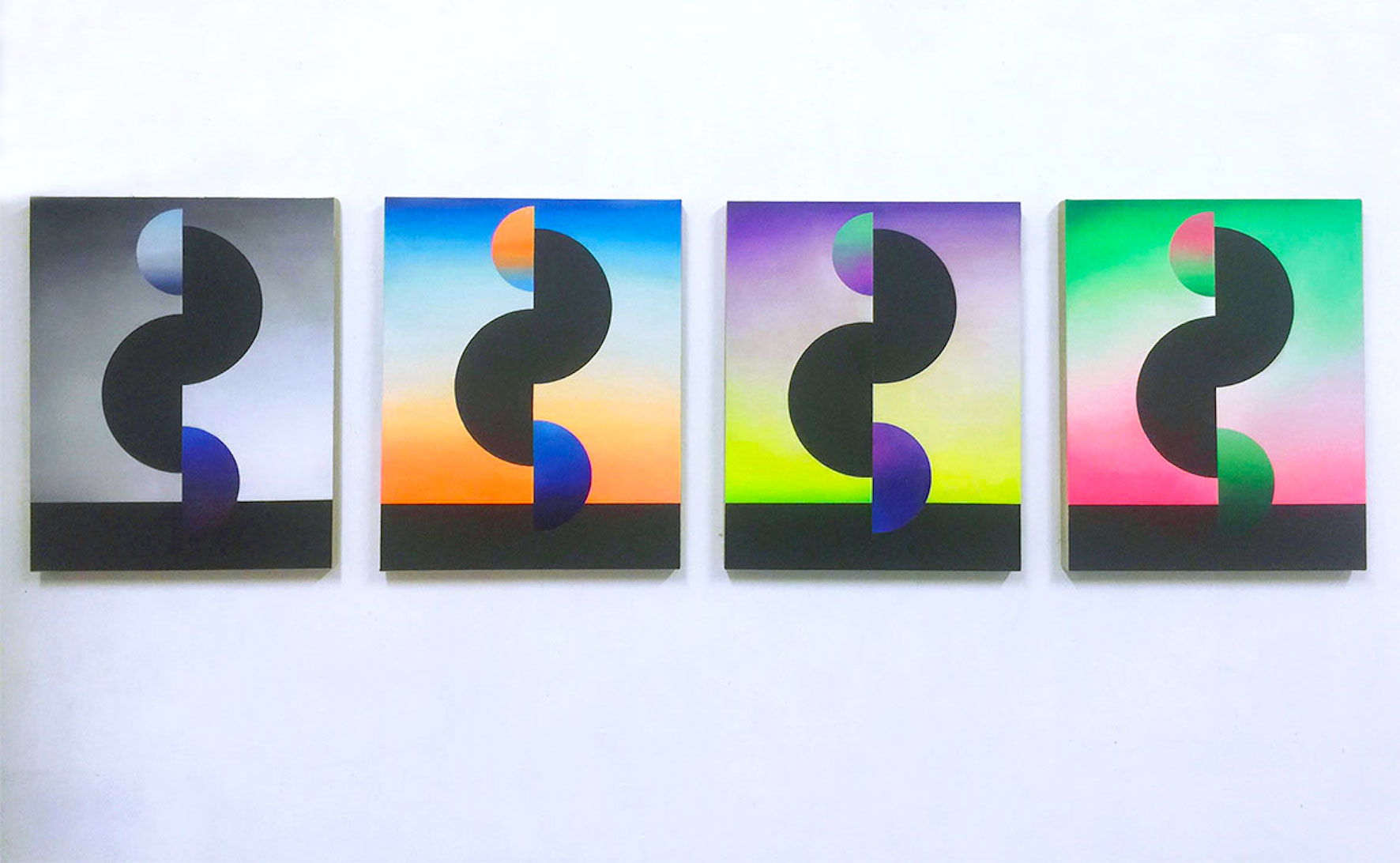
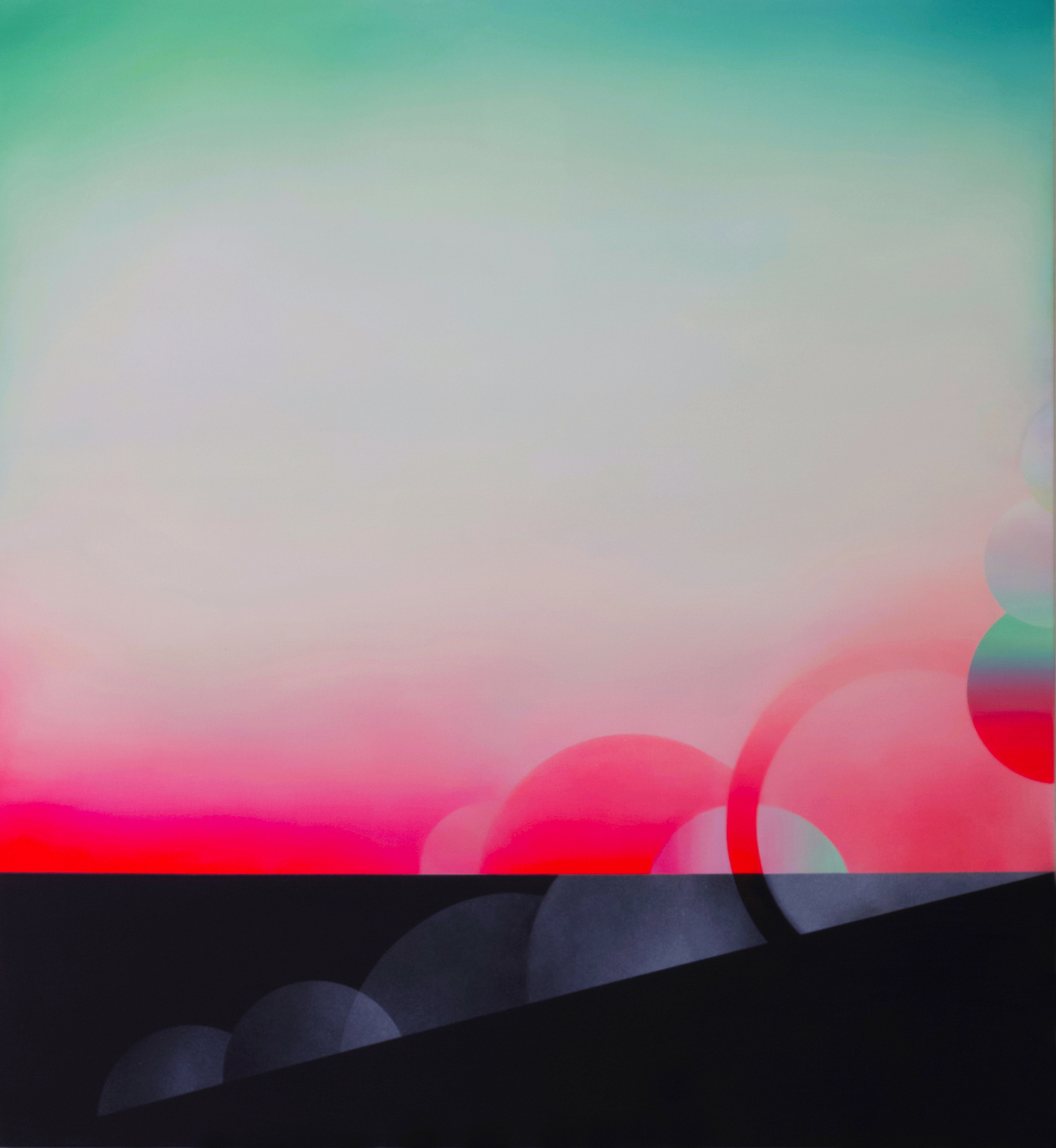
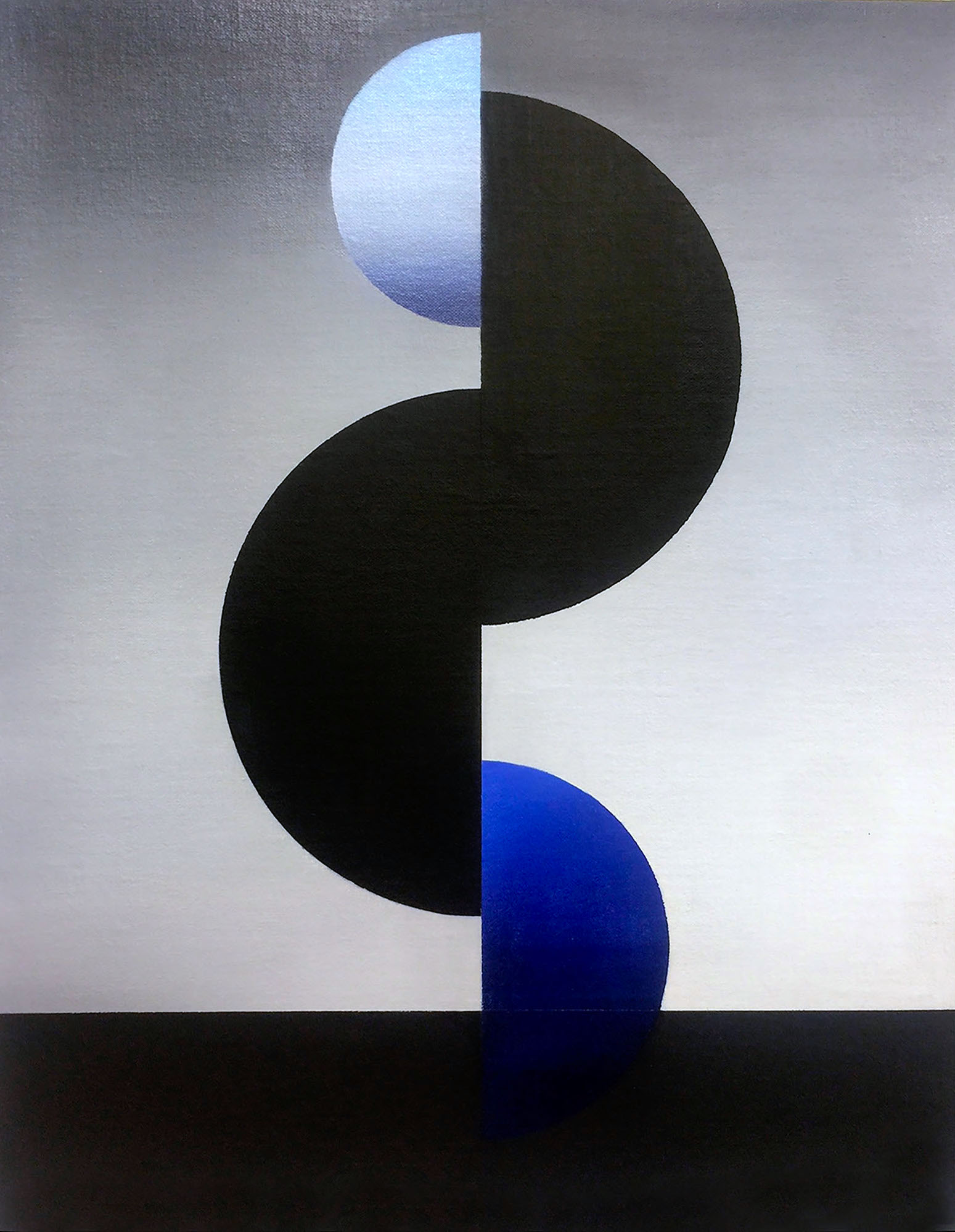
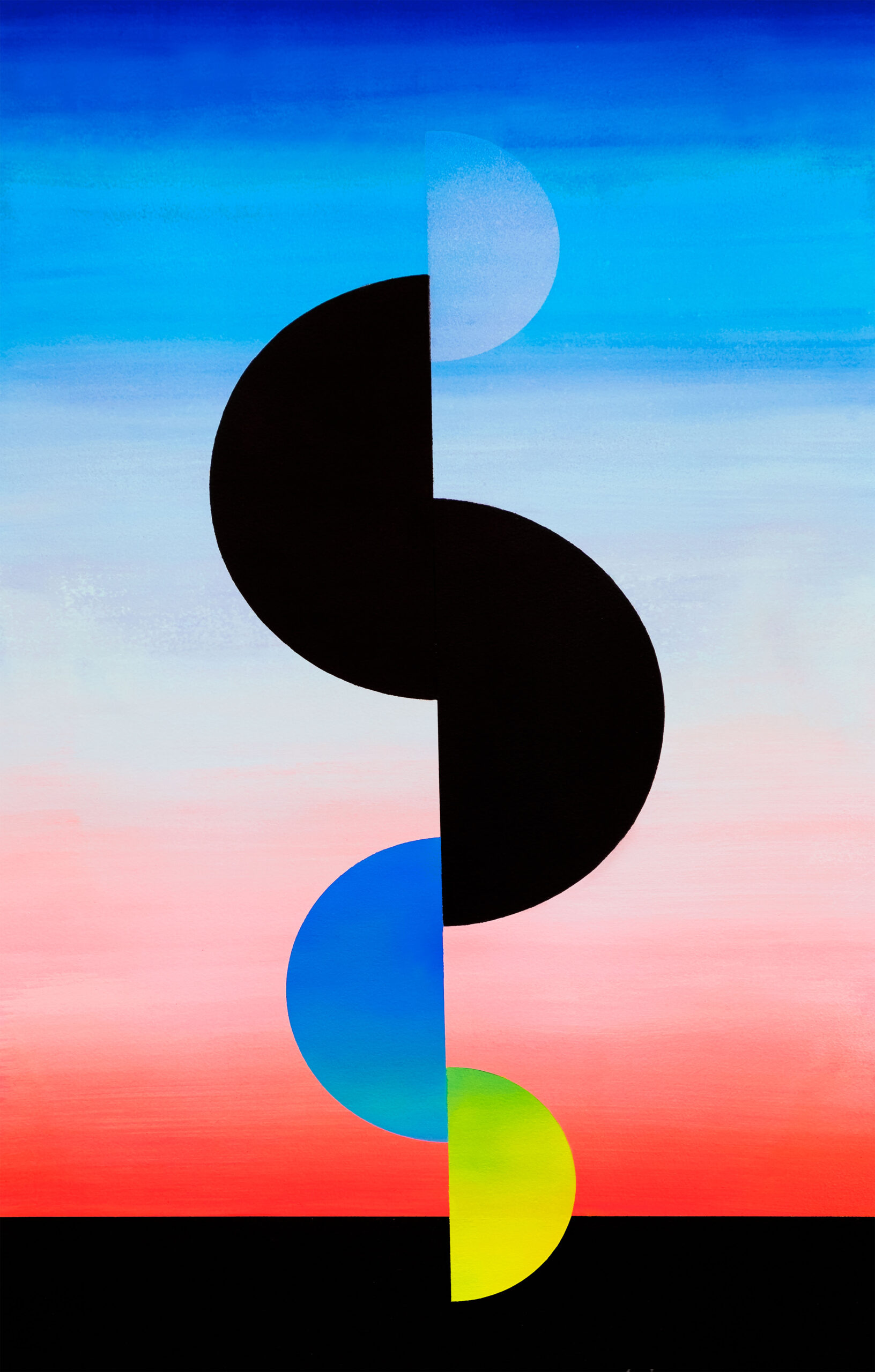
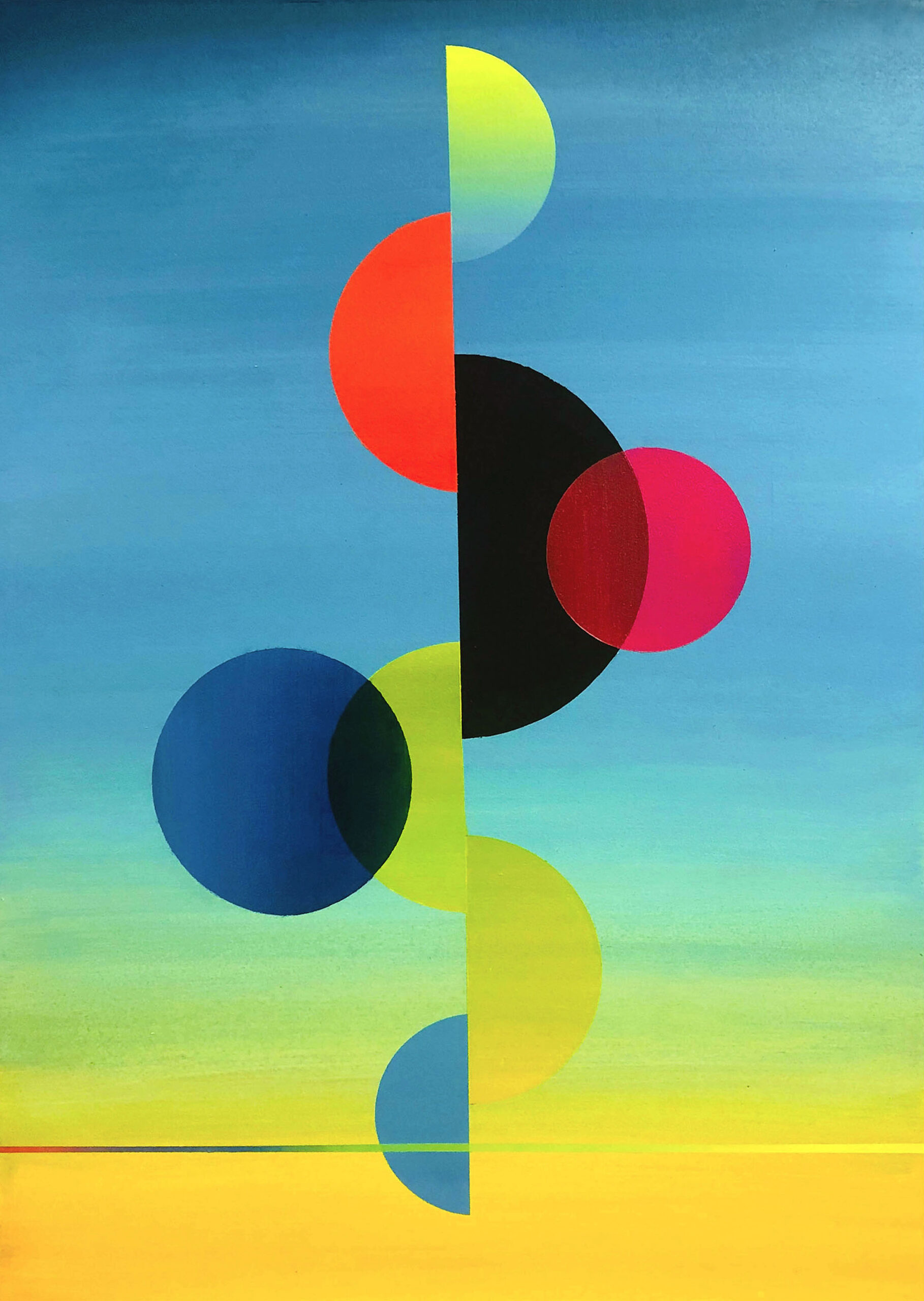
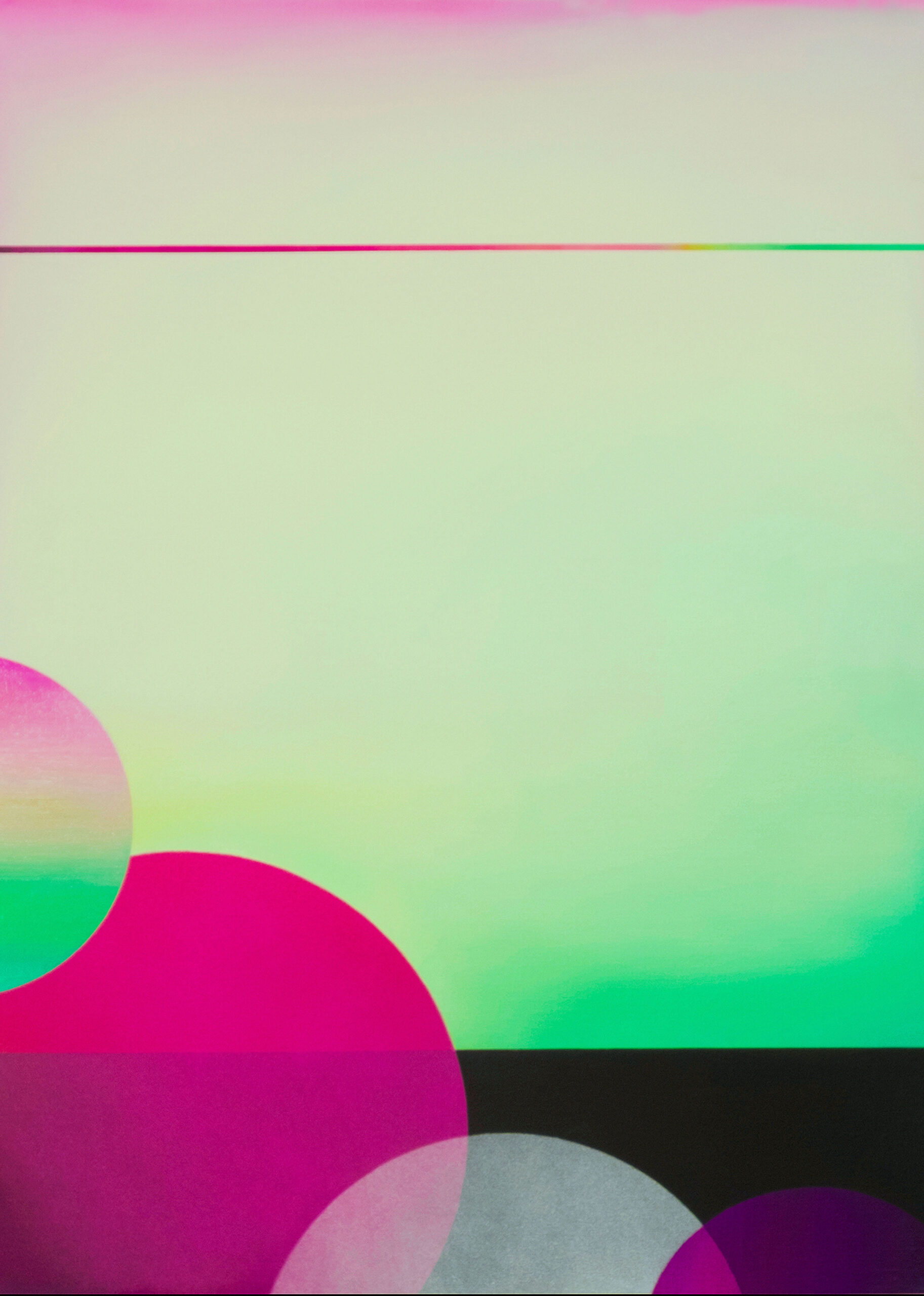
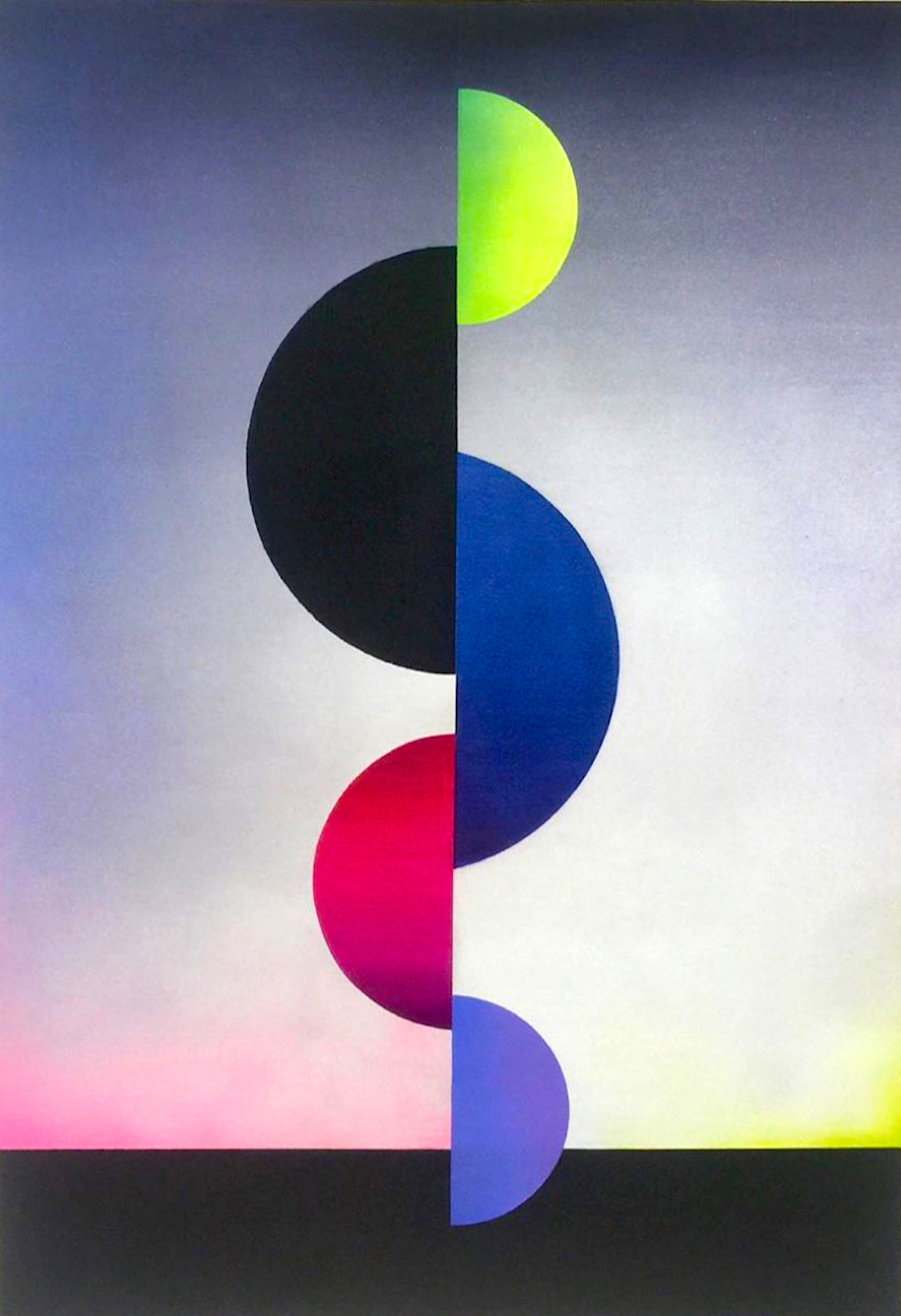
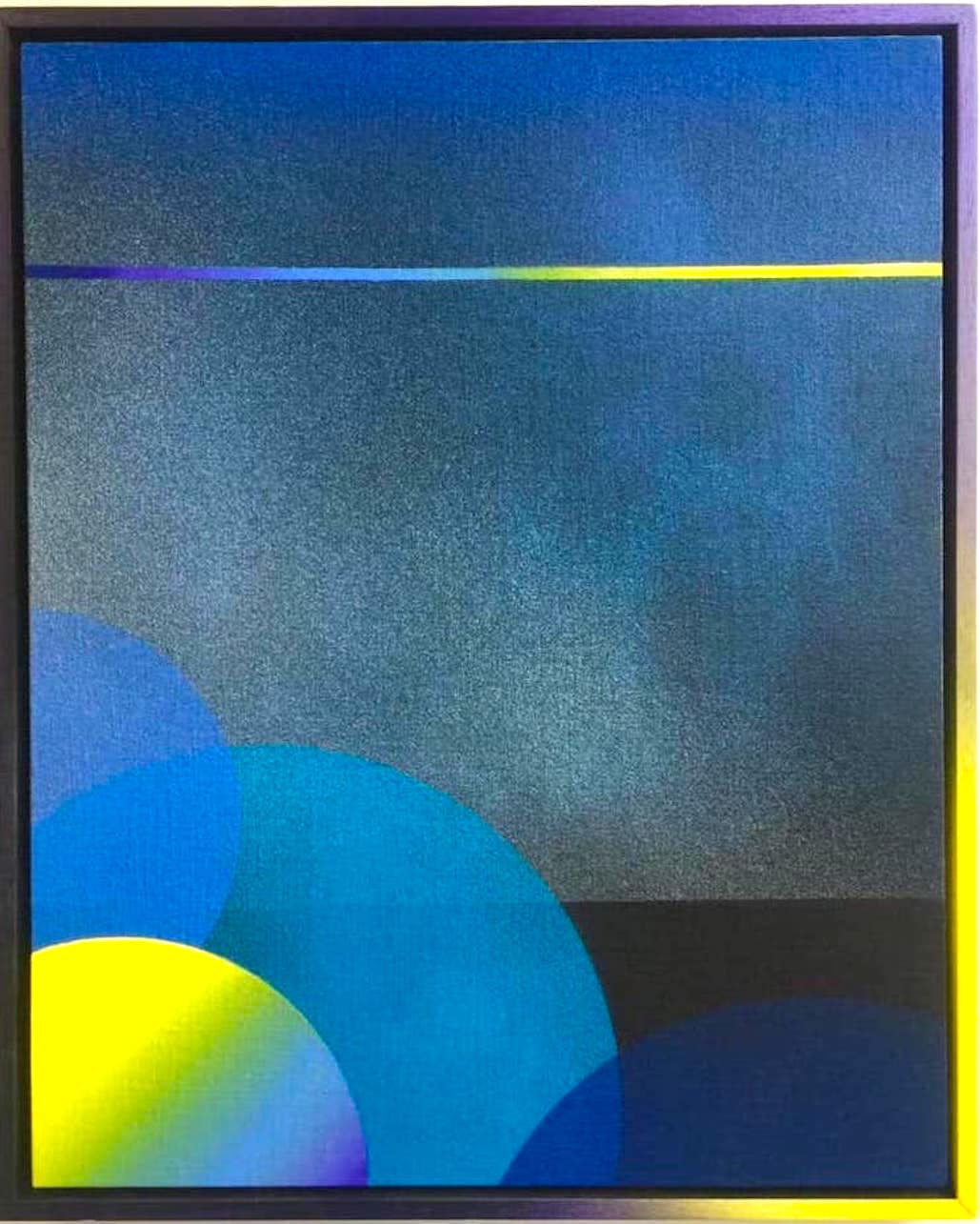
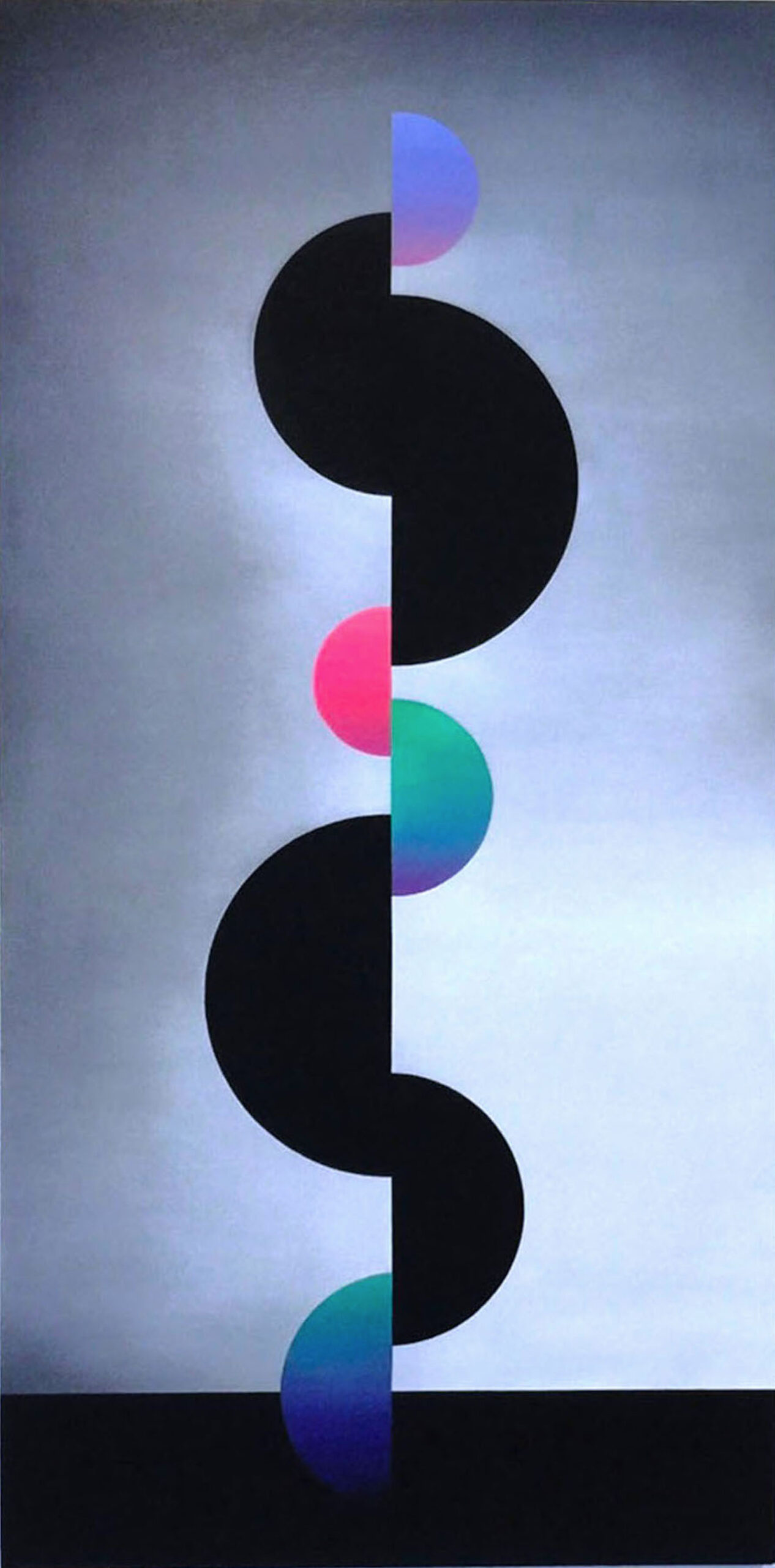
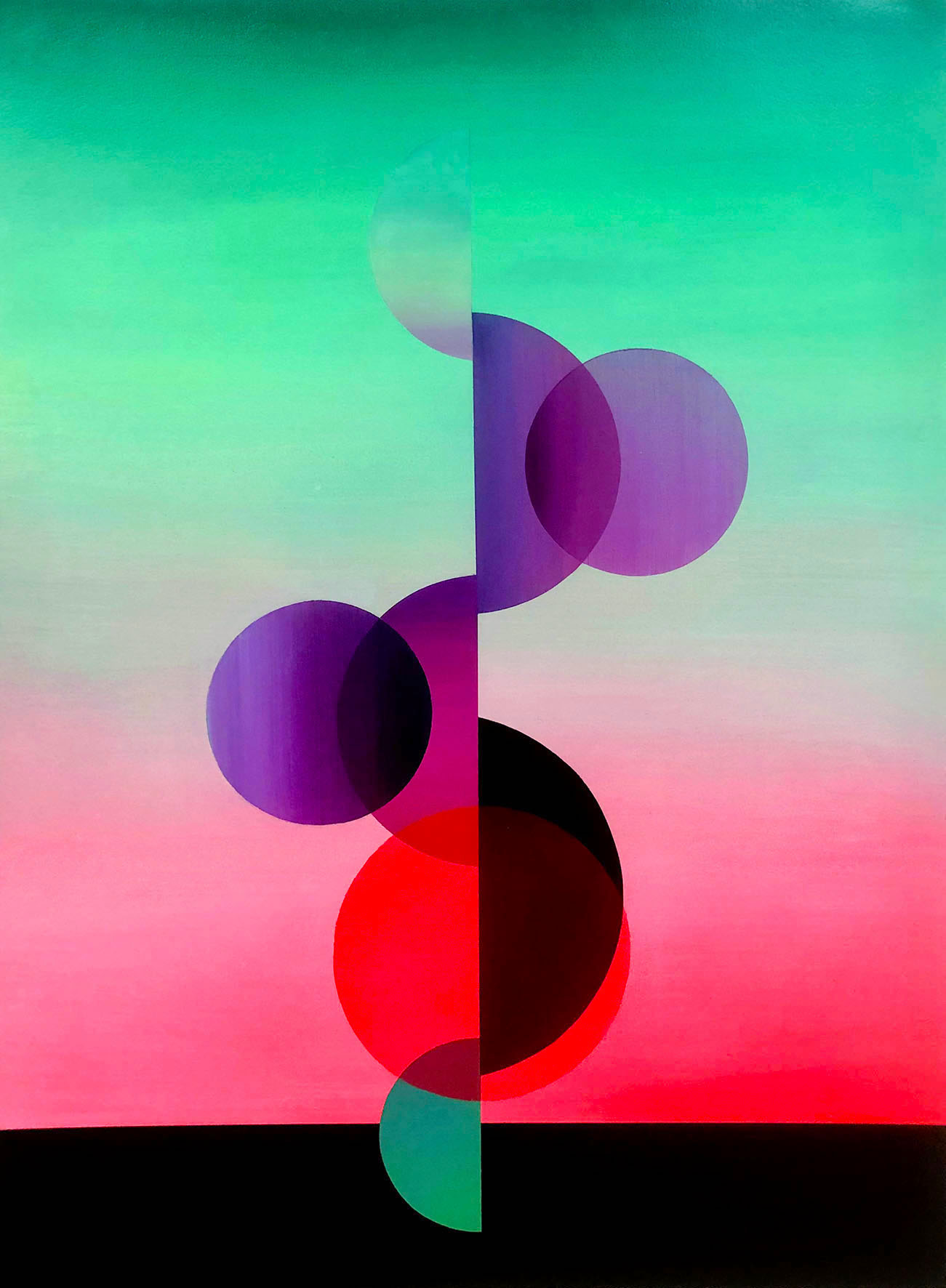
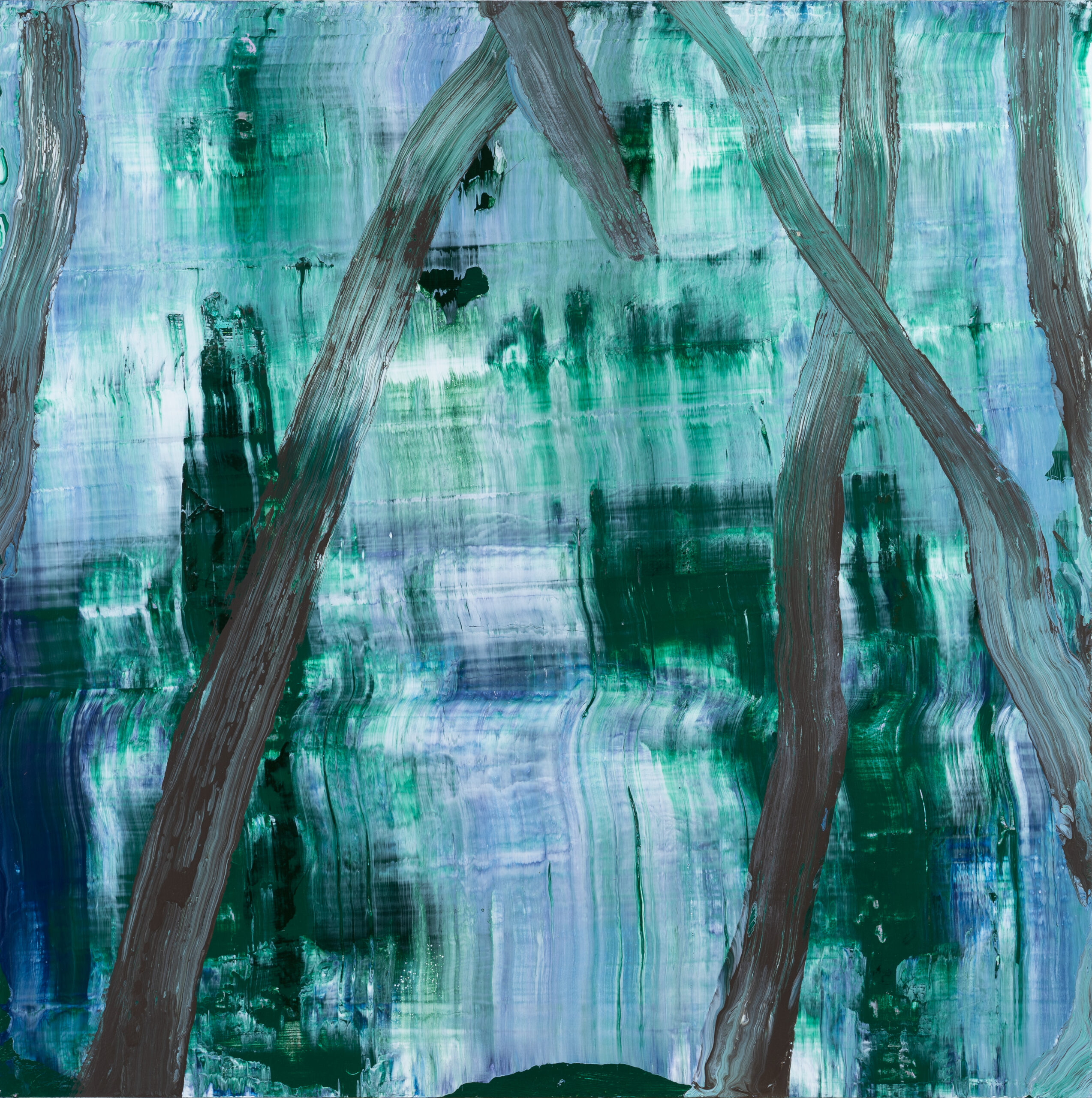
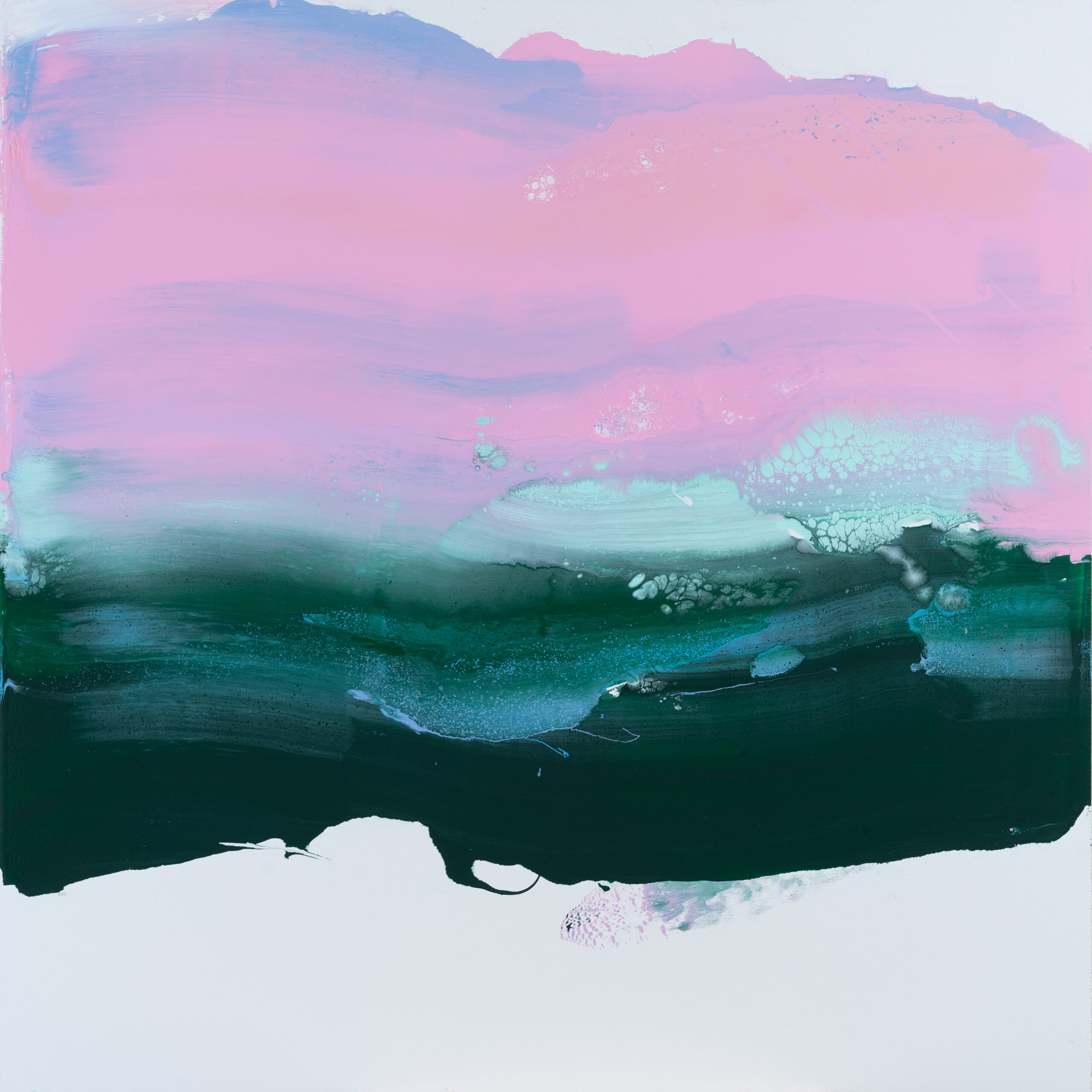
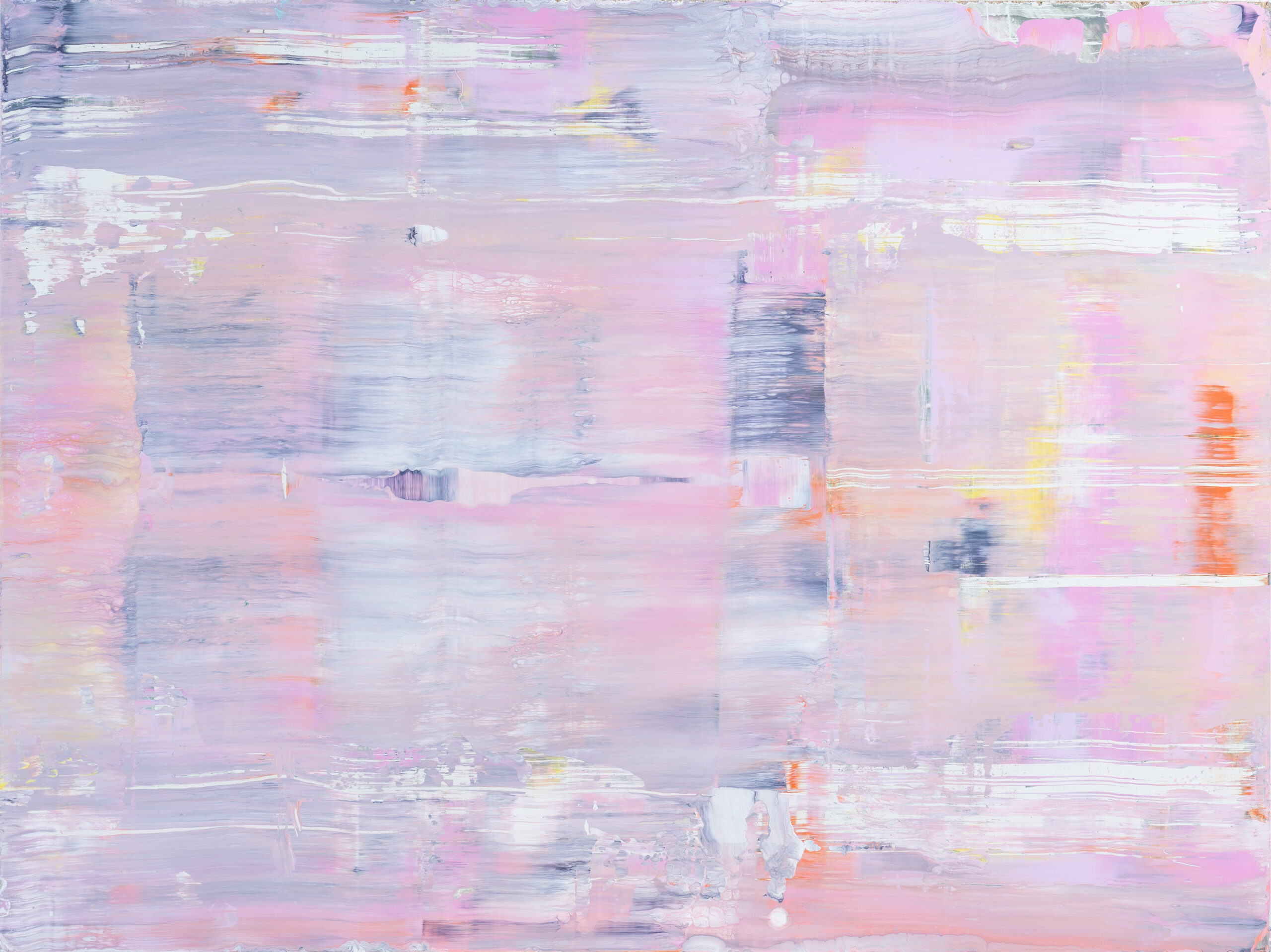
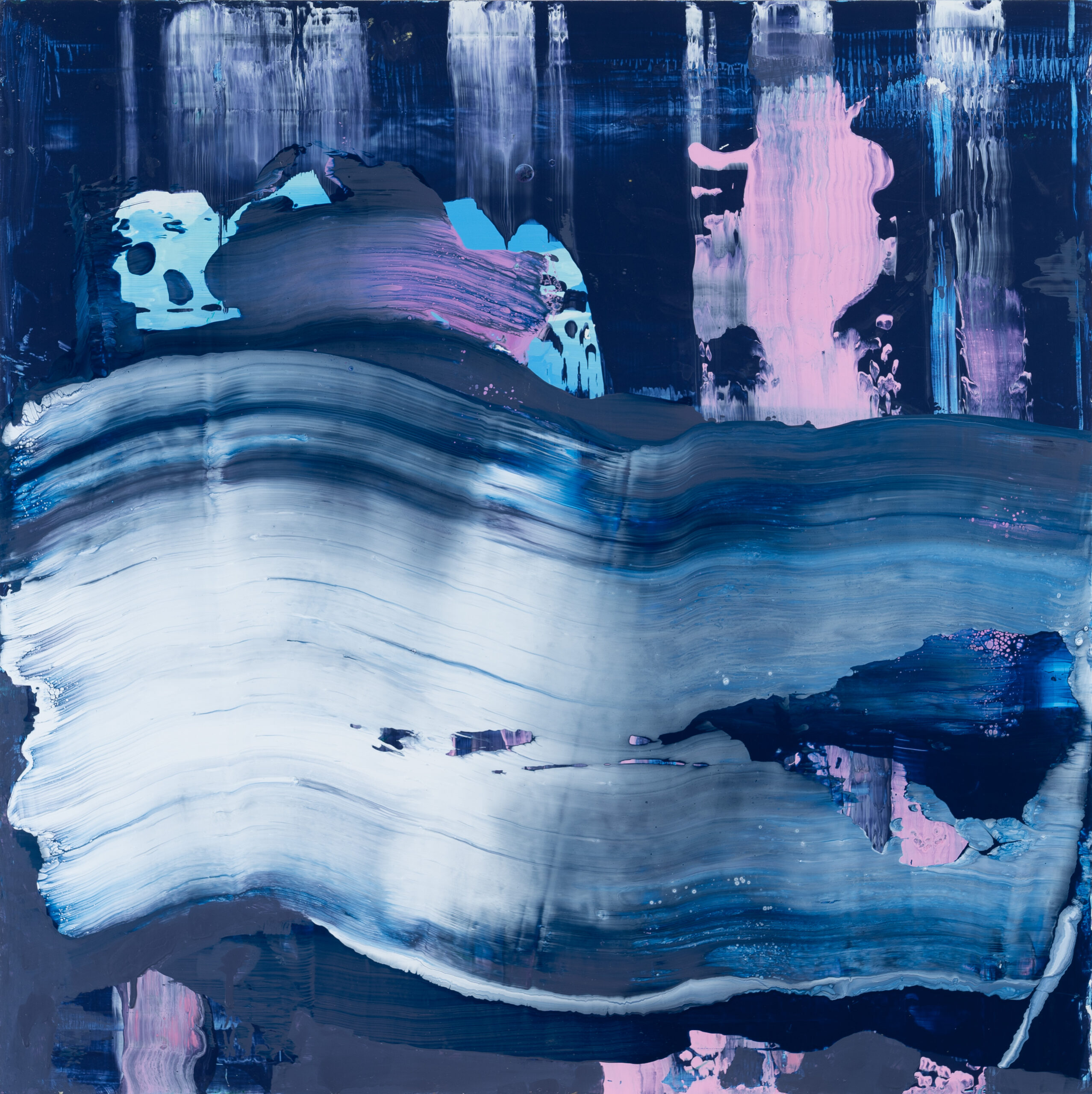
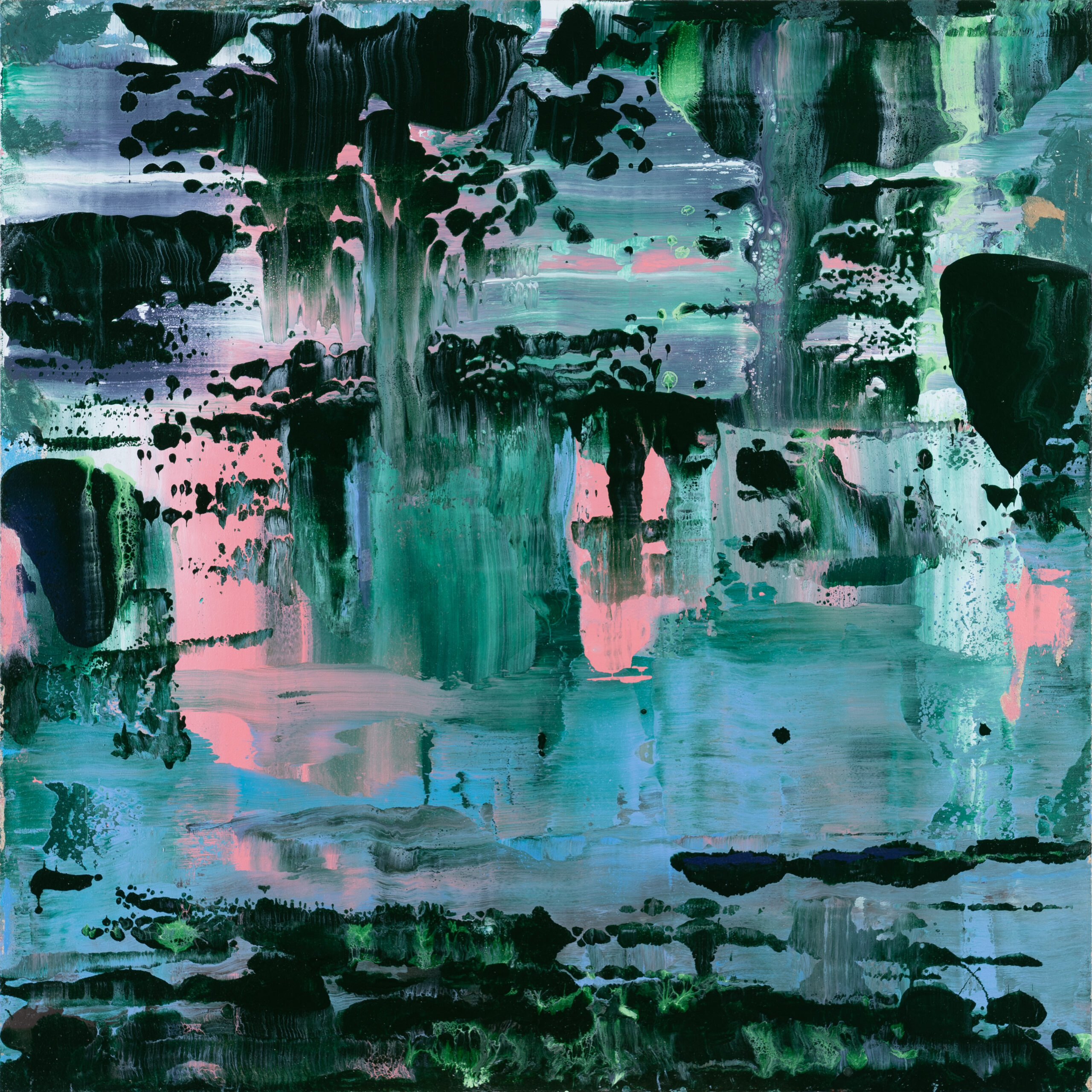
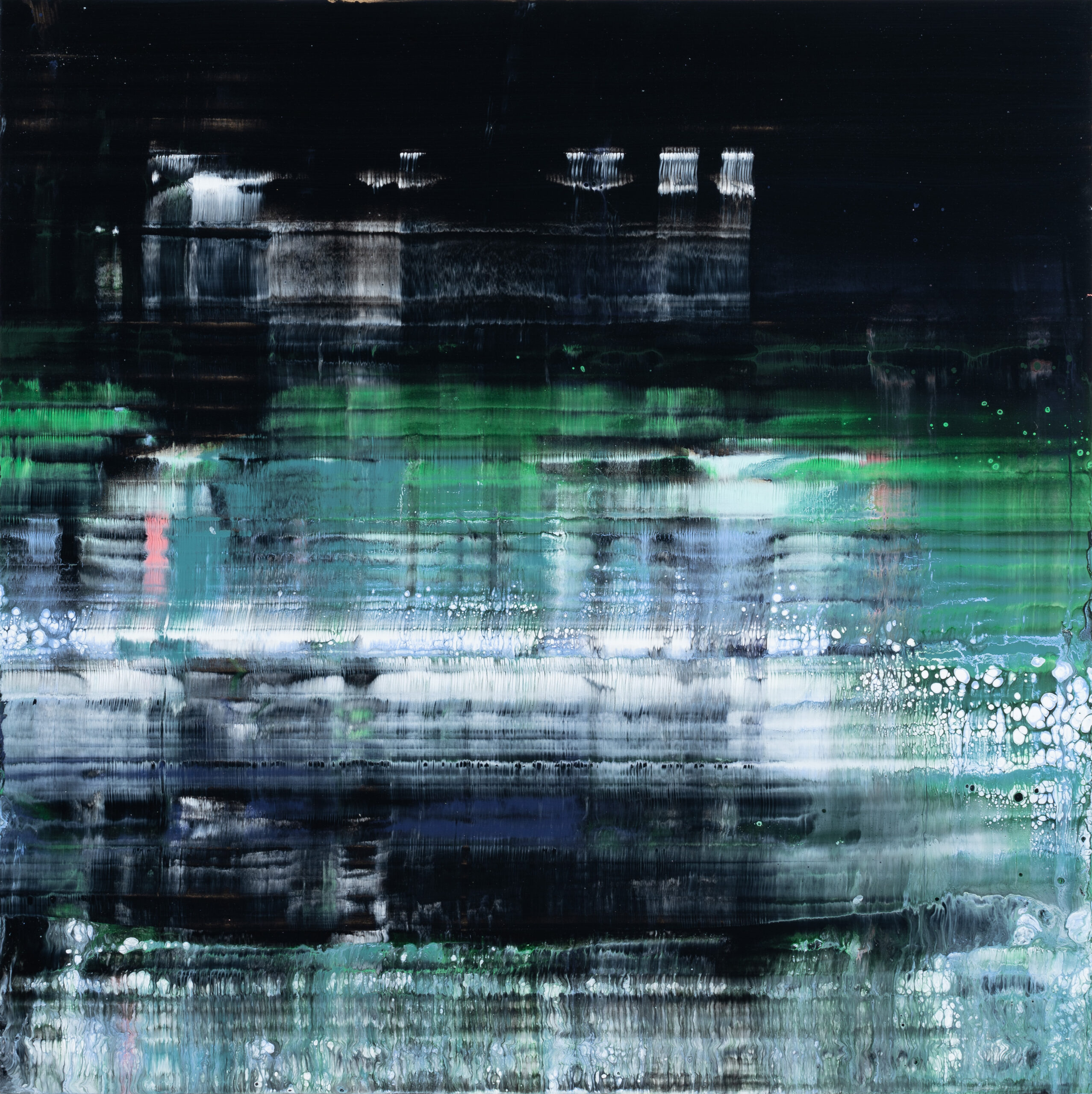
Caroline List’s inquiry into colour and illusory space set’s up a colour conversation within her paintings, informed by a number of colour references, such as signatures observed within nature, colour phenomena, colour theory and formal abstraction. This eclectic mix of references generates a spatial language, a visual tension between illusory fields of colour, light, opaque and transparent colour shapes. Her paintings play with the push and pull of picture plane, form and ground, creating compositions with surreal spatial visual horizons.
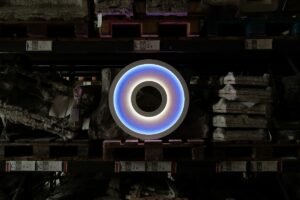
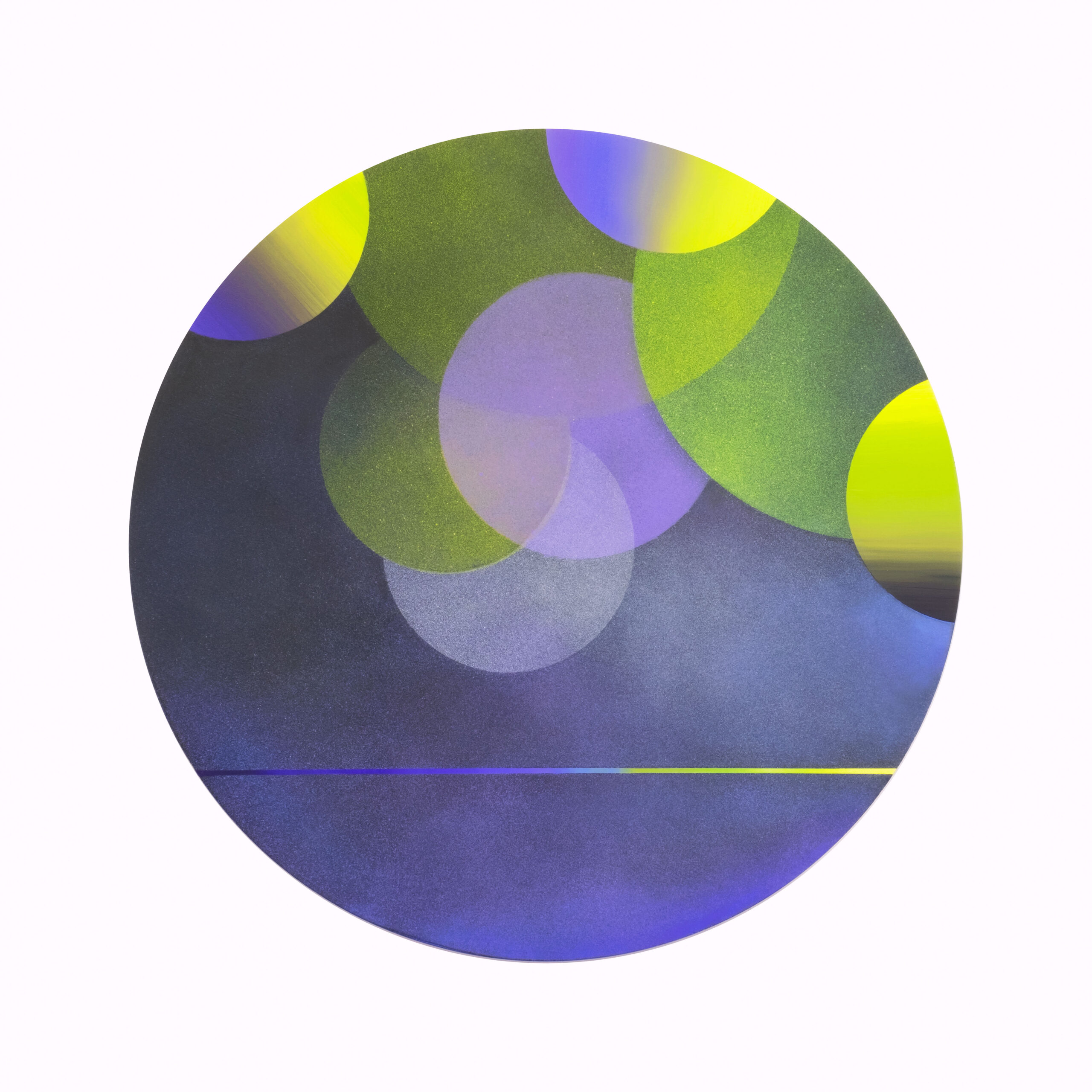
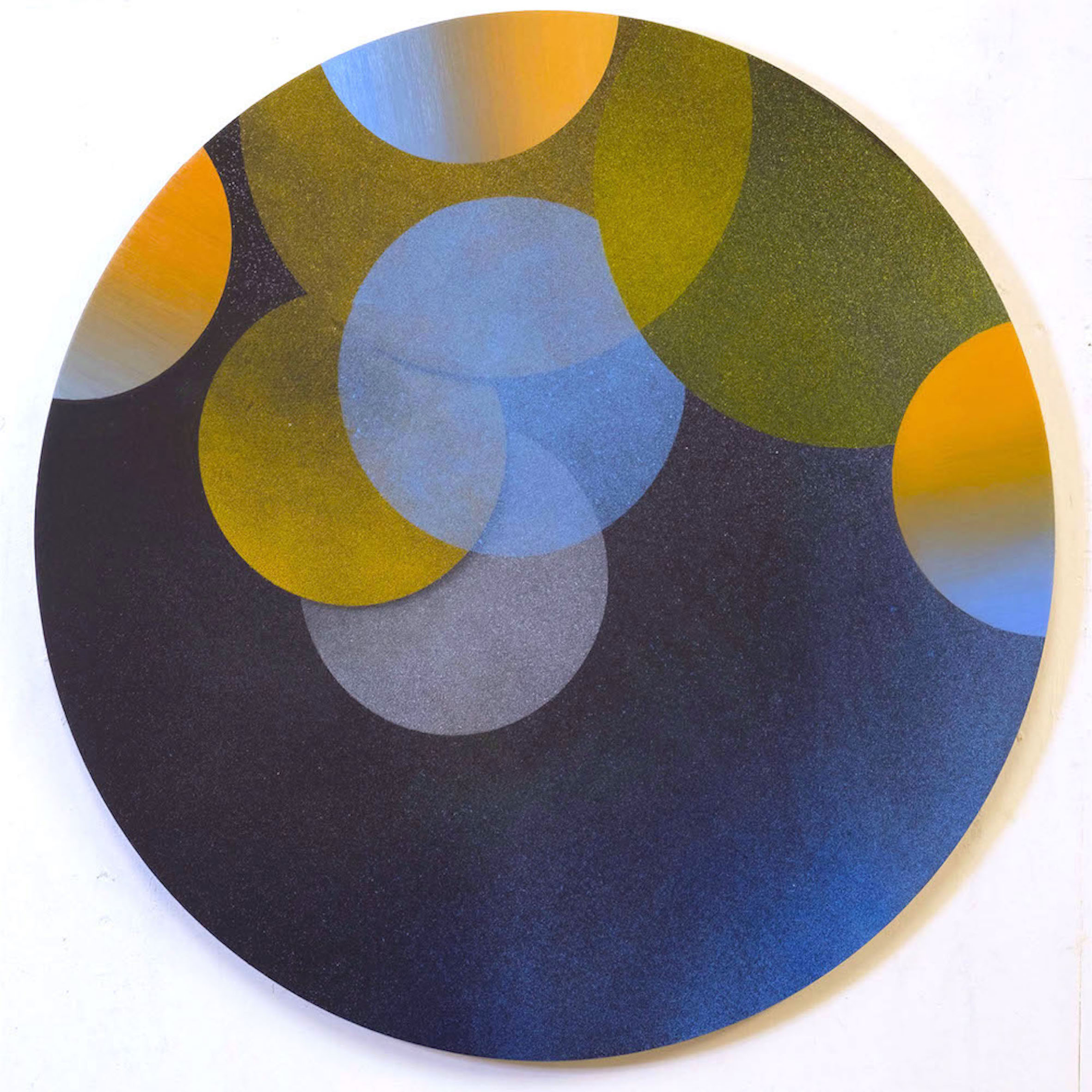
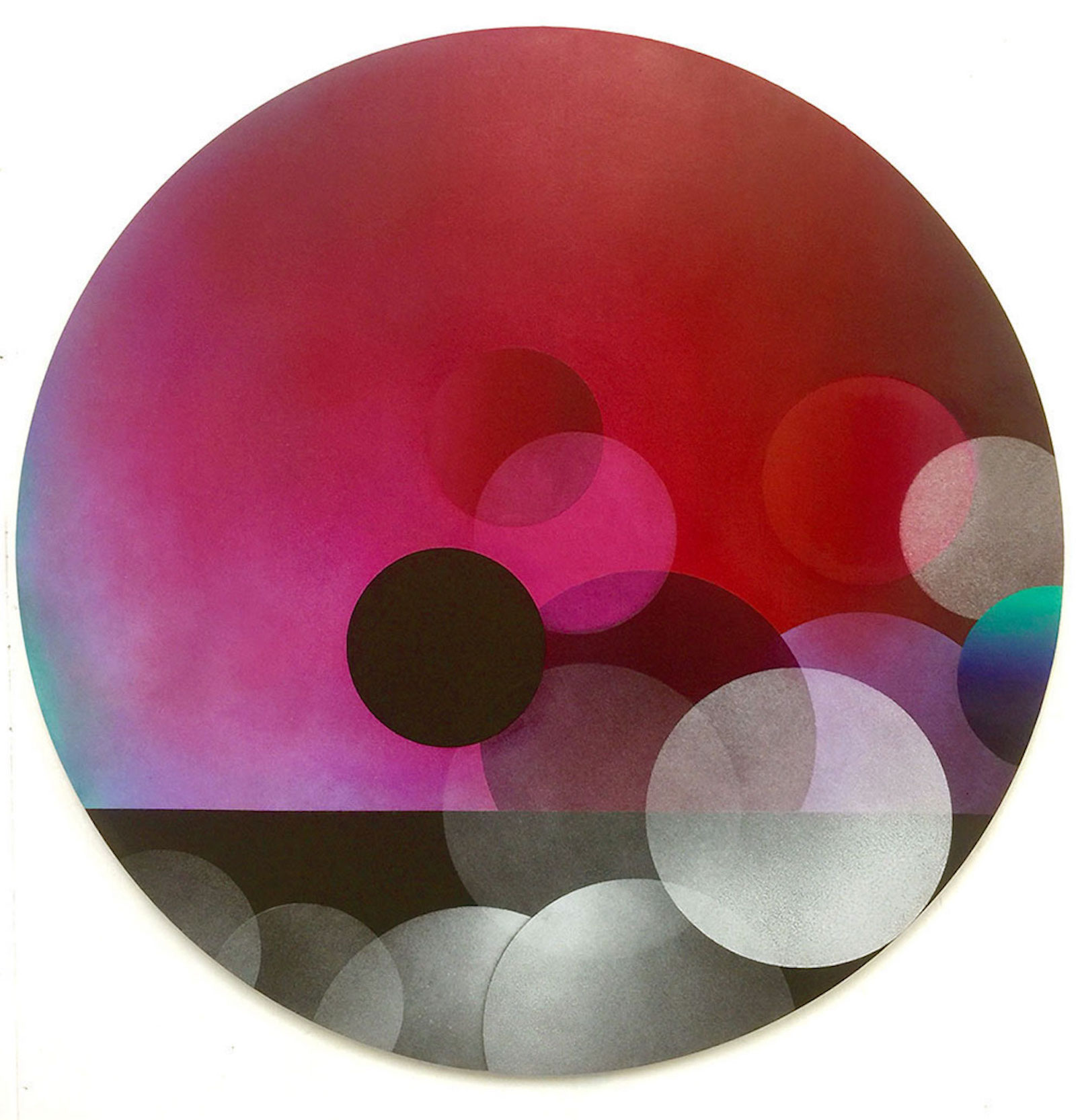
Caroline’s current paintings and light box works, function as a series, generating an ongoing creative dialogue into light, colour, form and space.The series, ‘Chroma Shape’, ‘Chroma Sphere’, ‘Light Shift’ & ‘Light Chroma’, reference both Modernist abstraction and representational languages. Illusory space is explored through blended (oil gradient) colour shifts, form and light. The physicality and materiality of colour within her paintings set up a spatial language, a visual tension between flatness, (opaque colour), illusory space, (transparent and gradient colour) and horizontality, suggesting, visual spatial horizons. Her Love of paint and colour is explored through the push & pull of the picture plane, using carefully blended light fields of colour, seen in contrast to sprayed veils and painted hard edged organic shapes.
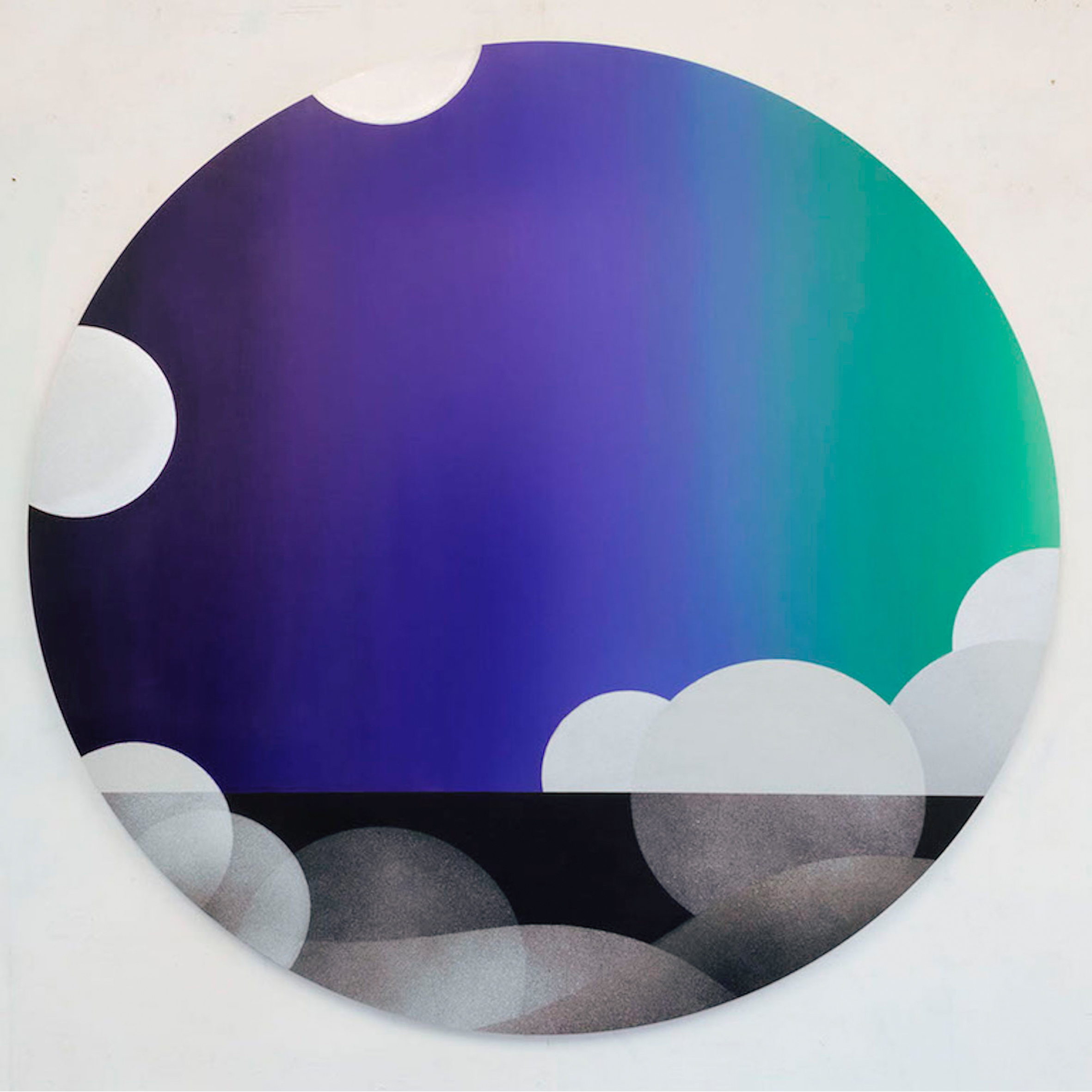
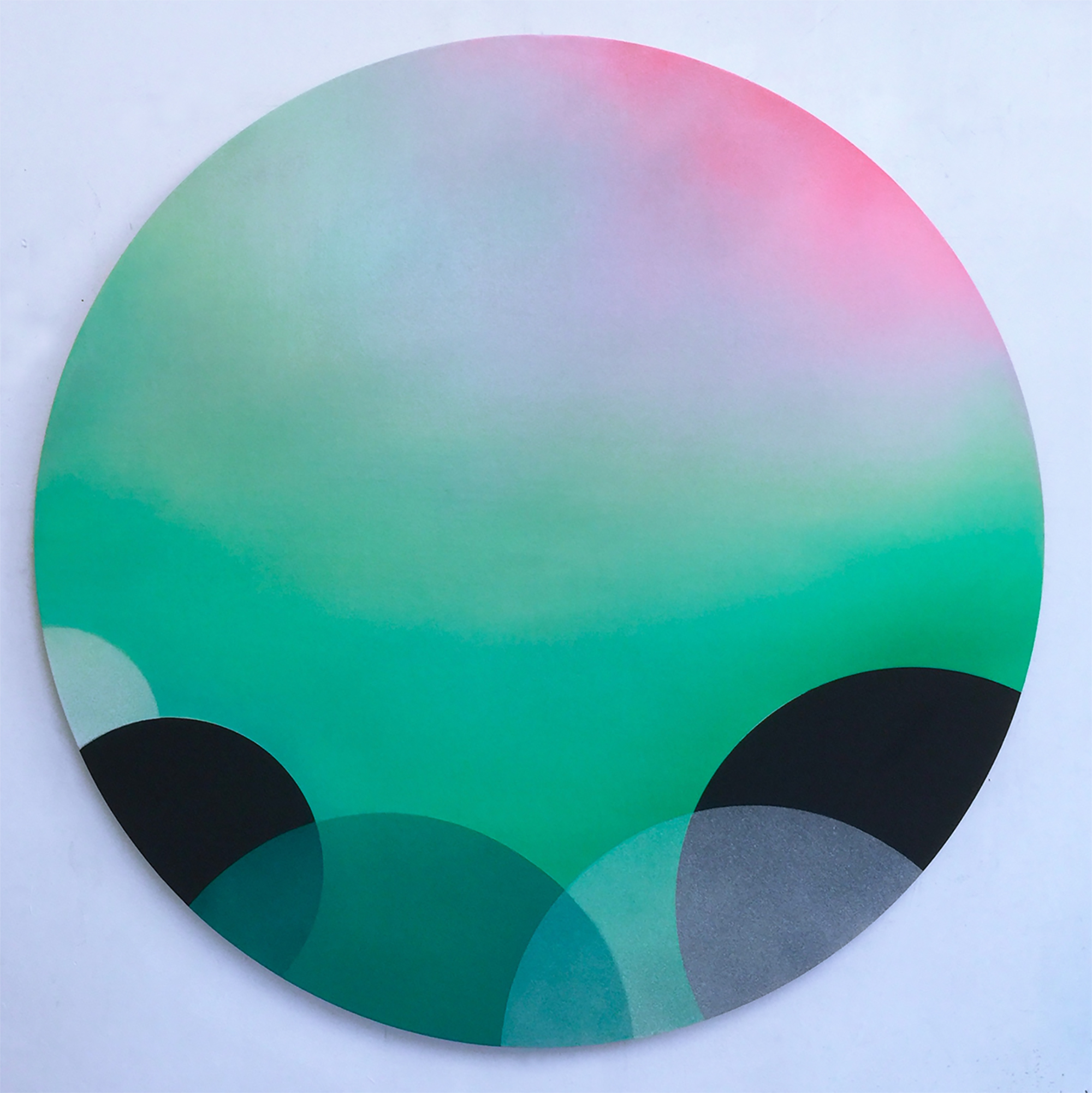
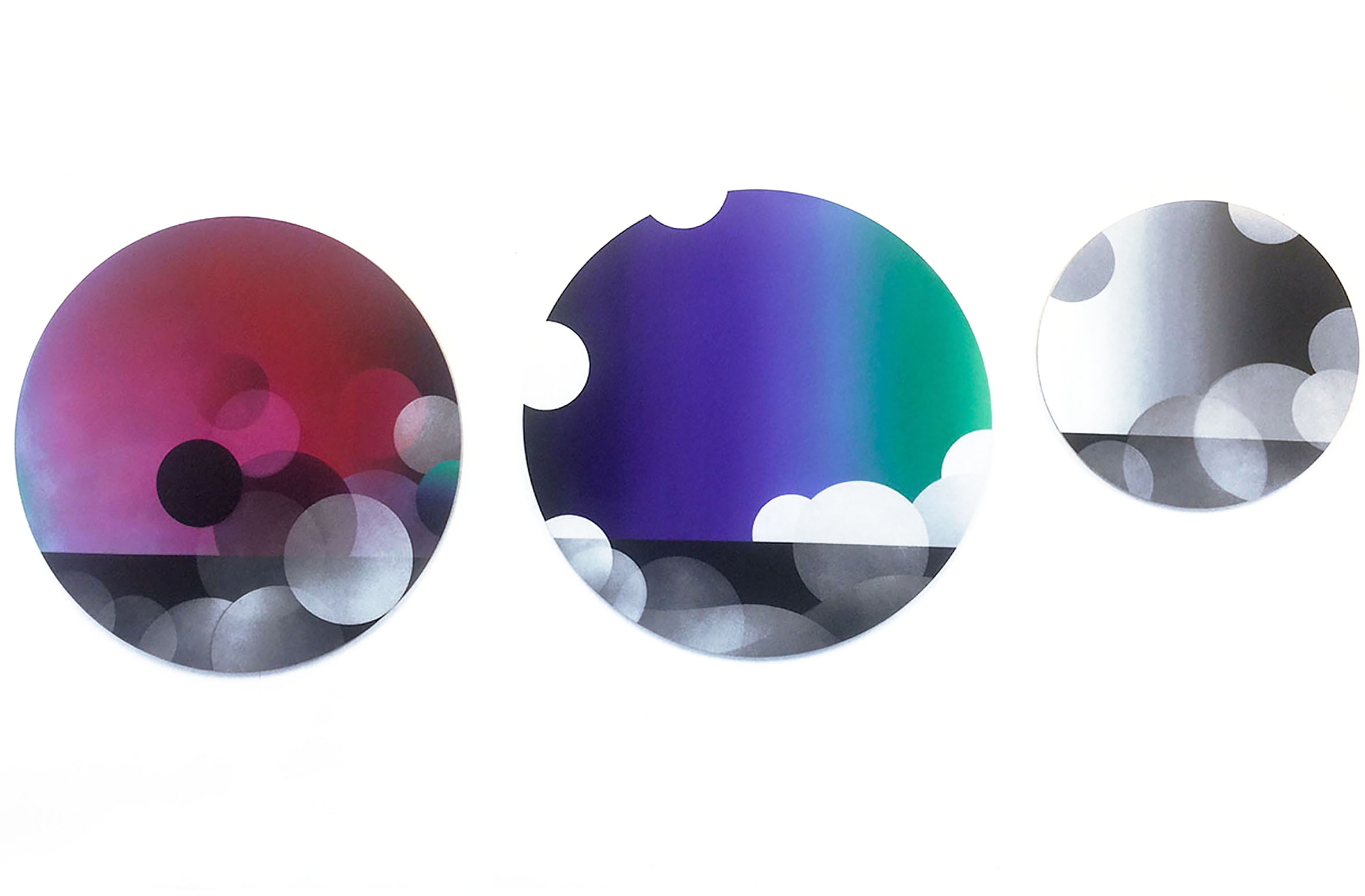
« I often use the format of the Renaissance tondo and the repetition of the circular form, a form which has no beginning or end, therefore the viewer can never fully complete the image. The compositions and colour gradients are generated from collages and paintings on paper, which are later developed into large linen canvases or paintings on board or aluminium. The surface absorbency of colour and light in my work is very important. I want the viewer to enjoy the visual experience of transient colour, which not only references modernist abstraction, but plays with organic totemic forms, illusory space and painted visual horizons.”
Caroline List, 2020
The repetition of the circular form is developed further in the Tondo format and circular led light box works. In the series ‘Chroma Sphere’ & Light Chroma (2019), through the push and pull of the picture plane, sprayed veils of paint are juxtaposed next to clean painted edges and formal shapes, creating layered compositions of floating opaque and transparent circular forms, these works play with the illusion of the picture plain and the tricks of painting, with reference to the Renaissance tondo, trompe l’oeil, photographic illusory space and Modernist framing and compositional conventions. Light Phenomena and the virtual space of viewing is developed further in their back- lit counterparts. These ‘led light box tondos ‘, are digital reproductions of original paintings, encased in bespoke hand crafted light boxes. these illuminated portals also reference the virtual screen of painting and reproduction, which is especially relevant in a time when art works are increasingly viewed through the lens and virtual screen, on platforms such as Instagram and Artsy.
Bio express 2020
Since graduating with an MA in Painting, (1988) from Chelsea School of Art & Design, Caroline has exhibited in London, New York, Toronto, Paris and China and also curated several successful exhibitions in the contemporary London art scene.
Caroline’s work has been collected by a number of private collectors as well as corporate collections including, The Contemporary Arts Society, Neuberger & Berman New York, Fidelity Financial, London, Lehman Brothers, and JP Morgan Cazenove.
Caroline’s work is also exhibited in the Groucho club and is currently part of their contemporary collection in Soho, London. She currently lives & works in London and teaches Mixed Media Painting at Central Saint Martins School of Art & Design, University of the Arts, London. In 2018 she was awarded the re-fresh bursary from Central Saint Martins School of Art & Design which helped fund her last Solo show (2018) Light Chroma ‘.
See website for CV, further works, limited edition prints & led light boxes
MERCREDIS ART PARTY 2020 Vernissage : le 26 Août 2020 dès 17h
Carine Bovey est née en 1985 à Beyrouth, elle vit et travaille à Genève.
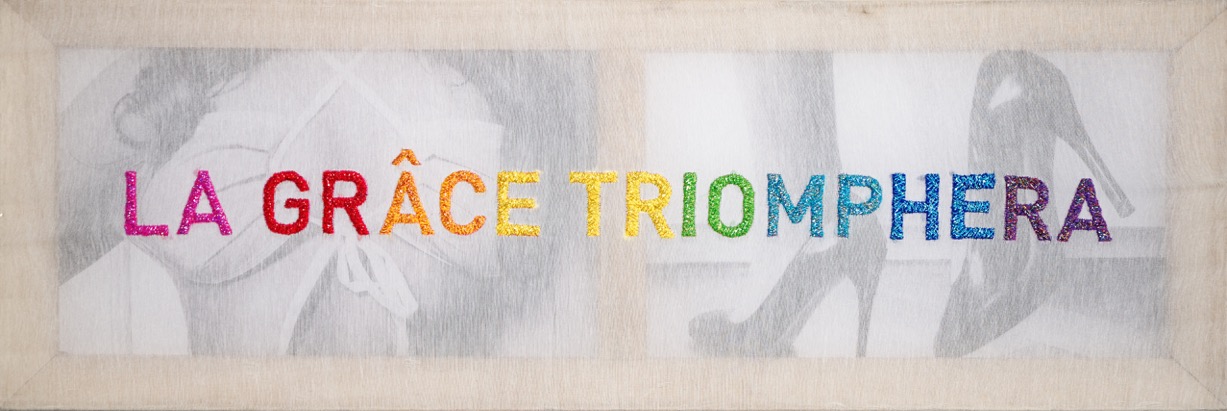
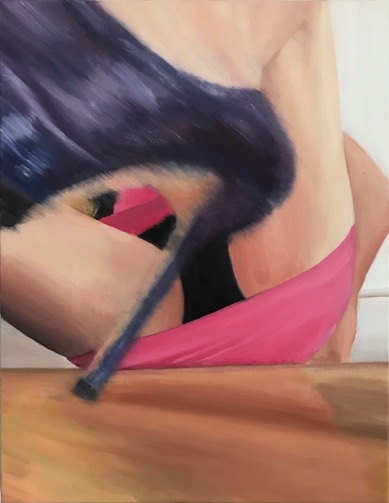
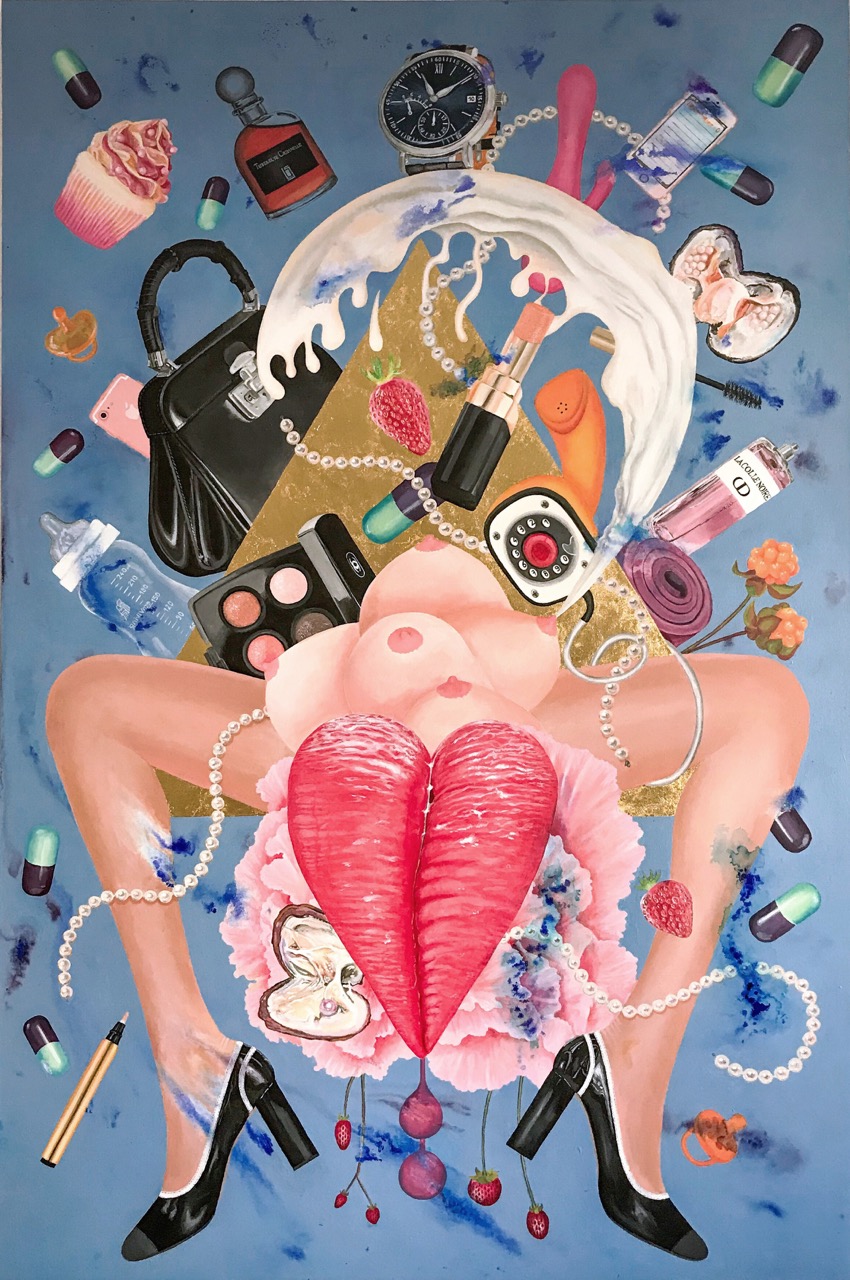
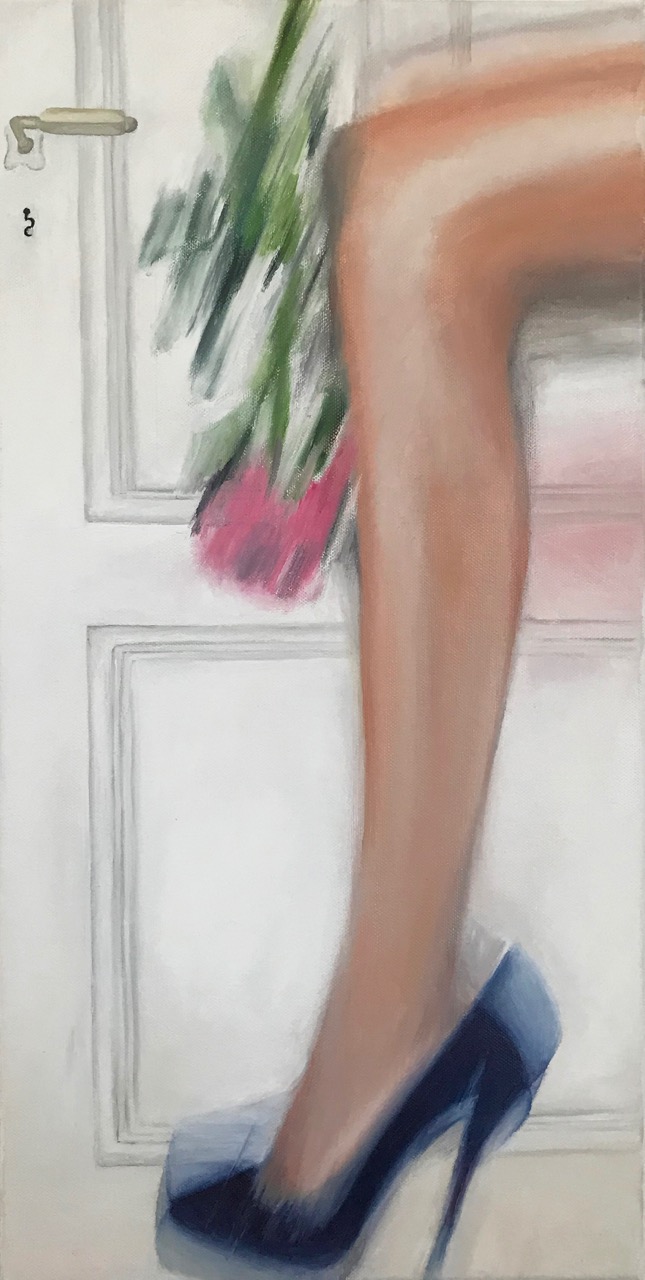
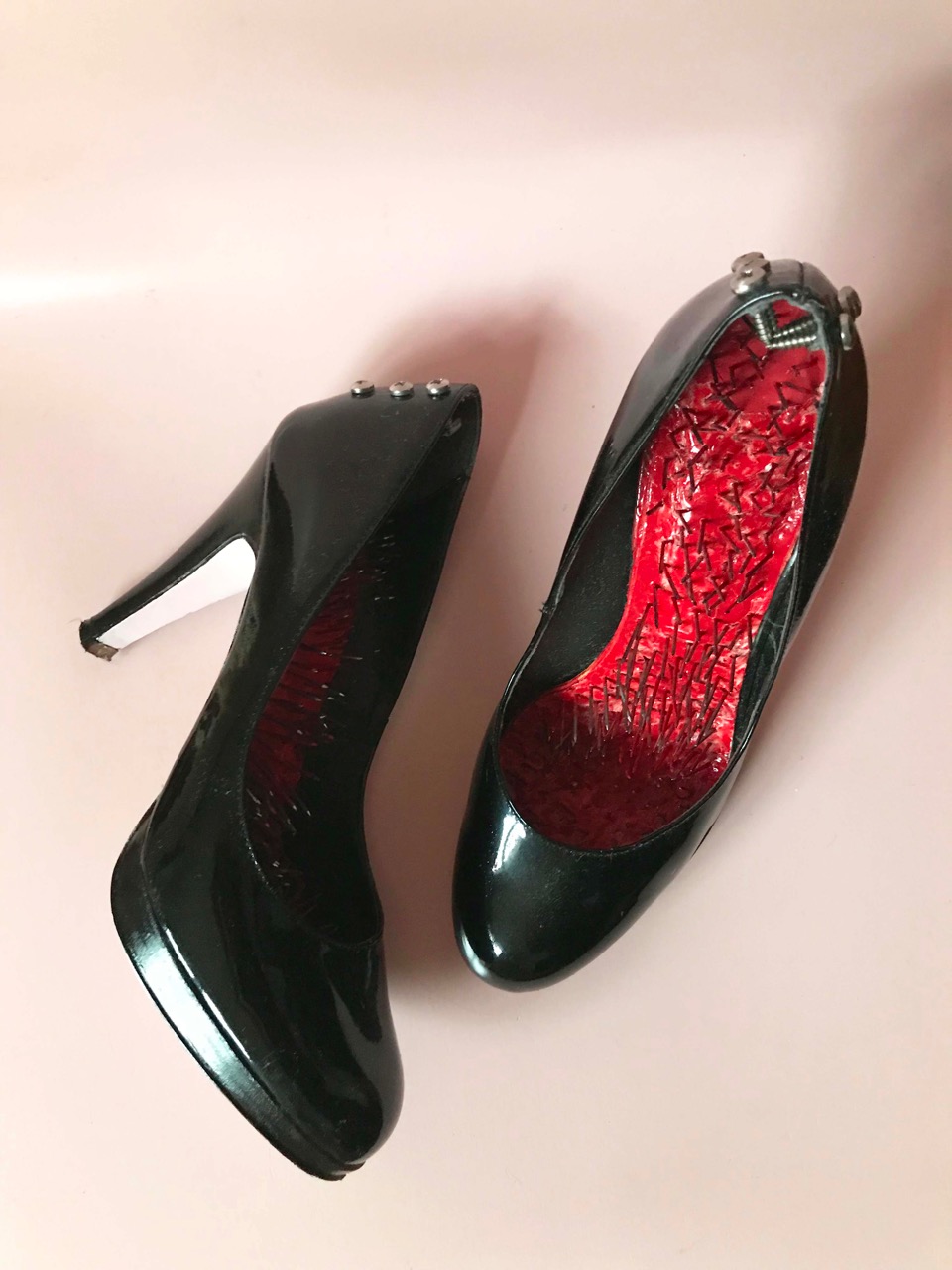
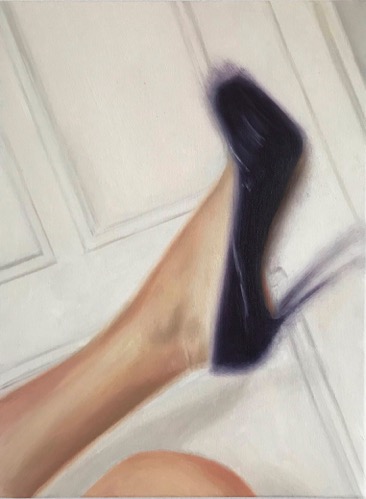
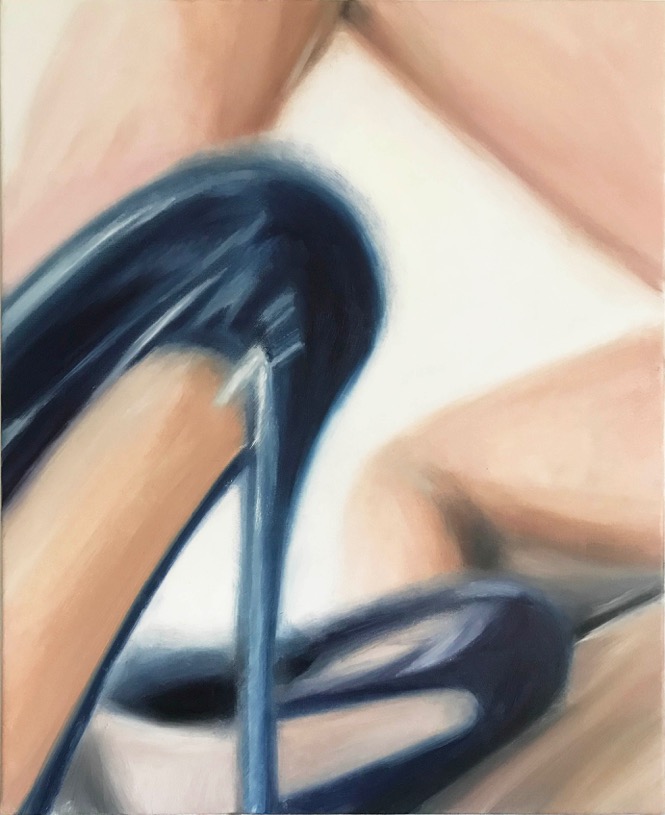
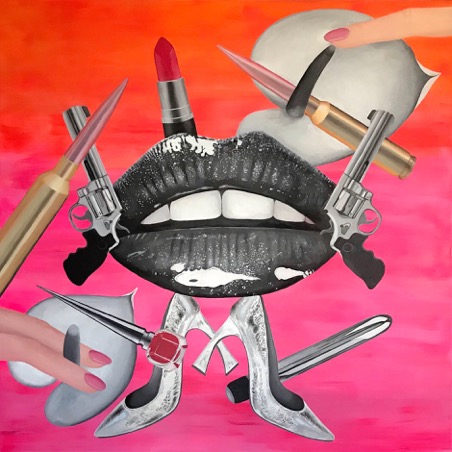
Carine Bovey explore la féminité sous plusieurs angles : sociaux, intimes et identitaires. L’artiste interroge l’image de la femme, que ce soit par le prisme de la société de consommation, par leur propre regard ou celui des autres. Elle cherche également à offrir sa propre vision de la féminité, une vision décloisonnée de tout tabou, se jouant des clichés et assumant ouvertement une liberté sexuelle.
Carine Bovey souhaite que les femmes aient plaisir à séduire les autres, mais par dessus tout, qu’elles se plaisent à elles mêmes. L’essentiel étant qu’elles aient le choix de disposer de leur corps comme bon leur semblent. L’artiste a aussi pour but de faire sauter les interdits qui subsistent encore autour du corps de la femme. Les tendances qui visent à cacher leur corps la préoccupent. Le lait maternel, premier met de l’humanité, ne provient-il pas du sein?
MERCREDIS ART PARTY 2020
Le programme Mercredis Art Party 2020 rythmera les soirées alternatives à l’espace_L avec un calendrier qui propose cinq événements. Chacun, à tour de rôle, évoquera à travers le thème de l a M u s e en tant que source d’inspiration de l’artiste. Un engagement qui vise avant tout a la réflexion collective, stimulée par le travail des artistes à travers un projet fondé sur la relation de l’artiste avec son modèle et le monde.
Le troisième Mercredis Art Party 3.0 aura lieu le 26 août et présentera le travail de Carine Bovey. L’artiste basée à Genève revendique le droit d’être séduisante et féminine. Elle fait partie des femmes qui considèrent les hommes comme leurs alliés. L’artiste s’inscrit dans un féminisme joyeux, plein d’espoir, célébrant l’amour et la liberté. La liberté des femmes de se vêtir comme elles le souhaitent, de marcher dans la rue sans se faire agresser ou encore de fréquenter qui elles veulent.
Le mercredi 26 aout 2020 dès 17h Exposition de l’artiste visible jusqu’au 29 aout 2020
« Les impressionnistes encadraient une ambiance. En contre-pied je propose des ambiances à découvrir et subir: pour cela l’abstraction procure non-seulement de la richesse mais surtout une très grande liberté d’appréciation. Il n’y a pas de blocage de l’interprétation, chacun y voit et y met ce qu’il veut sans complexes. Il suffit de patienter un peu devant l’image pour que ses ambiances en surgissent avec leurs profondeurs et leurs lumières. J’aimerais que mes abstractions rendent le spectateur créatif. »
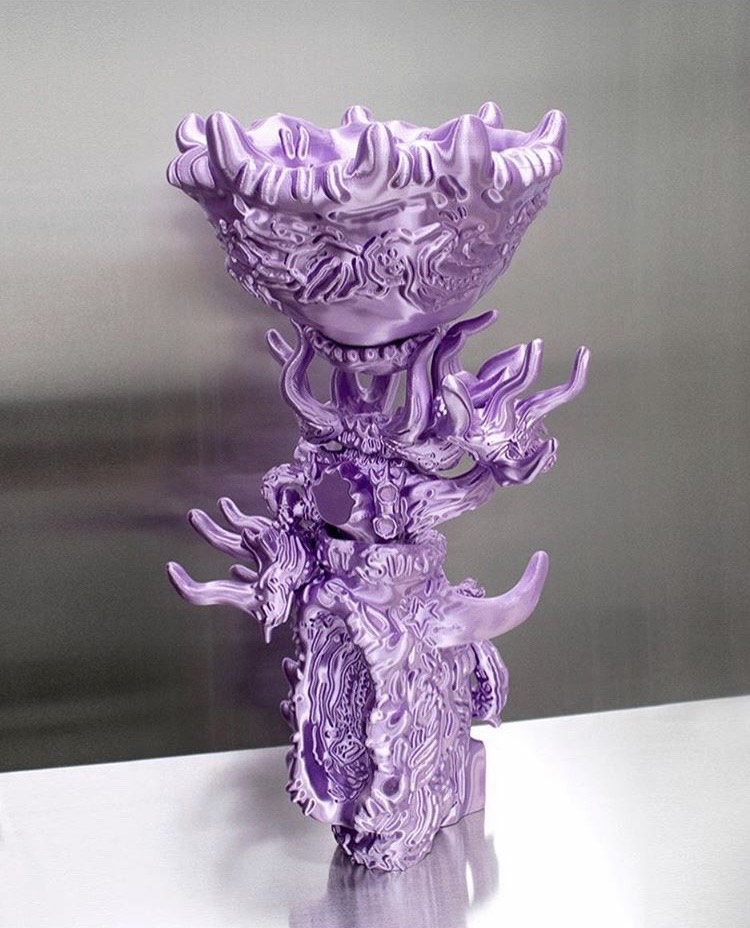
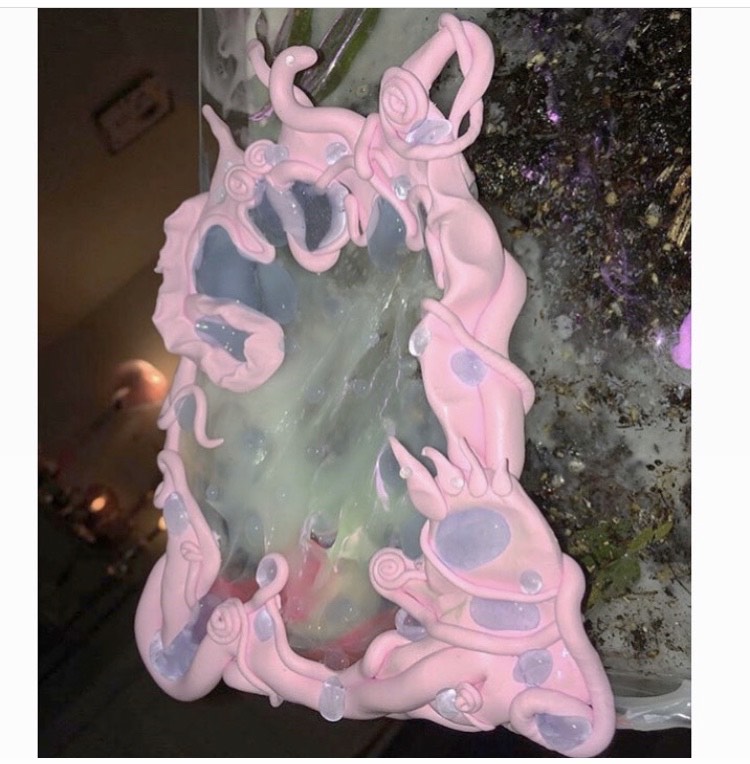
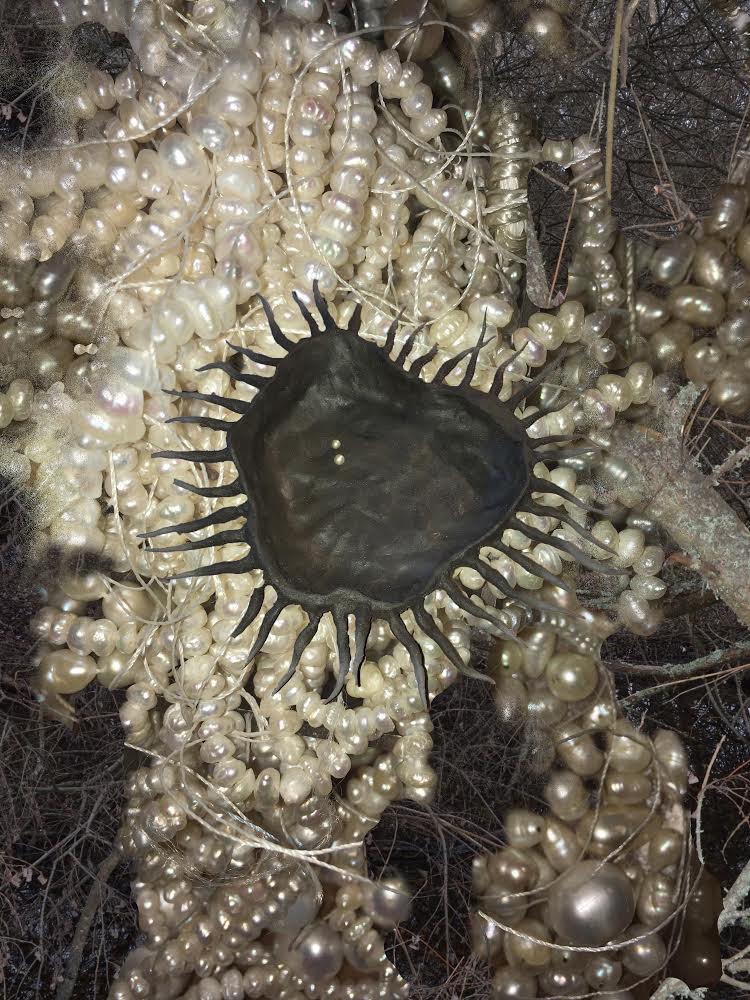
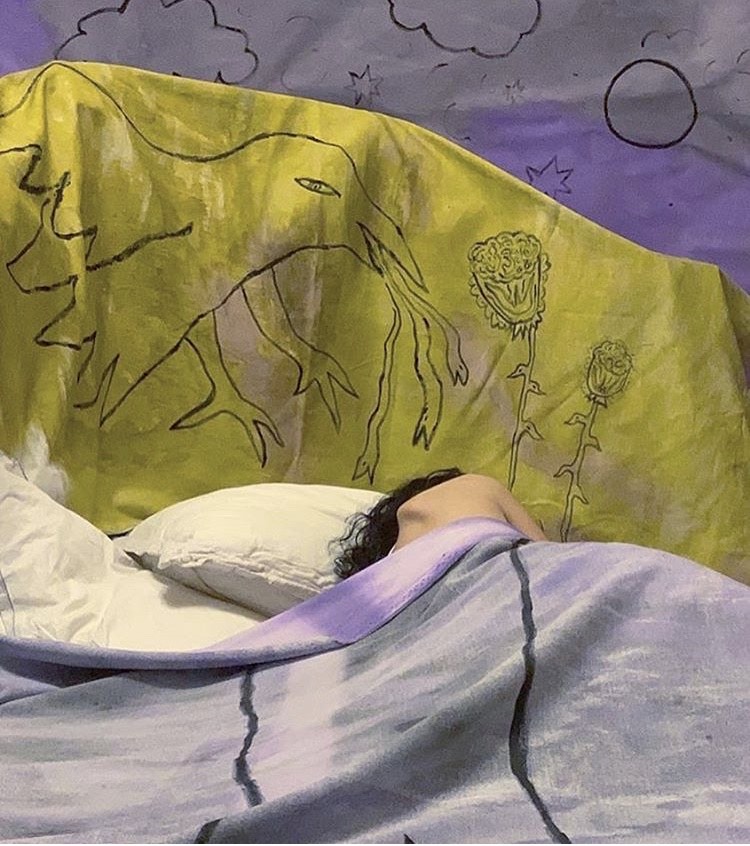
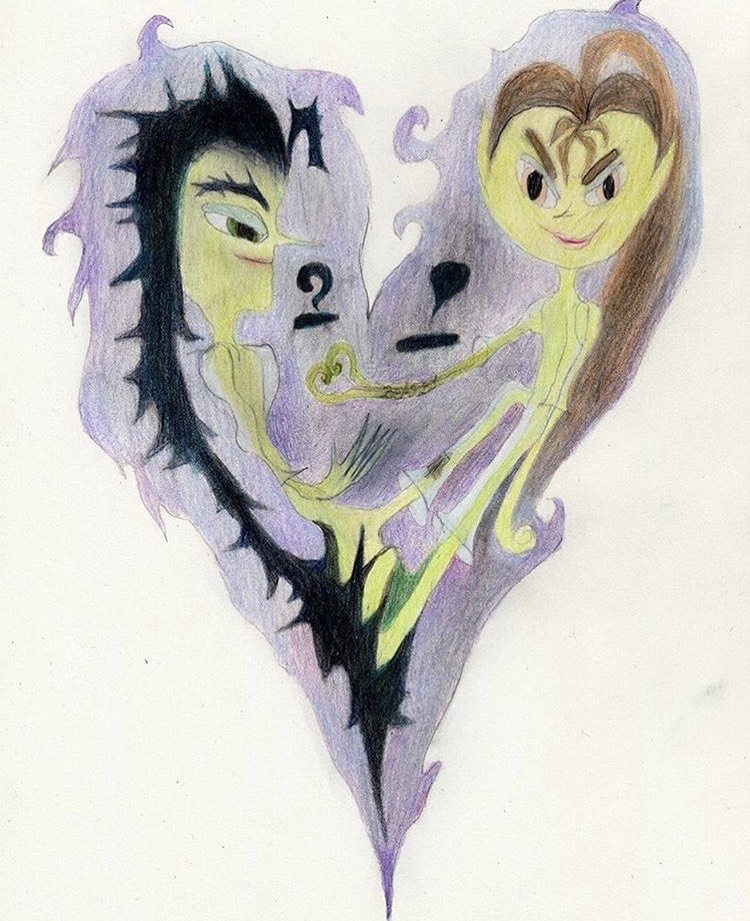
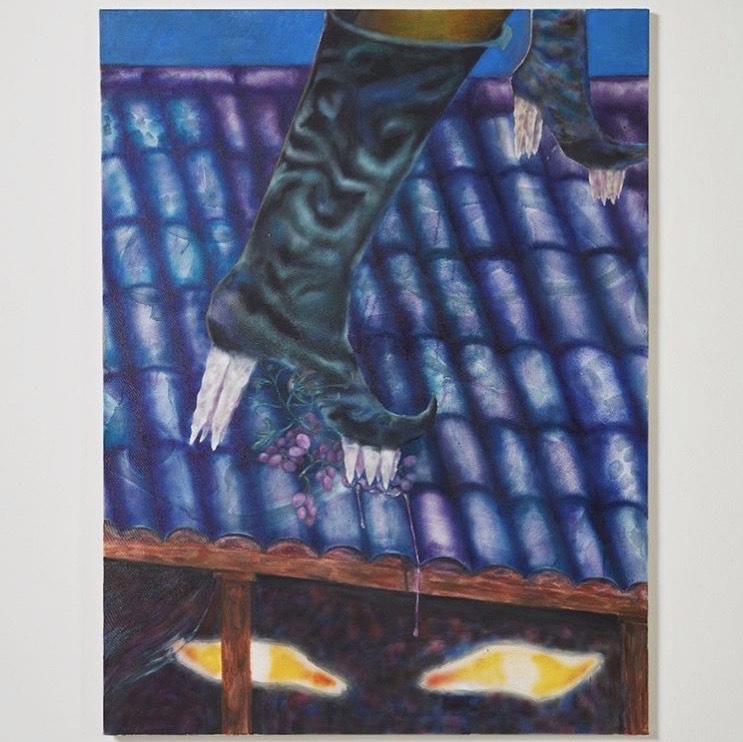
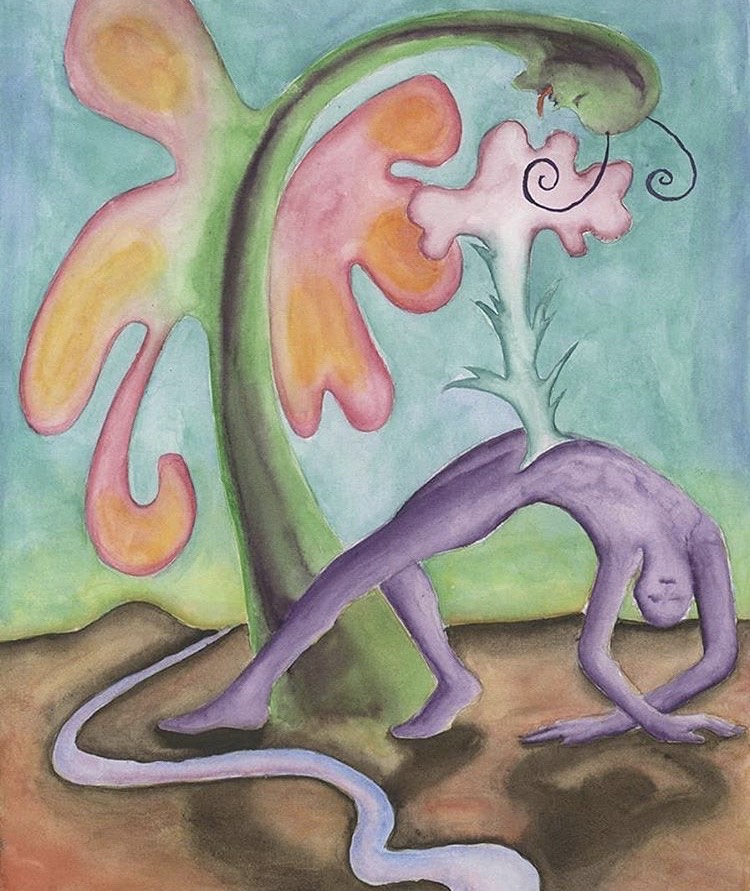
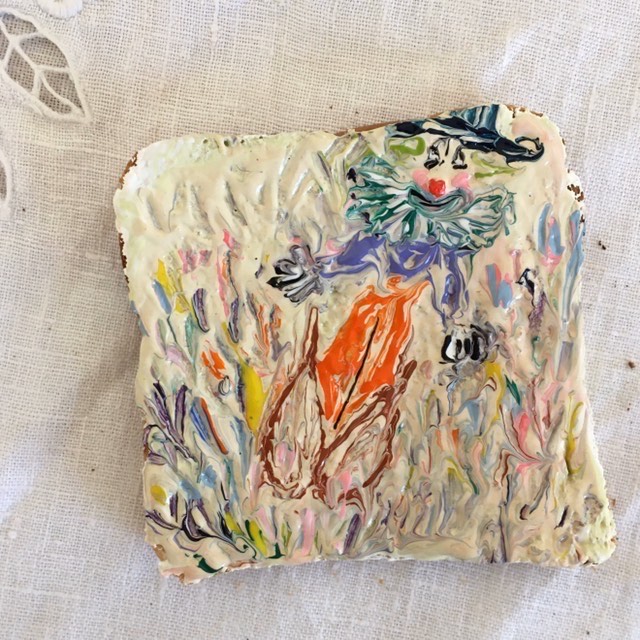
Tout est parti de la catégorie « mood » sur Instagram. Une simple image résumant un état d’esprit, souvent le flegme, l’ennui ou la langueur.
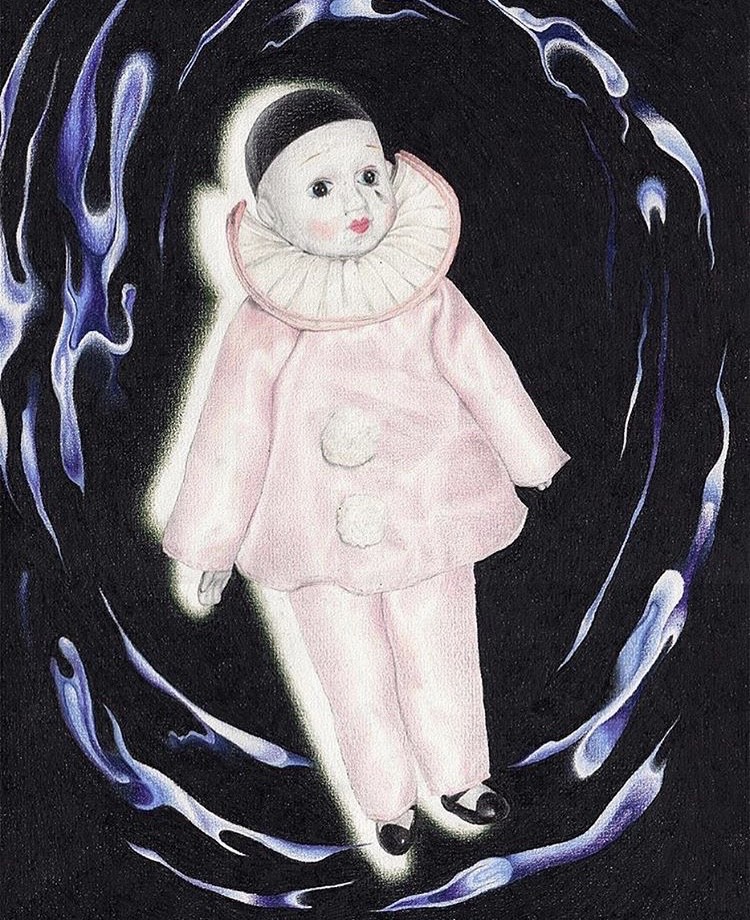
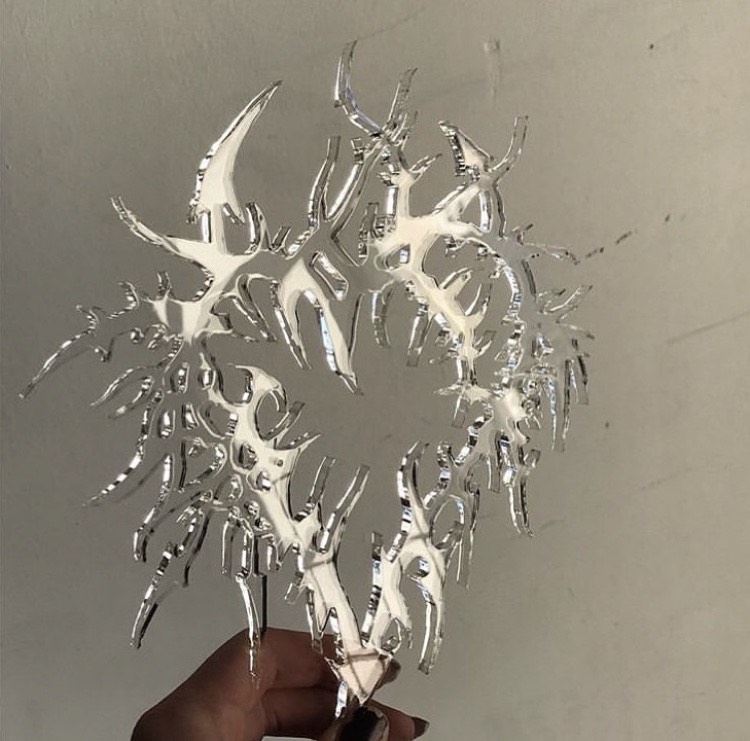
Mes humeurs étaient influencées surtout par de l’organique, de la sculpture qui perle, qui dégouline, de l’illustration mélancolique, souvent aux couleurs désaturées, imprégnées de sensualité et de mystère.
Sur mon compte personnel, je créeais des mosaïques d’oeuvres d’artistes de temps en temps à partir de mes « mentions j’aime » pour symboliser mon « mood » et petit à petit ça formait un univers entier. Que j’ai eu envie de faire grandir, et partager à un plus grand nombre de personnes ce qui pouvait m’inspirer.
@_cruosia_ est née, une sphère esthétique qui peut faire du bien à l’âme et révéler le travail d’artistes hyper talentueux. Derrière ce tableau hybride, se cache aussi un échange avec la plupart des personnes que je reposte, il est important pour moi de nouer des liens plutôt que de se contenter d’admirer !
D’autant que la prochaine étape serait soit une belle édition regroupant certaines œuvres, ou bien une exposition IRL.
While the Internet can seem like a place disconnected from the physical world, much of the activity that occurs there deeply affects how people feel outside of it. In the age of social media, where selfhood is effaced by self-promotion, and the glorification of digital beauty undermines the truthfulness of real self-expression, women very often become dissatisfied with what they see in the mirror. Modern technology provides women with tools that allow them to quickly create dream digital image of themselves. Using various beauty applications, they can smooth, contour their faces, whiten their teeth, add a few centimetres of height, enlarge their eyes, choose different mouths, and use many other options.
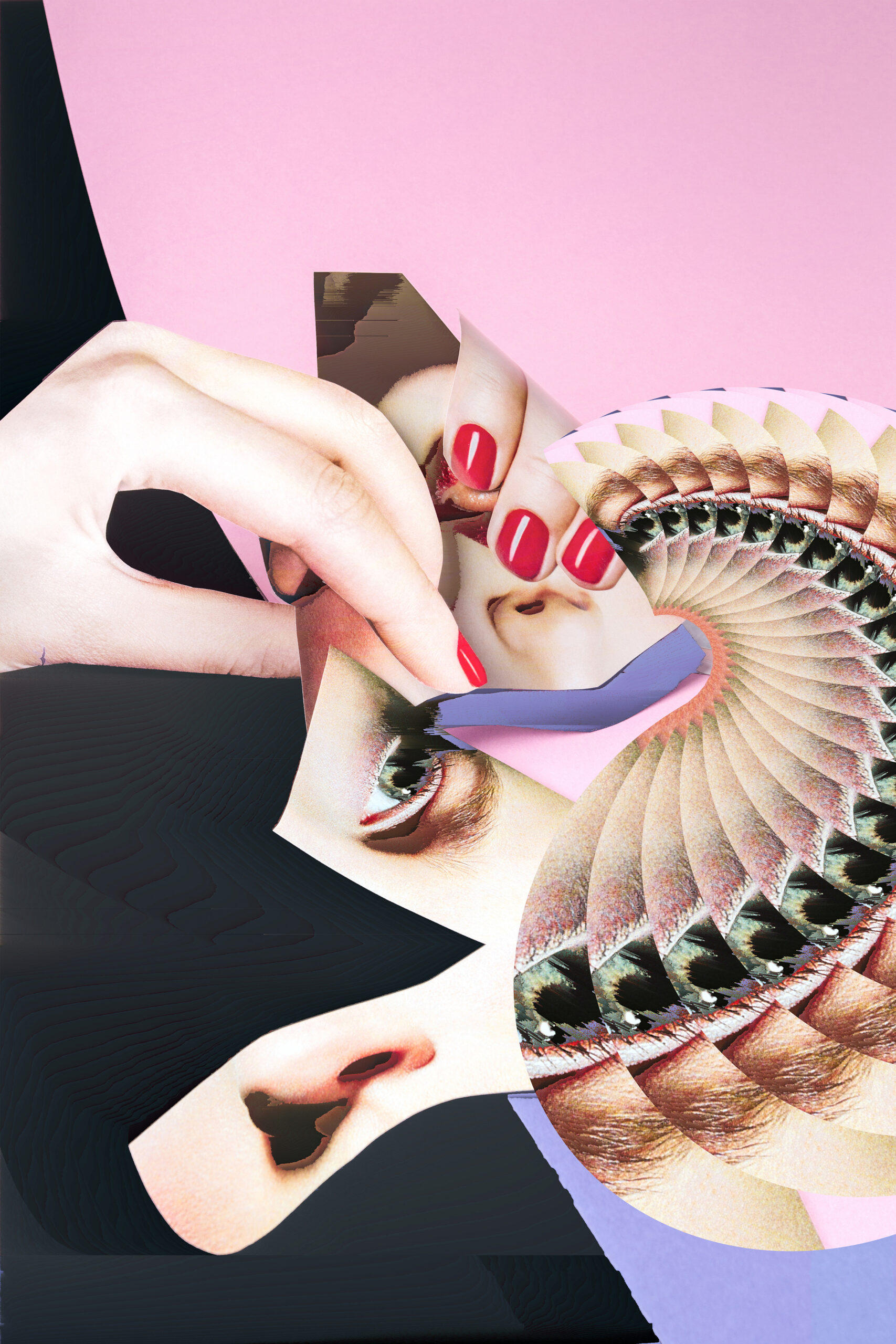
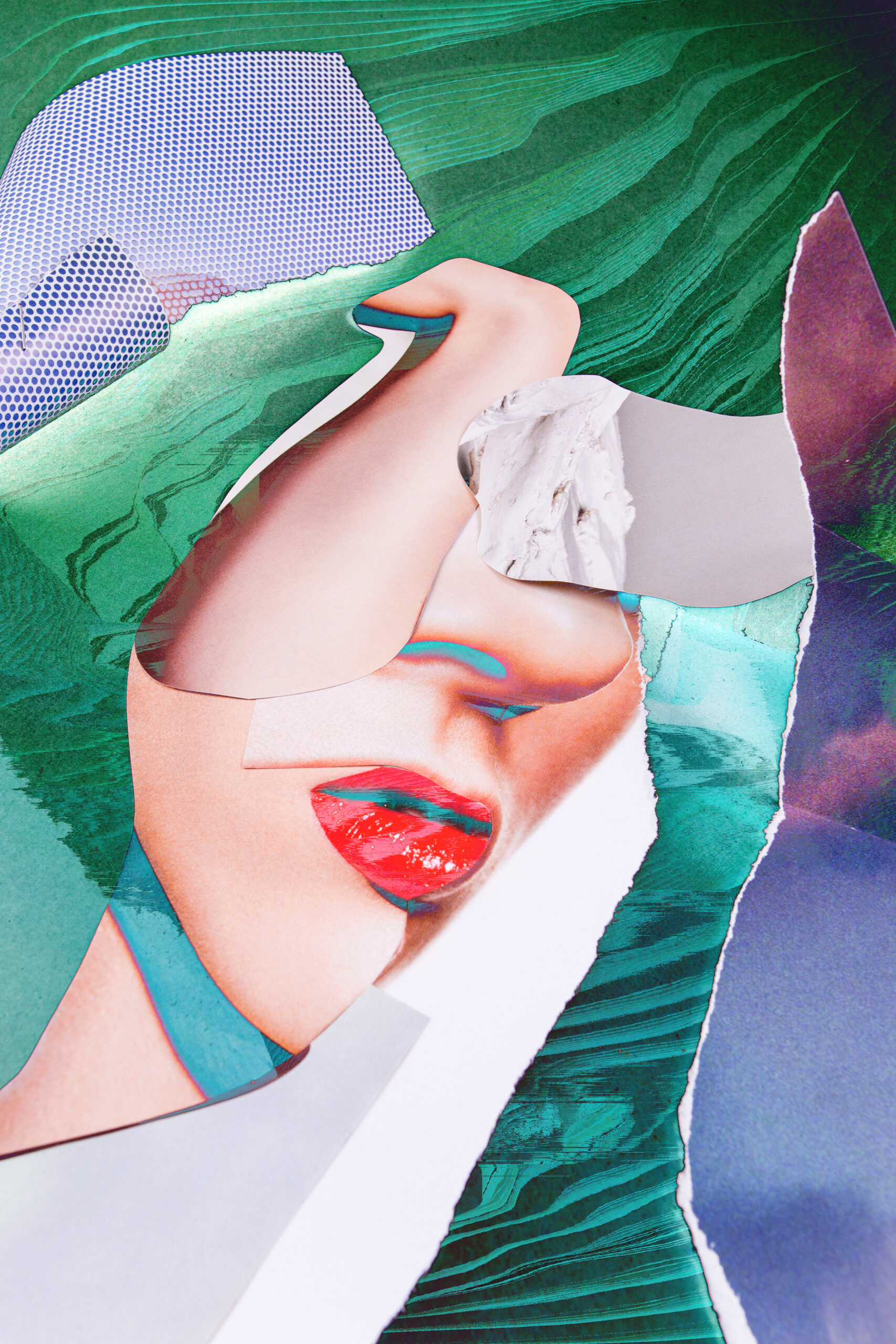
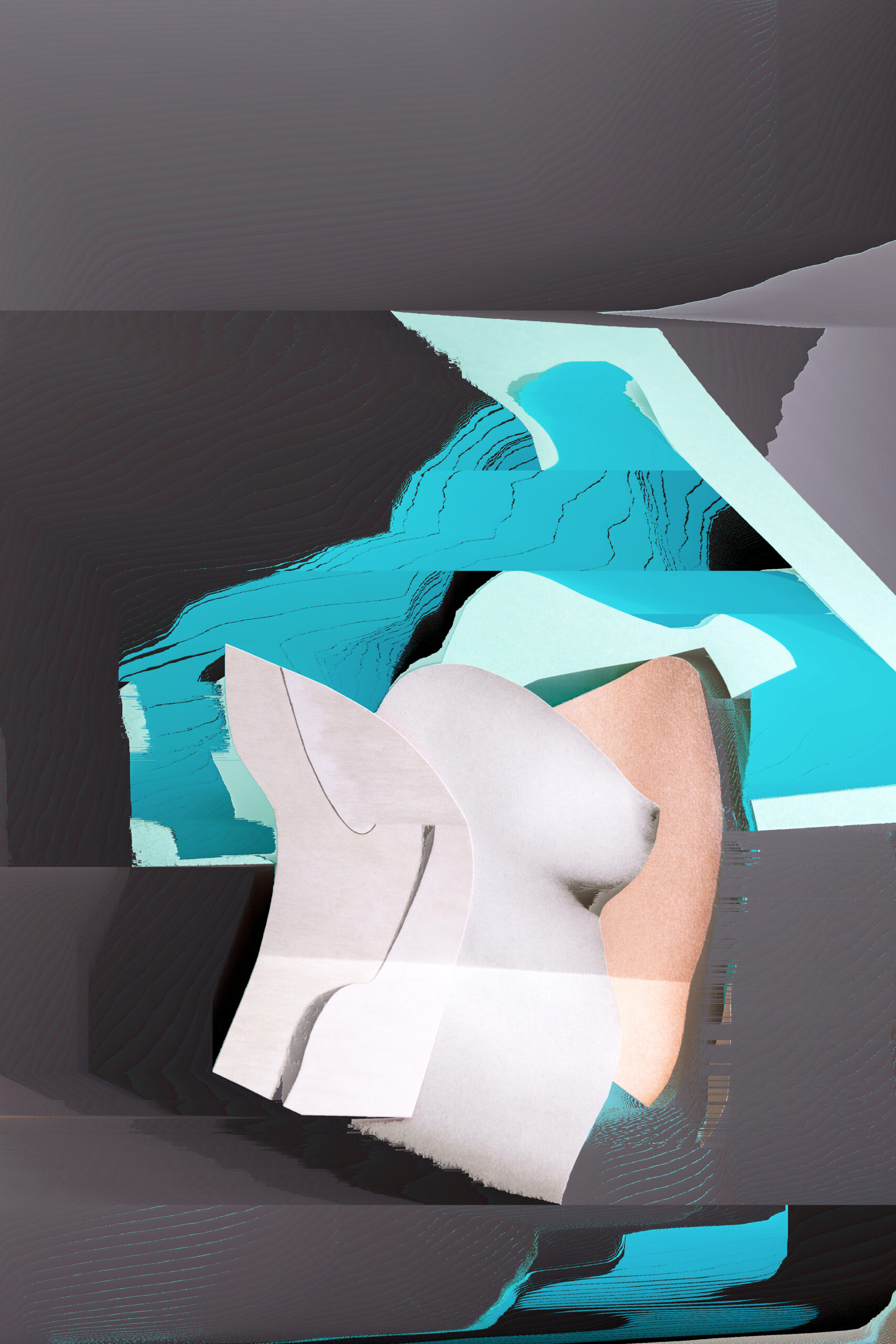
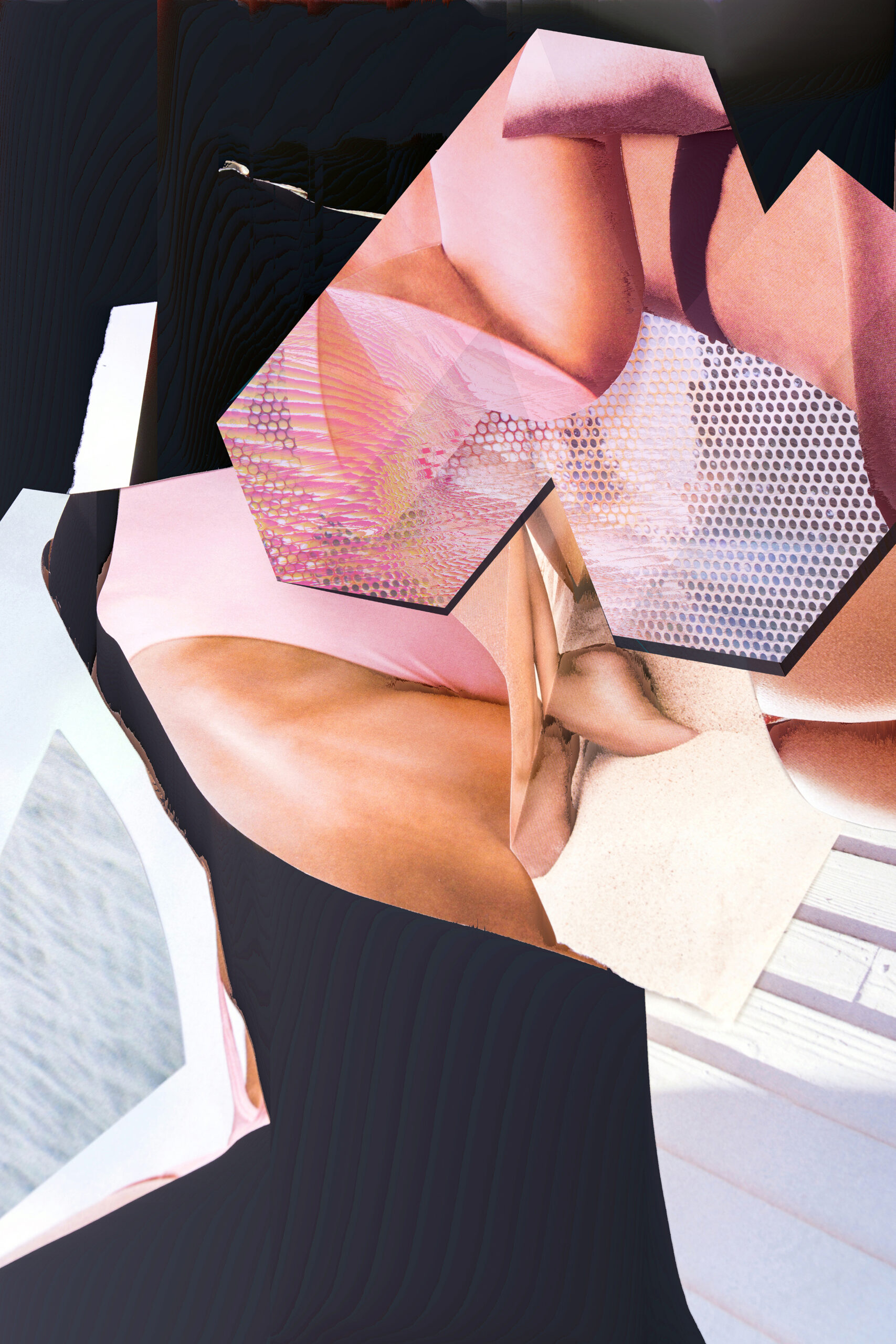
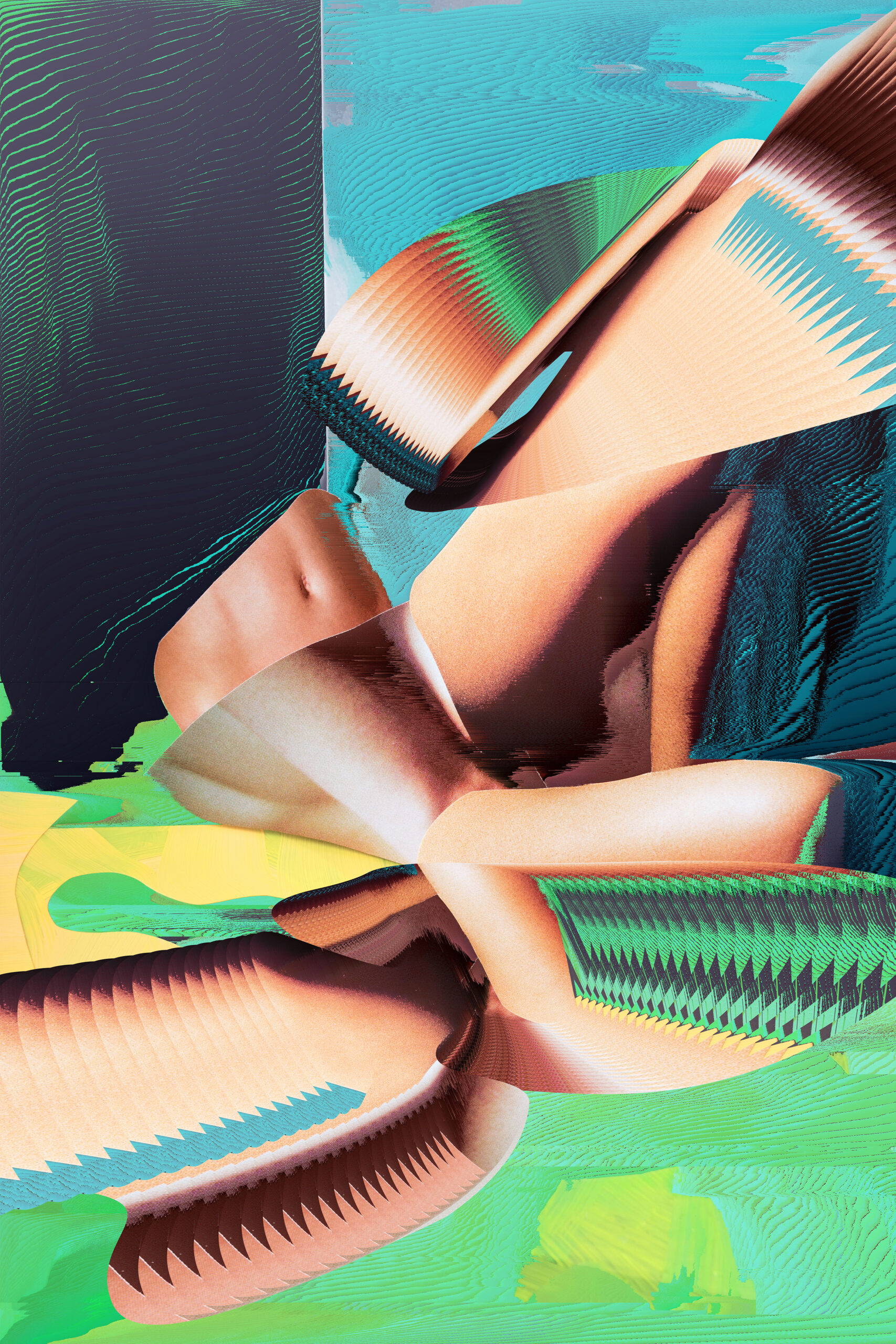
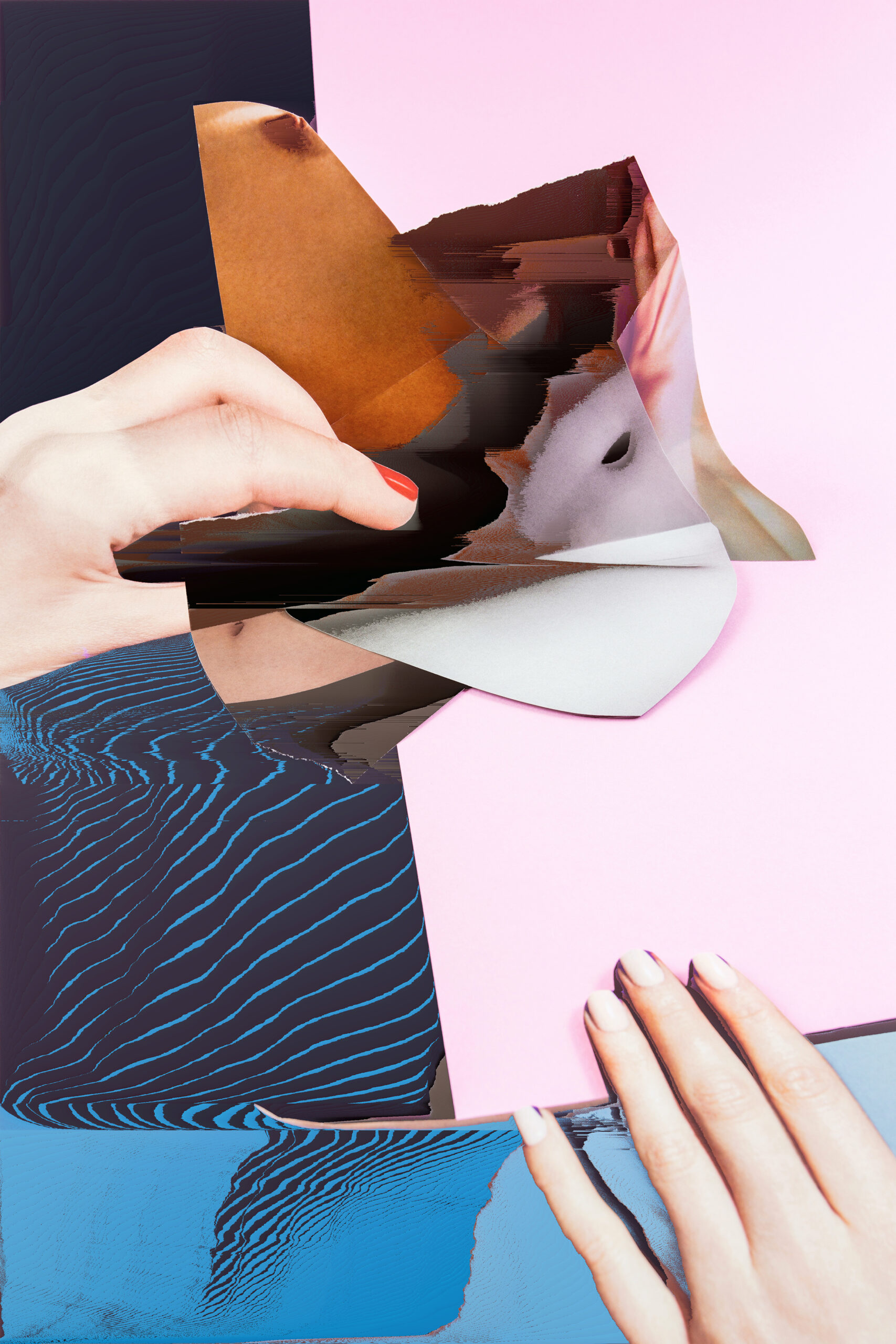
In this series, I tried to challenge our trust of digitally constructed imagery in the context of the post-photographic era. The project was inspired by the failures and bugs in the popular beauty apps, where unnatural bodies get distorted. I used photography as a starting point, alongside digital tools to create an expressive project that is both a critique and a celebration of the ongoing progress in contemporary technology and culture. I employed many methods of creating images: preparing three-dimensional collages constructed from stock images and my own portraits, photographing the scenes, printing in large sizes, physically manipulating prints, and digitally editing selected photos. In the final work, I tried to leave visible traces of digital processing, partly revealing my working methods in order to provoke discussion about contemporary photography.
Digitally edited images can serve as aspirational fantasies and occasionally they even can have a positive impact – when they are just effects of joyful entertainment. But can the game in which “your body is a battleground” be truly enjoyable? The phrase from Barbara Kruger’s iconic work has just as much resonance today as it did more than a quarter of a century ago.
Ewa Doroszenko (b. 1983) is a Warsaw-based artist whose creative practice employs a mixture of painting, photography and digital media. She earned a Doctor of Fine Arts degree from the Nicolaus Copernicus University in Torun, Poland. Doroszenko is a winner of many competitions and a participant of many exhibitions and festivals, such as Riga Photomonth, Transmission Arts Festival Athens, FILE Electronic Language International Festival in Sao Paulo, ISEA International Symposium on Electronic Art in Vancouver, GENERATE! Festival for Electronic Arts in Tübingen, The Wrong New Digital Art Biennale in Rio de Janeiro, among others.