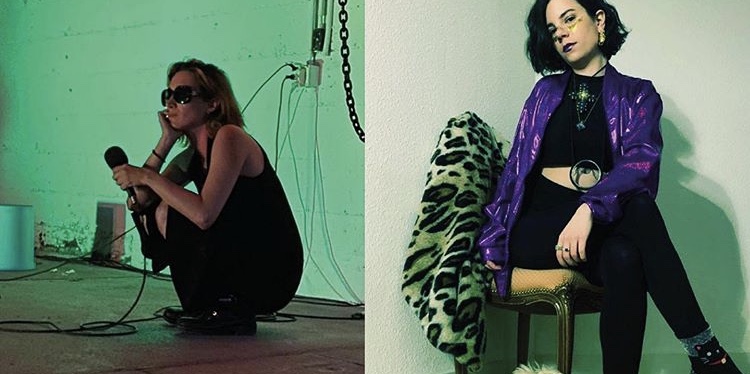
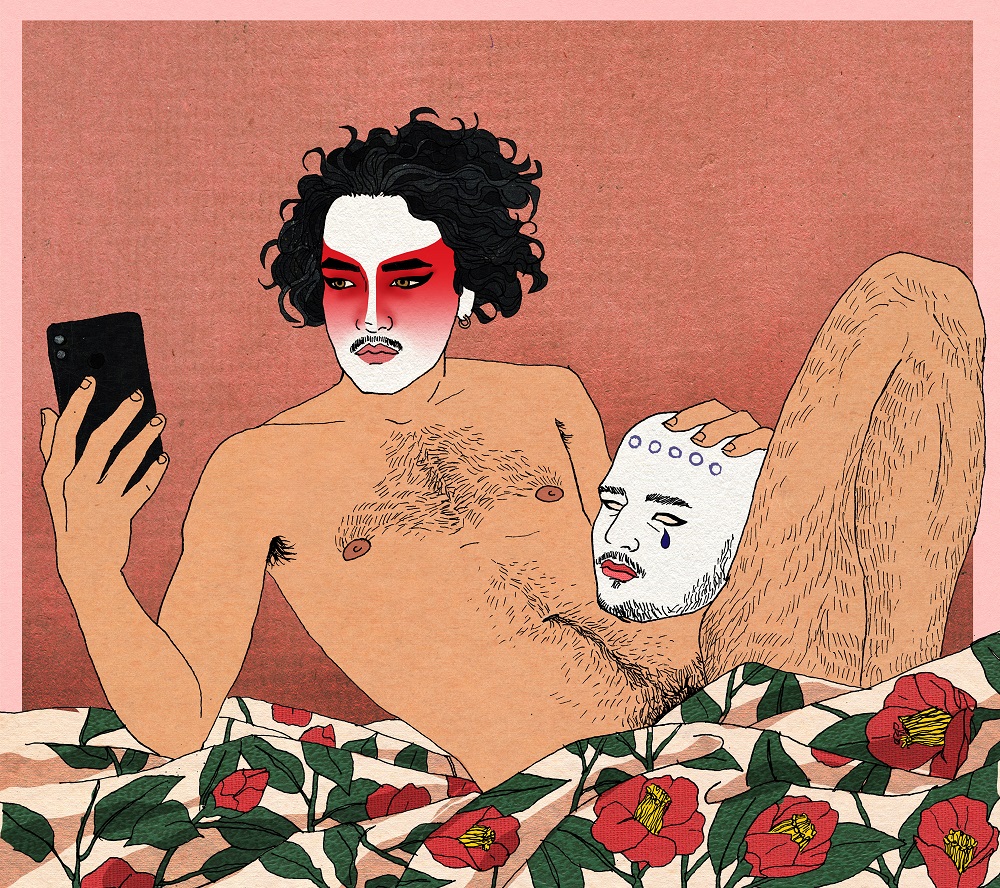
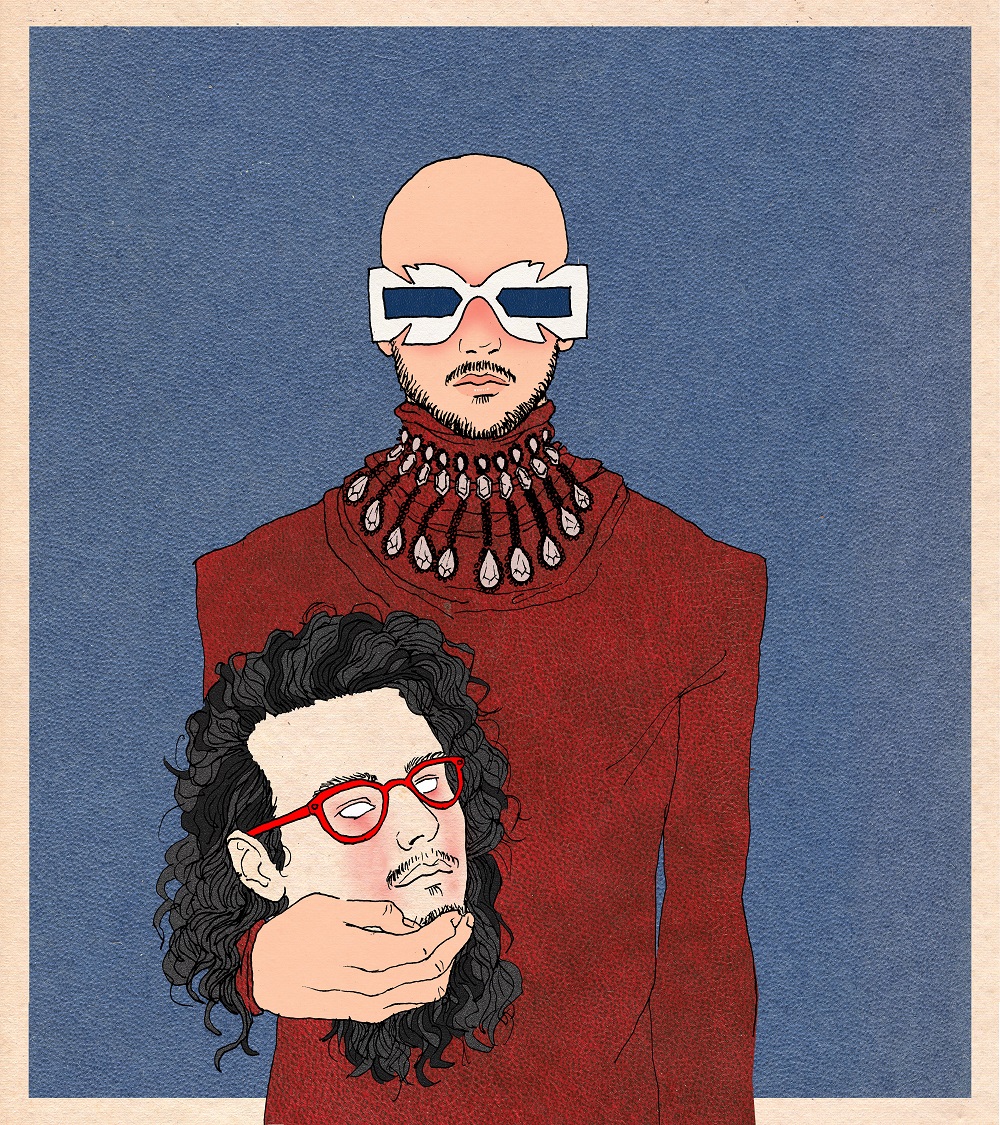
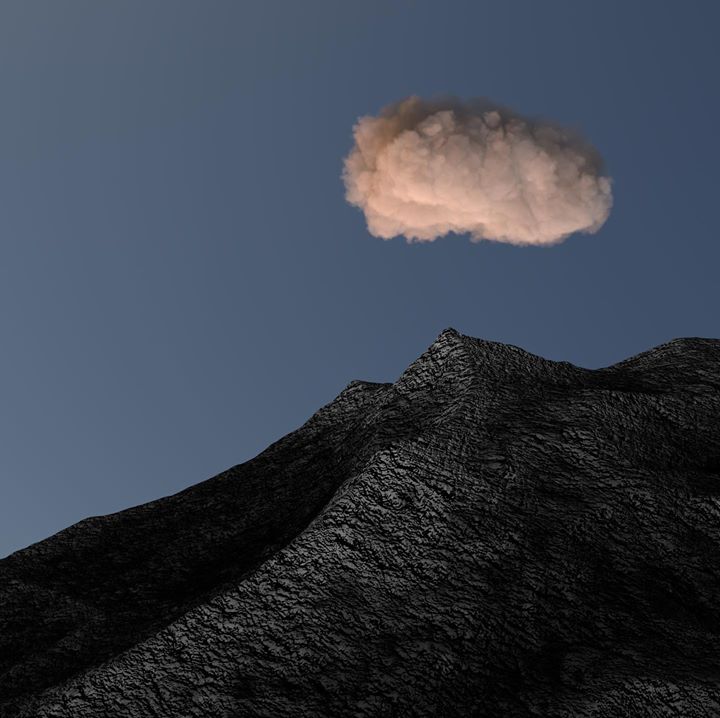
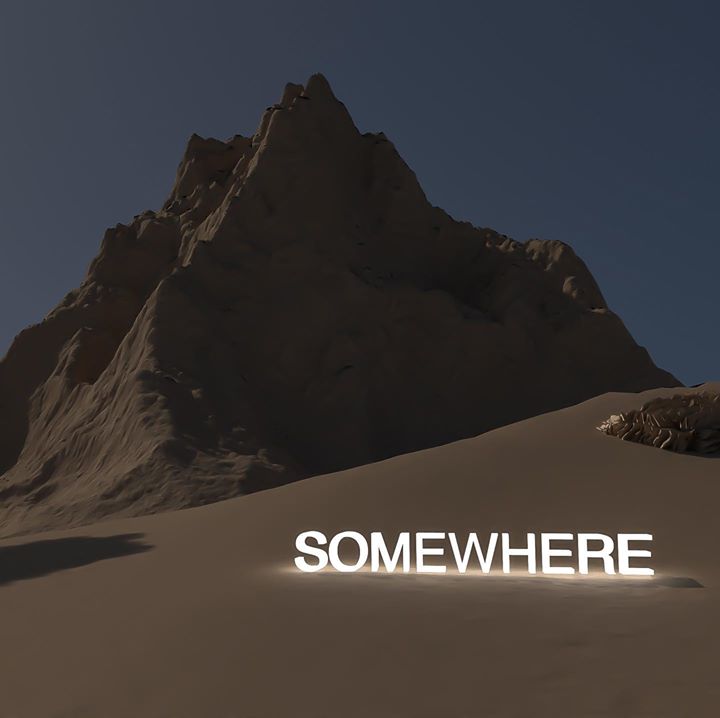
Pour cette première édition du Festival l’été au verger, Olivia Malena Vidal et La Chatte Astrale s’associent pour présenter une performance inédite. La première, diplômée en traduction, puis en photographie, navigue entre Genève et Amsterdam, et son art entre la voix et l’image.Son approche artistique mêle vidéo, performance, collage, photographie, écriture et peinture dans une recherche où rêve et réalité s’entrechoquent, complices d’une perpétuelle quête de la mémoire. La seconde s’infiltre dans les lieux de fête, concerts, festivals et événements artistiques pluridisciplinaires et propose une immersion totale dans son univers sonore et visuel. Son ton grinçant et provocateur joue avec l’ambiguïté des mots et rapports aux autres. Elle inviteront le public, le temps de la performance, à bord de leur vaisseau spatialo-poético-politique pour un voyage cosmique aux multiples interrogations.
Jeudi 20 août // 19h – 37, chemin du Petit-Veyrier
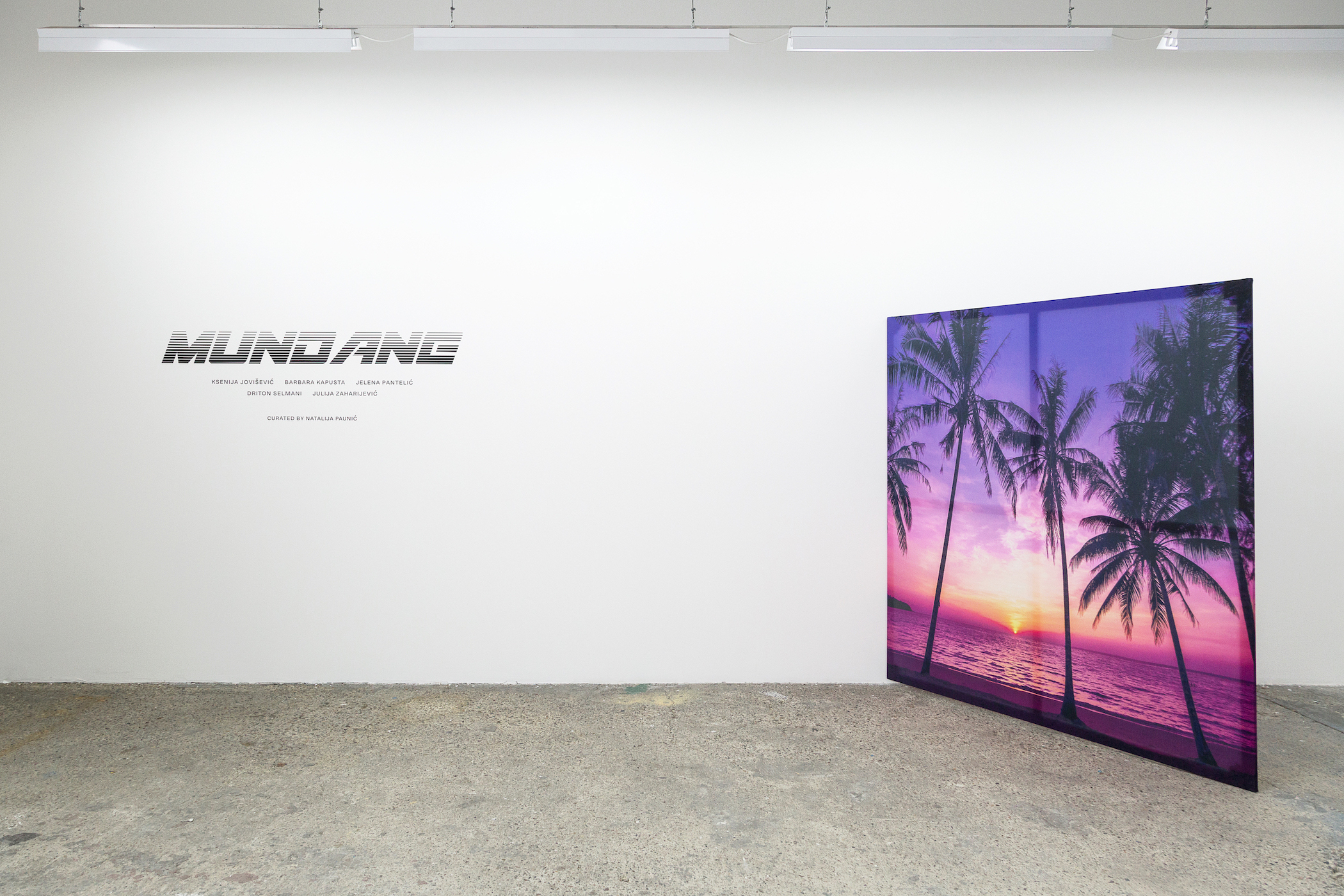
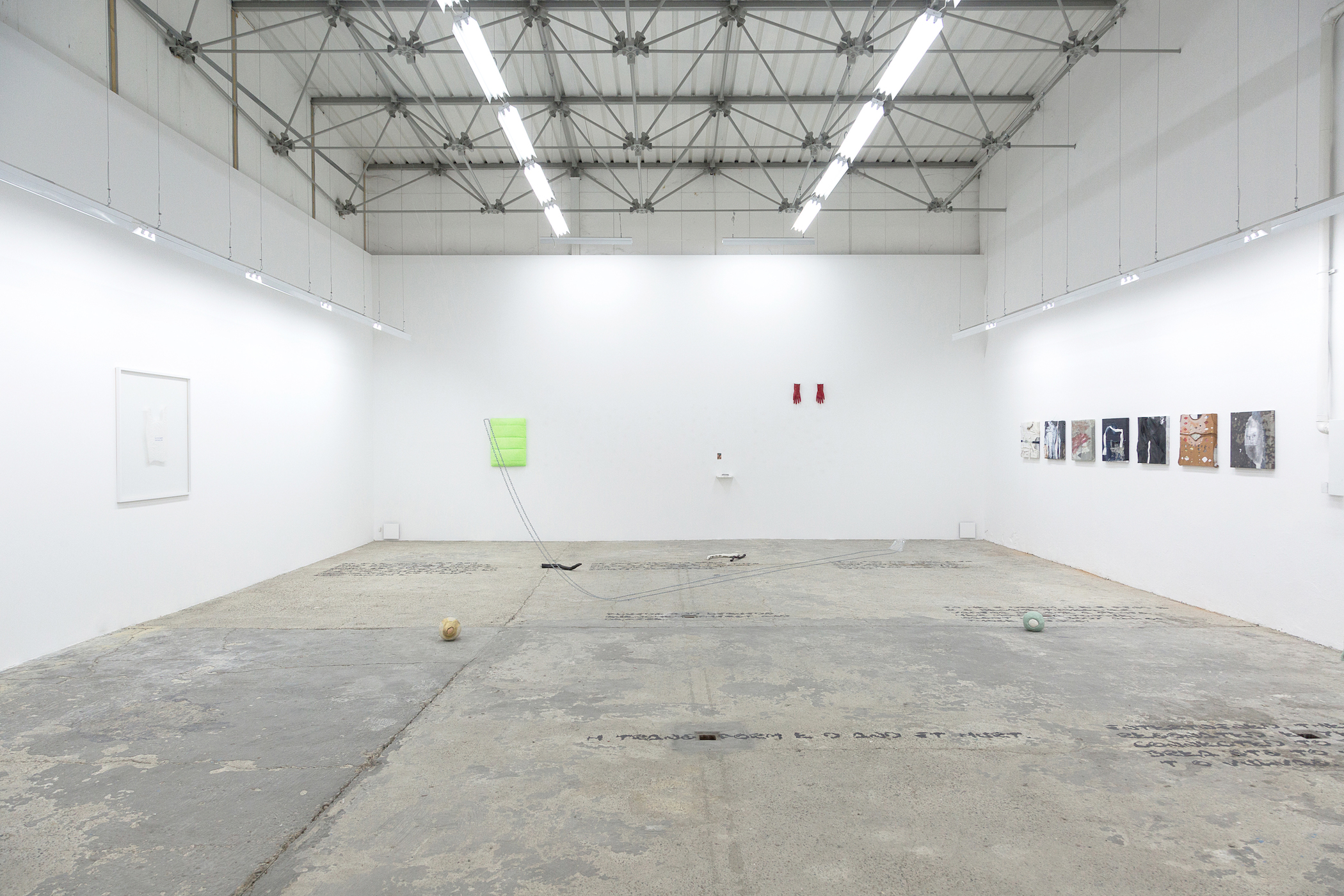
Ksenija Jovišević, Barbara Kapusta, Driton Selmani, Jelena Pantelić, Julija Zaharijević Curated by Natalija Paunić
Visual arts and fashion occasionally cross paths. Out of the two, fashion certainly has a healthier relationship with reality, being honest about what it is: it’s a commodity, it gives us what we want, therefore it tells us where we stand as a society. In the past few years, mostly thanks to Instagram and other online platforms, general awareness about trends in lifestyle and clothing increased. As information became almost annoyingly accessible, aesthetics did the same. Balenciaga, for example, successfully created a hybrid of privilege and ordinariness in a single brand. Conveniently, their ad was on the back cover of the latest Mousse issue, with the camera slightly out of focus, in a mildly underwhelming setting; the models are indifferent, nothing looks exceptional, yet everything smells like high life. It’s unremarkable and it’s exciting at the same time. That’s the contemporary attire of luxury and that’s probably the state of the world as well.
To say that art is also a luxury is one way to put it, the other could be: a free form of expression, derivative but independent from the so-called everyday life. Almost as if we refuse to say that art gets compromised, constantly, by the evaluation system, the academic elite, by the people who ‘don’t get it’, by the market and predefined assumptions. Unlike fashion, art gets explained but rarely excused and offers itself for interpretation, for classification, for a debate over its worth. Perhaps for this reason, we find ourselves in awe of wearable items and accessories, not as people, but as professionals. Clothes and bags are the ultimate commodities, aestheticised but still purposeful, renewed every season, verging on vain.
As in any show, the title attends to the viewers’ expectations. In this case, the exhibition is prefaced by an adjective describing usual, customary, even uneventful things, which places the focus on the relationship between the observer and the object. By posing the question of an object’s value and relevance, we question our attitude towards it. Do we approve it, and what does that say about us? In order to be relevant, art needs to remain critical, but in order to be critical, it needs to understand the language of the world. And as Seth Price noted, even if in a book of fiction, it became “officially okay simply to like a painting”, and “enough to say, That painting is awesome, just as you’d say, That spaghetti is awesome” (Fuck Seth Price, 2015).
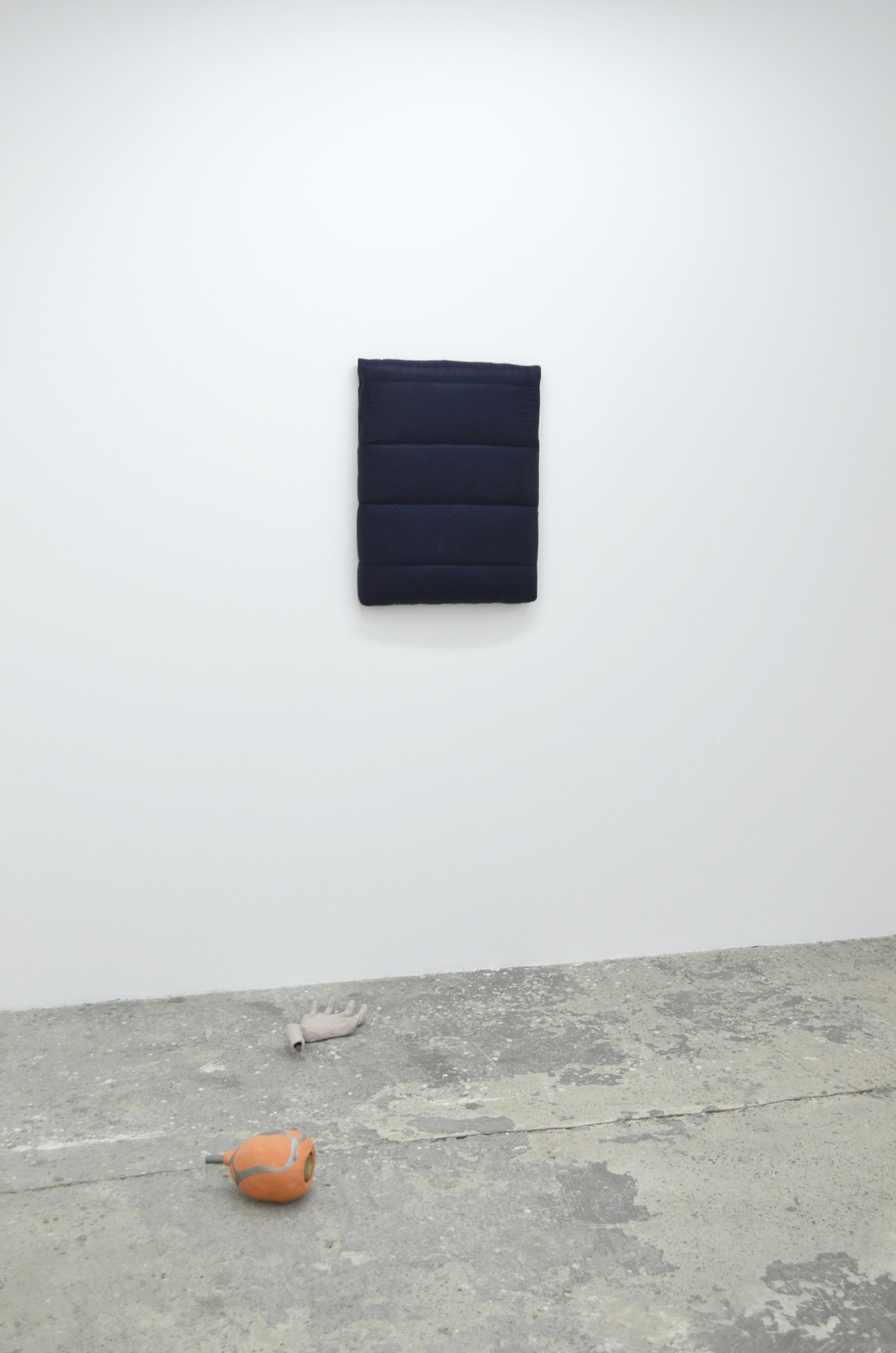
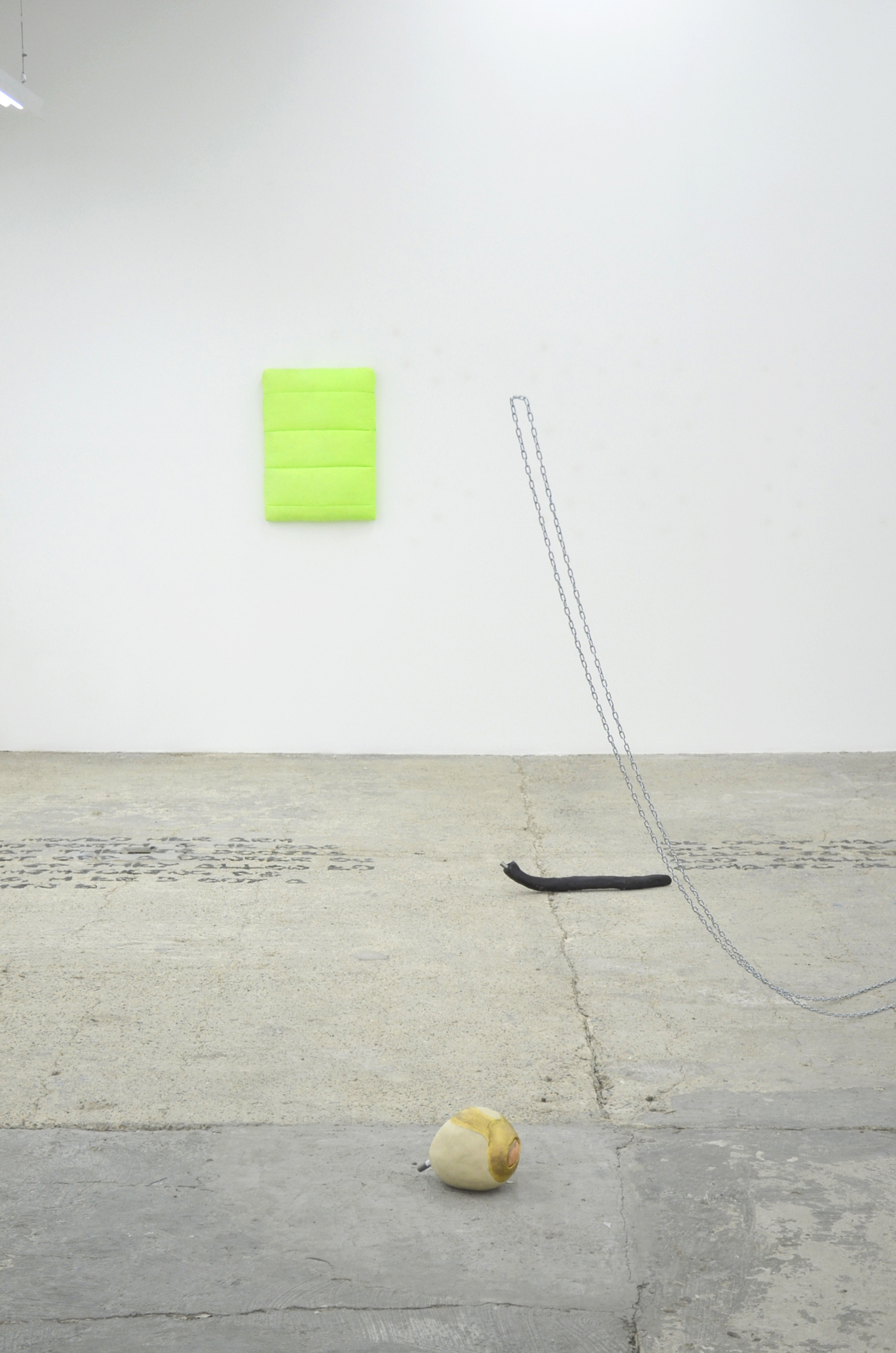
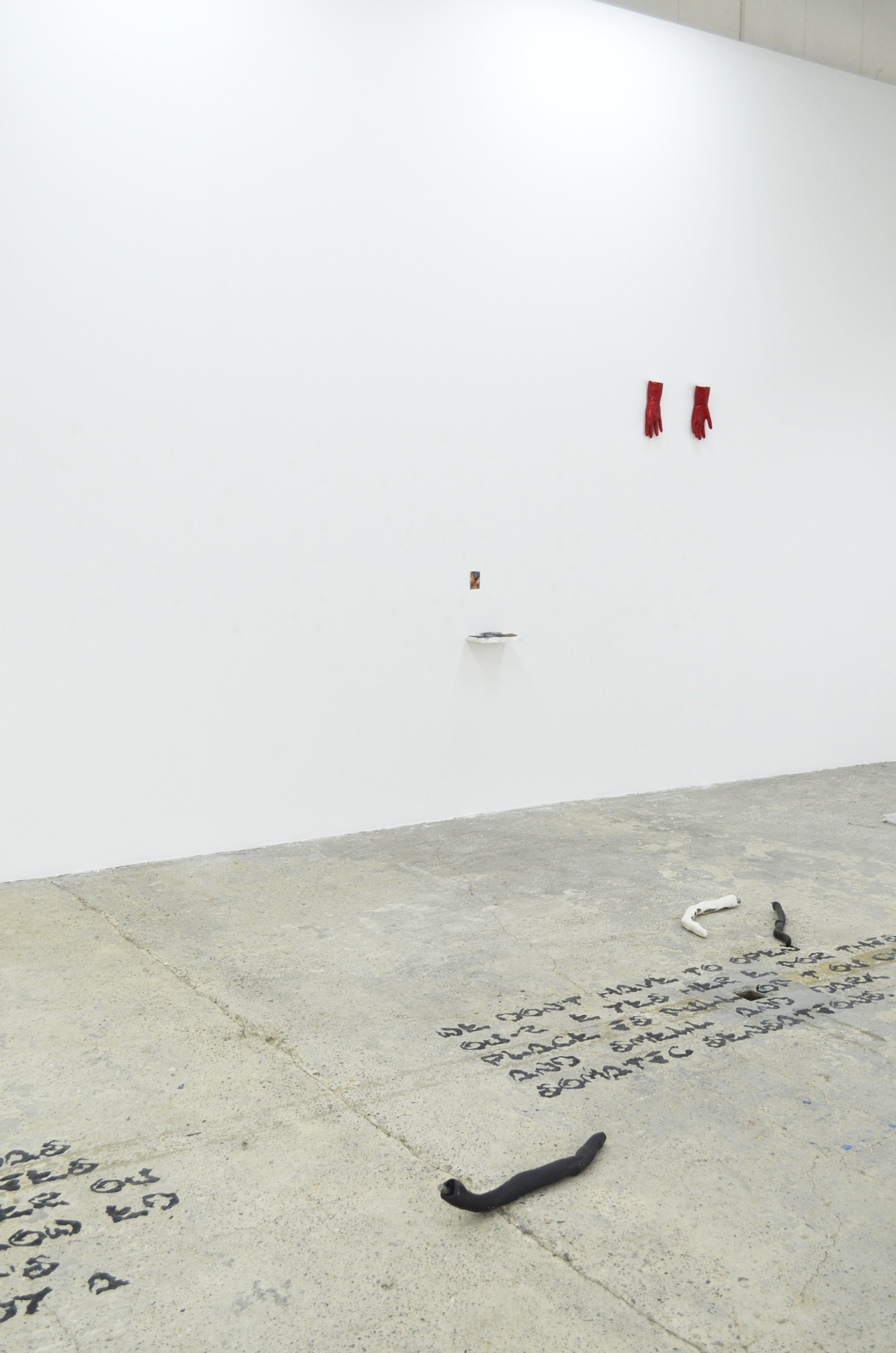
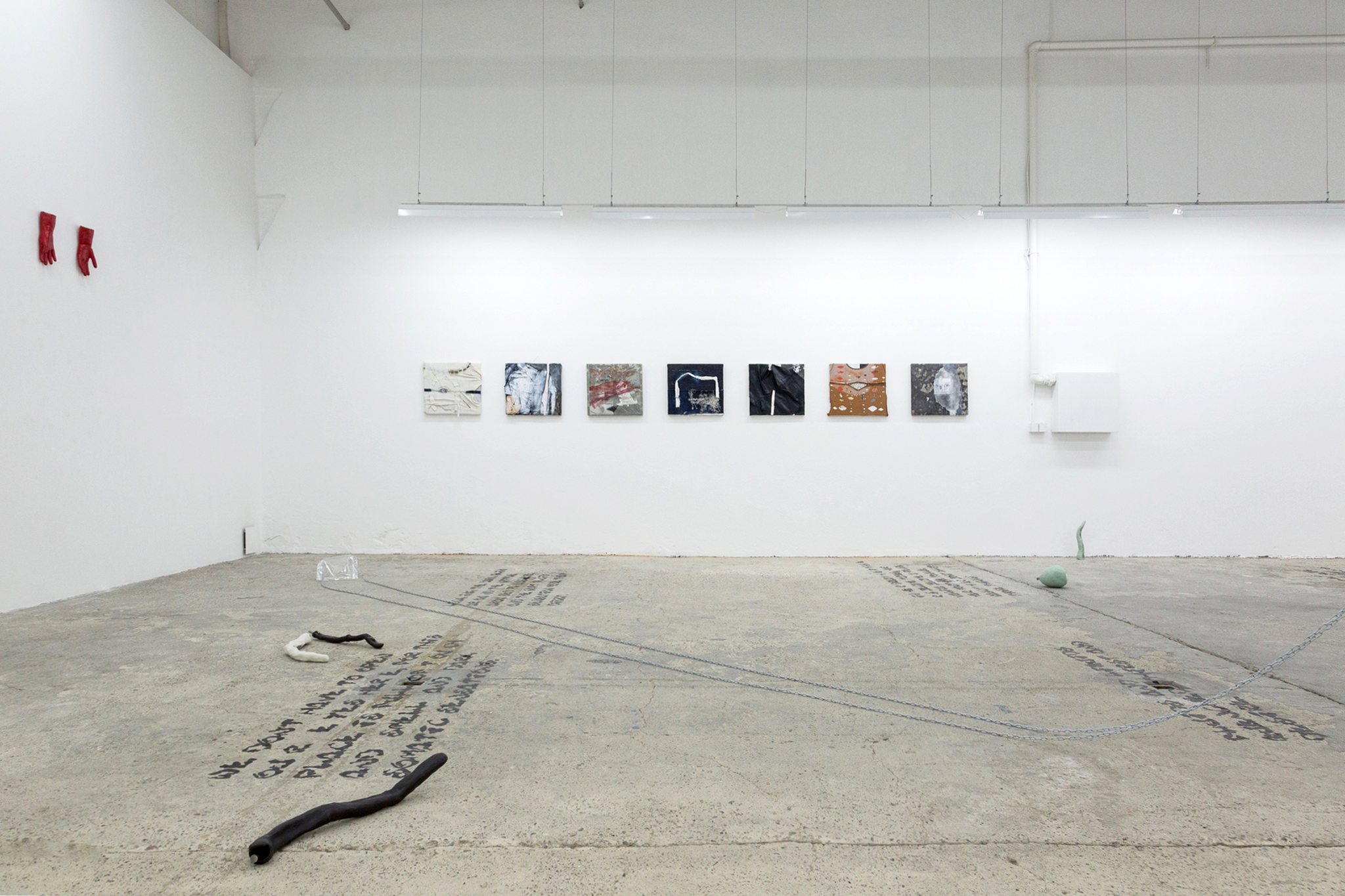
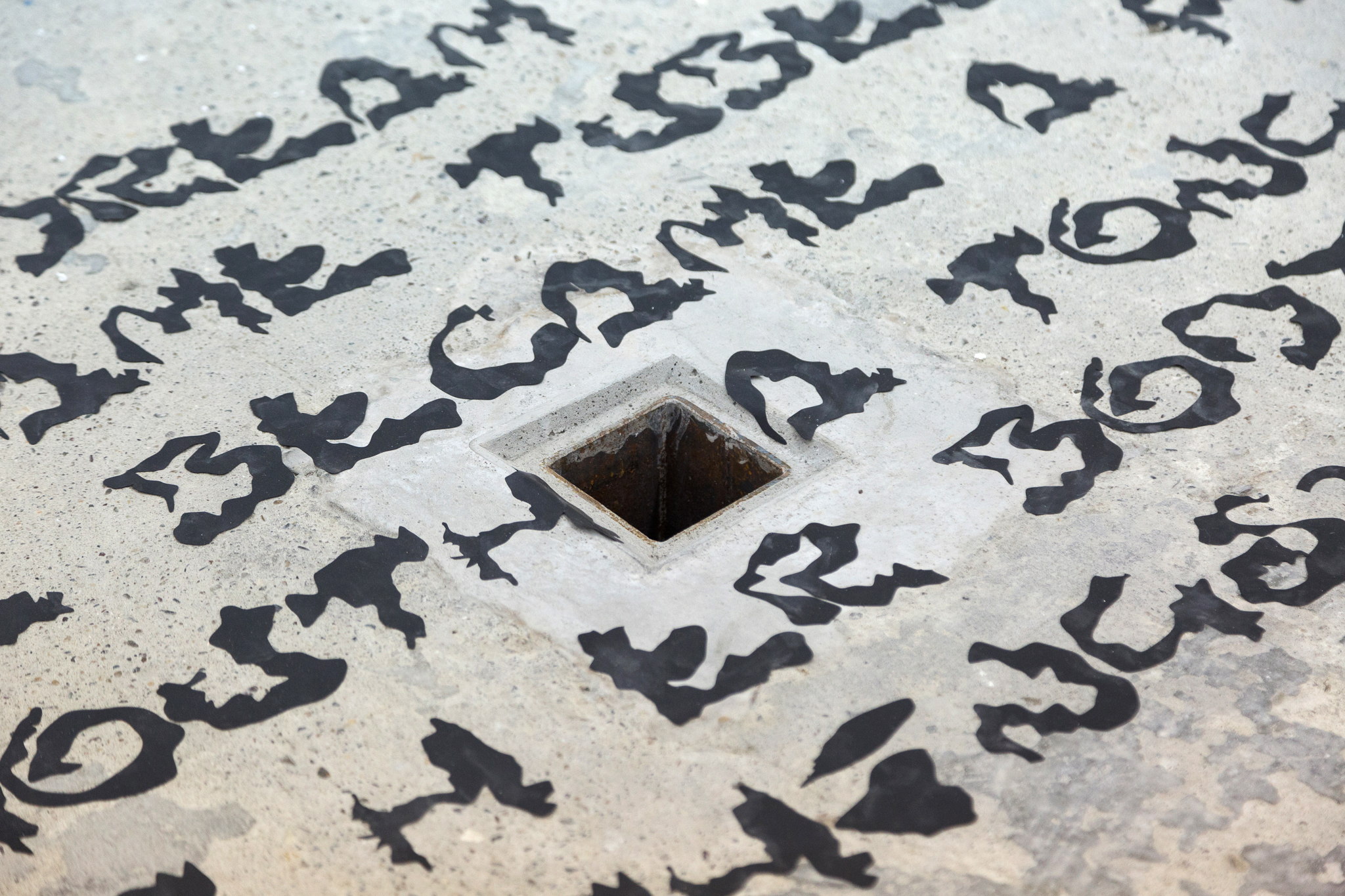
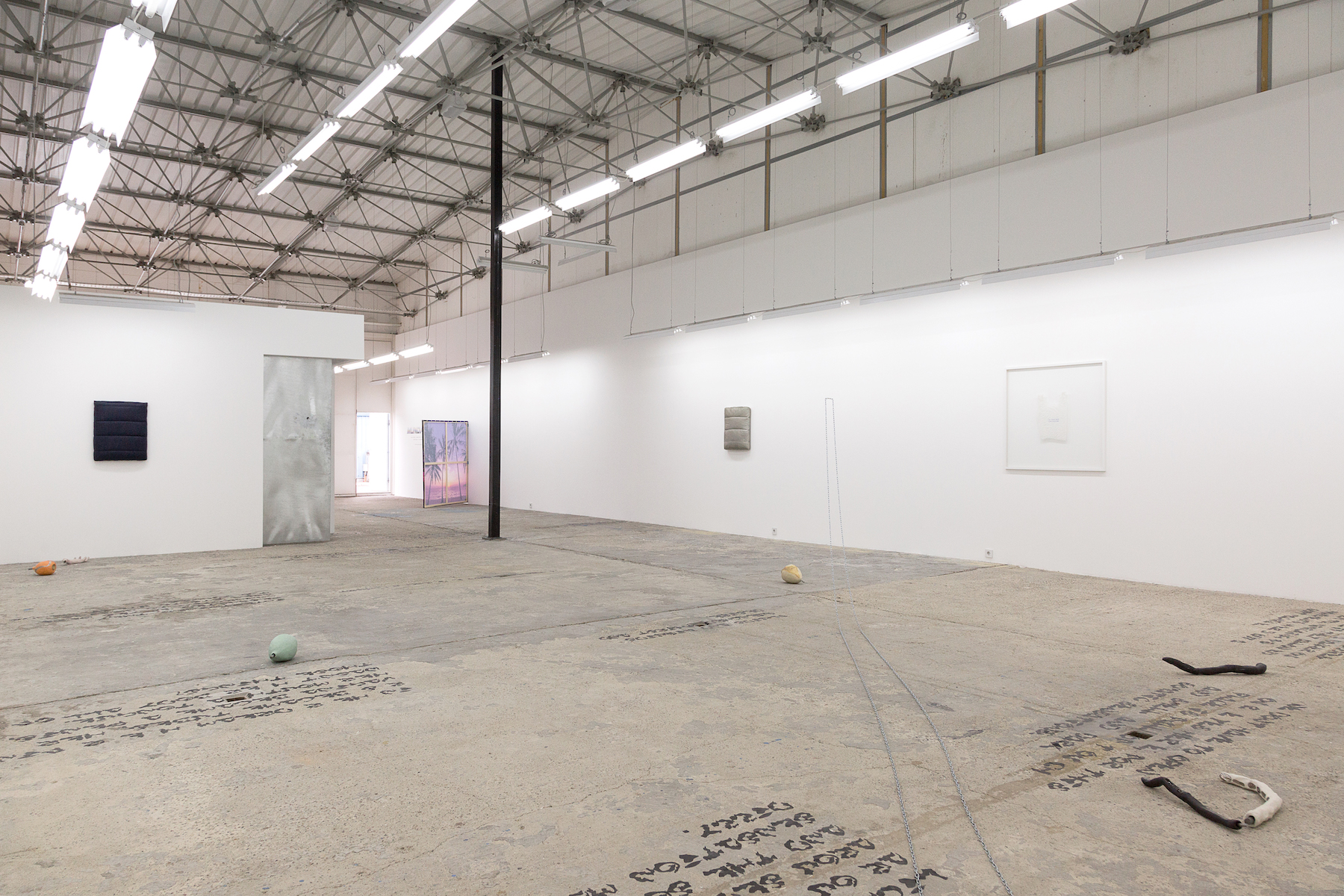
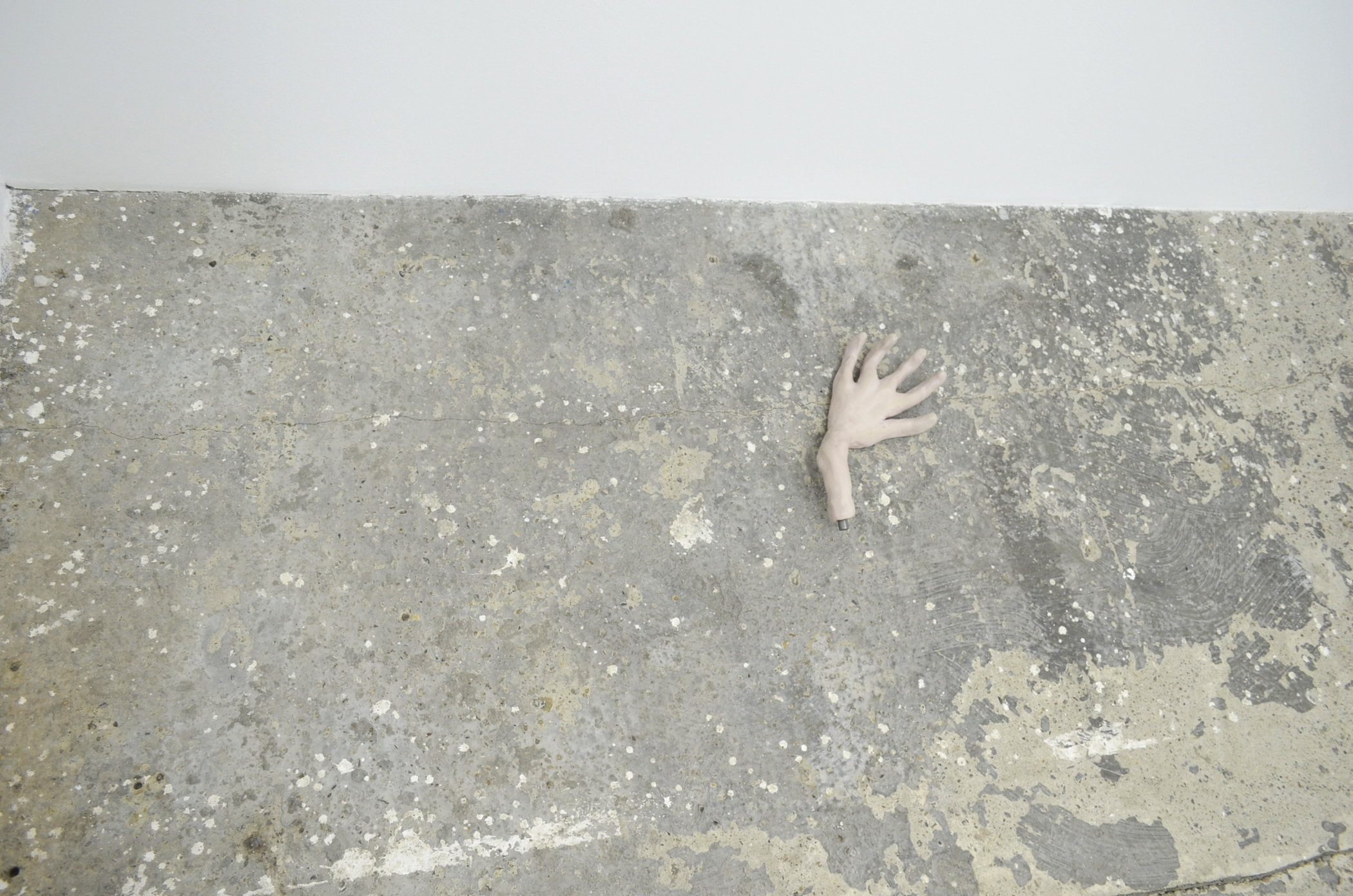
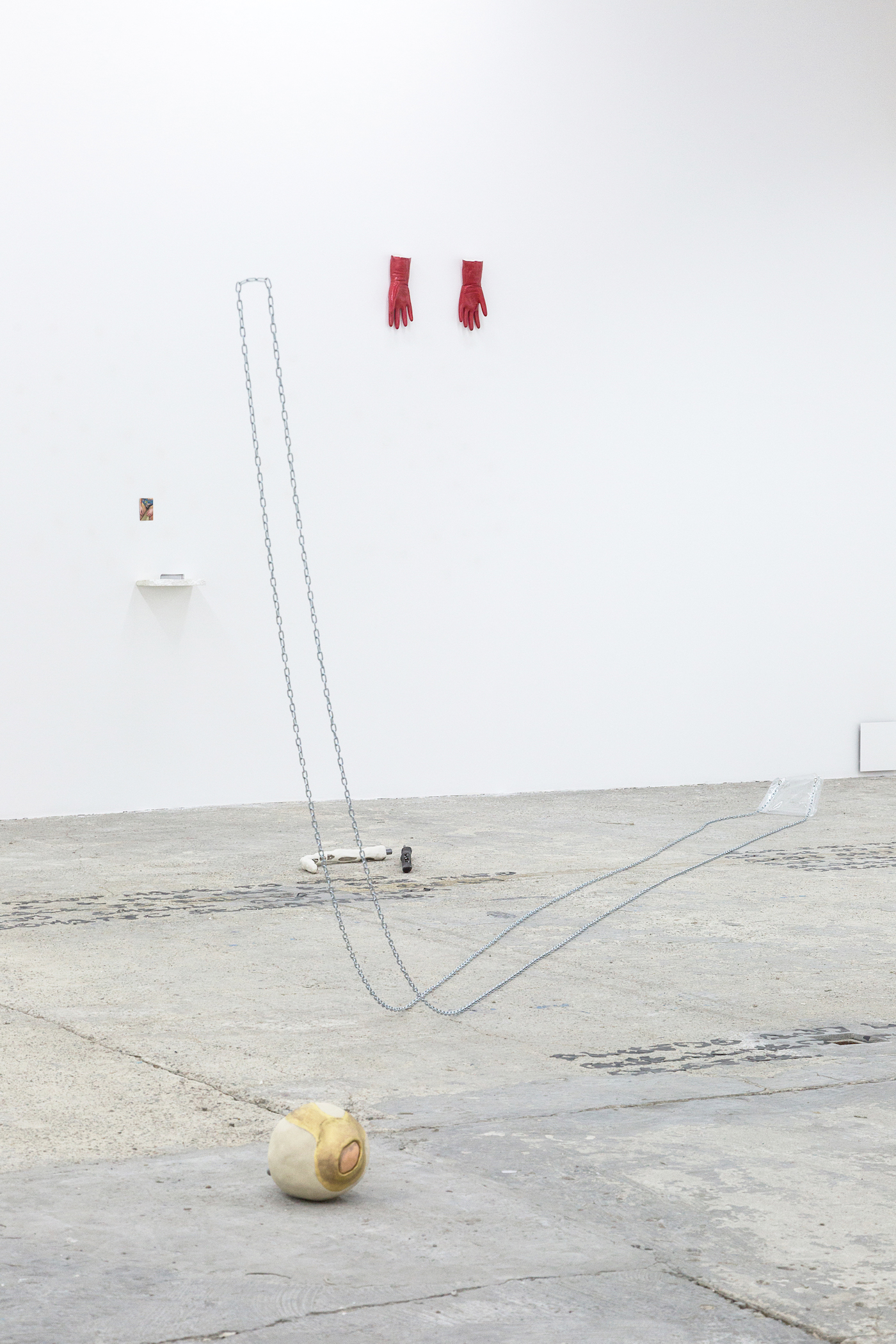
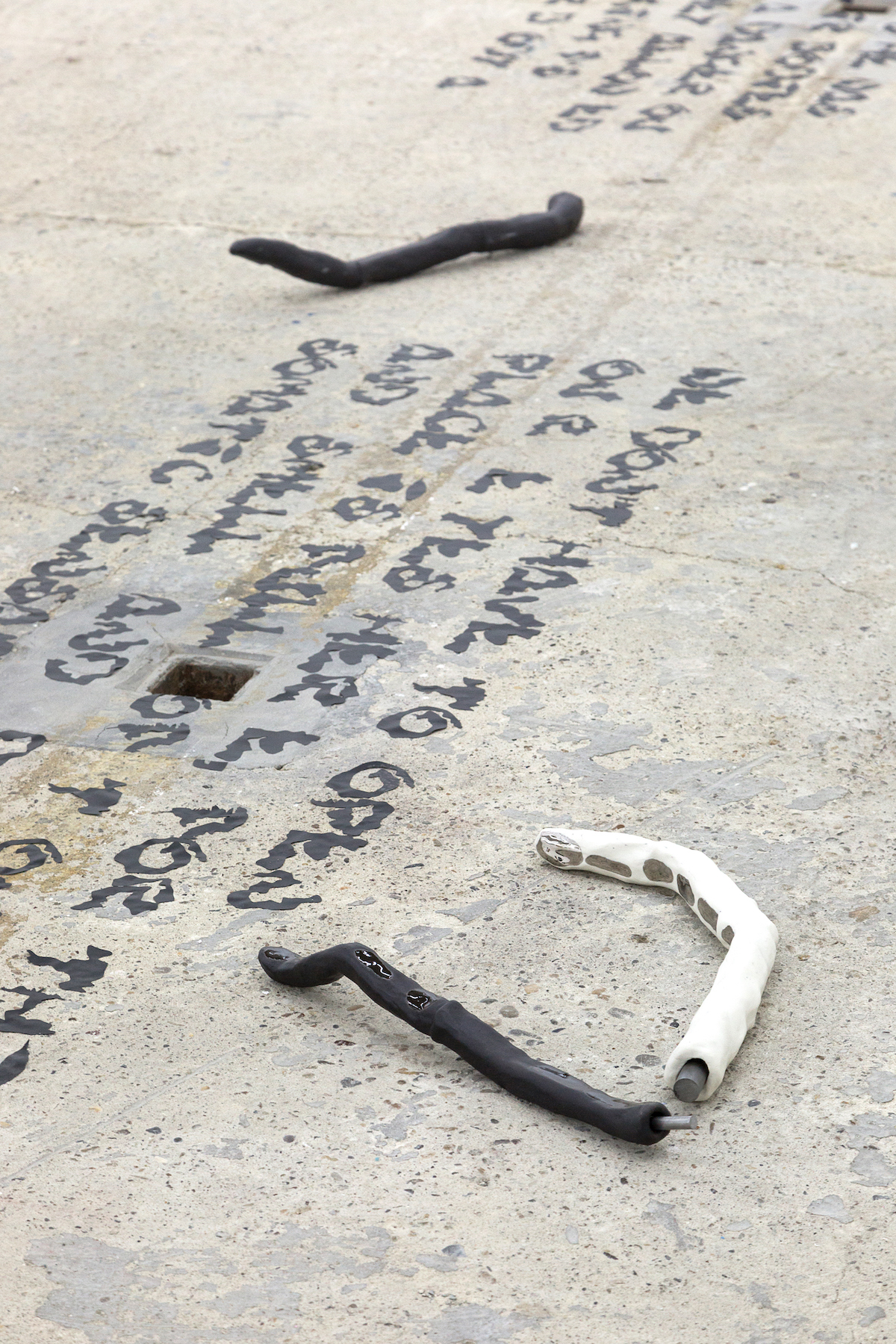
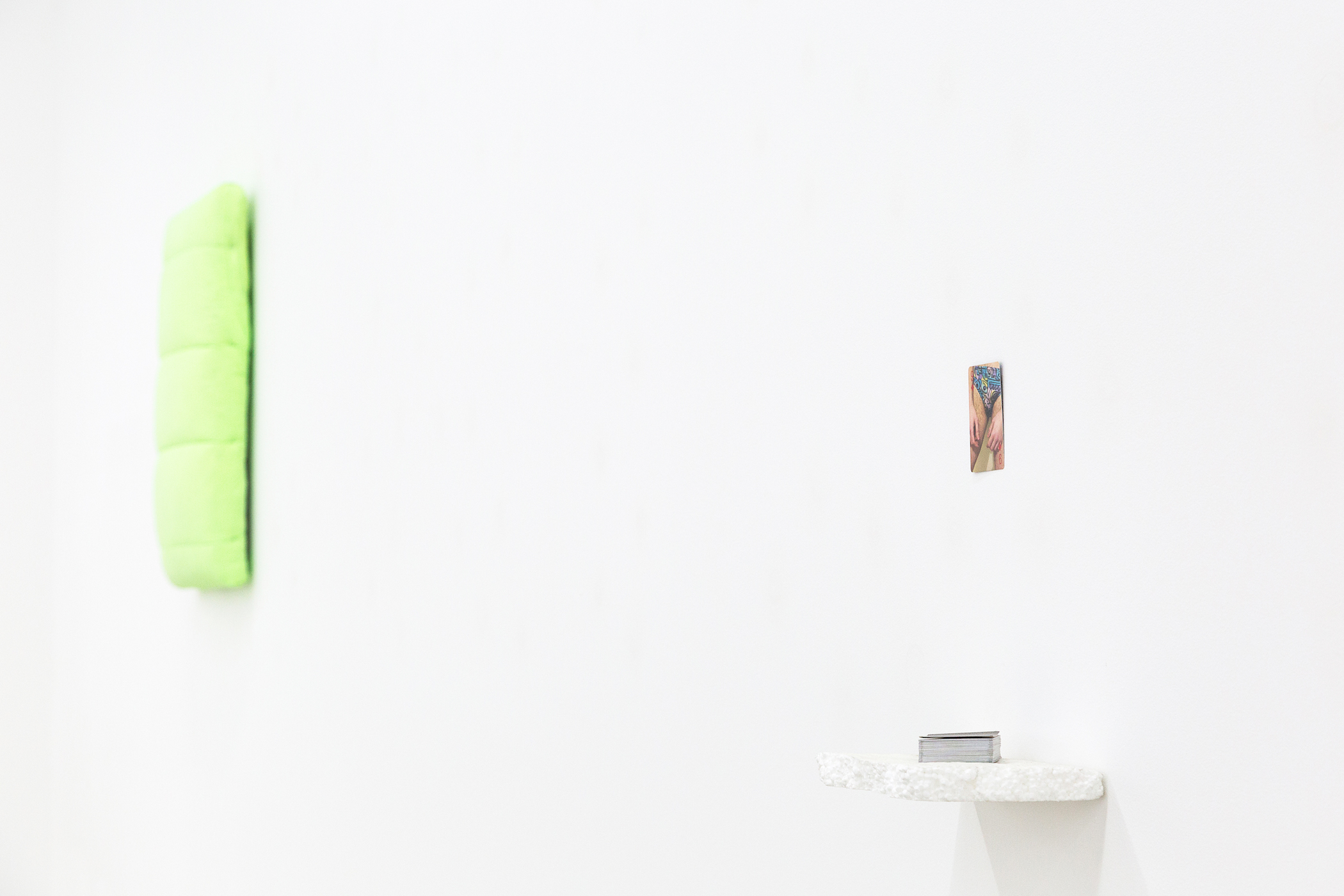
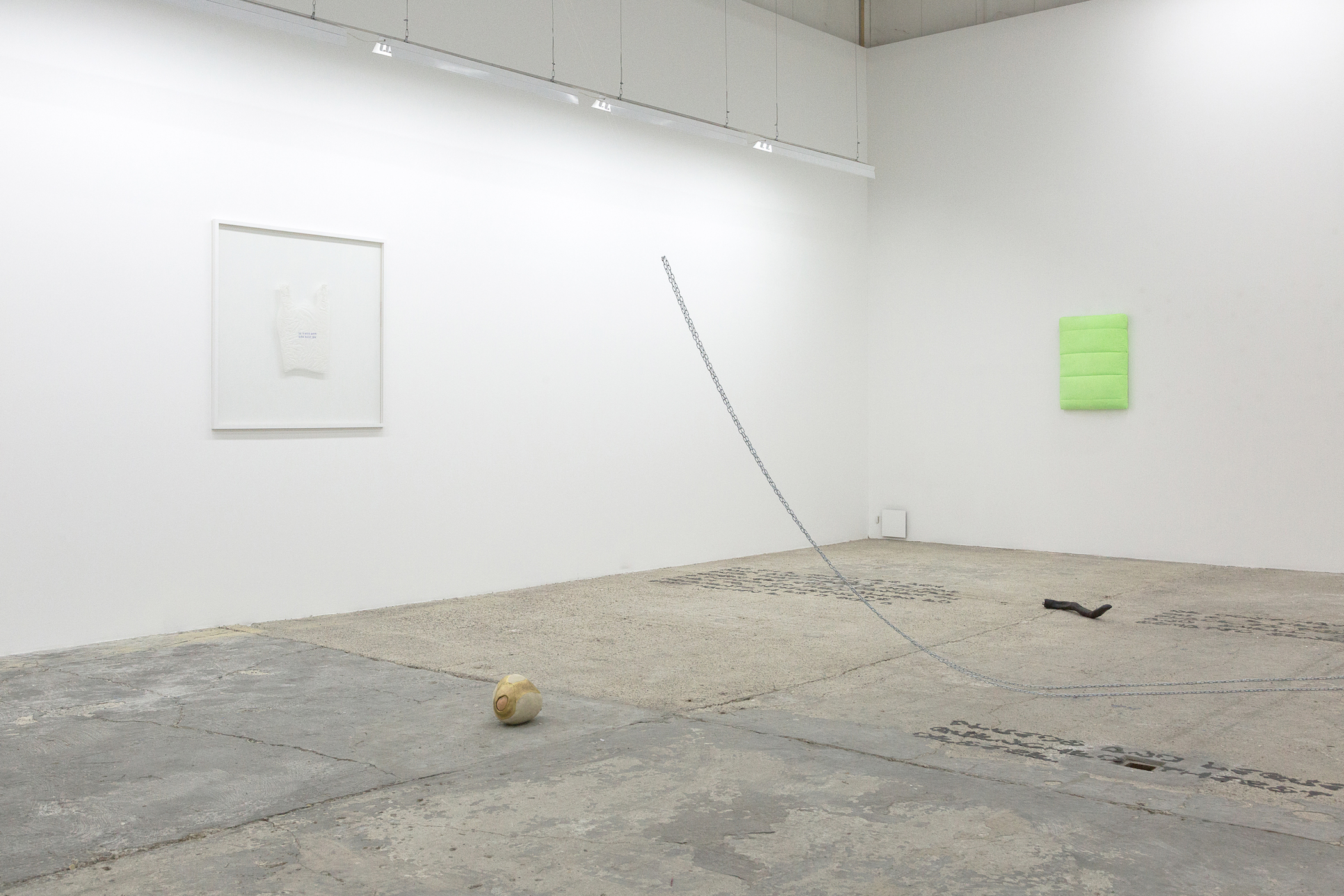
/ pause / Approaching the viewer like a fashion brand, the works on display look and feel familiar, but they, too, are something else. The unusual springs from the function assigned to them. Words can come across as sculptural rather than meaningful, even if they mean something as well. This idea is in the work of Barbara Kapusta, who treats text both as a visual item and a verbal output, depending on your own feeling about it and whether you want to gestalt your way through the typography or read the poem. Sometimes words hurt us or hug us with their content, sometimes with their shape. Sometimes the shape is the word – big, awkward, strange – like Kapusta’s Giant* ceramic body parts.
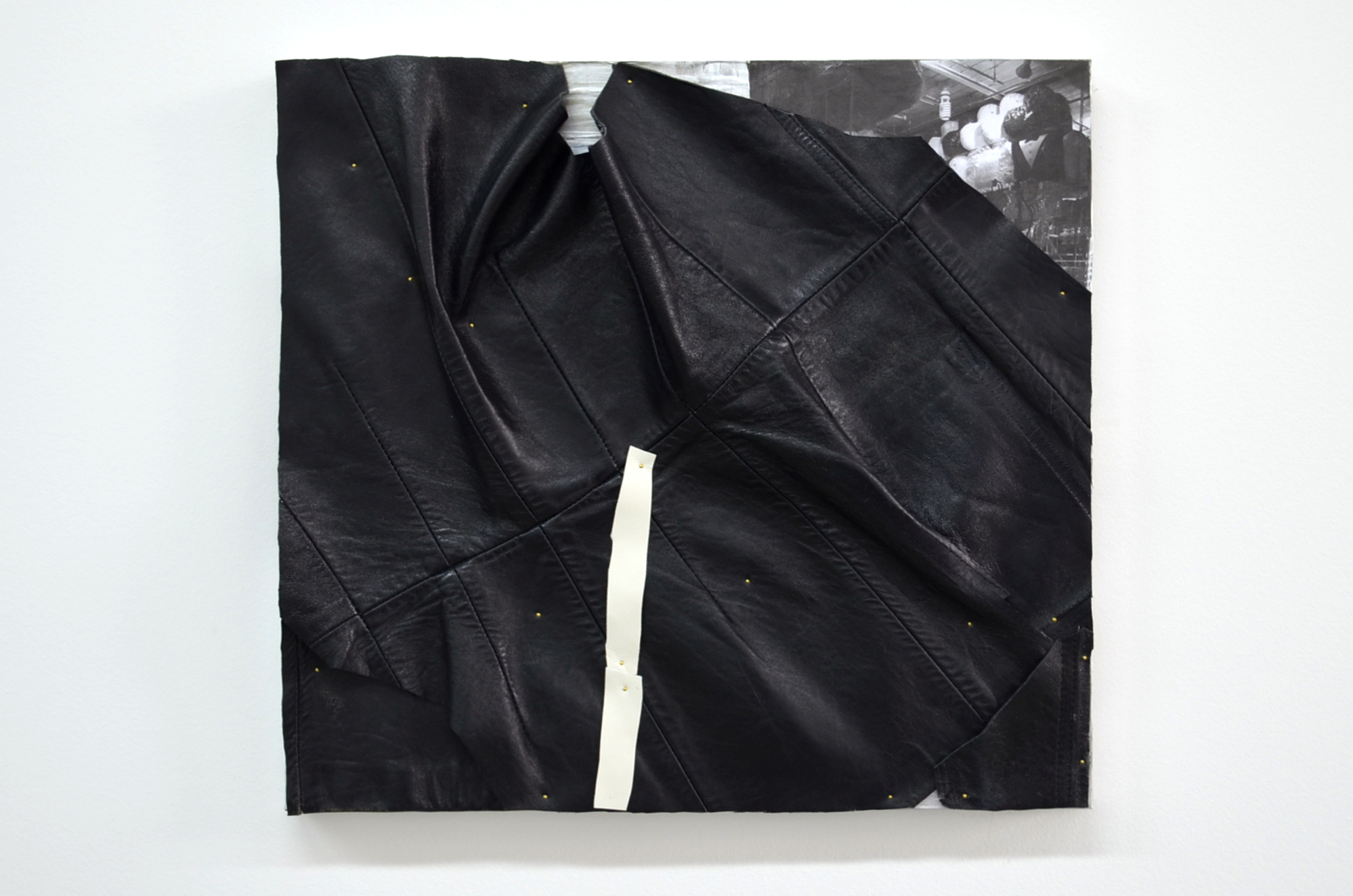
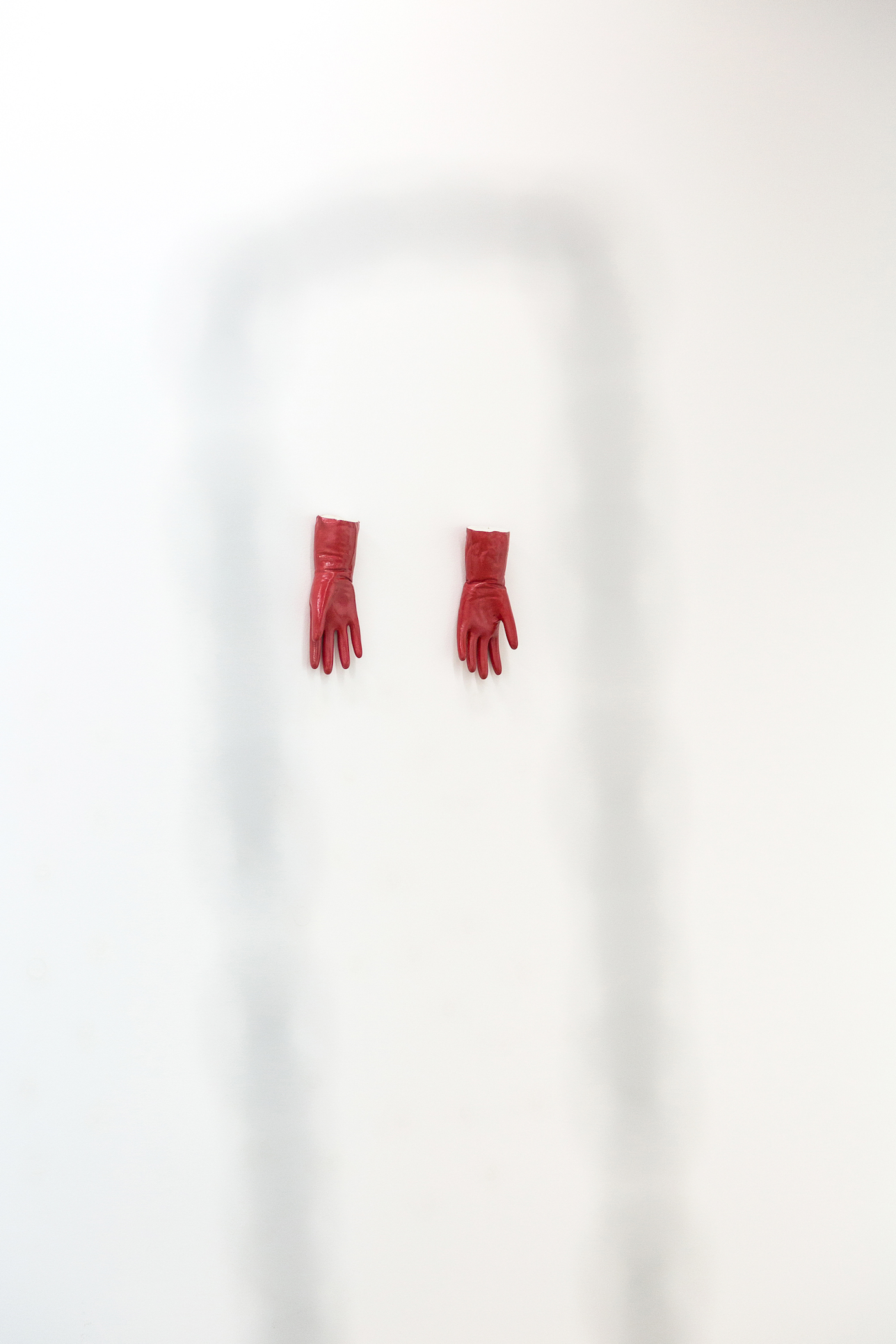
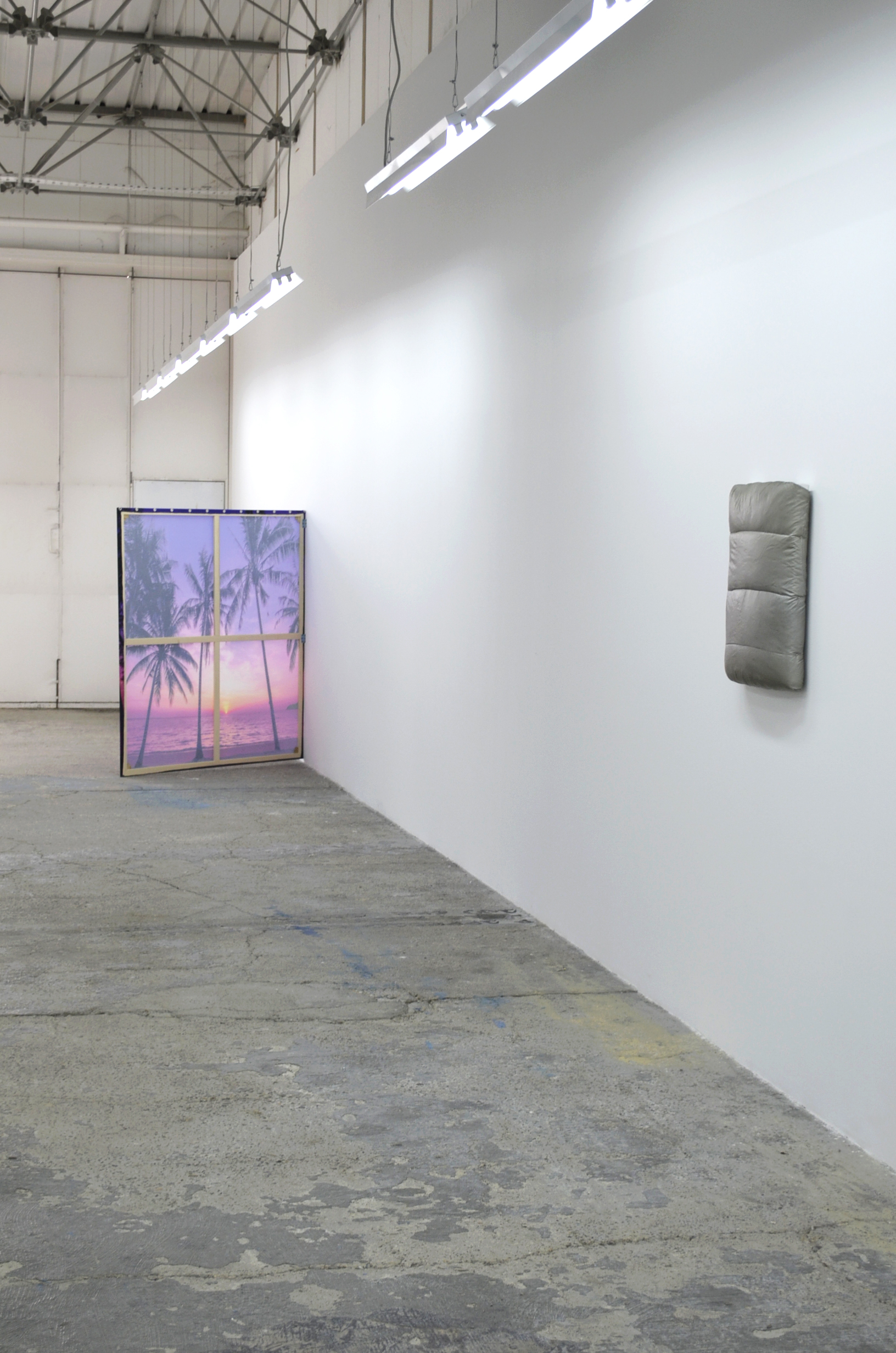
But apart from the unusual, there is also the everyday, the expendable items, shipping vehicles, playing cards and actual clothes, the last one appearing as a motive and a subject in two of the featured artists’ work. Julija Zaharijević considers wearing clothes as the most commonplace ritual, because of which it gets overlooked and passes as uninteresting. In her work, it testifies to the passing of time and to the personality of its owner, starting out as an armor and turning into a burden after being worn every day without a break for a week. In Ksenija Jovišević’s MONT jackets on canvas, the clothing item is redesigned as a monochromatic rectangle, becoming an estranged version of its history-loaded self. The oversized ski jackets were worn excessively during the 90’s in Yugoslavia. For most of the people who remember this period, MONT represented what Balenciaga capitalizes on today: unapologetic aesthetics, comfort over figure, urgency rather than elegance, clubbing – only in this case, it was not intentional.
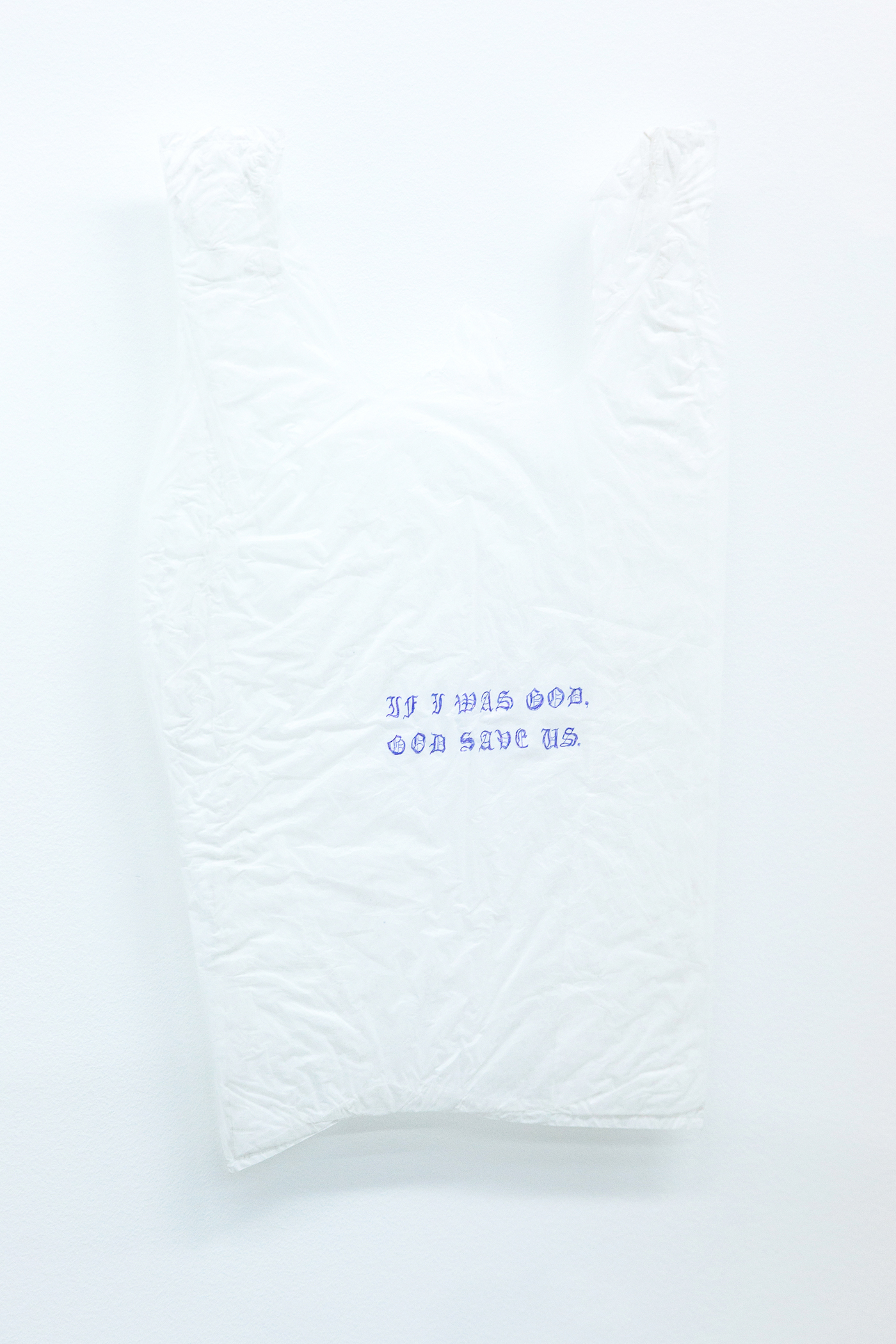
Because of their new, painterly features, MONT jackets are treated as other than jackets (perhaps they were never jackets to begin with, we don’t necessarily know that). The artist Driton Selmani’s ordinary things remain what they are when presented in his works. Plastic bags and delivery trucks are both insignificant for most of our personal lives, however they both harm the planet every day. In the EU, plastic bags get such bad reputation that people hardly use them and even get genuinely negative feelings about them. In the Balkans not as much, and that easily, just like fashion, a plastic bag becomes a status symbol in the system of the EU and the non-EU commodity exchange, but that of negligence, of poor choice or a lack of regard for the global.
Finally, Jelena Pantelić inserts her personal experiences into her practice, testing the limits of human interaction and addressing the issues in small things that otherwise go unnoticed. She confronts the most mediocre and the most upsetting situations of all, discerning chauvinism in activities such as playing cards and engaging in chat rooms (and haute couture – hence the bag with the ridiculously long handles). Walking the line between human darkness and fun, she bravely embraces the possibility for the mundane to go either way. For the usual contact between people to turn into an amusing fling, a simple game of cards, or into a deep misunderstanding and molestation, a gambling debt, or worse.
Vernissage le vendredi 7 août dès 15h | puis du 8 au 23 août 2020
Avec:
Melanie Akeret James Bantone Sherian Mohammed Forster Sitara Abuzar Ghaznawi Andreas Kalbermatter Tiphanie Kim Mall Laila Torres Mendieta Charly Mirambeau Mélissa Rouvinet Mia Sanchez Anita Semadeni Paulo Wirz
L’équipe de Plattform20 et Fri Art ont le plaisir de vous inviter à l’ouverture de la quatorzième édition de Plattform. L’exposition présente une sélection d’artistes diplômé.e.s des hautes écoles d’art de Suisse durant l’été 2019. Platform se déroule chaque année dans une institution hôte différente depuis 2017.
Plattform20 présente des travaux inédits de Melanie Akeret, James Bantone, Sherian Mohammed Forster, Sitara Abuzar Ghaznawi, Andreas Kalbermatter, Tiphanie Kim Mall, Laila Torres Mendieta, Charly Mirambeau, Mélissa Rouvinet, Mia Sanchez, Anita Semadeni et Paulo Wirz.
Organisation et jury Plattform20 Paolo Baggi, Marlene Bürgi, Linda Lämmle, Céline Matter, Camilla Paolino et Colin Raynal
Horaires: Lundi et mardi: sur rendez-vous Mercredi: 12h-18h Jeudi: 12h-18h Vendredi: 12h-18h Samedi et dimanche: 13h-18h
Visites guidées gratuites en français et en allemand les samedis à 14h
Fri Art Kunsthalle Fribourg Petites-Rames 22 CH-1701 Fribourg
Avec le soutien de: Abteilung Kultur Basel-Stadt, Ernst Göhner Stiftung, Stiftung Temperatio, Stanley Thomas Johnson Foundation, Erna und Curt Burgauer, Helvetia Versicherung, Susanne und Martin Knechtli-Kradolfer-Stiftung, Stiftung Anne-Marie Schindler, Oertli-Stiftung, Canton de Vaud, Canton du Valais, Ville de Fribourg, Agglomération de Fribourg, Canton de Fribourg, Loterie Romande, Pro Helvetia, Fondation suisse pour la culture, Migros pour-cent culturel, Liip
Info-Covid Fri Art respecte les recommandations de l’Office fédéral de la santé et implémente des mesures sanitaires afin de protéger les collaborateurs*trices et les visiteurs*euses du Covid-19 et de sa propagation.
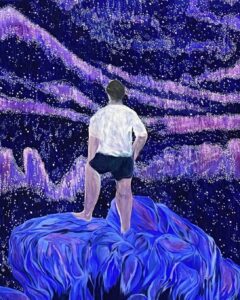
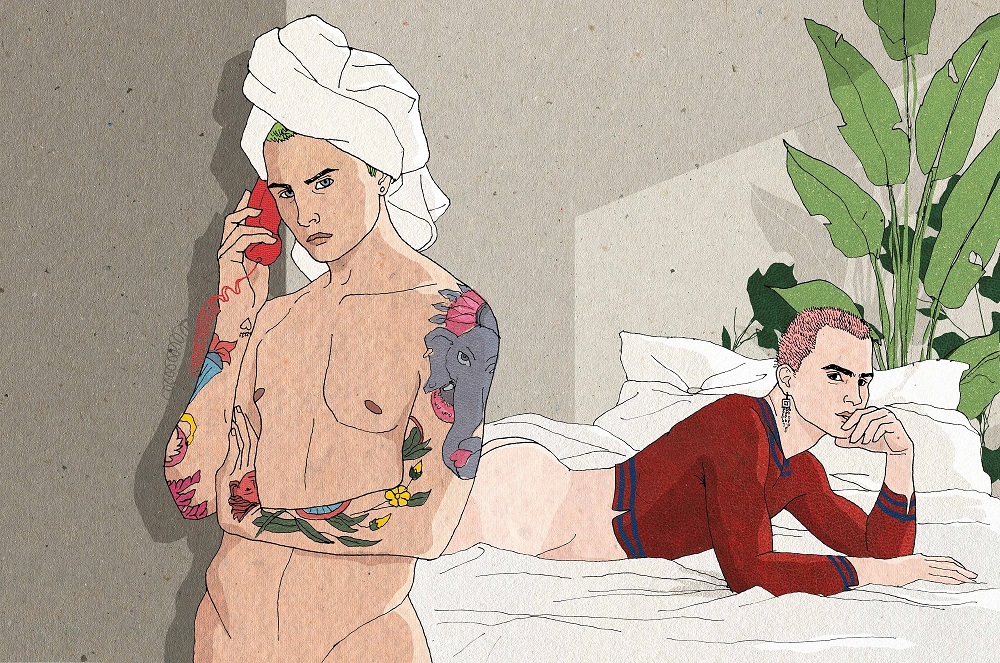
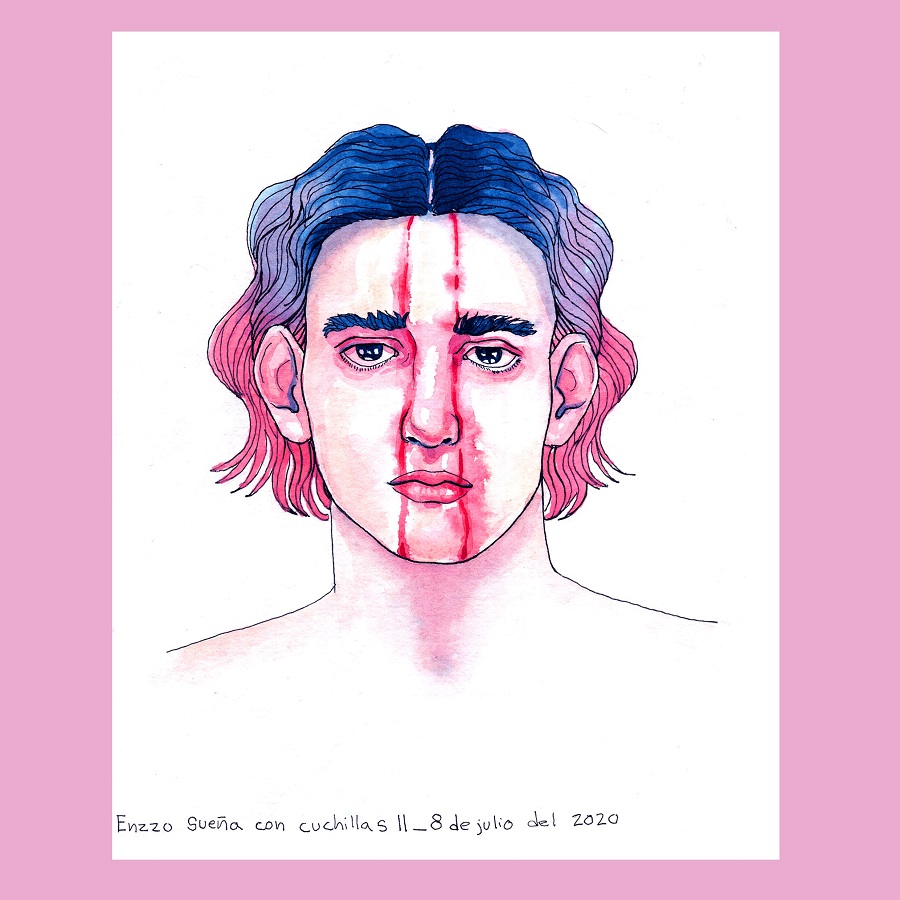
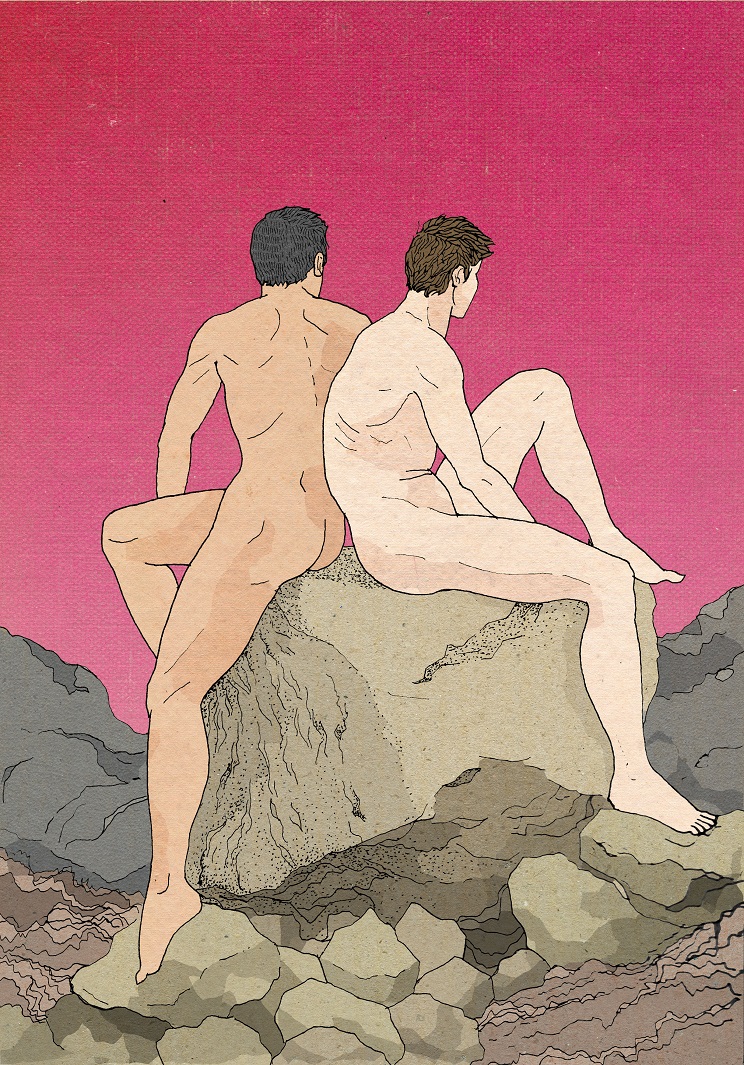
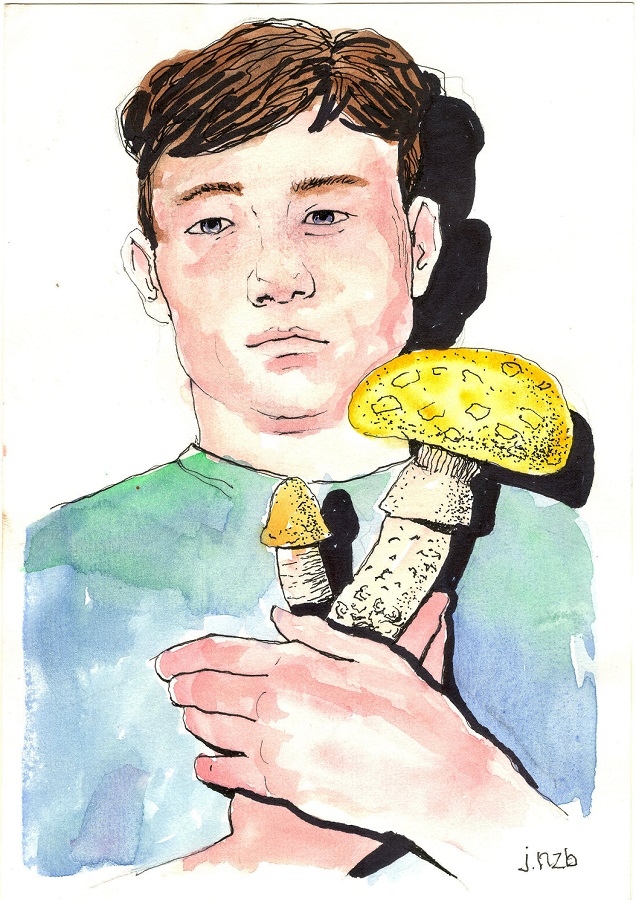
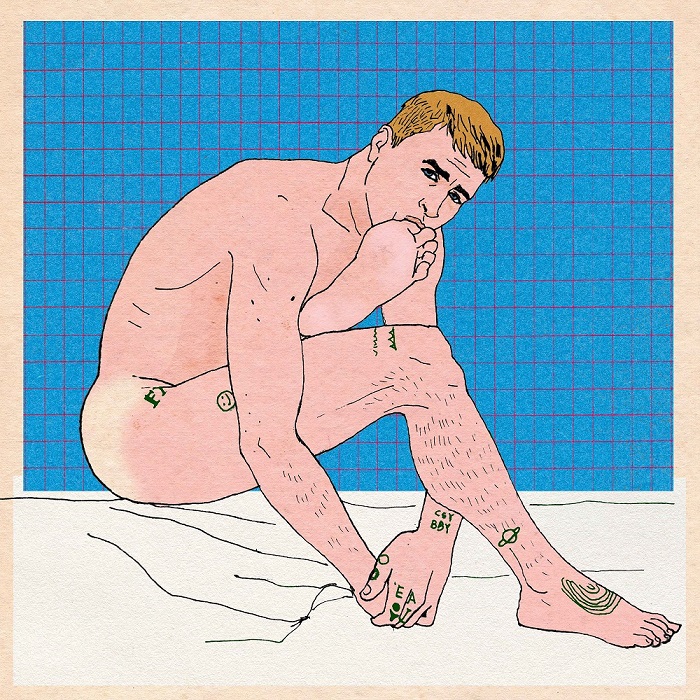
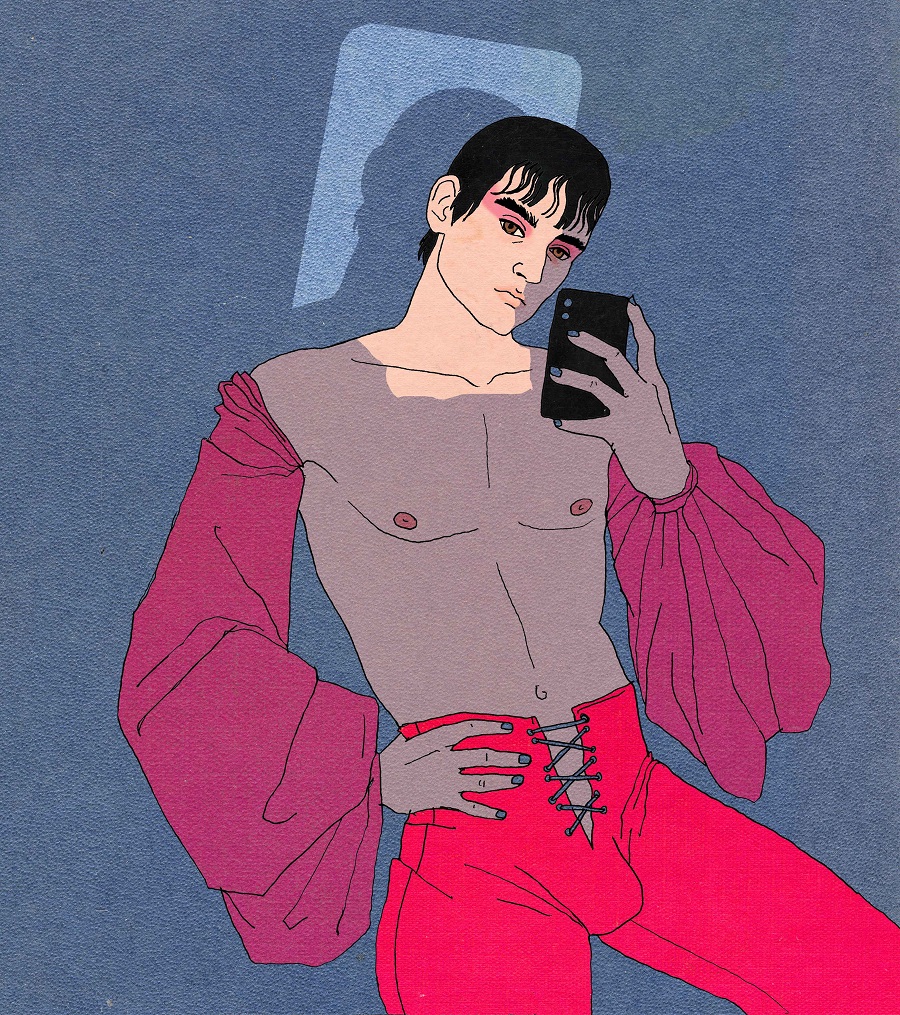
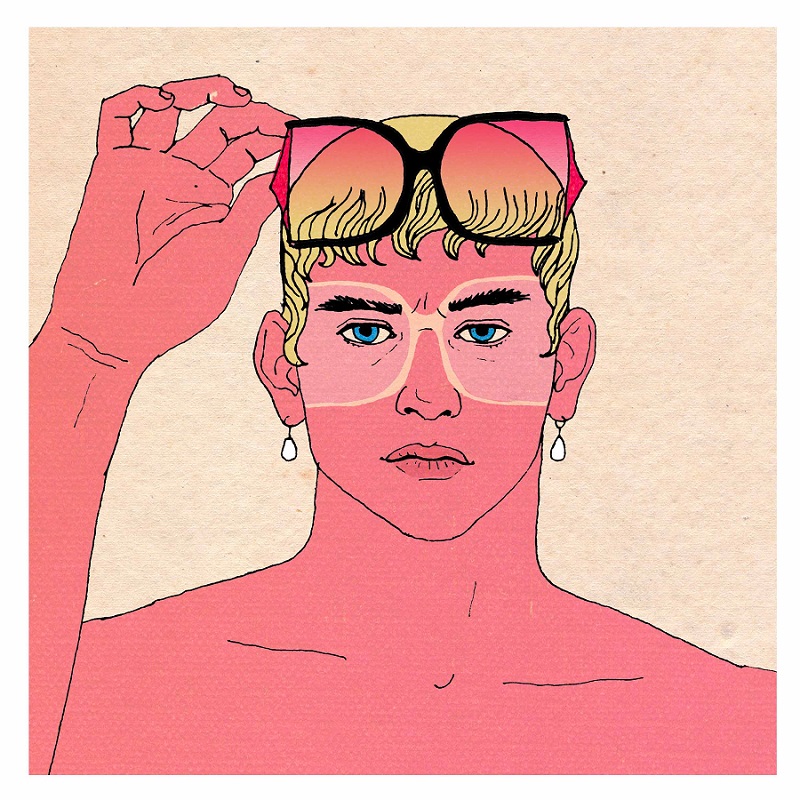
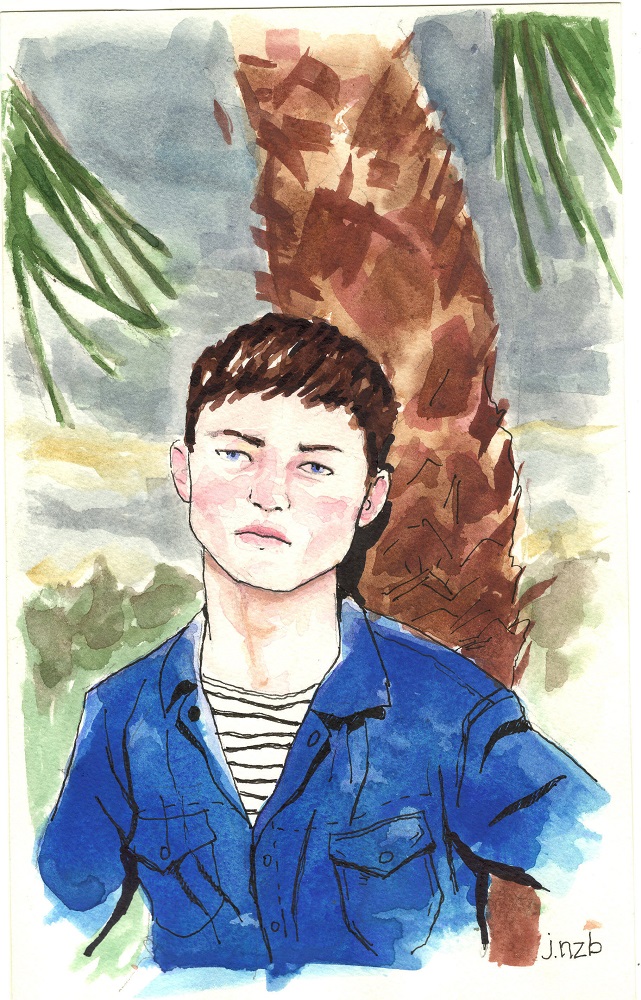
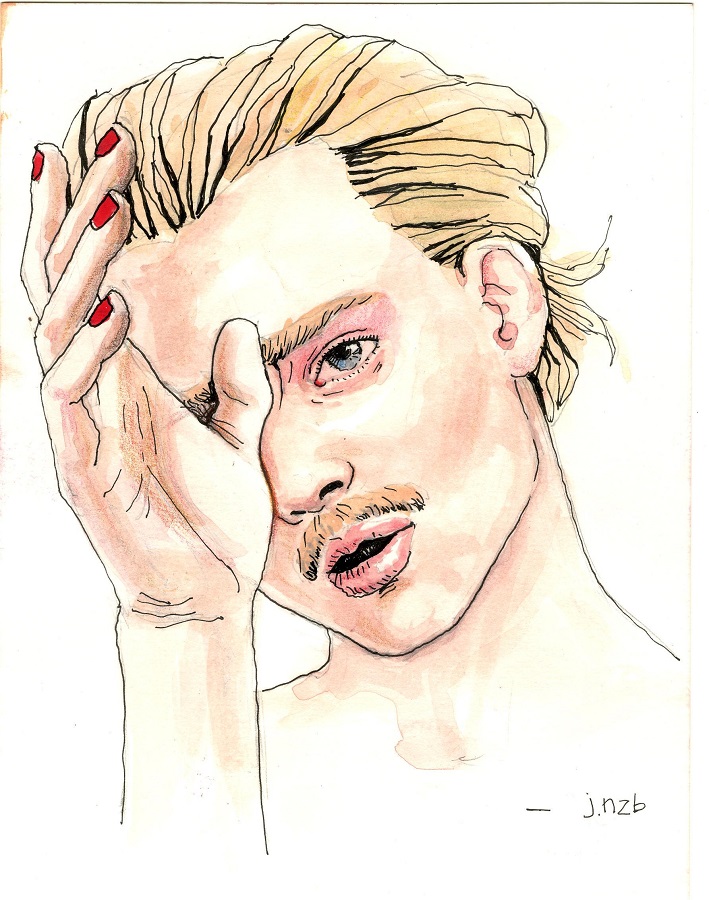
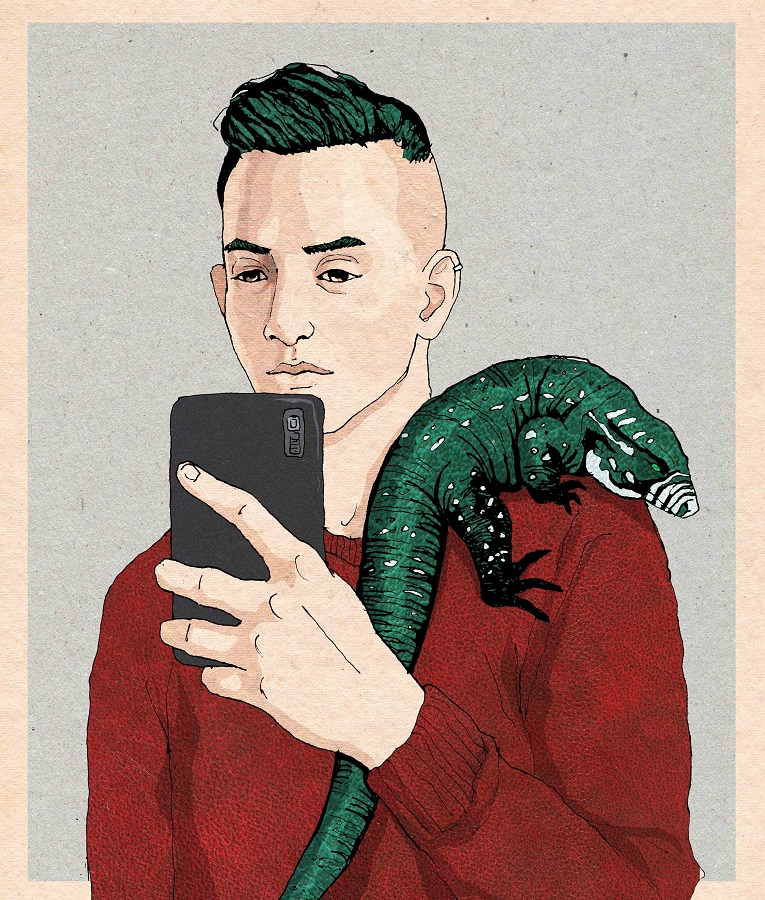
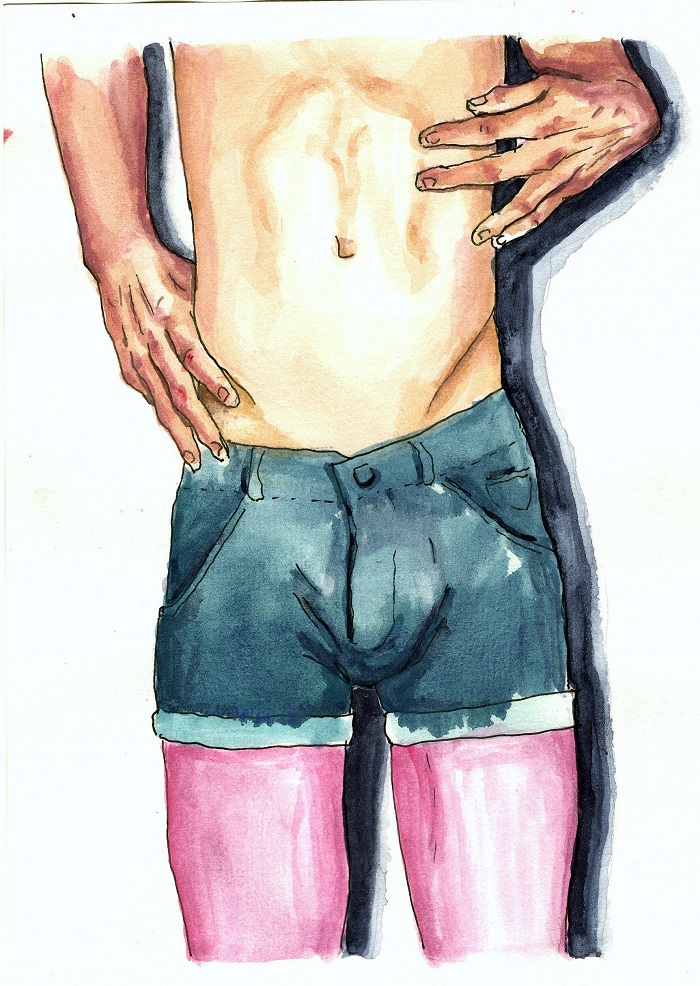
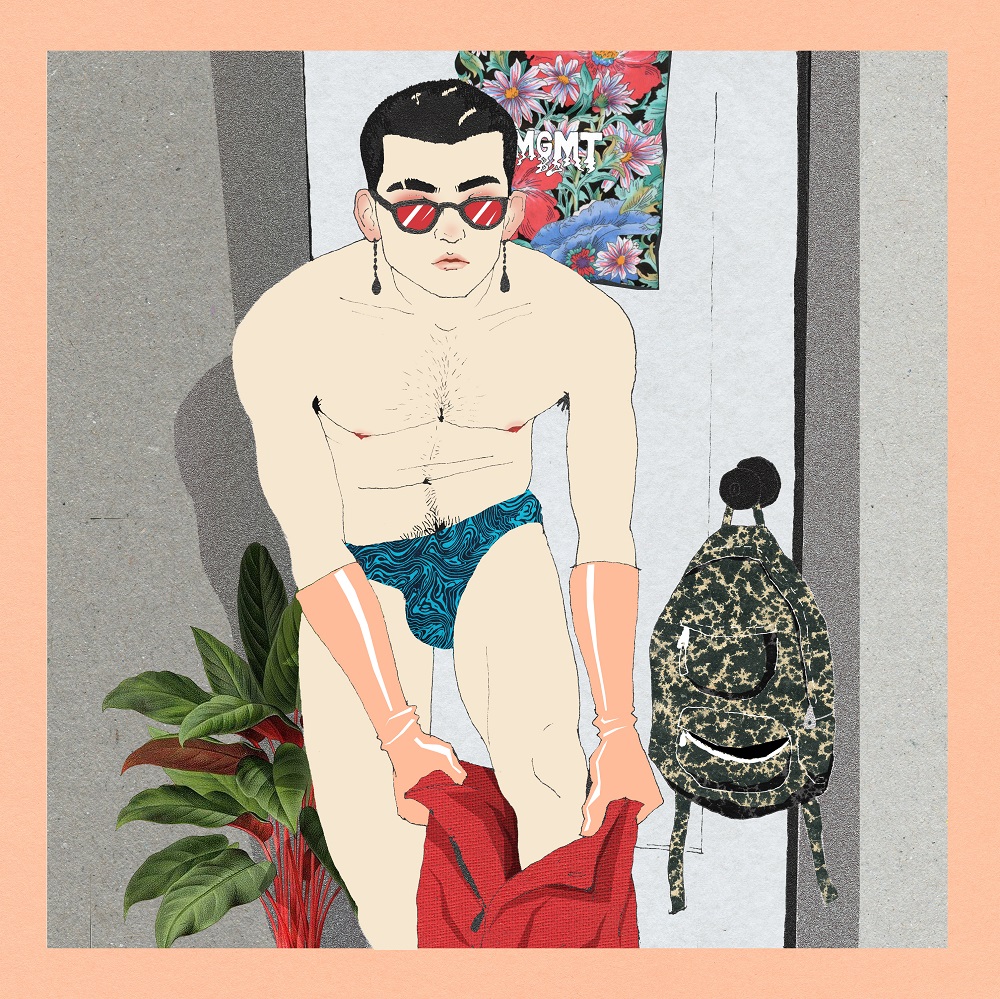
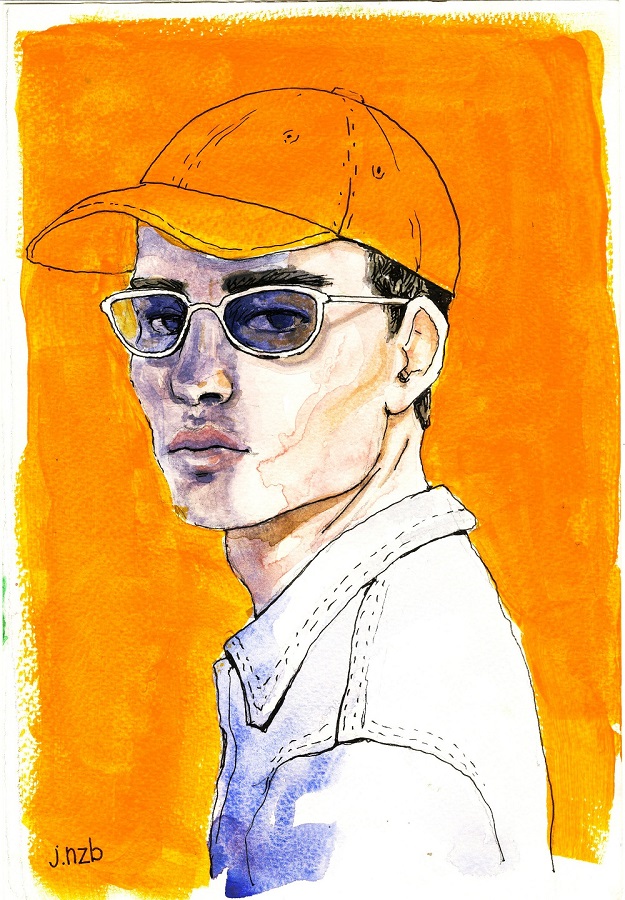
José Angel Nazabal is a cuban artist born in 1994 and based in Havana City, Cuba. He works mainly in drawins, paintings and digital art. Nazabal obtained a bachelor’s degree in fine arts from the Fine Arts Nationl Academy San Alejandro in 2013. He also attended the Polytechnic Institute of Havana in 2014, earning a degree in architecture and urbanism.
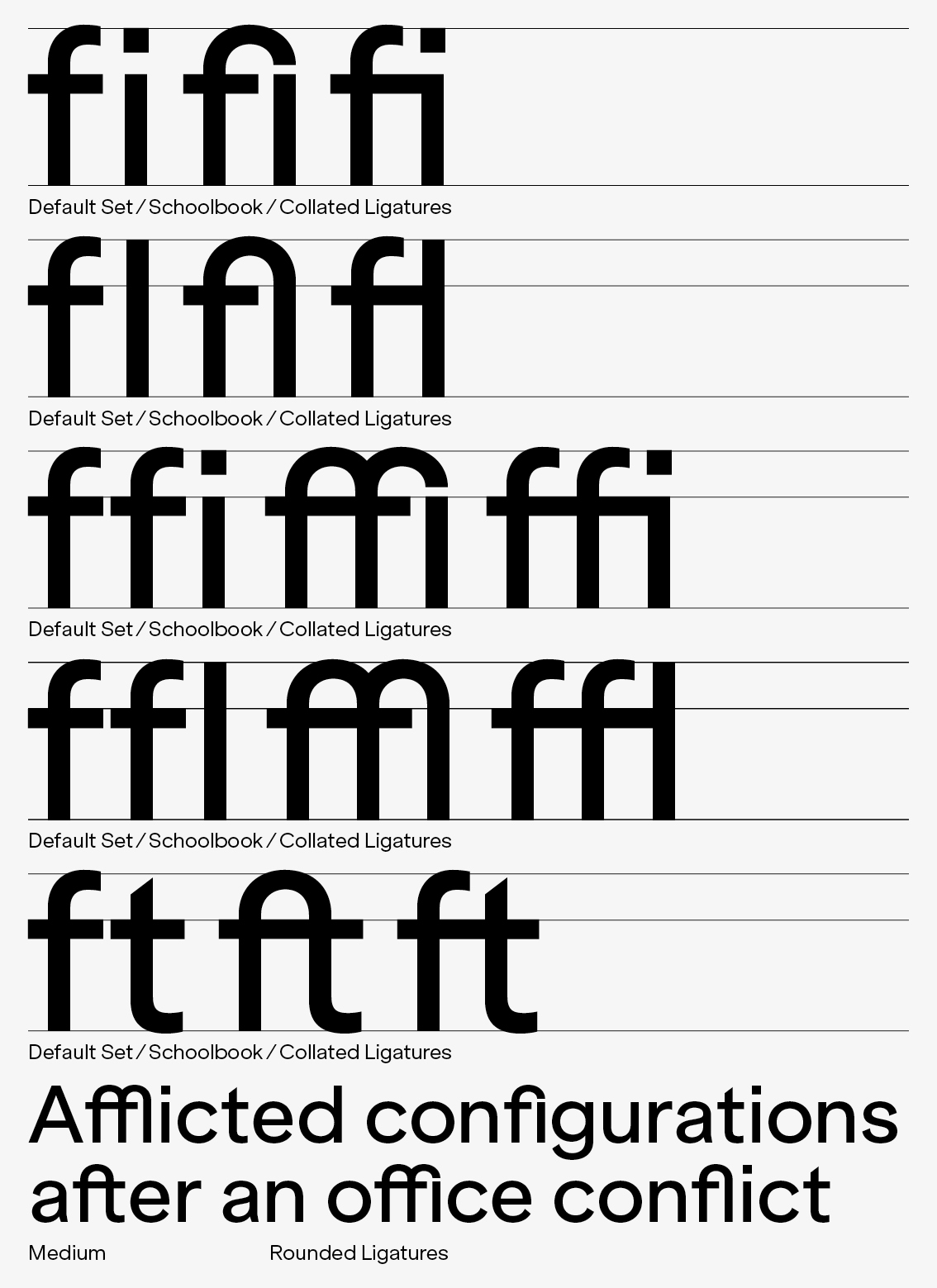
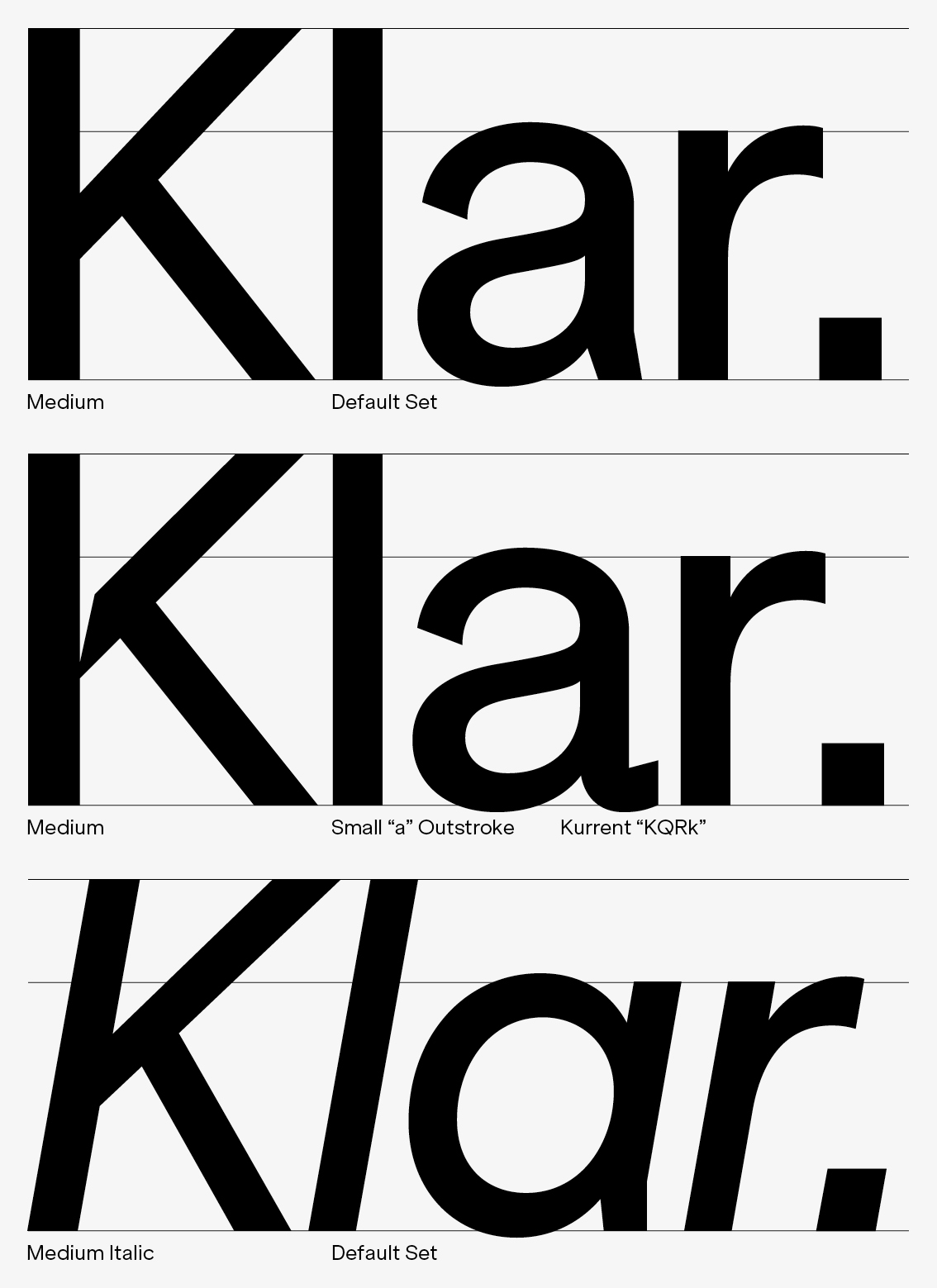
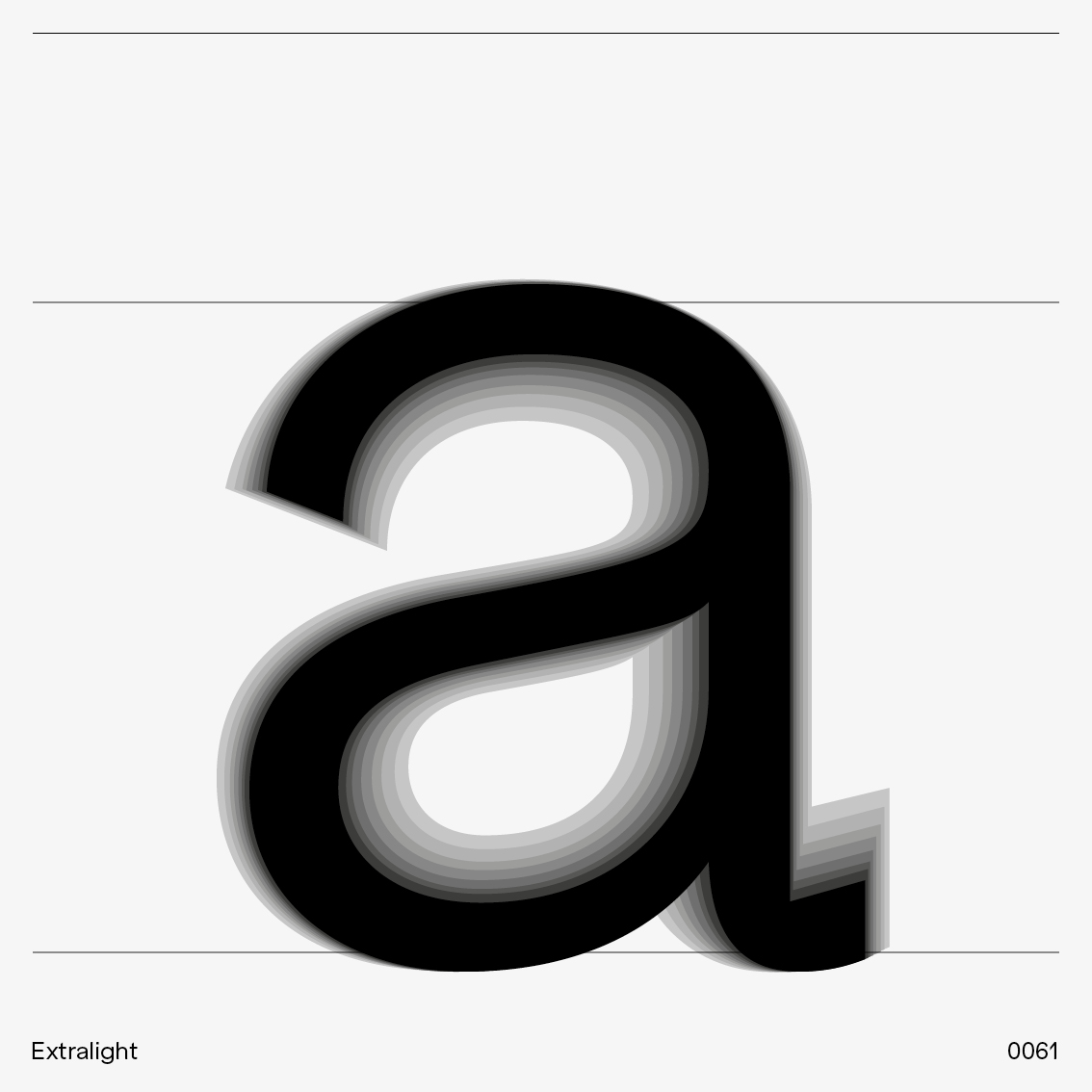
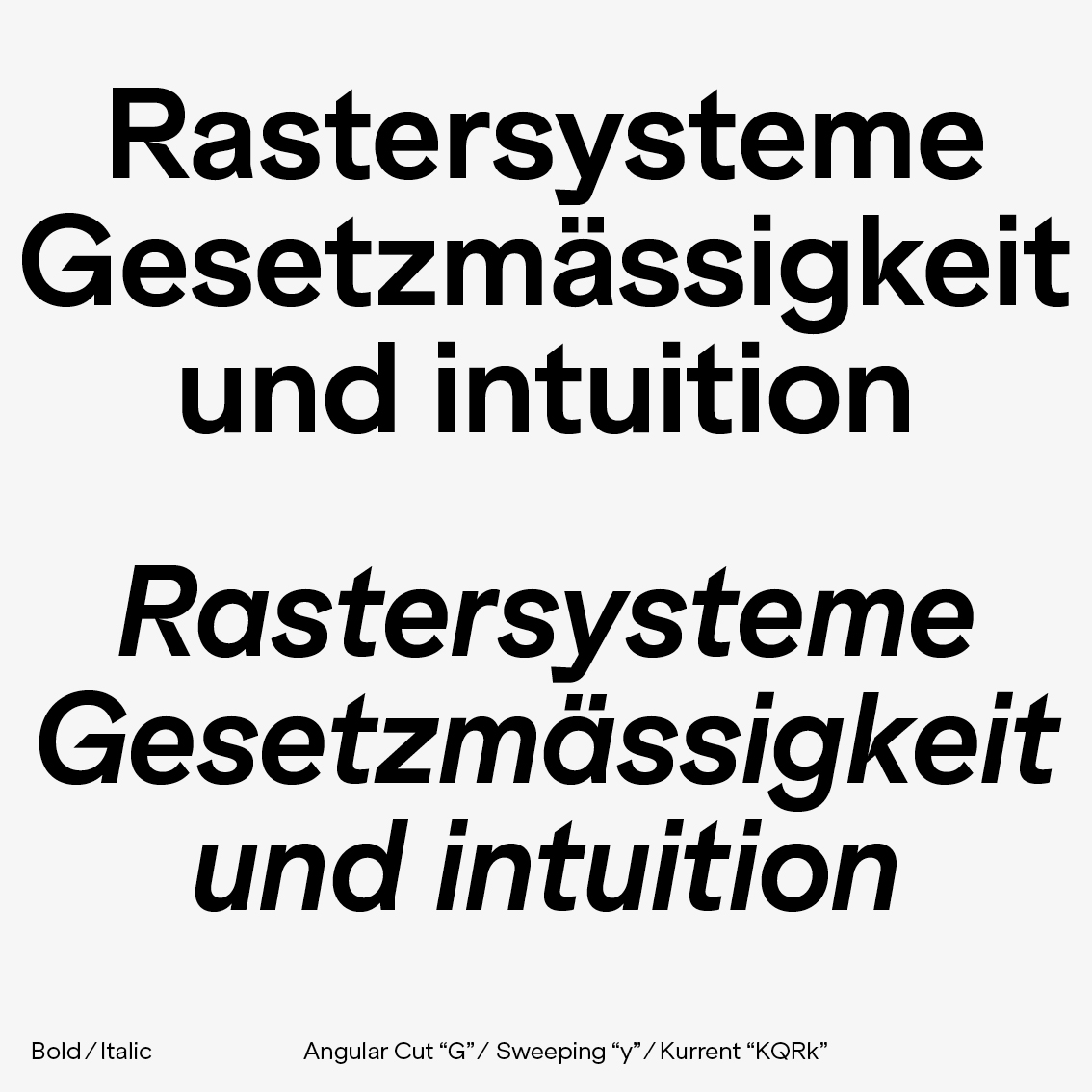
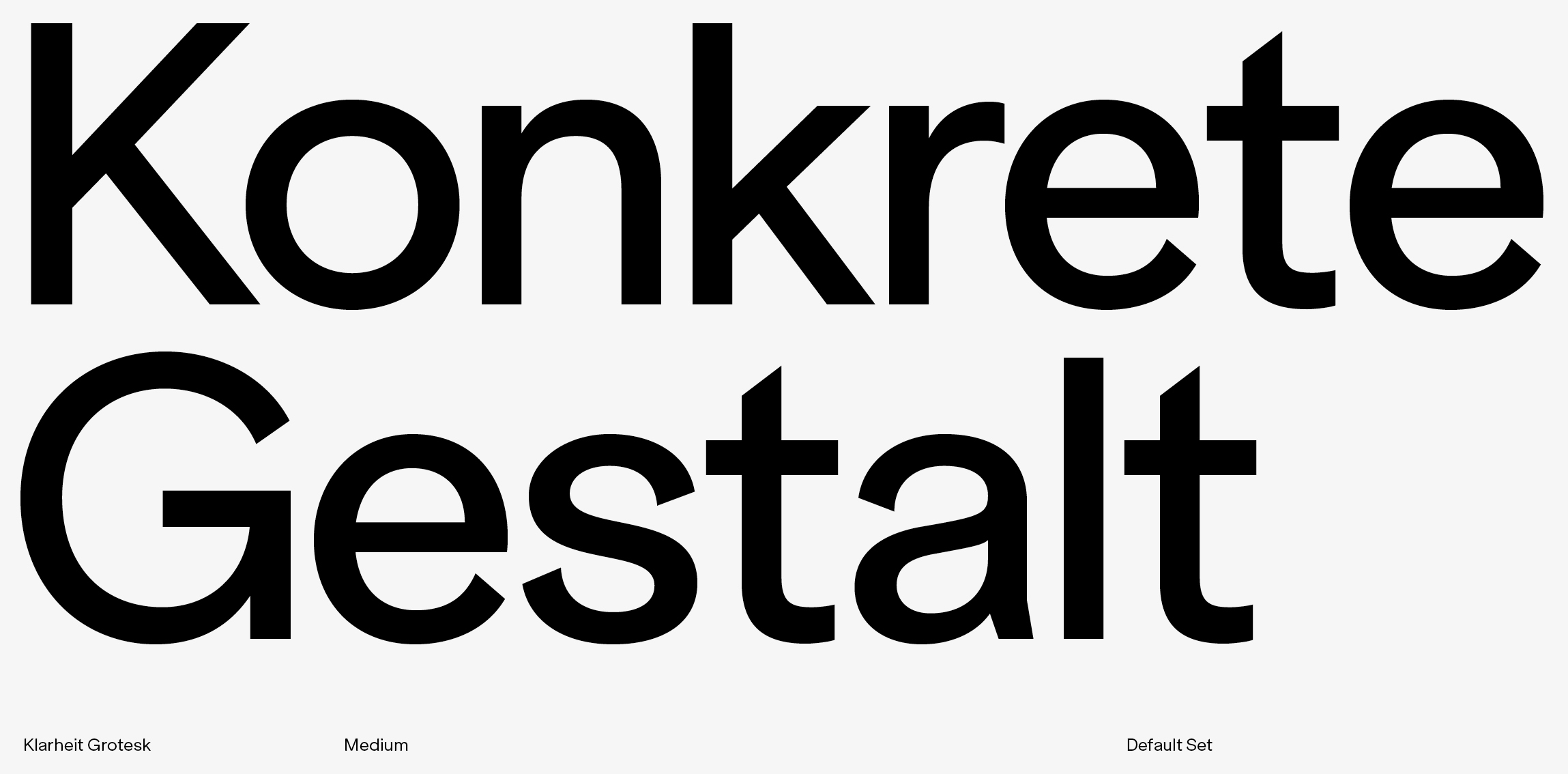
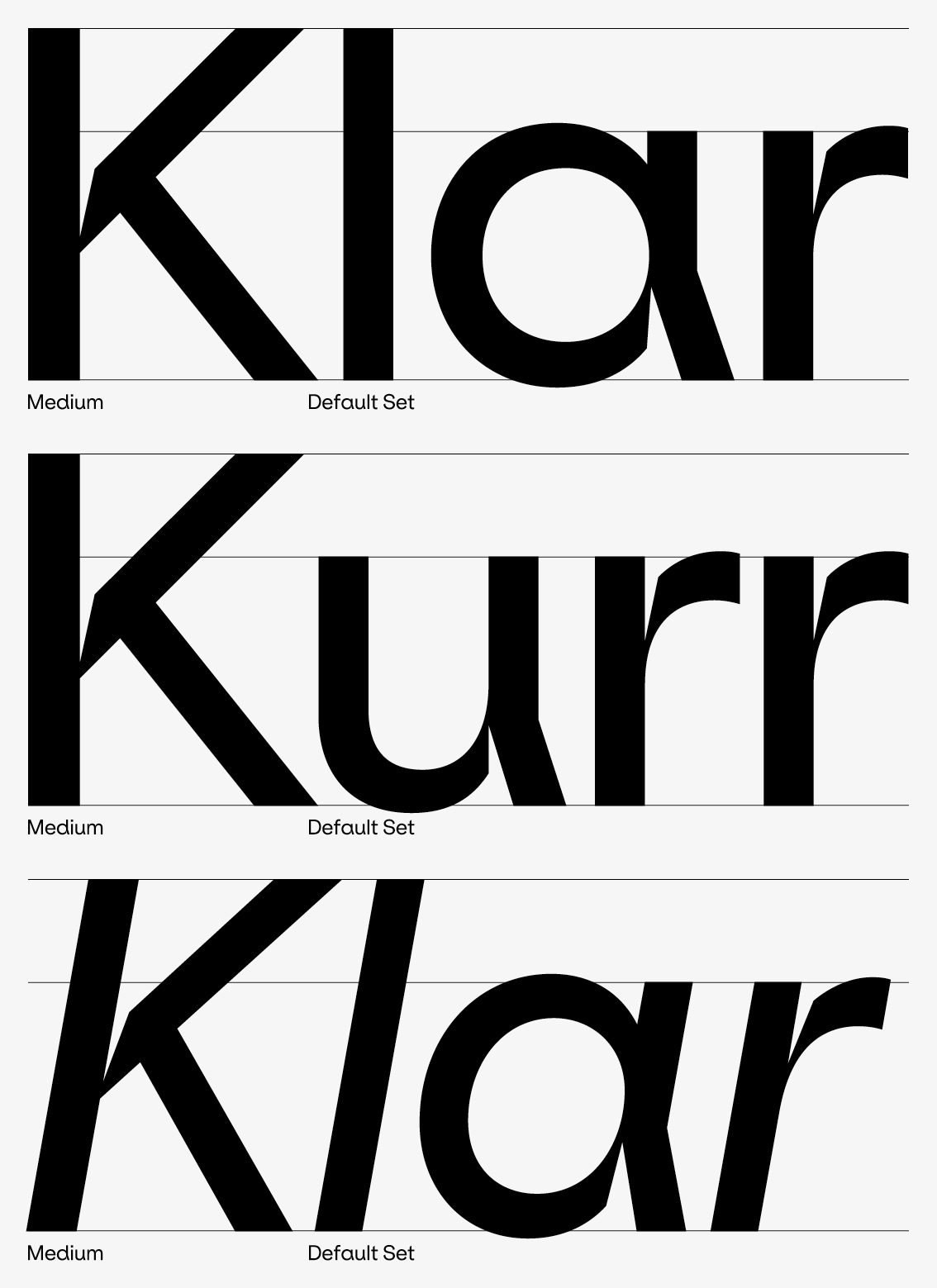
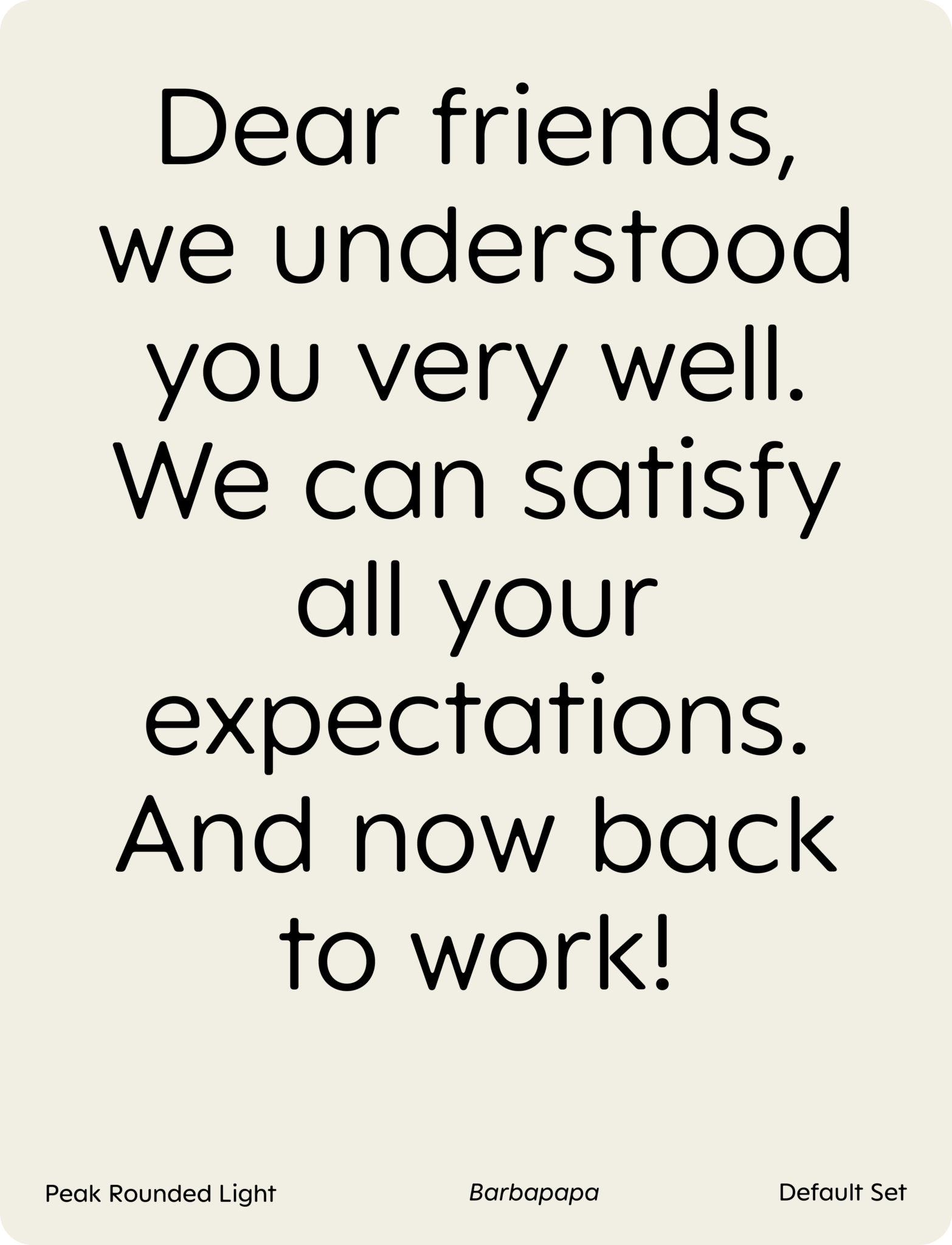
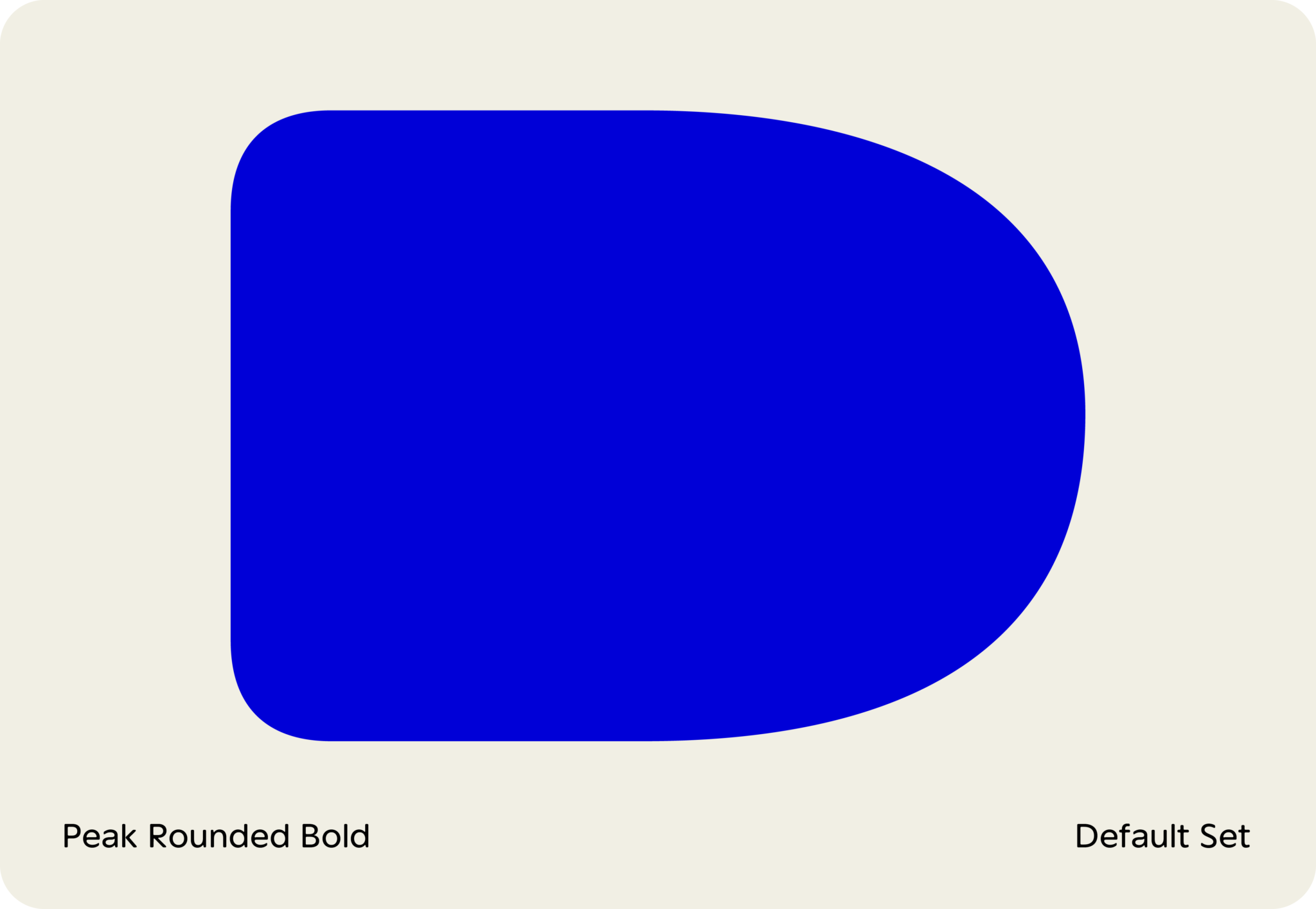
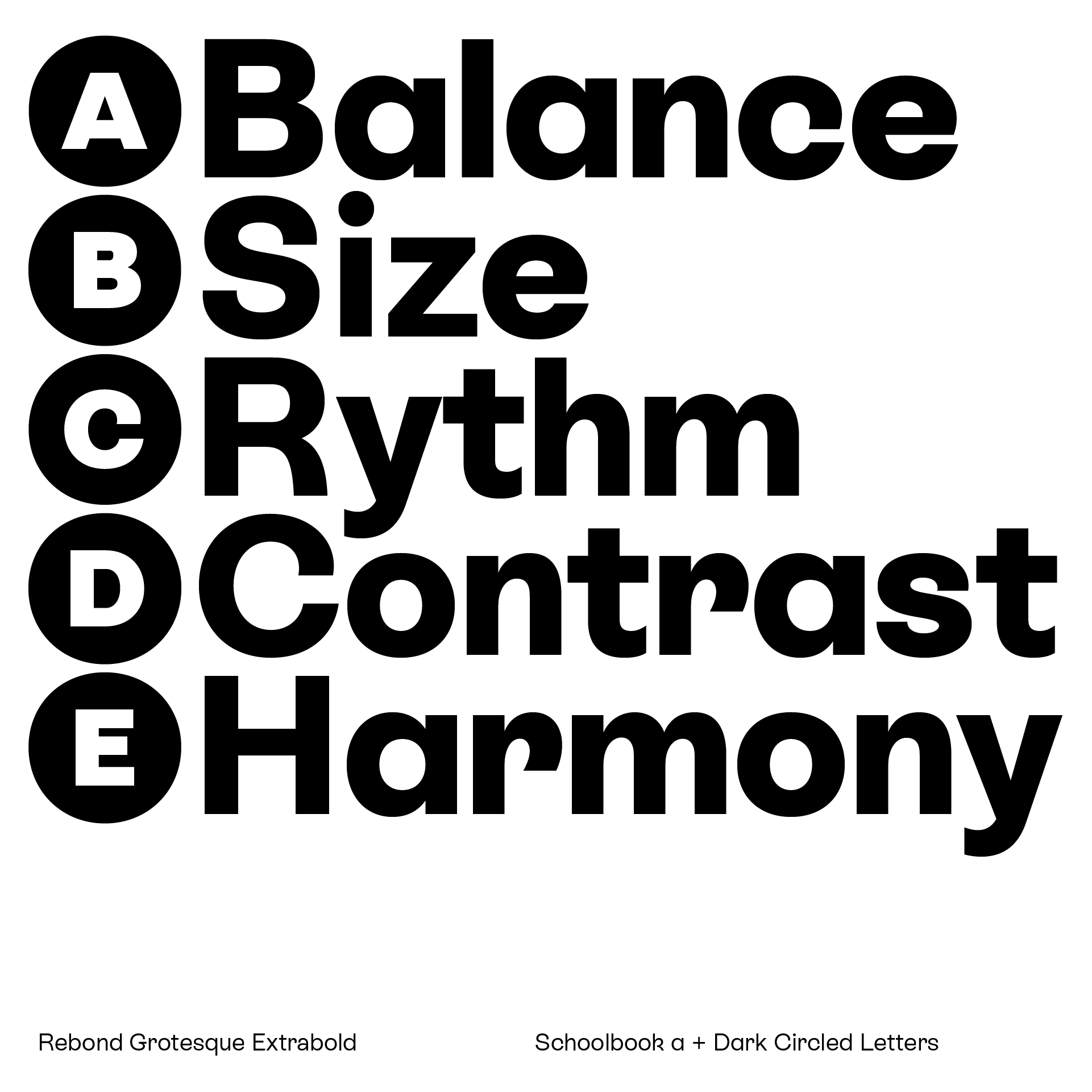
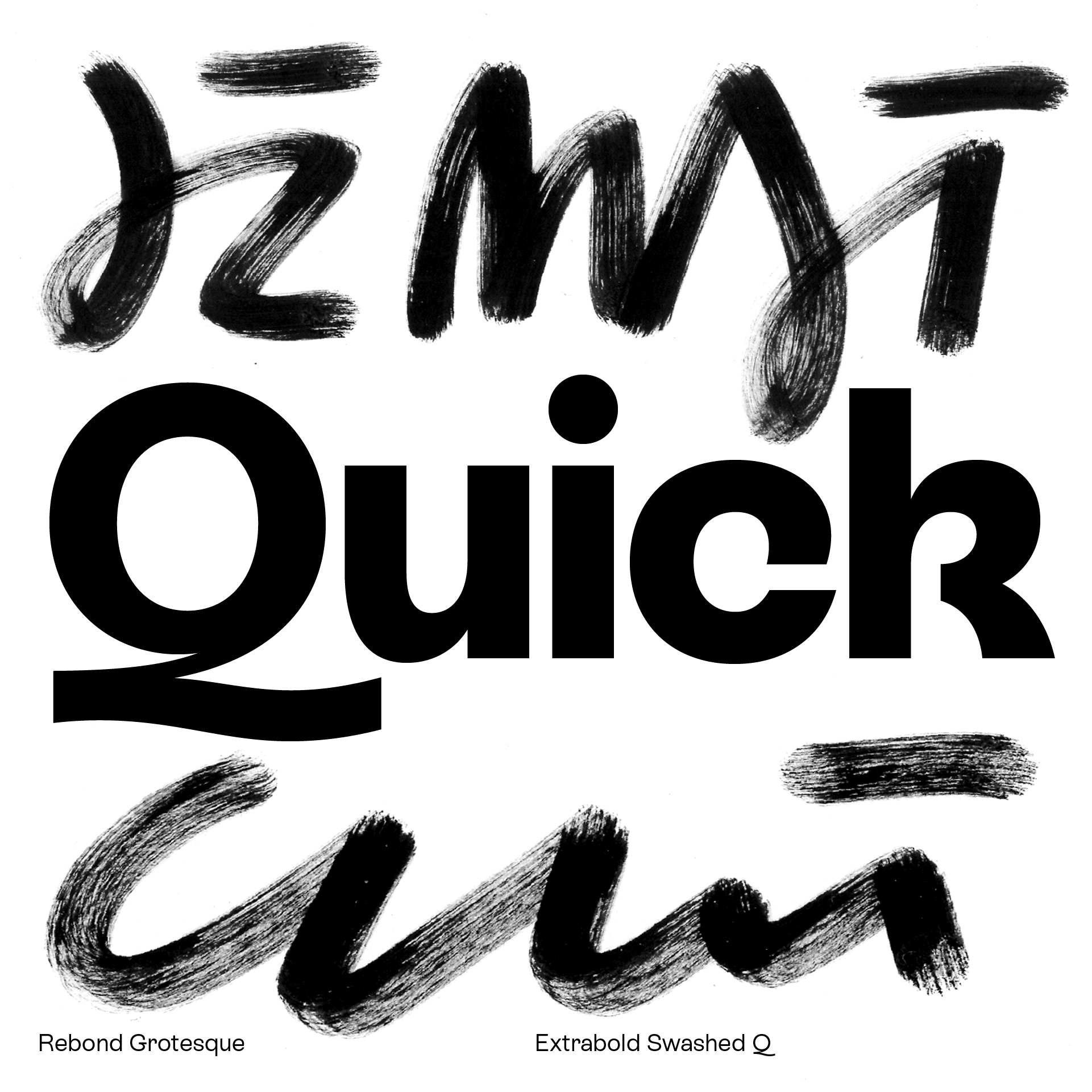
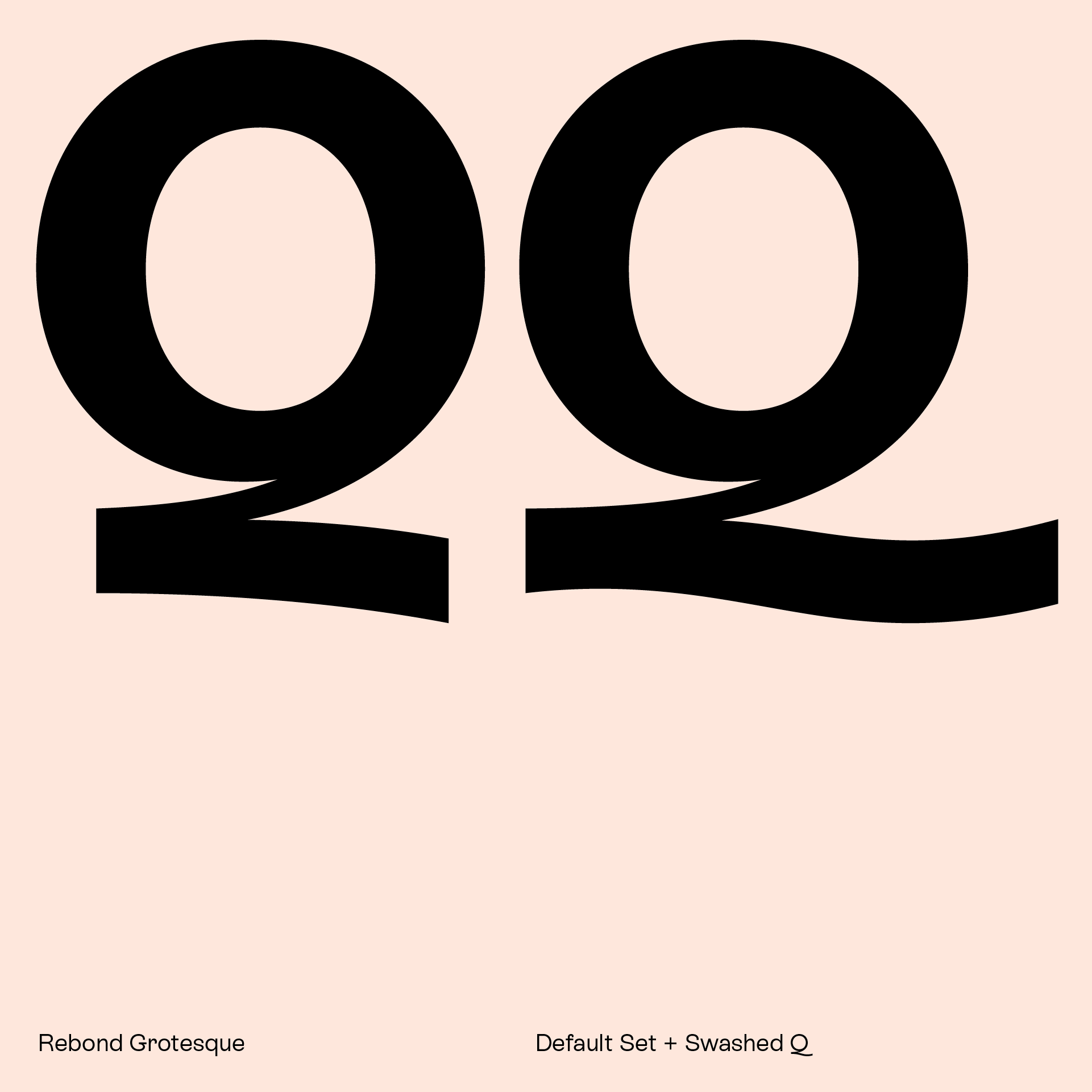
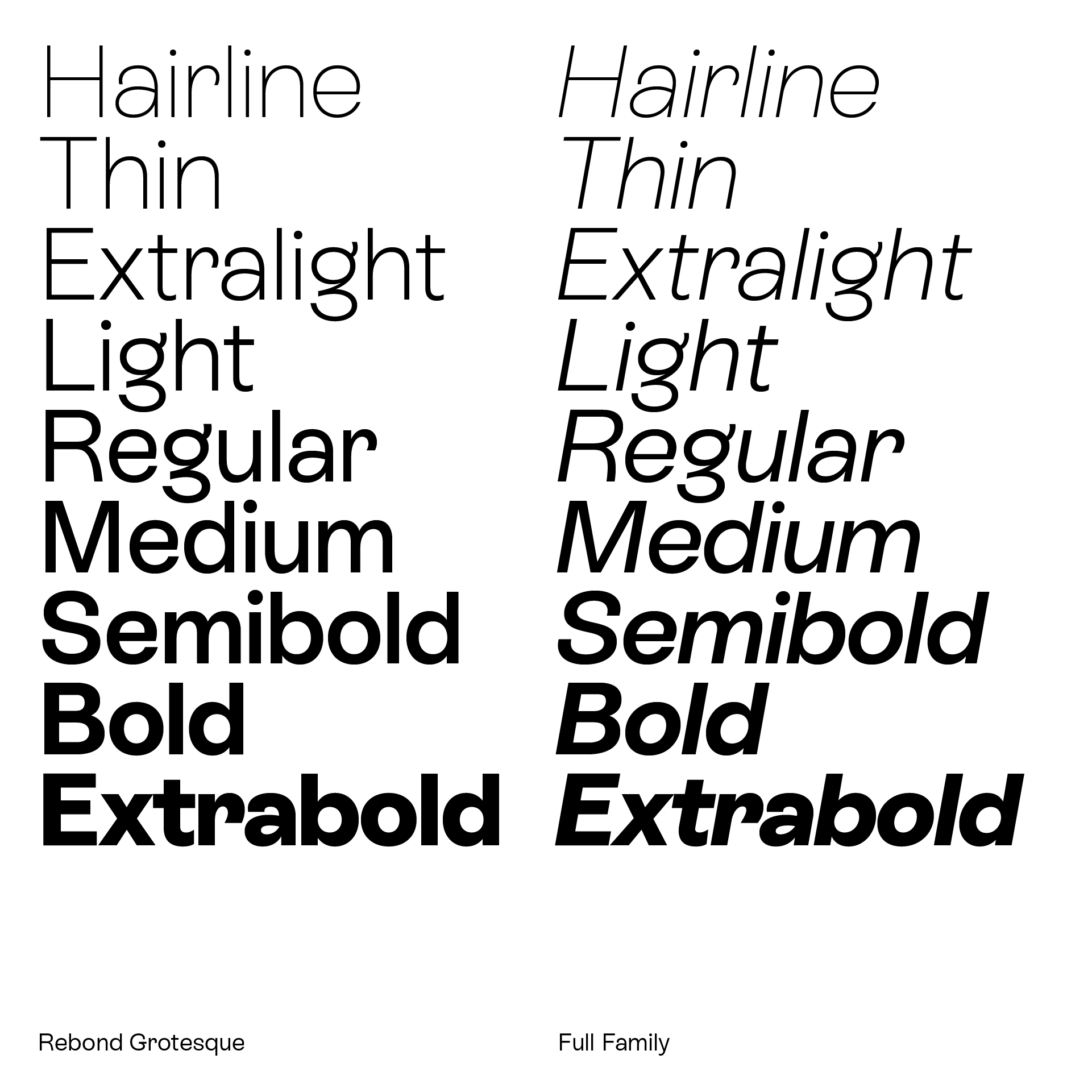
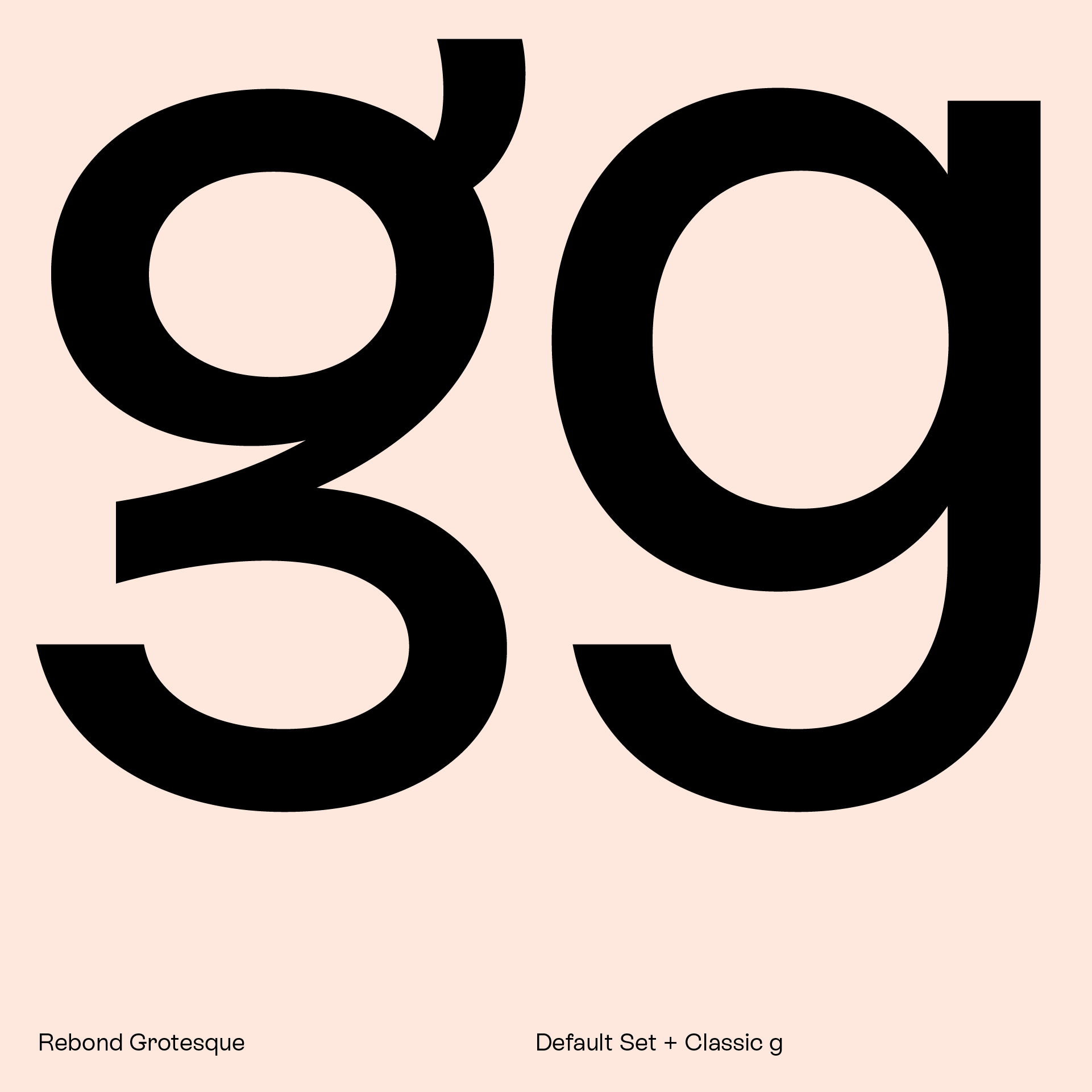
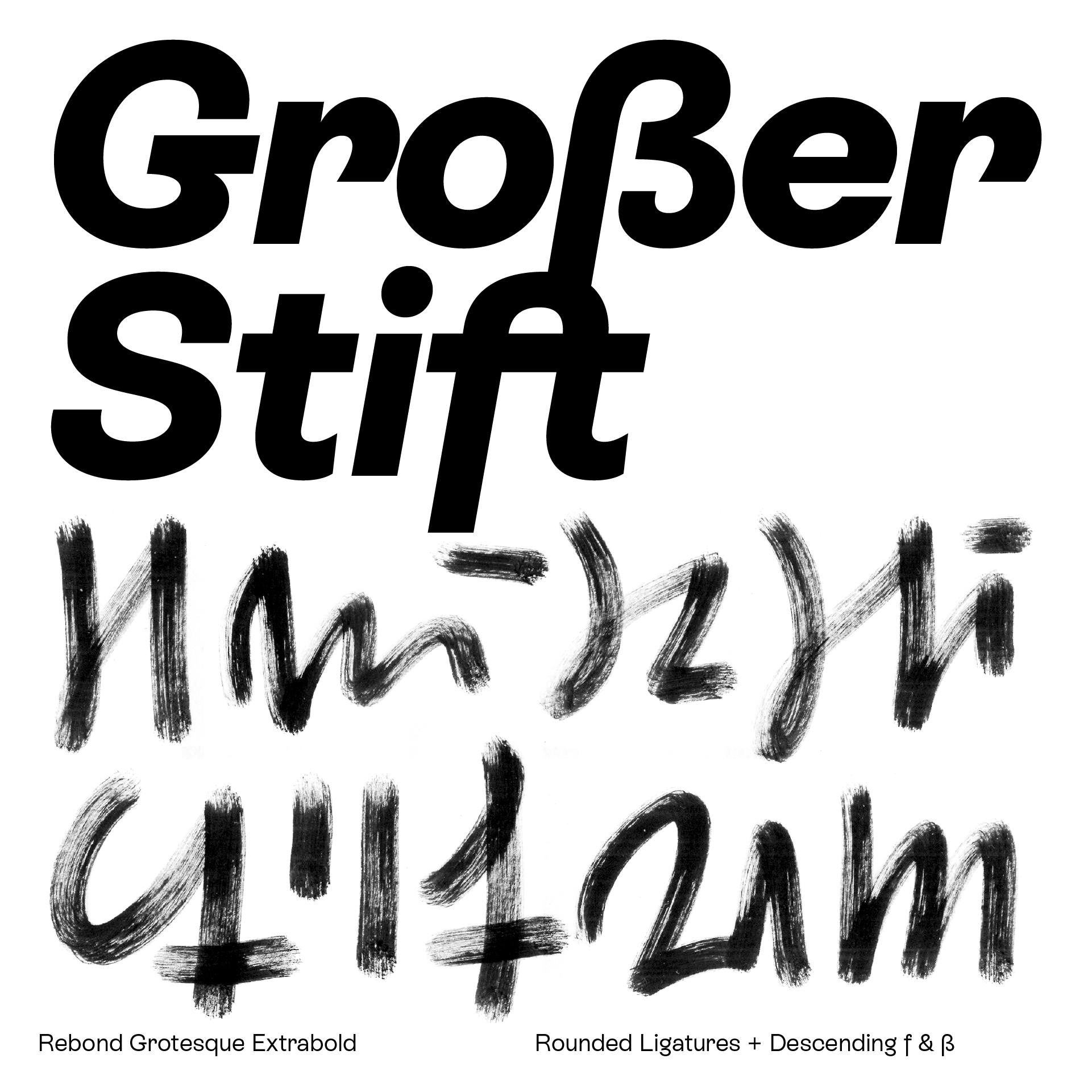
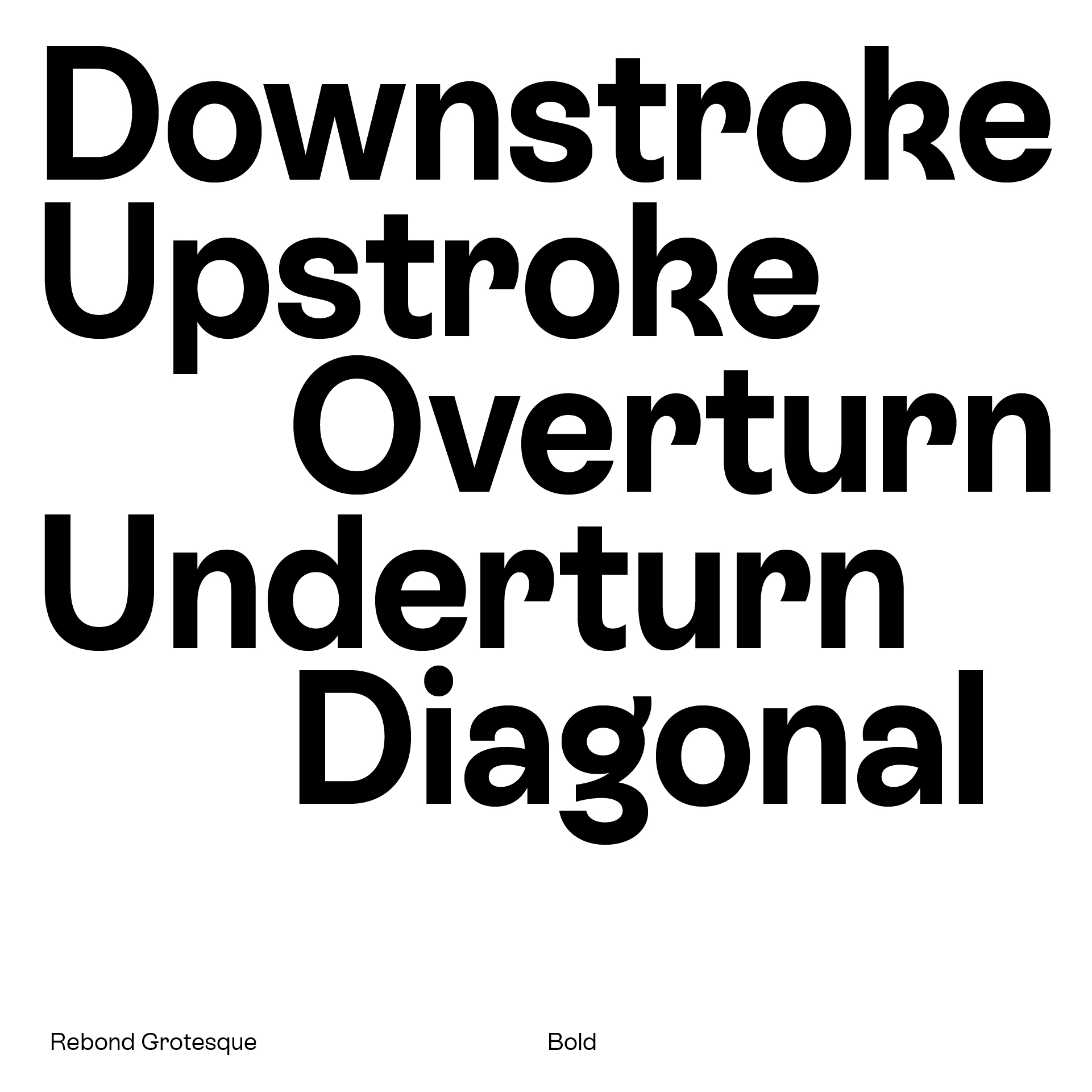
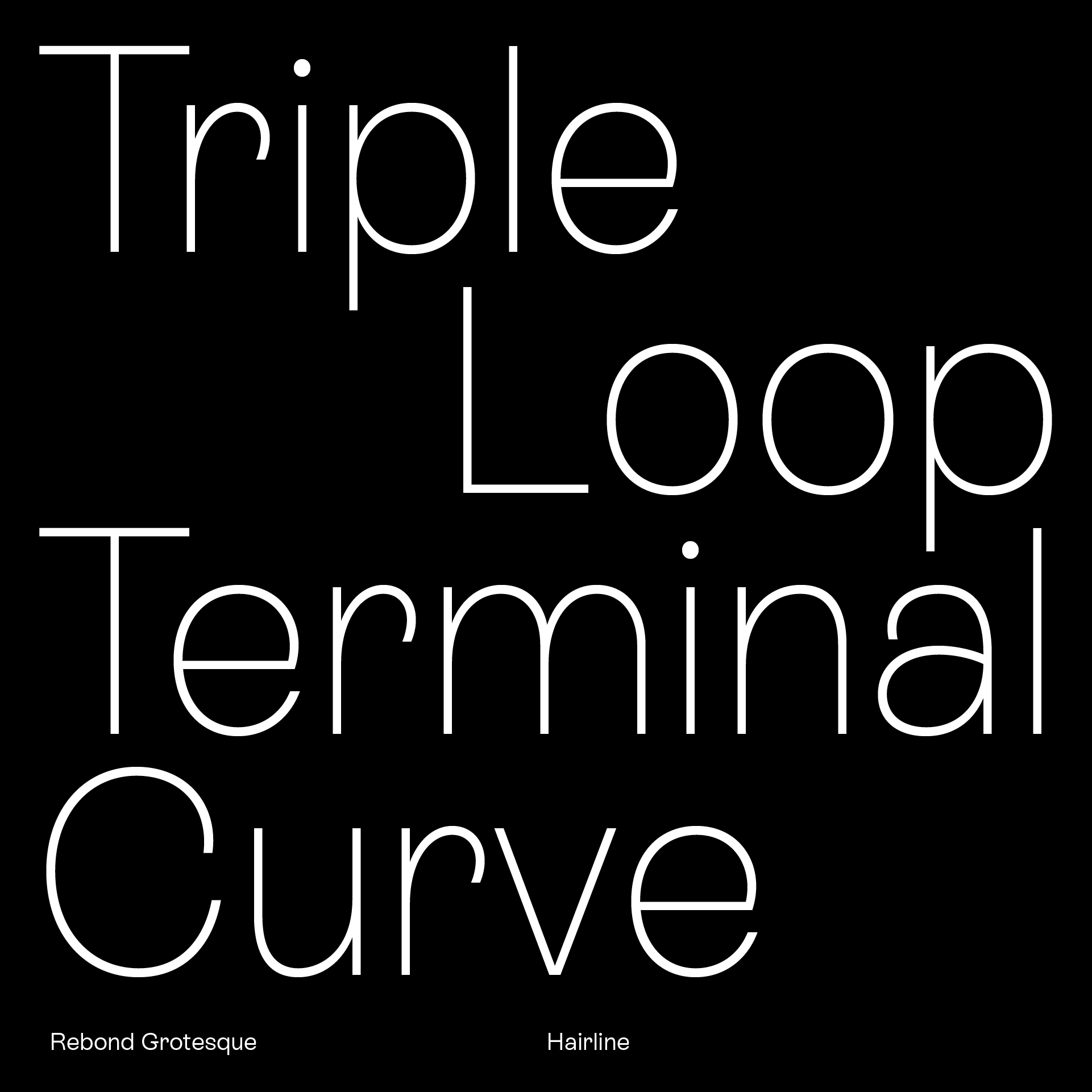
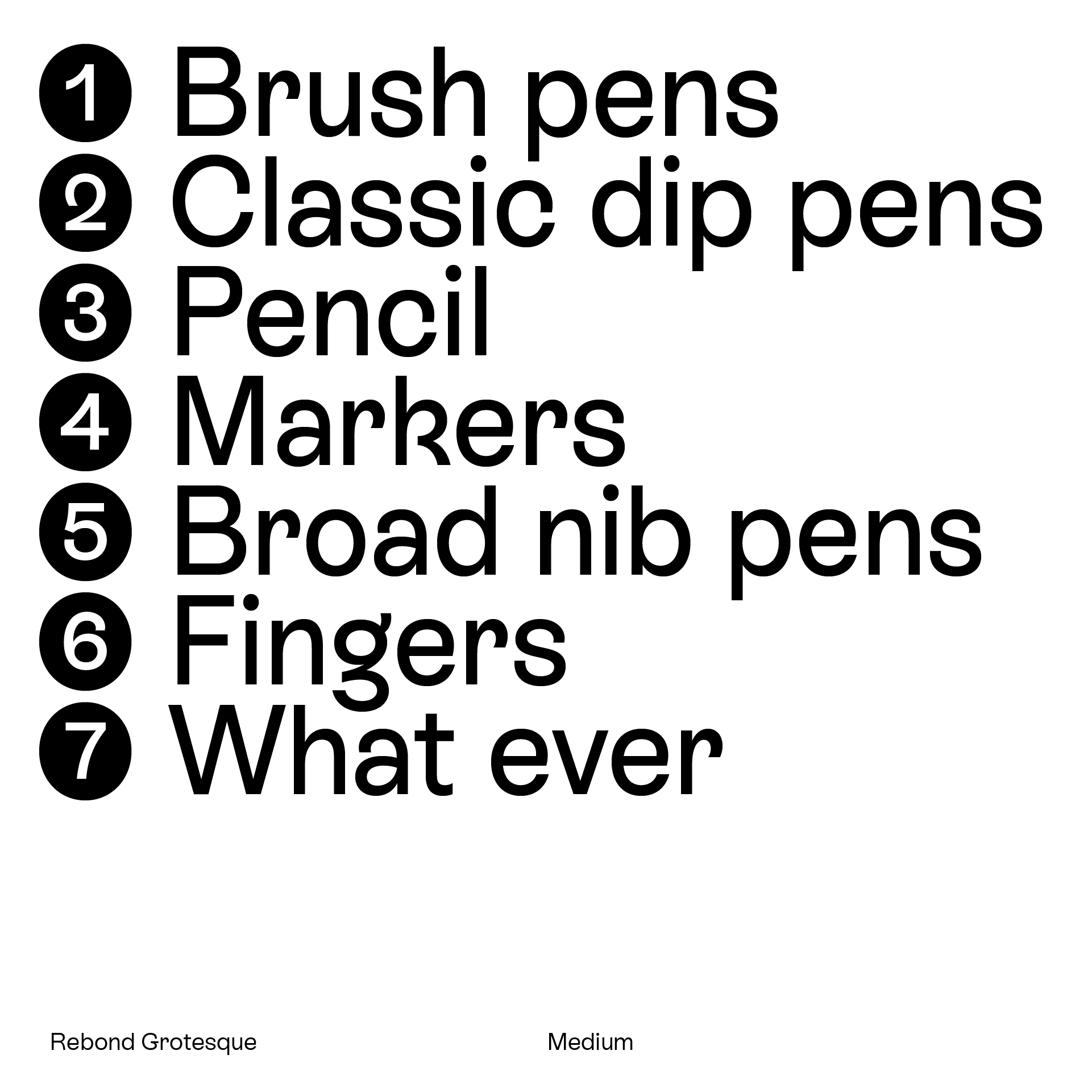
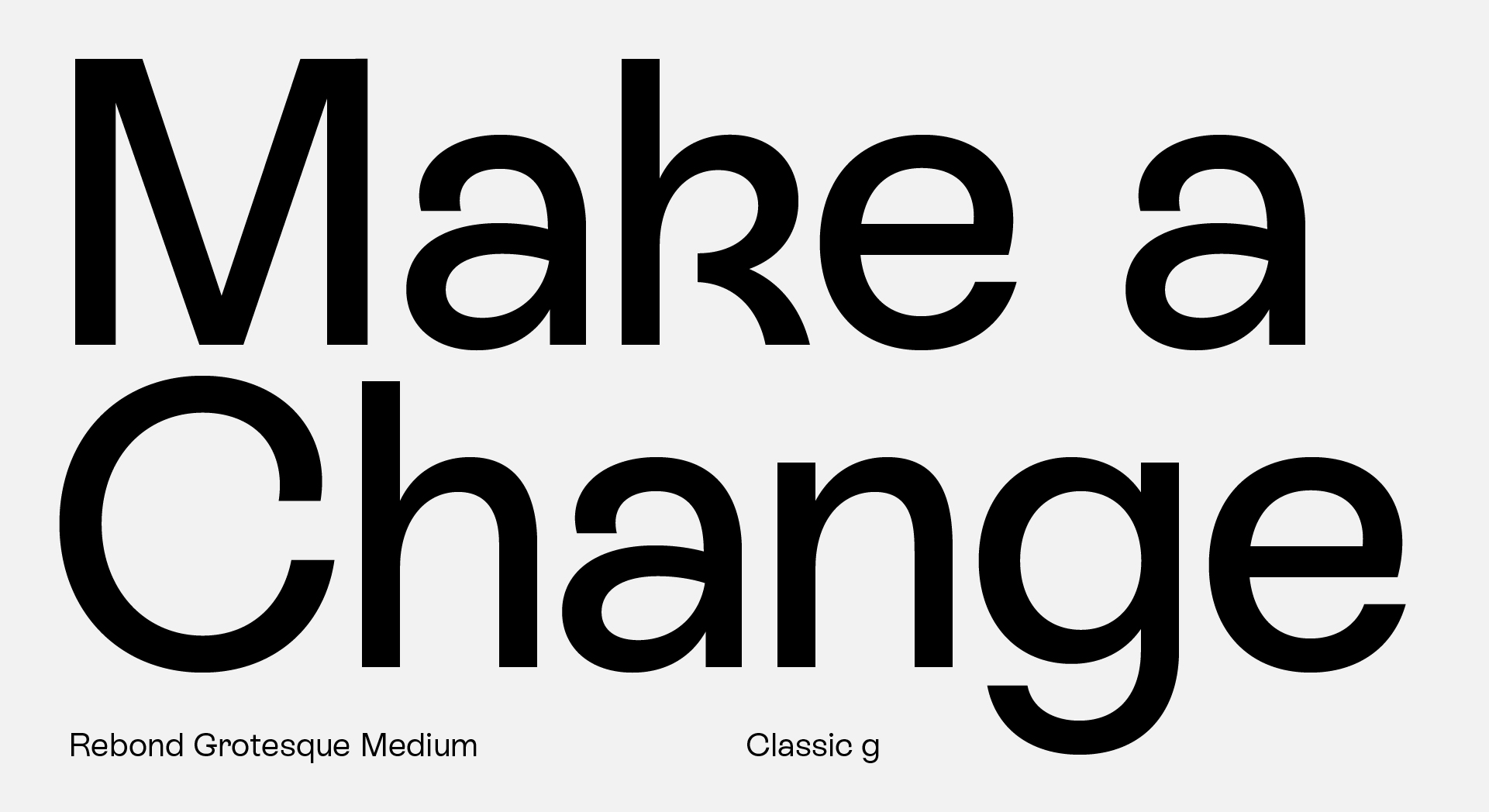
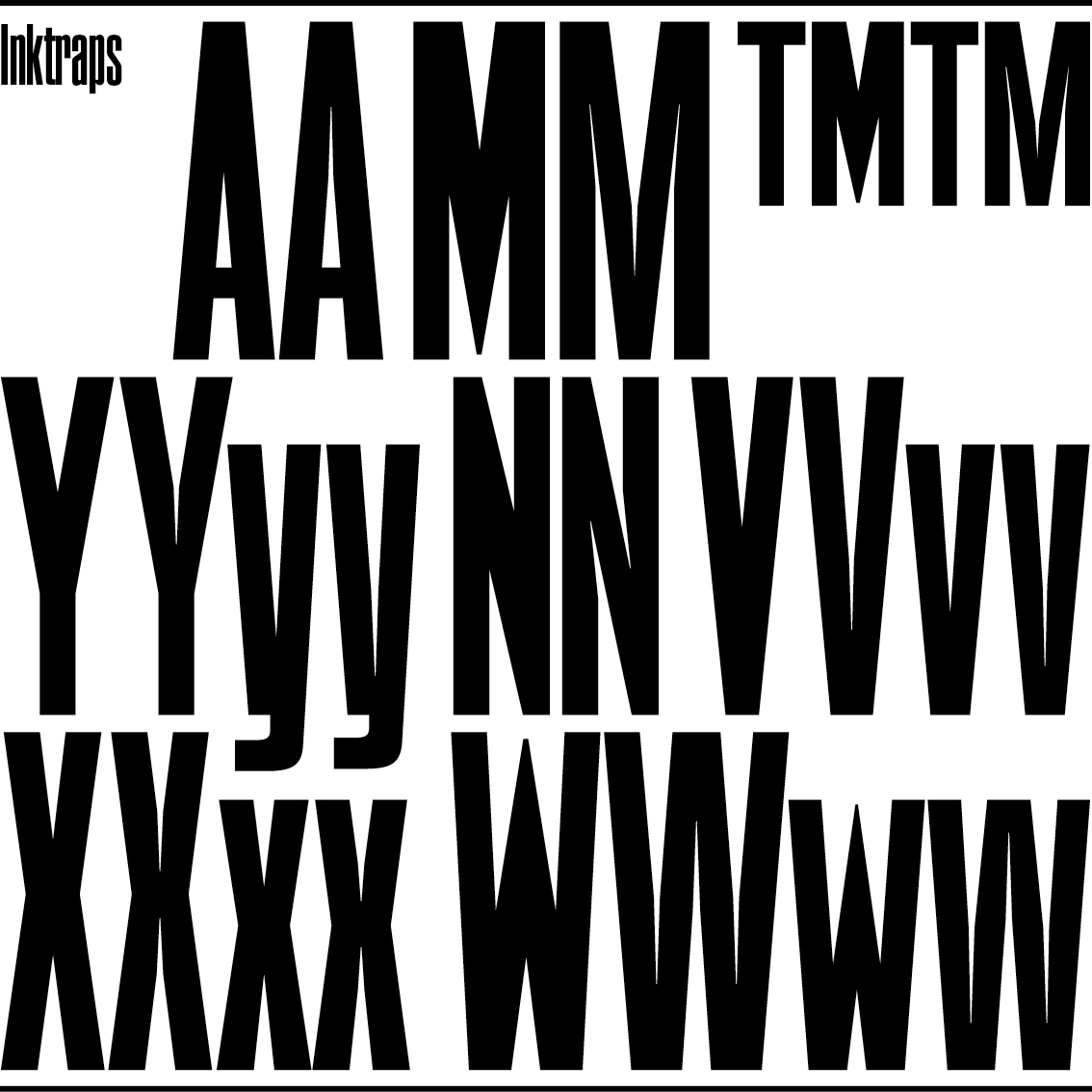
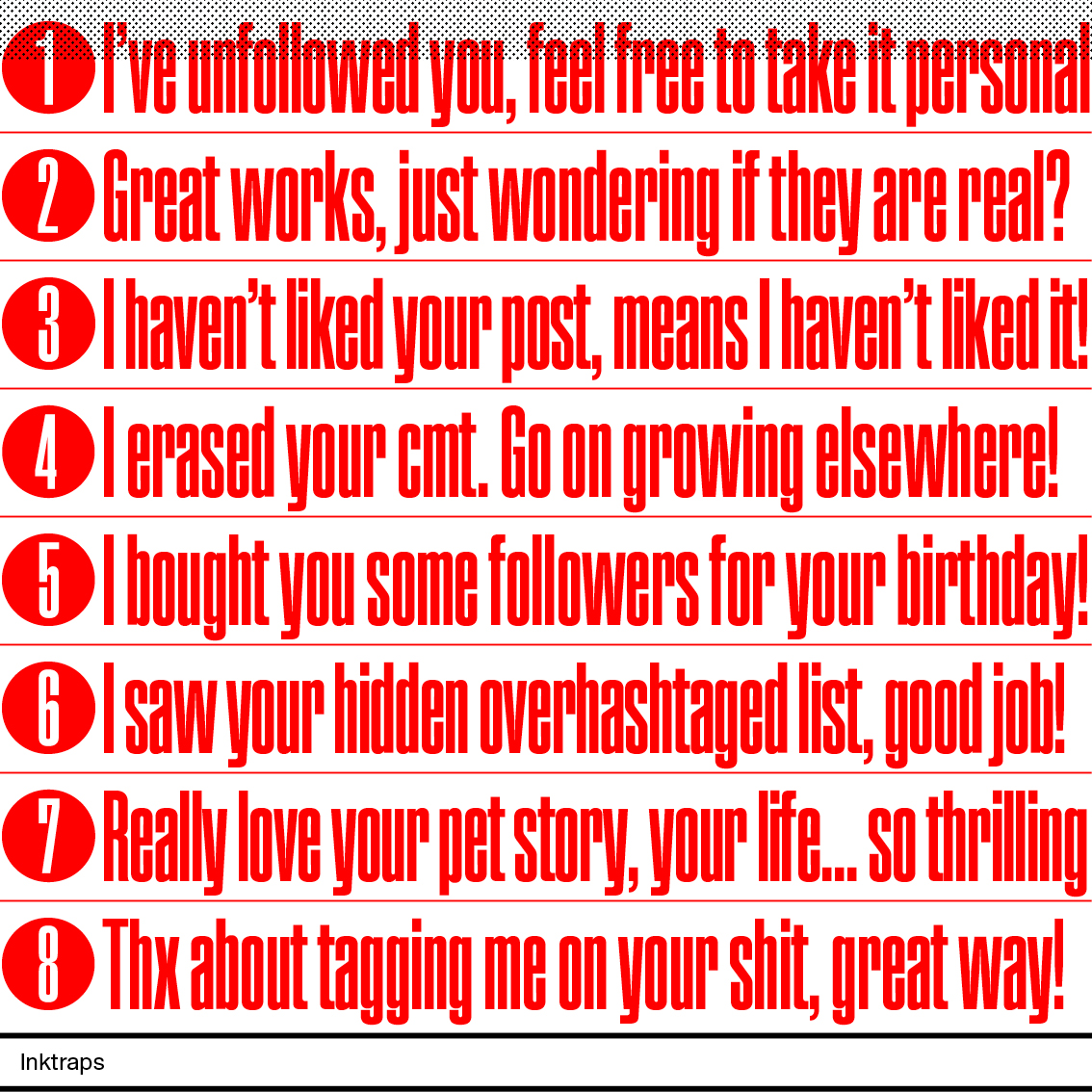
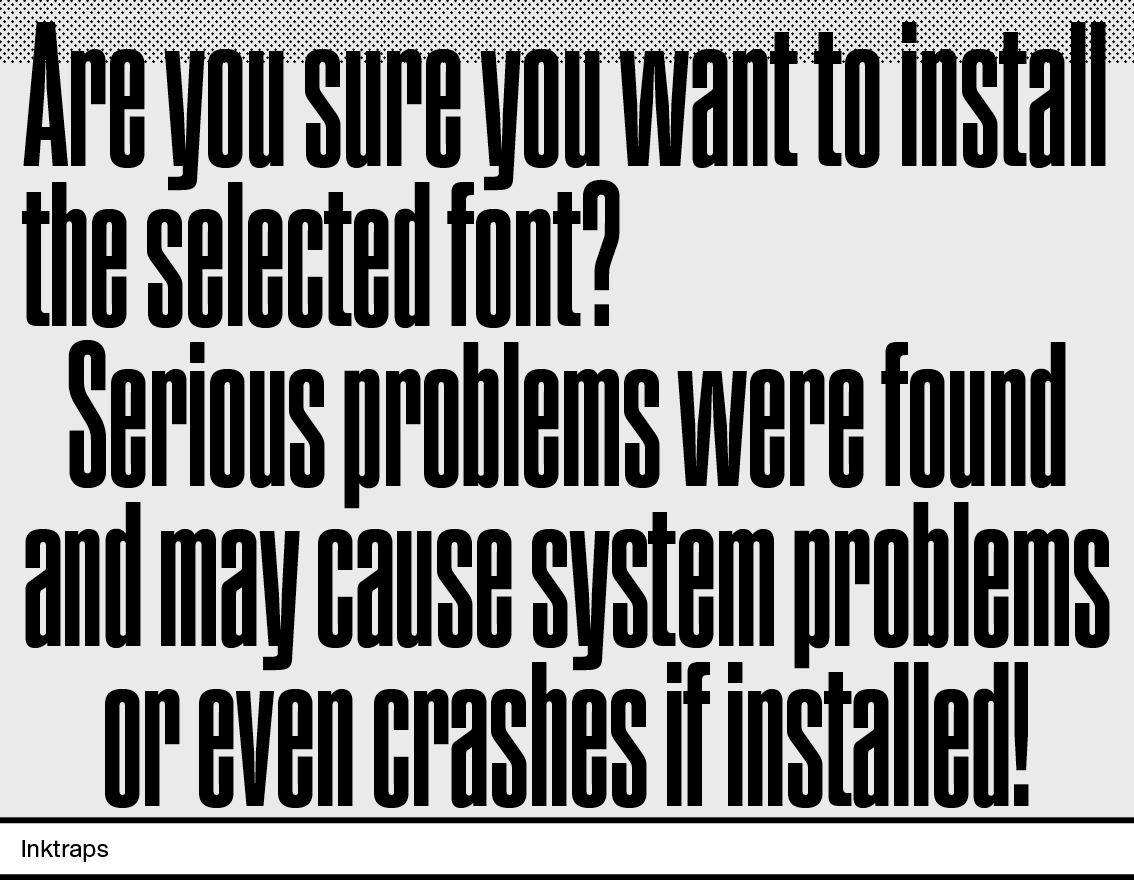
The four partner’s are all Geneva based graphic designers, and have been working in the cultural field for more than ten years. They share a deep interest for typography and they all developped typefaces through different projects. In 2016 they decided to join forces to work on a common catalogue of fonts and to distribute them themselves. They took time to sharpen their characters, to test them and to create a concept and an identity for their platform. Finally they launched extraset’s website in june 2020.
Their words:
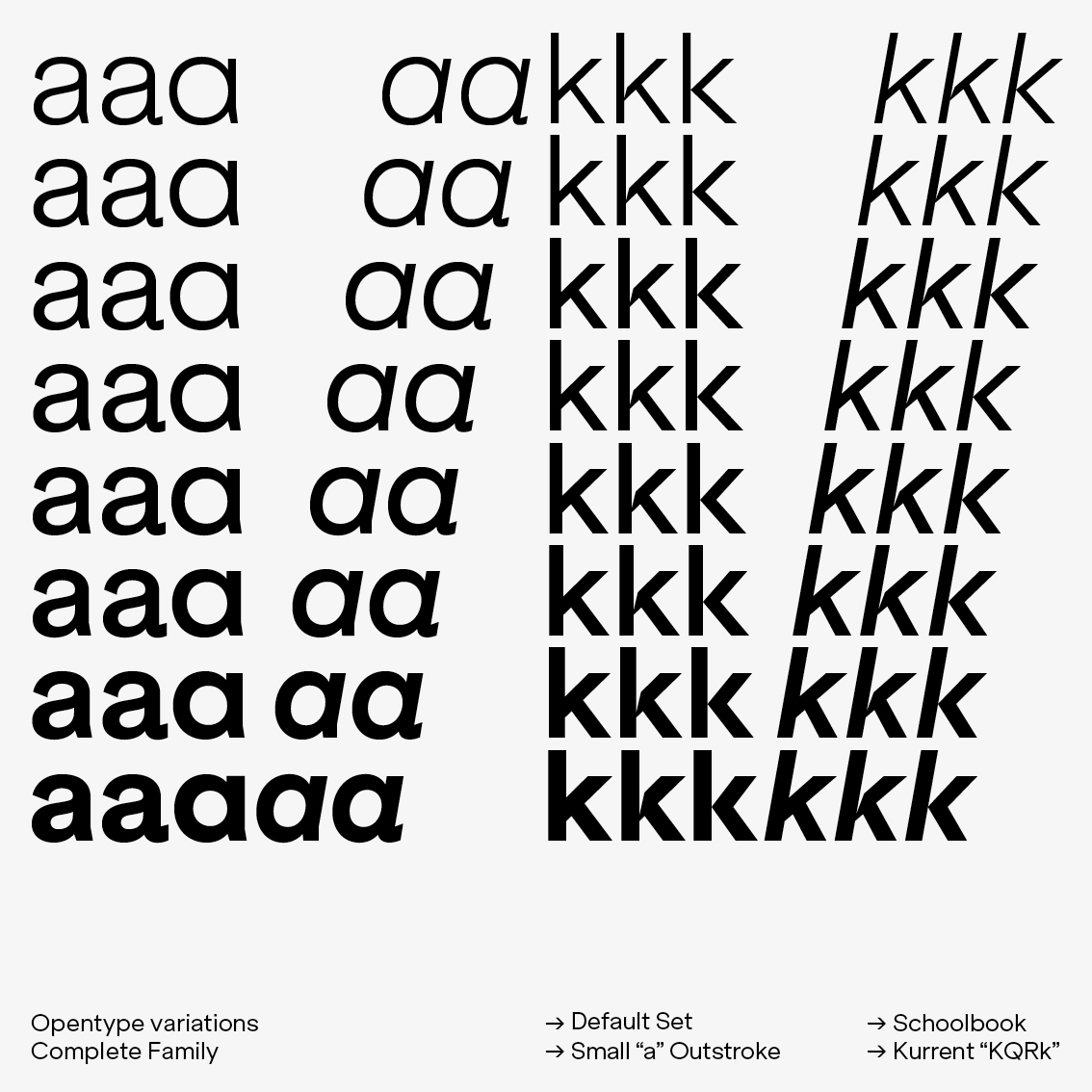
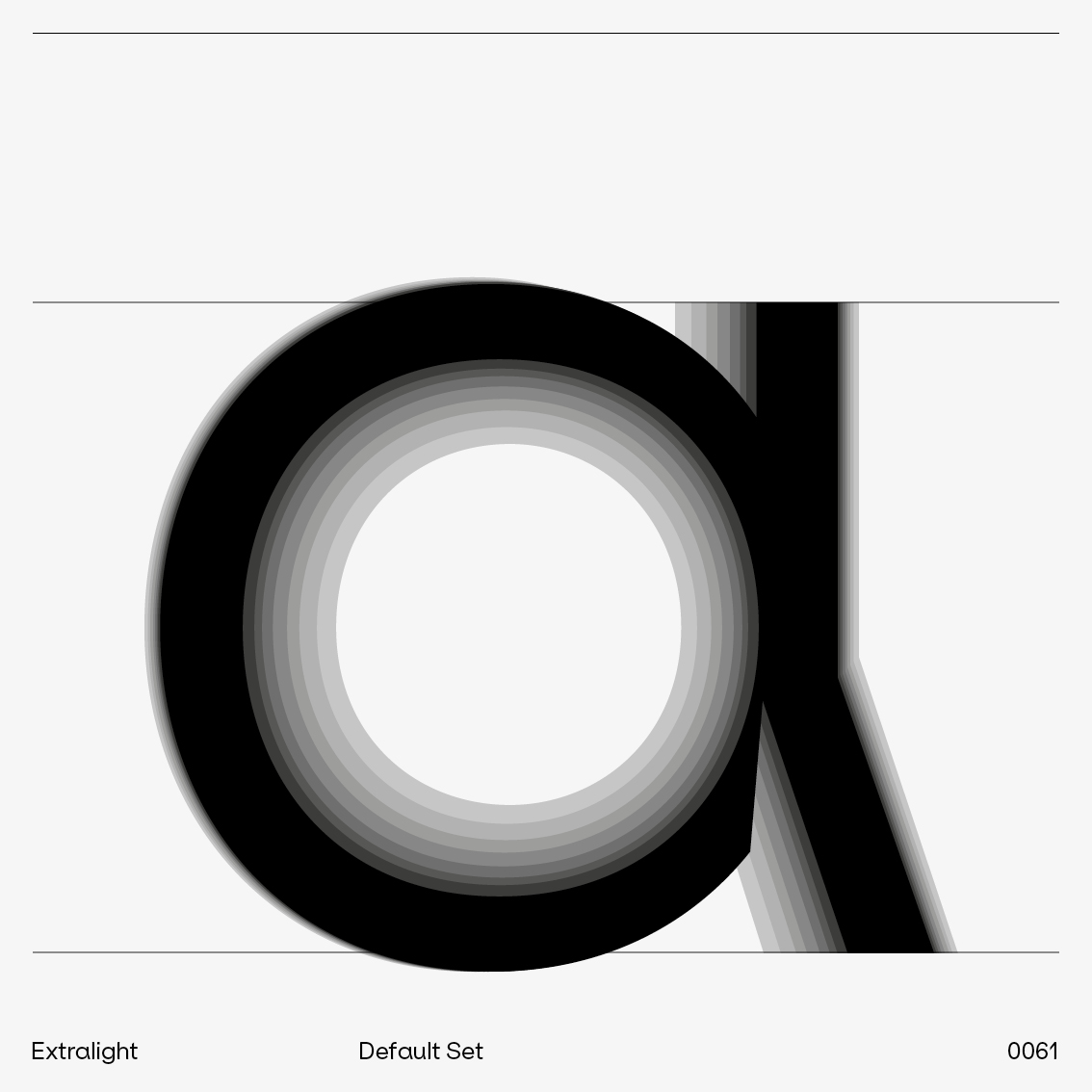
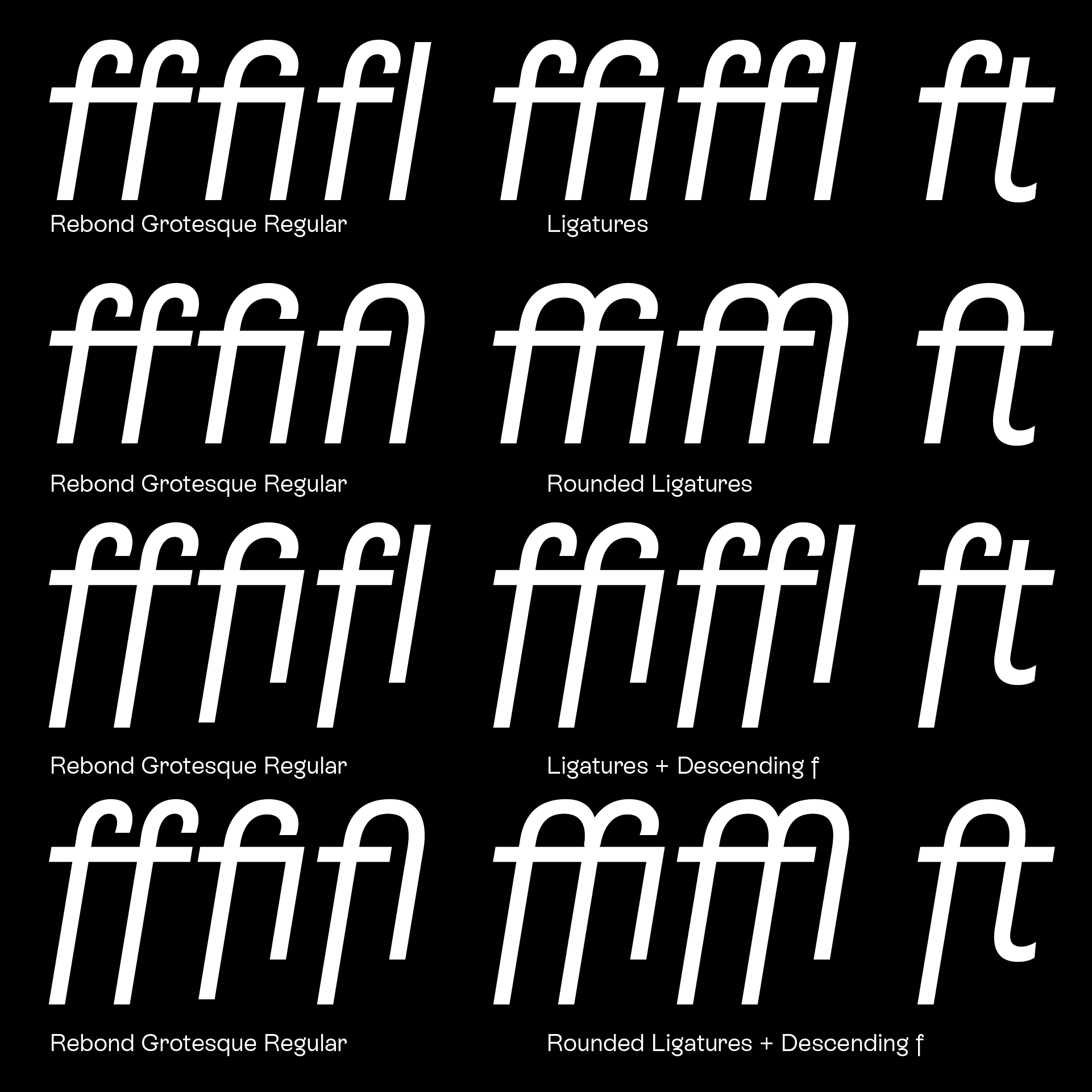
« We believe that open-type formats offers numerous possibilities to contemporary graphic deisgner’s nowadays. Extraset’s fonts offers a lot of alternative character sets to provide more « customizable » fonts to their user’s. That way they can create their own combinations with different glyphs selected from a variety of stylistic sets. Each of the first six fonts that we recently published contains at least 10 alternate characters« .
Discover their actual typefaces
(CLICK PICTURES TO ENLARGE)
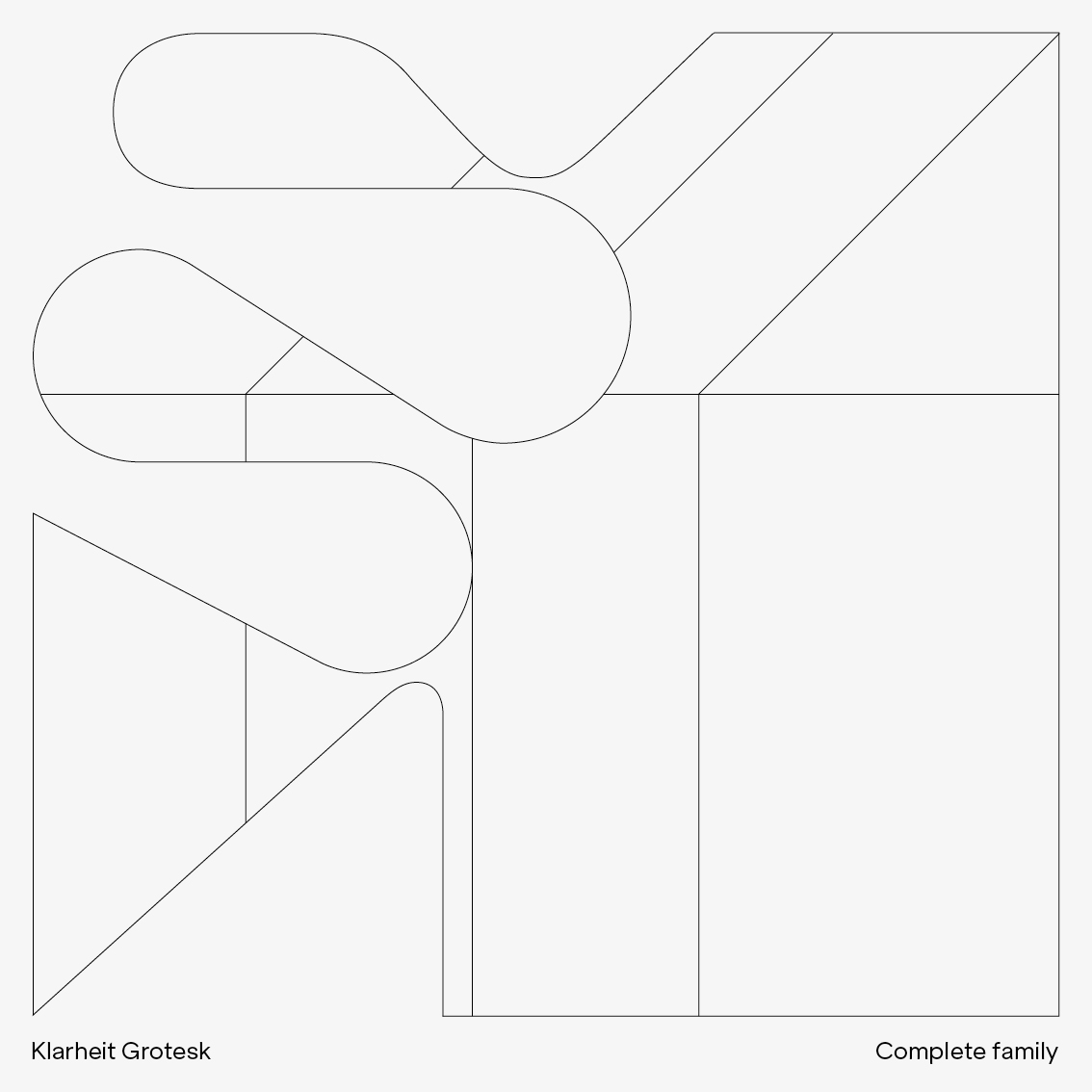
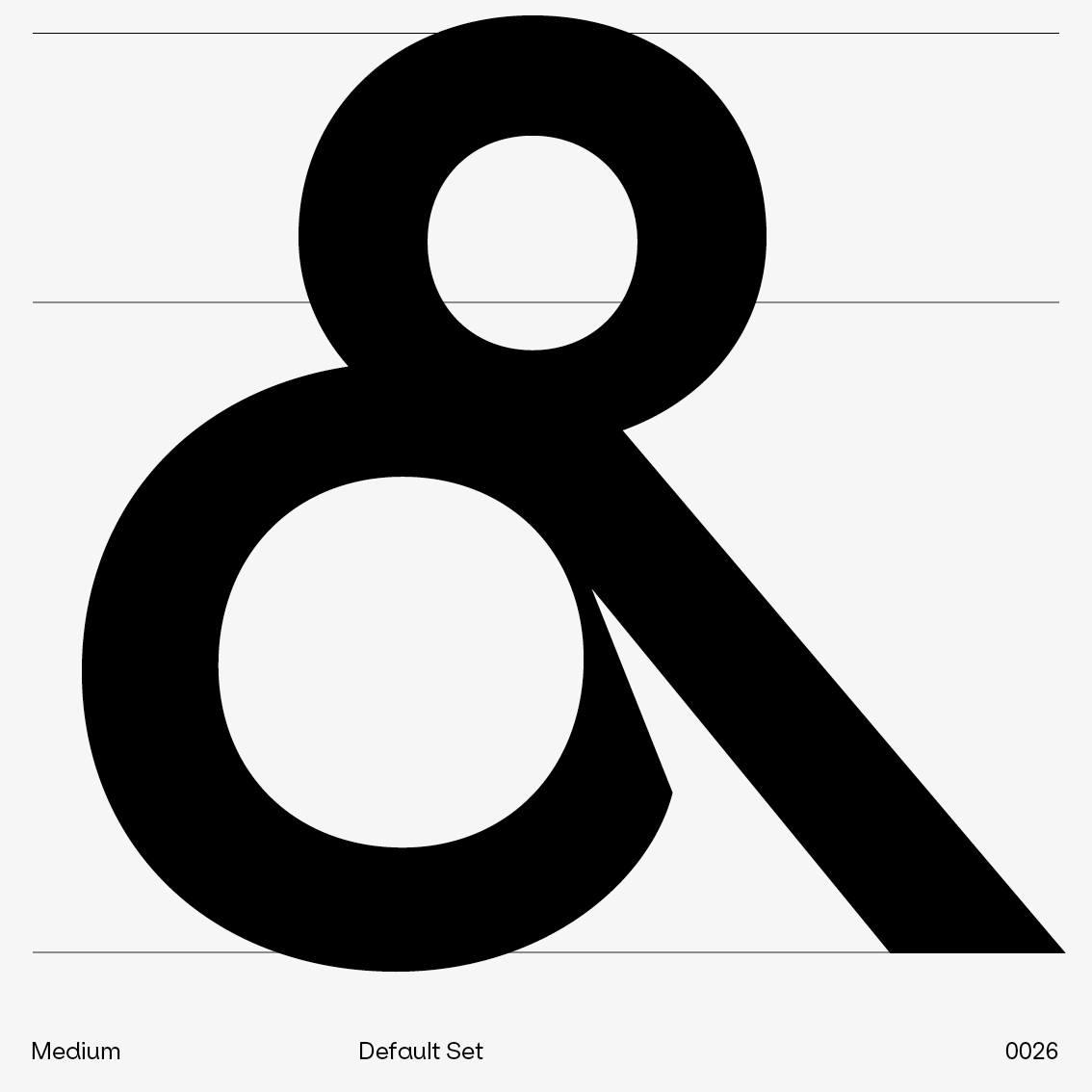
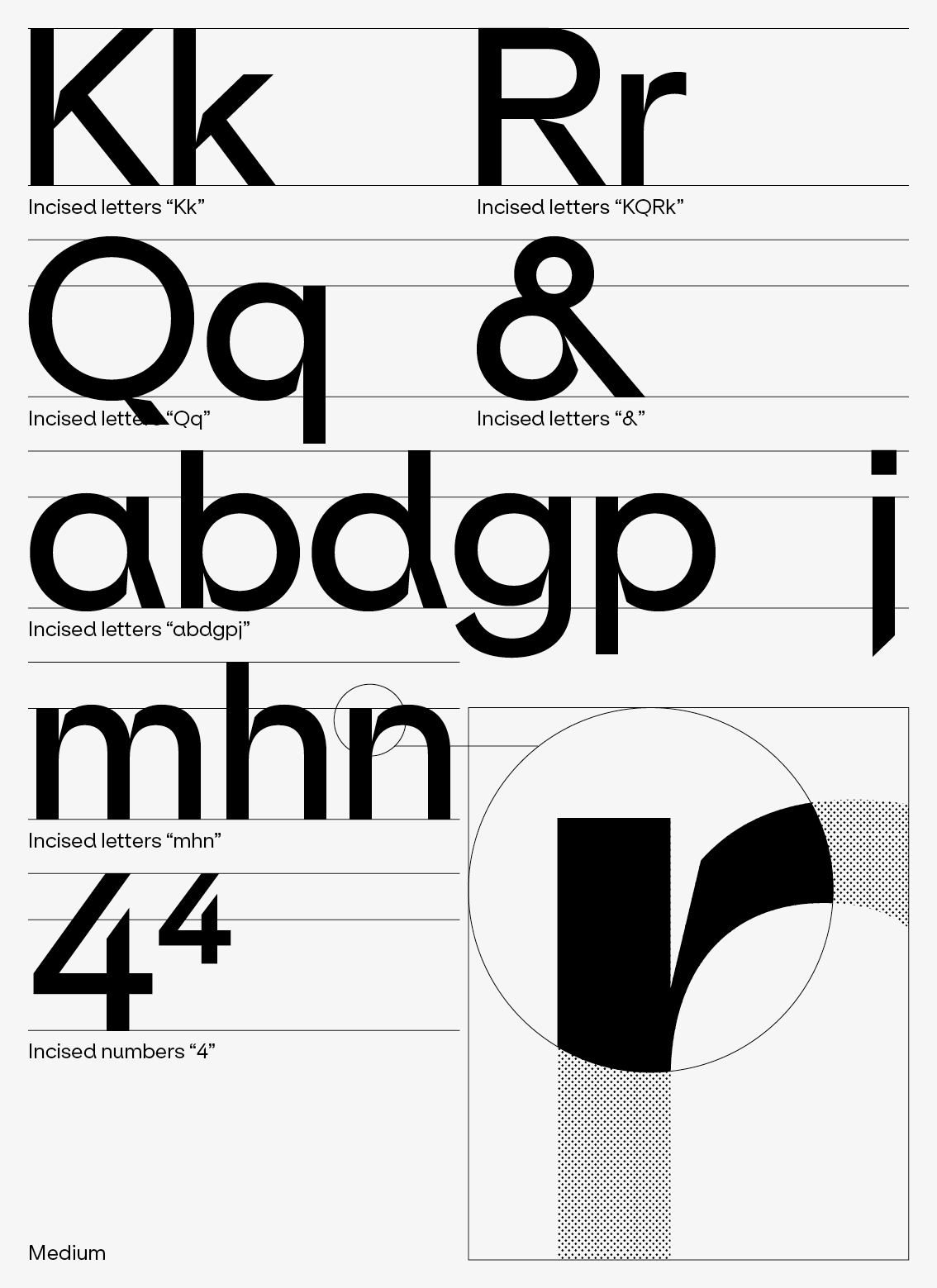
Klarheit Grotesk
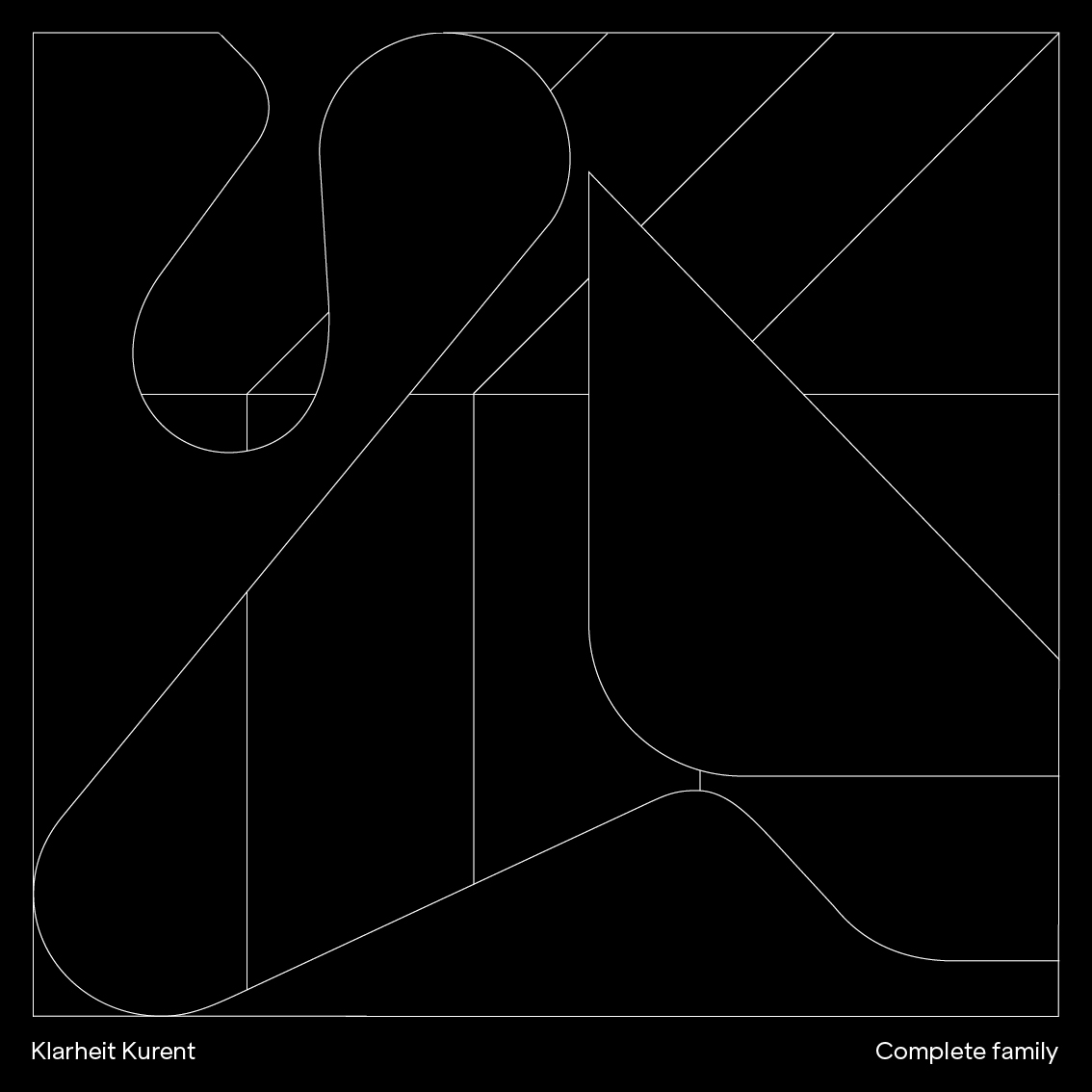
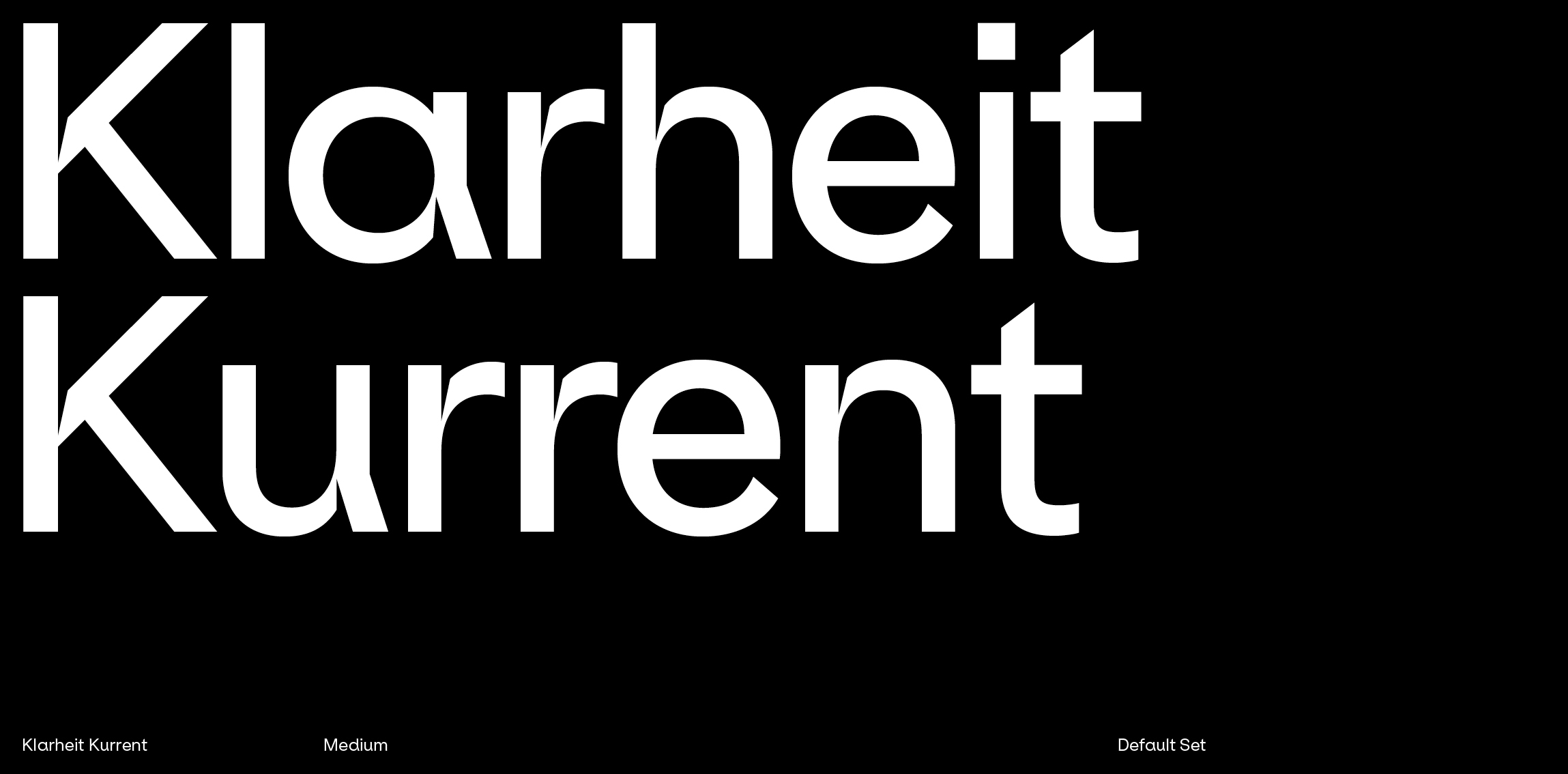
Klarheit Kurrent
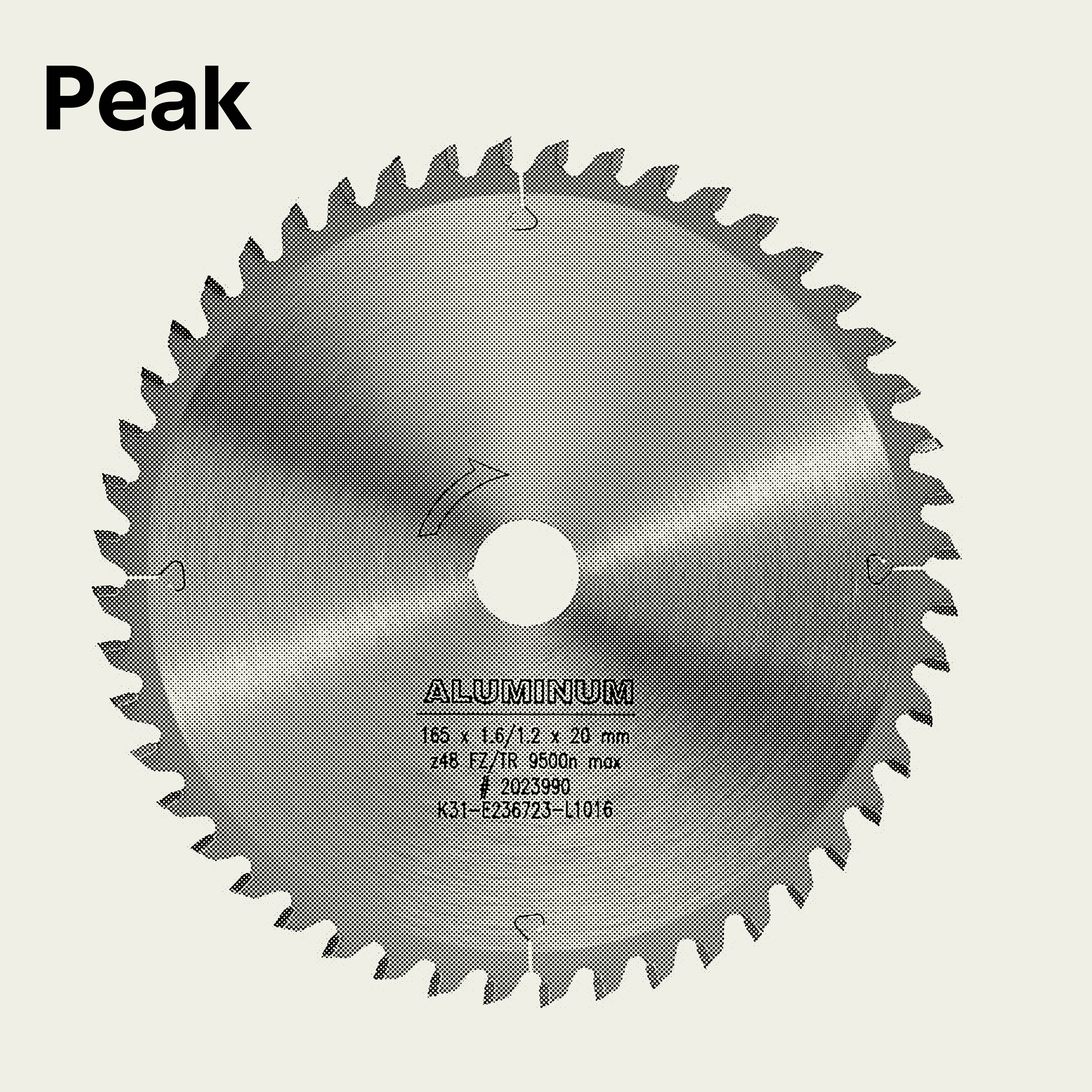
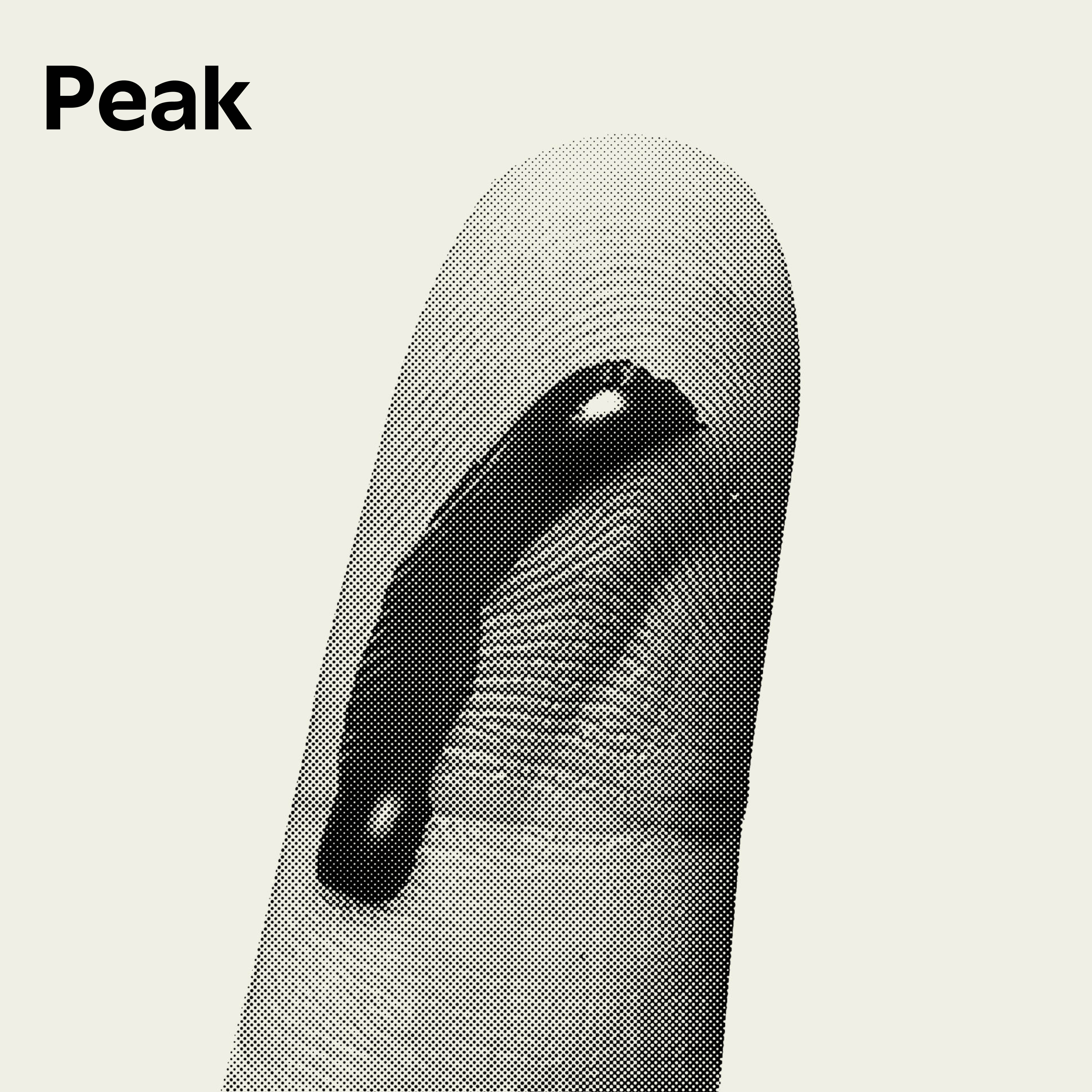
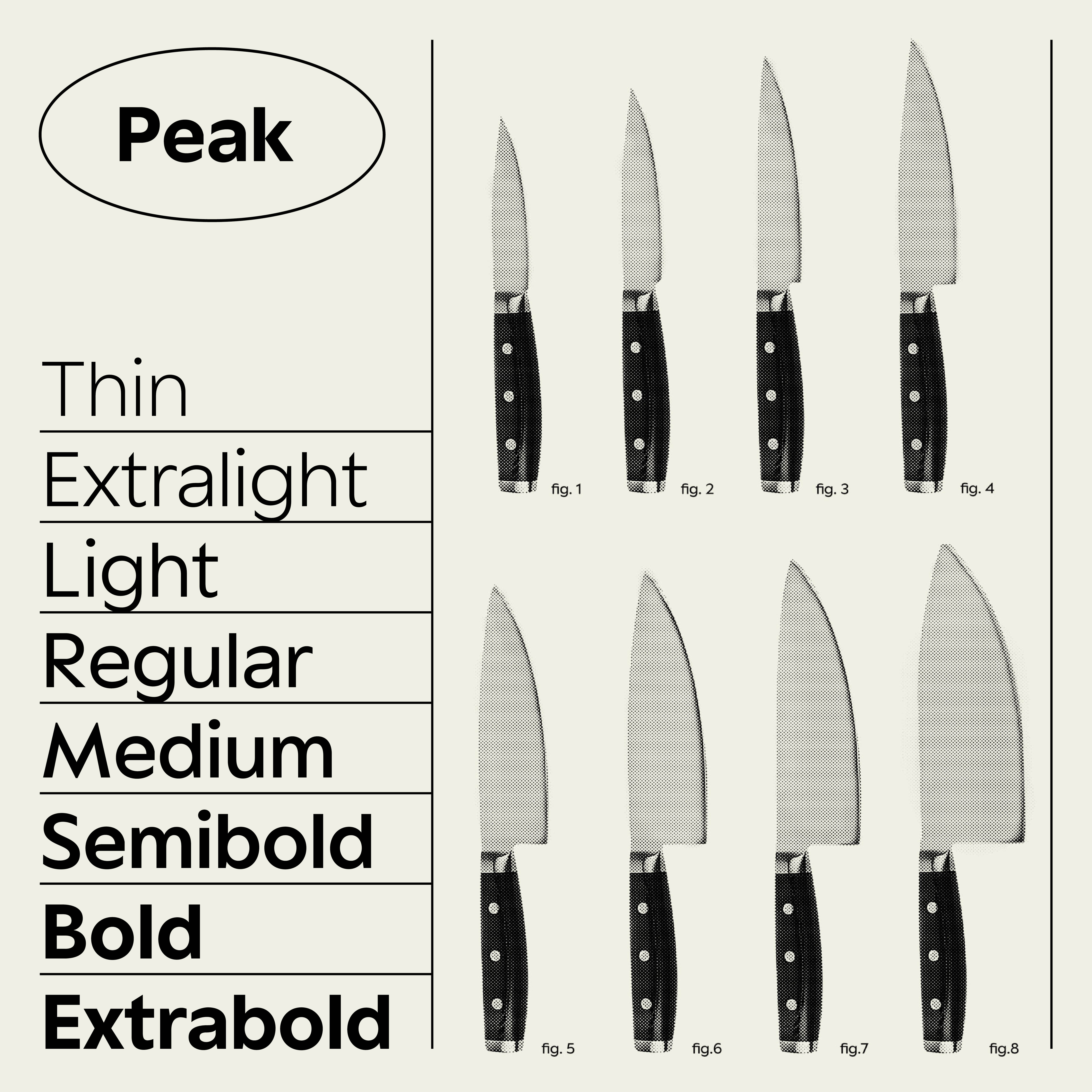
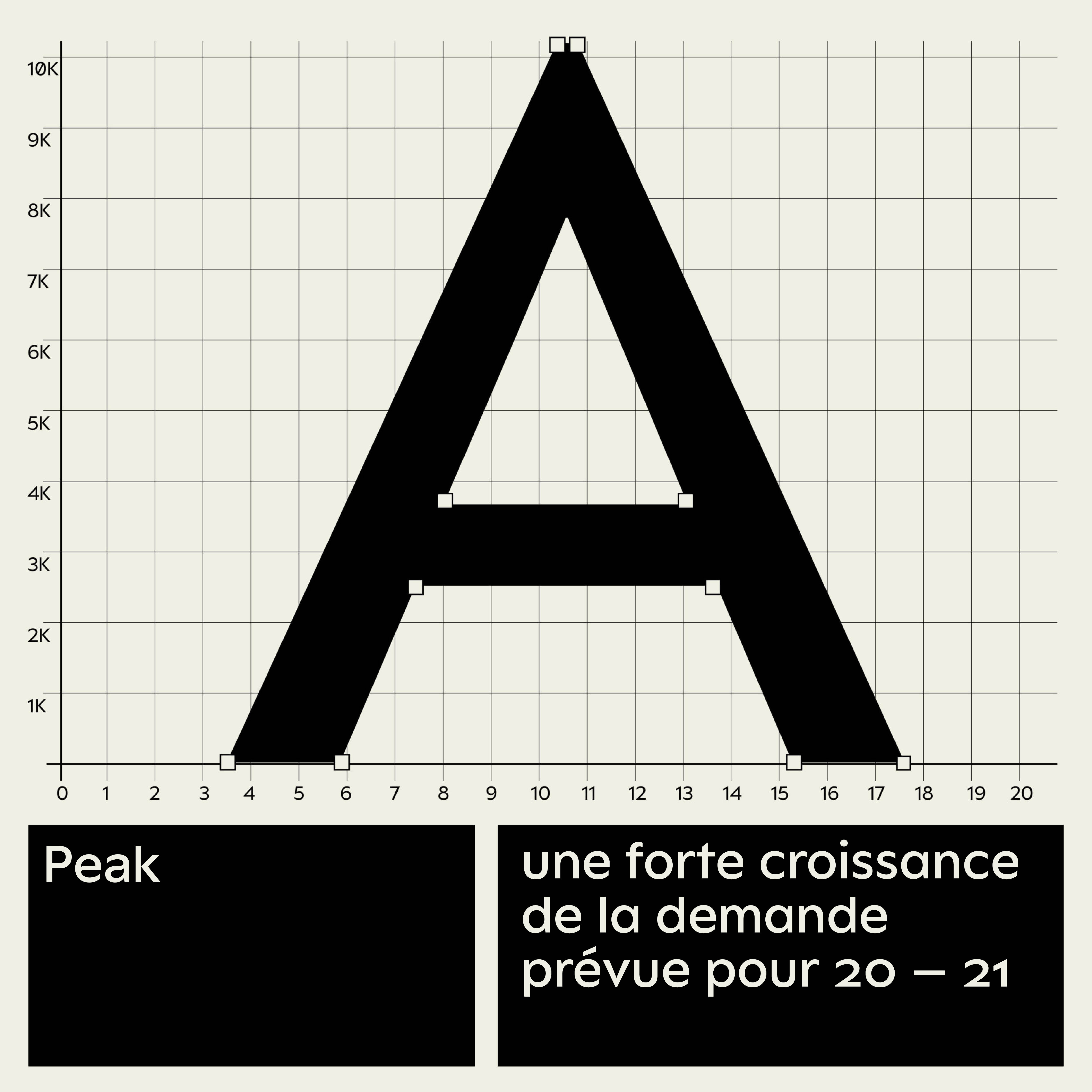
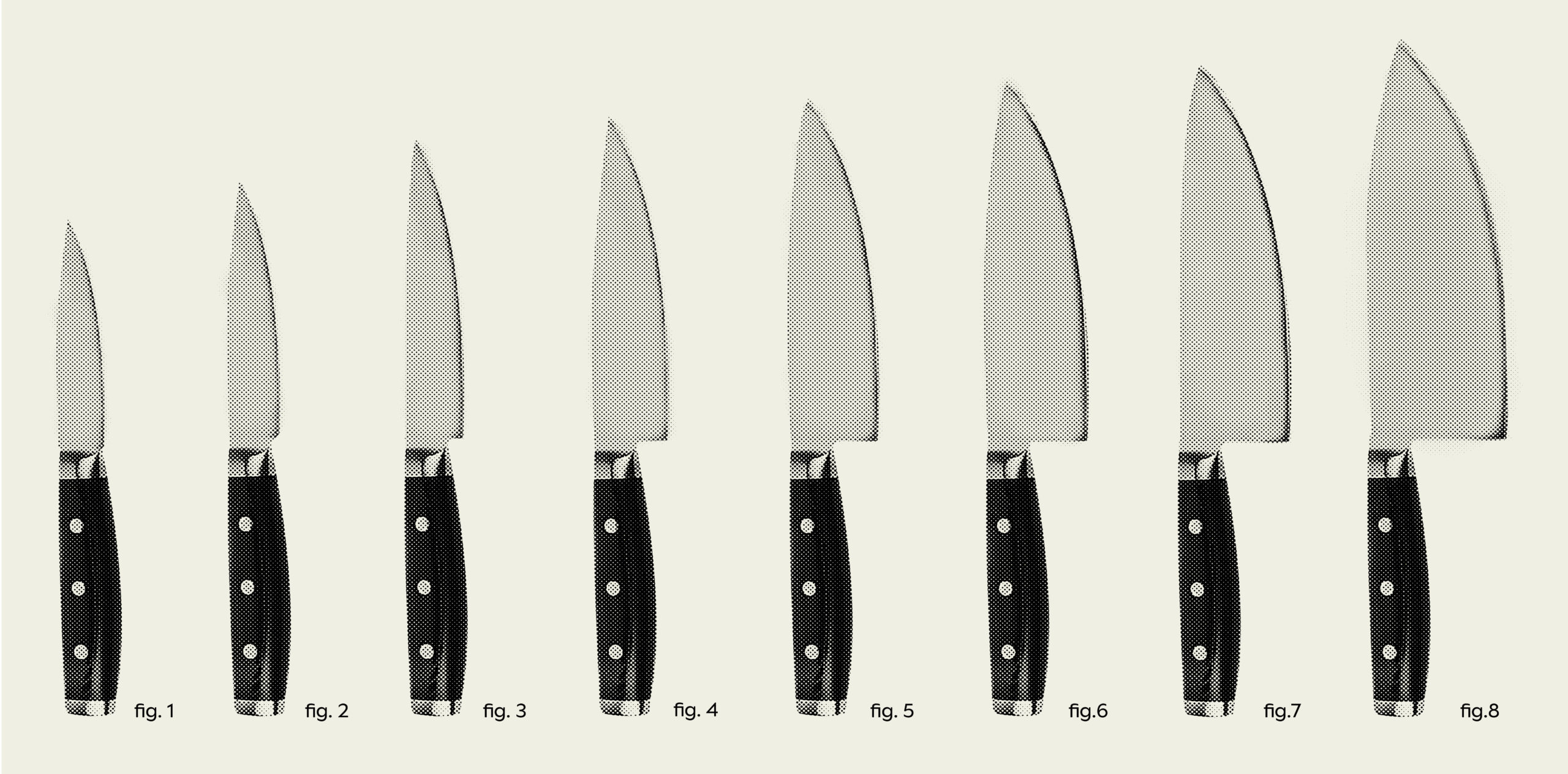
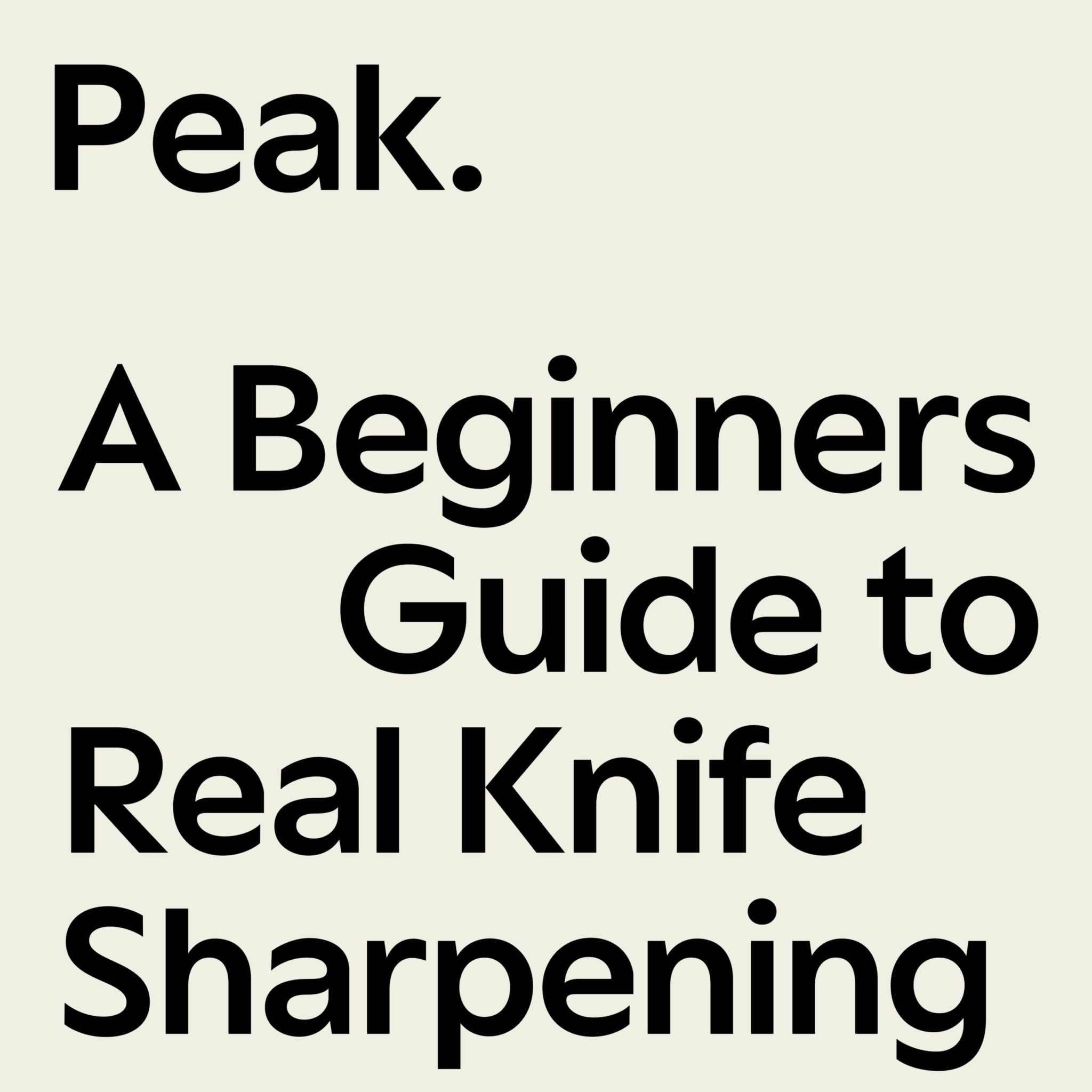
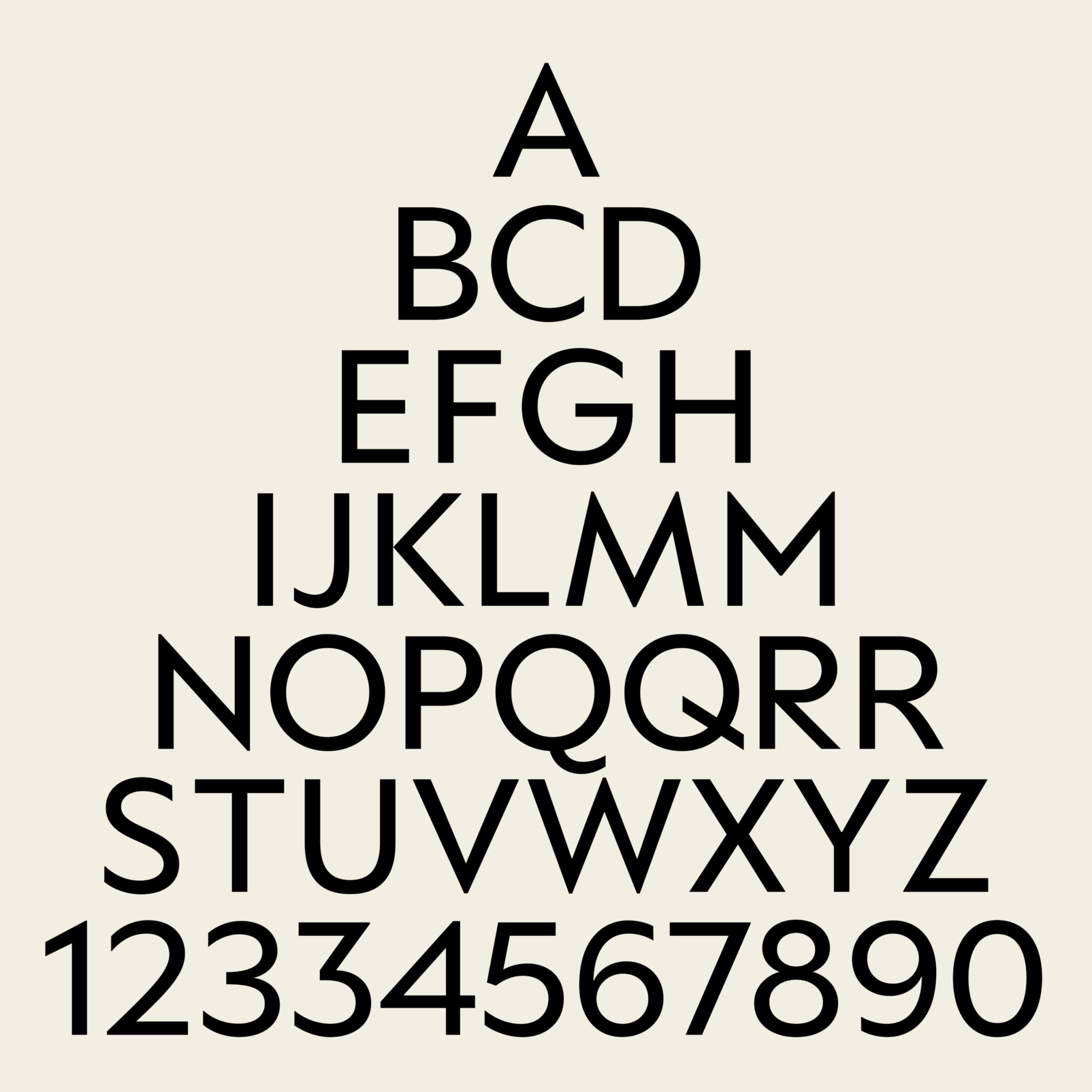
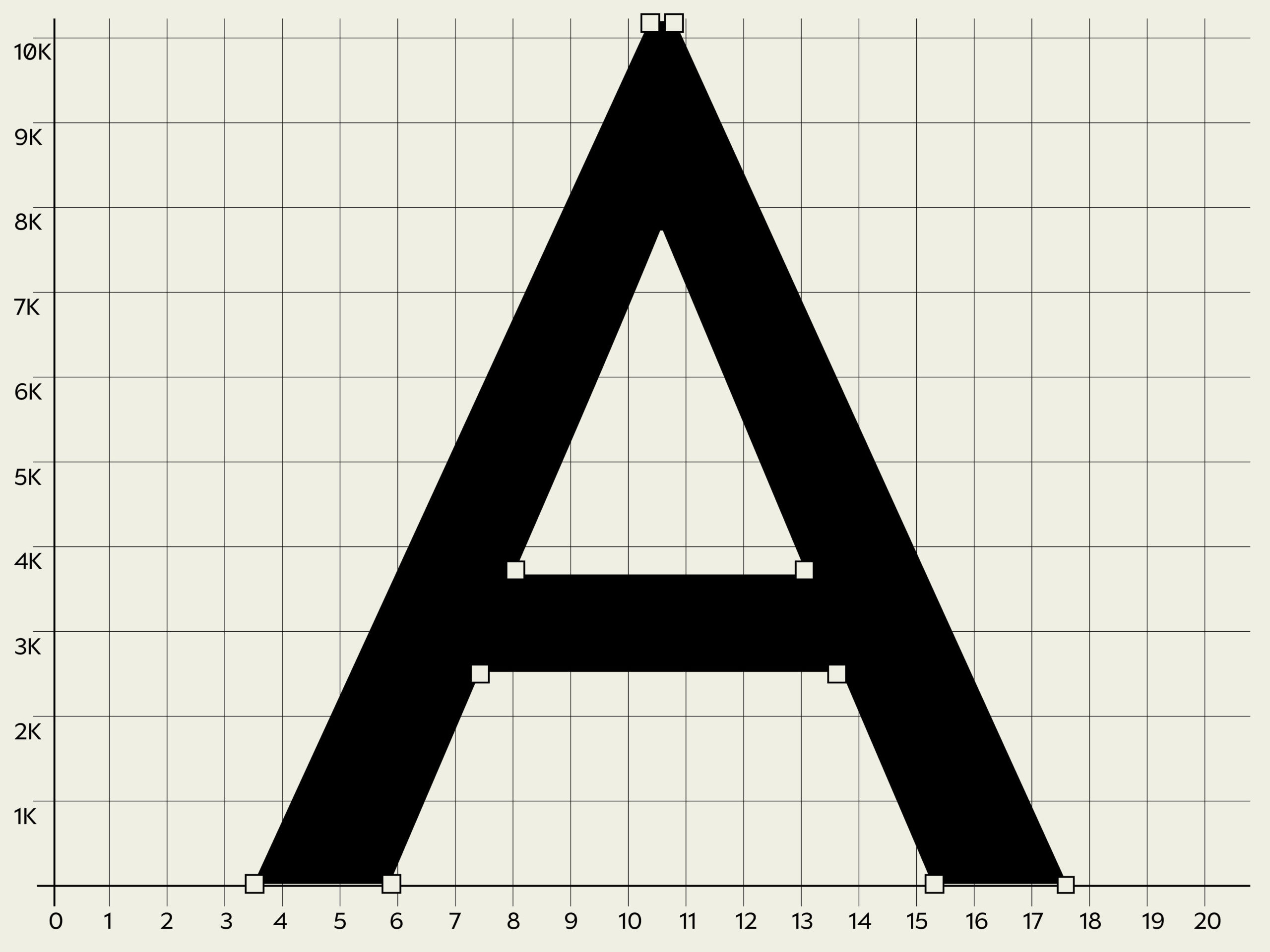
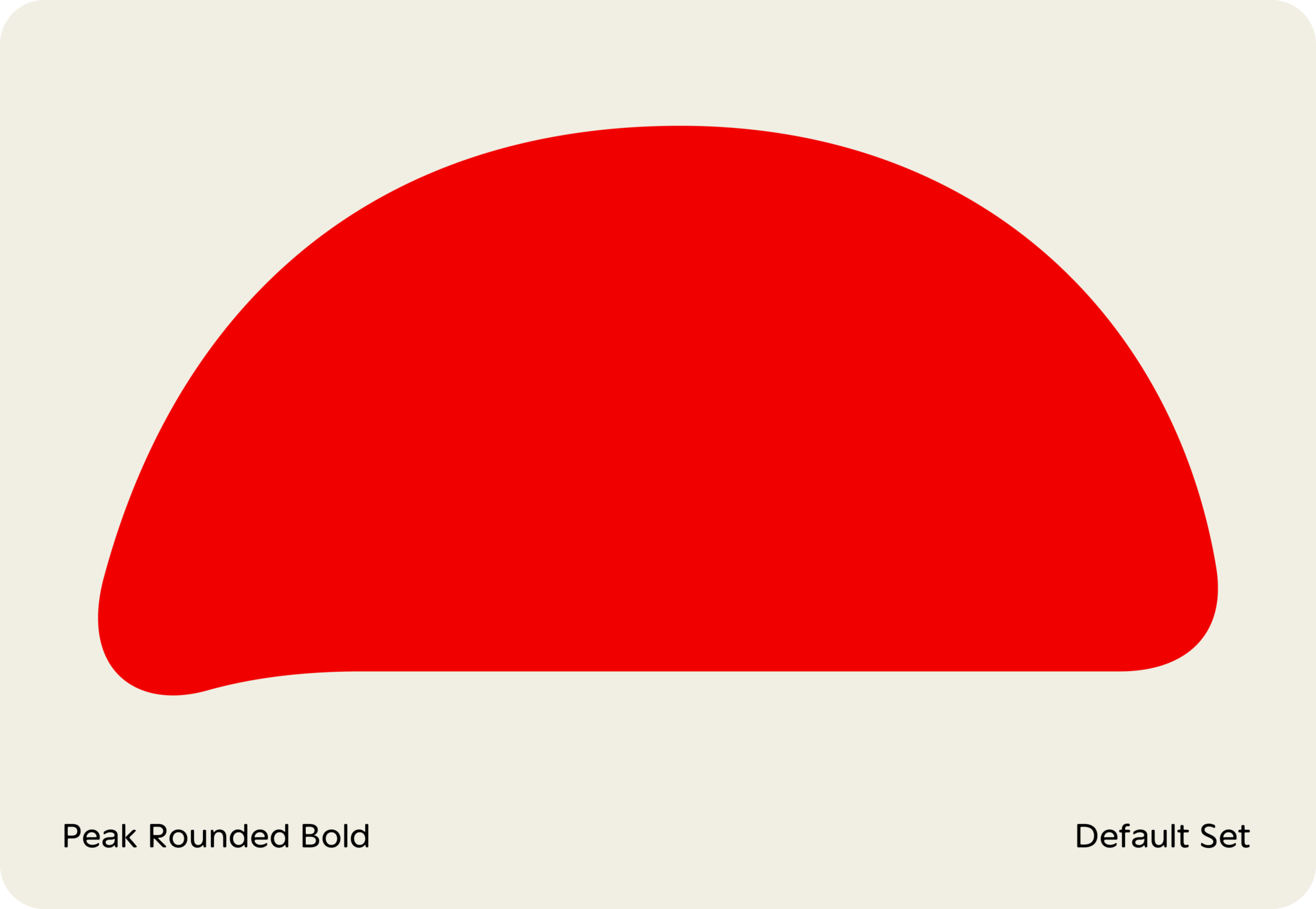
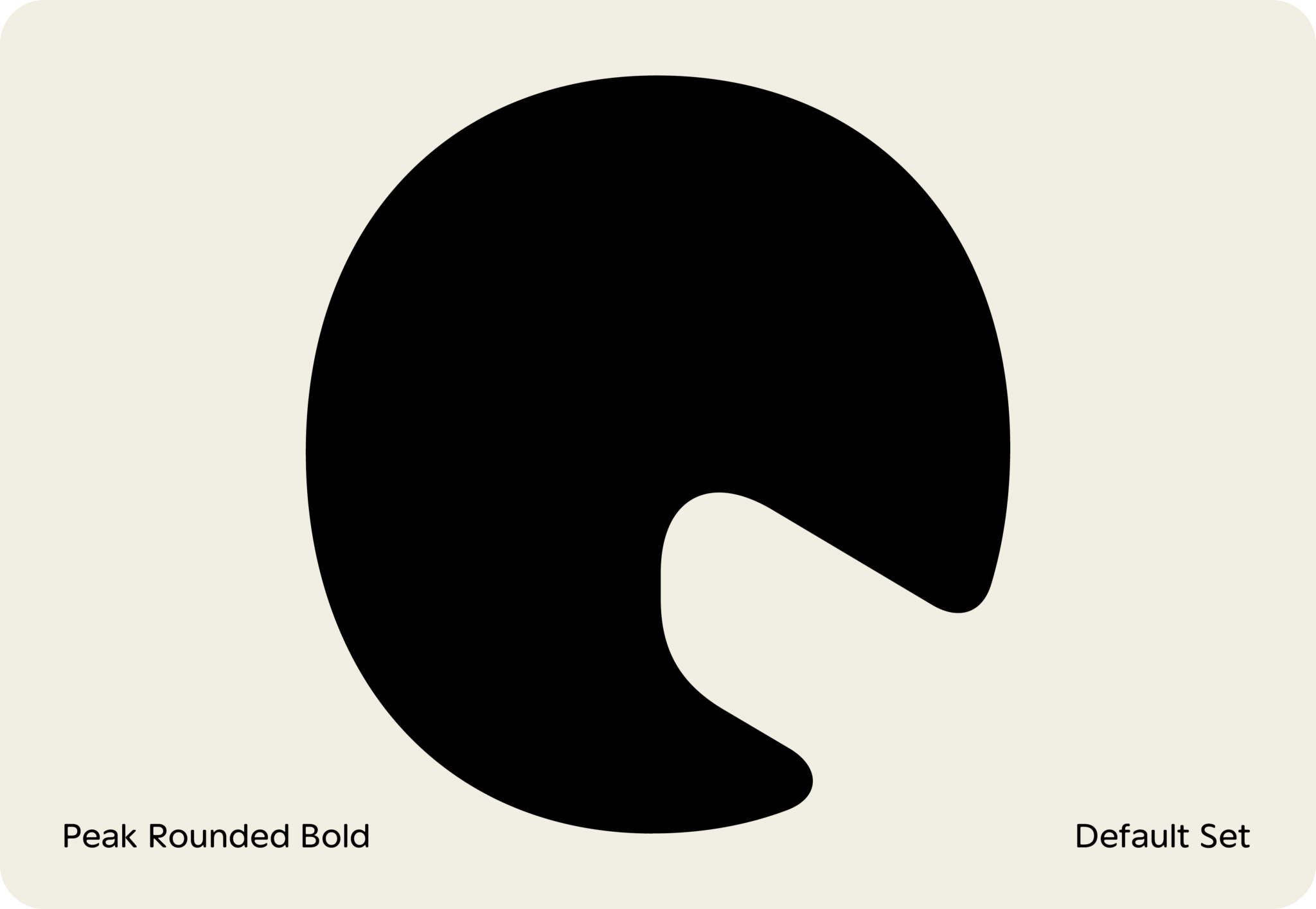
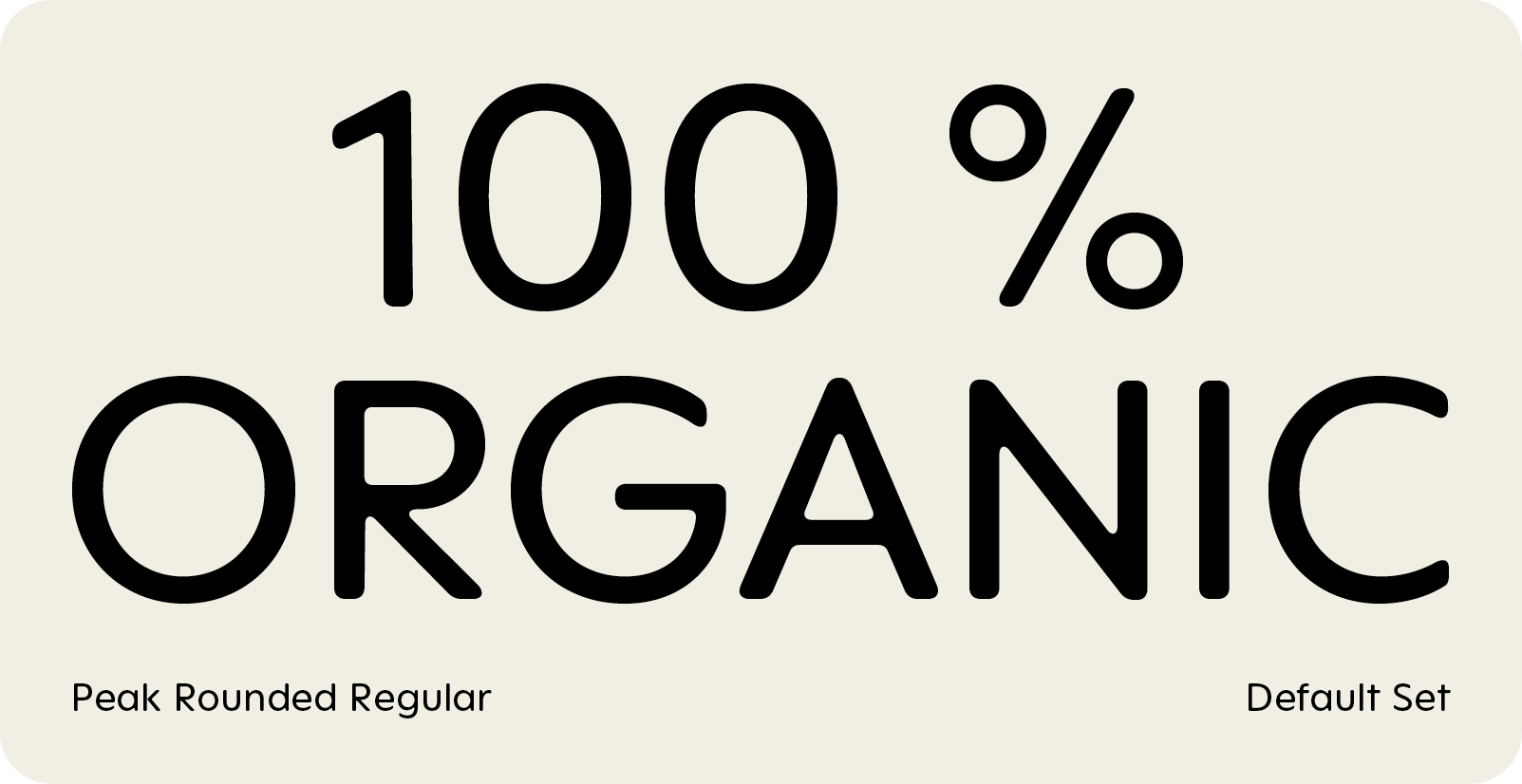
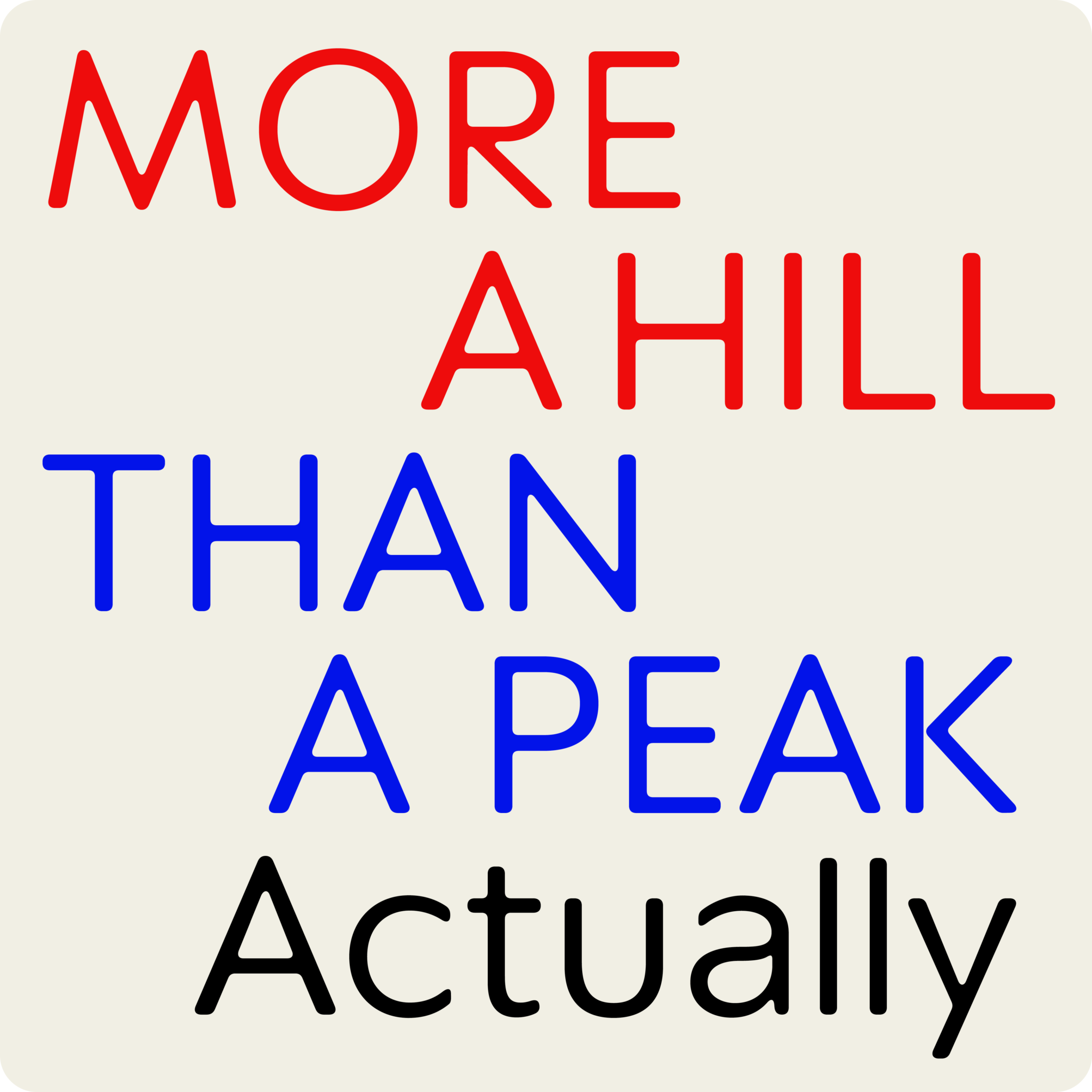
Peak
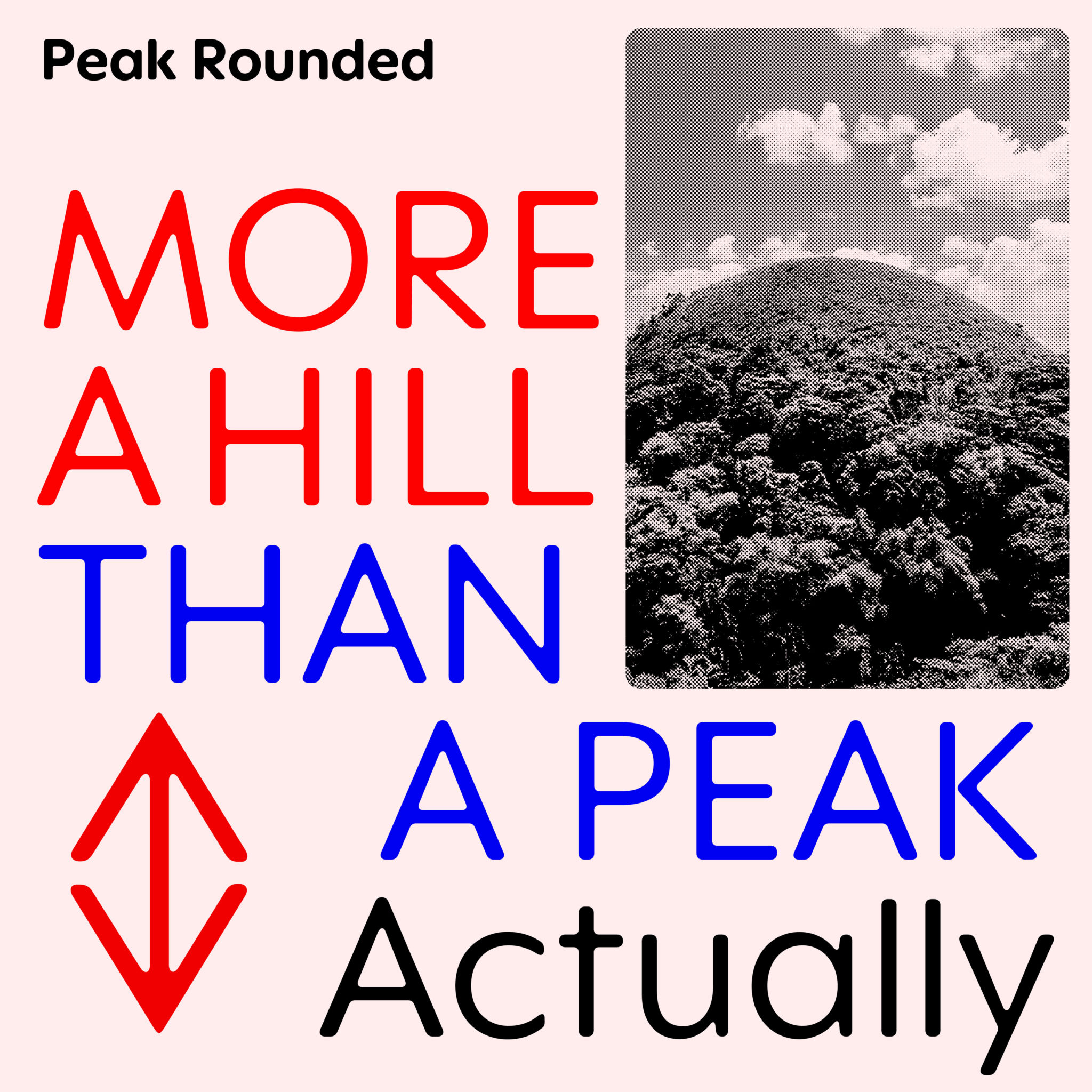
Peak Rounded
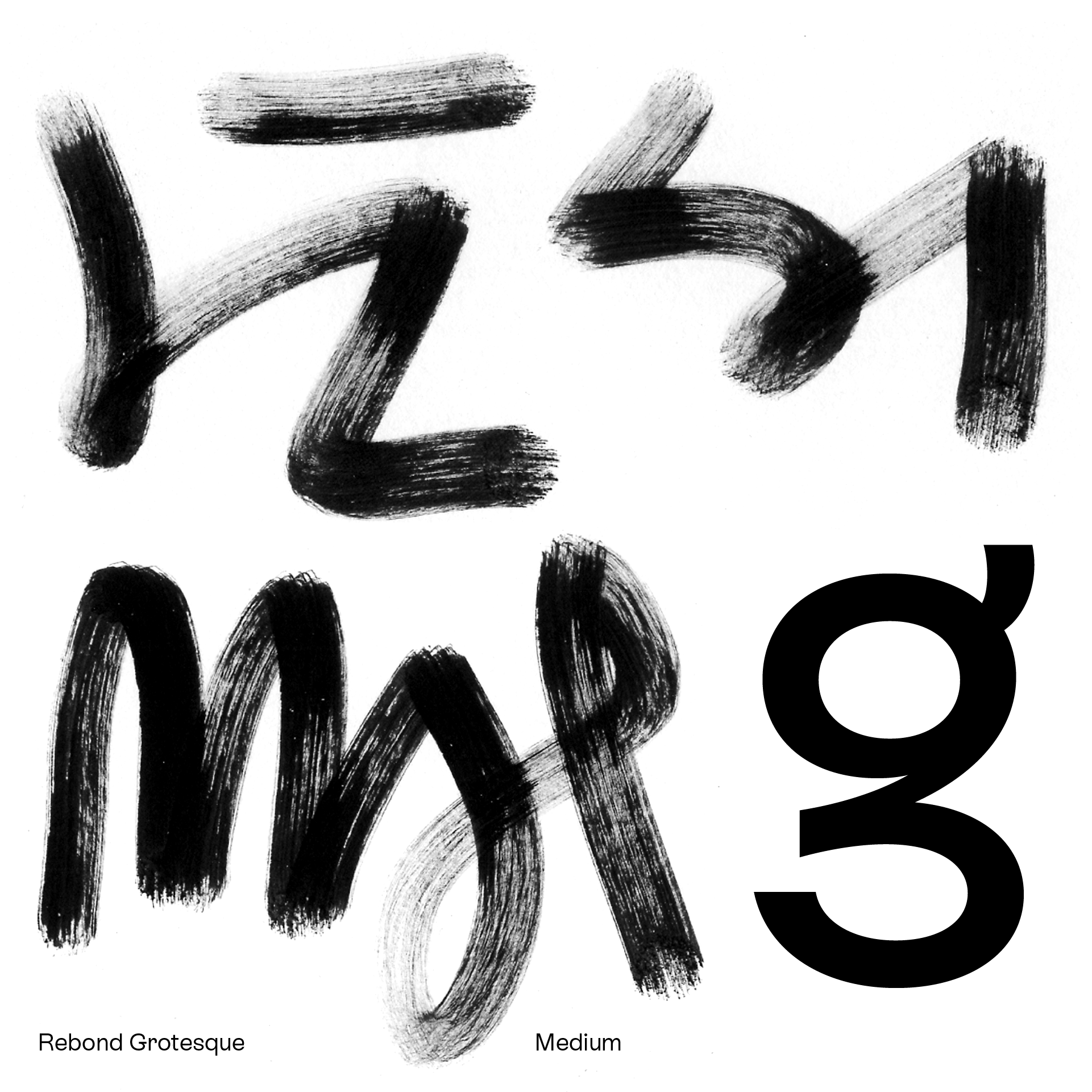
Rebond Grotesque
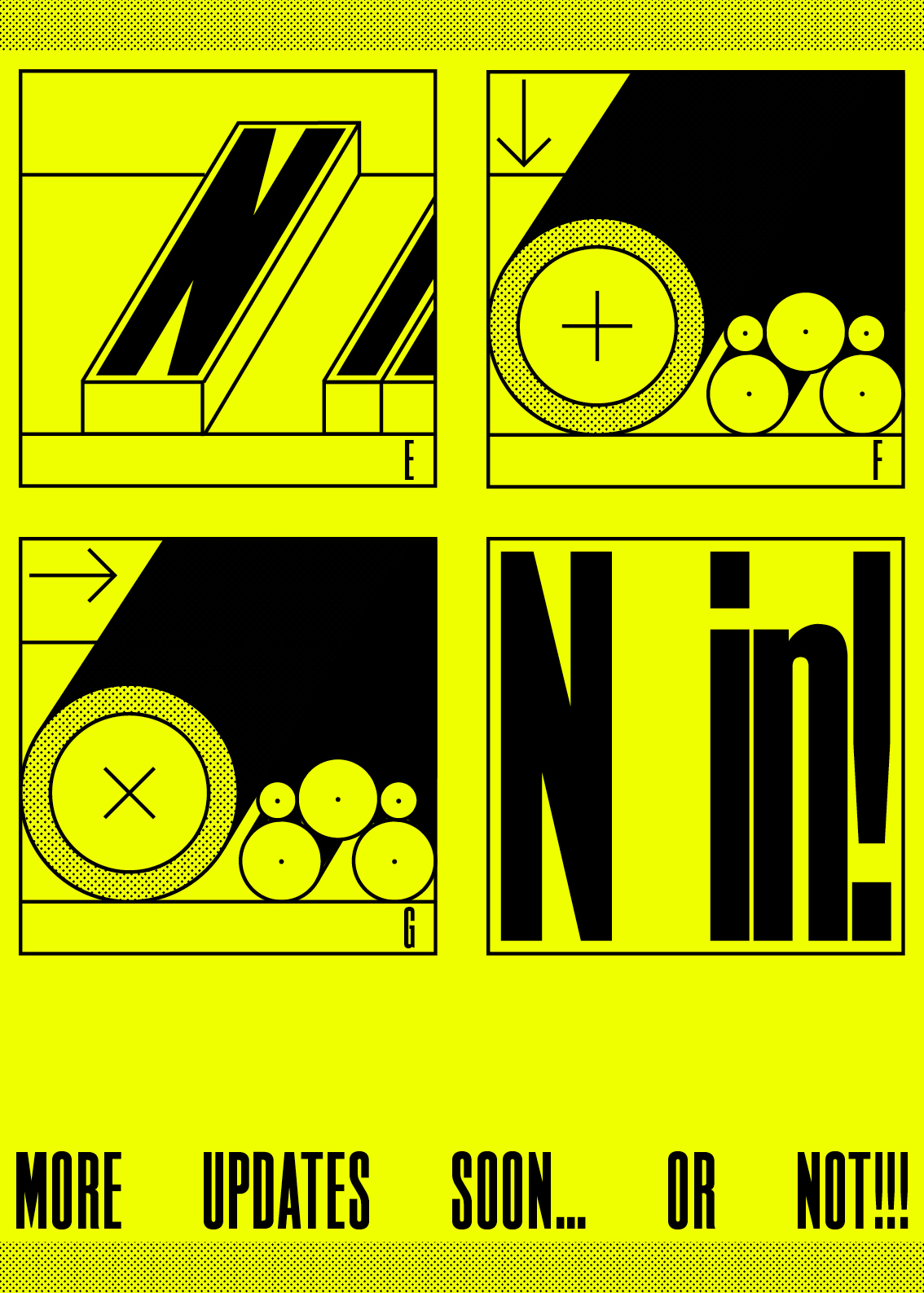
Nein!
Every fonts are available now on their amazing new website https://extraset.ch Toutes leurs fontes sont disponibles à prix tout doux sur https://extraset.ch
Basé à Genève, le studio développe des projets graphiques (identités visuelles, conception d’affiches, supports imprimés), de design éditorial, de design web et de signalétique. Il collabore avec différents indépendants, institutions culturelles et entreprises commerciales à travers une approche conceptuelle et originale avec pour base un processus créatif qui étudie le sujet, ses besoins, ses acteurs, sa compréhension et son interprétation.
Based in Geneva, the studio develops graphic projects (visual identities, poster design, print media), editorial design, web design and signage design. He collaborates with various freelancers, cultural institutions and commercial companies through a conceptual and original approach based on a creative process that studies the subject, its needs, its actors, its understanding and its interpretation.
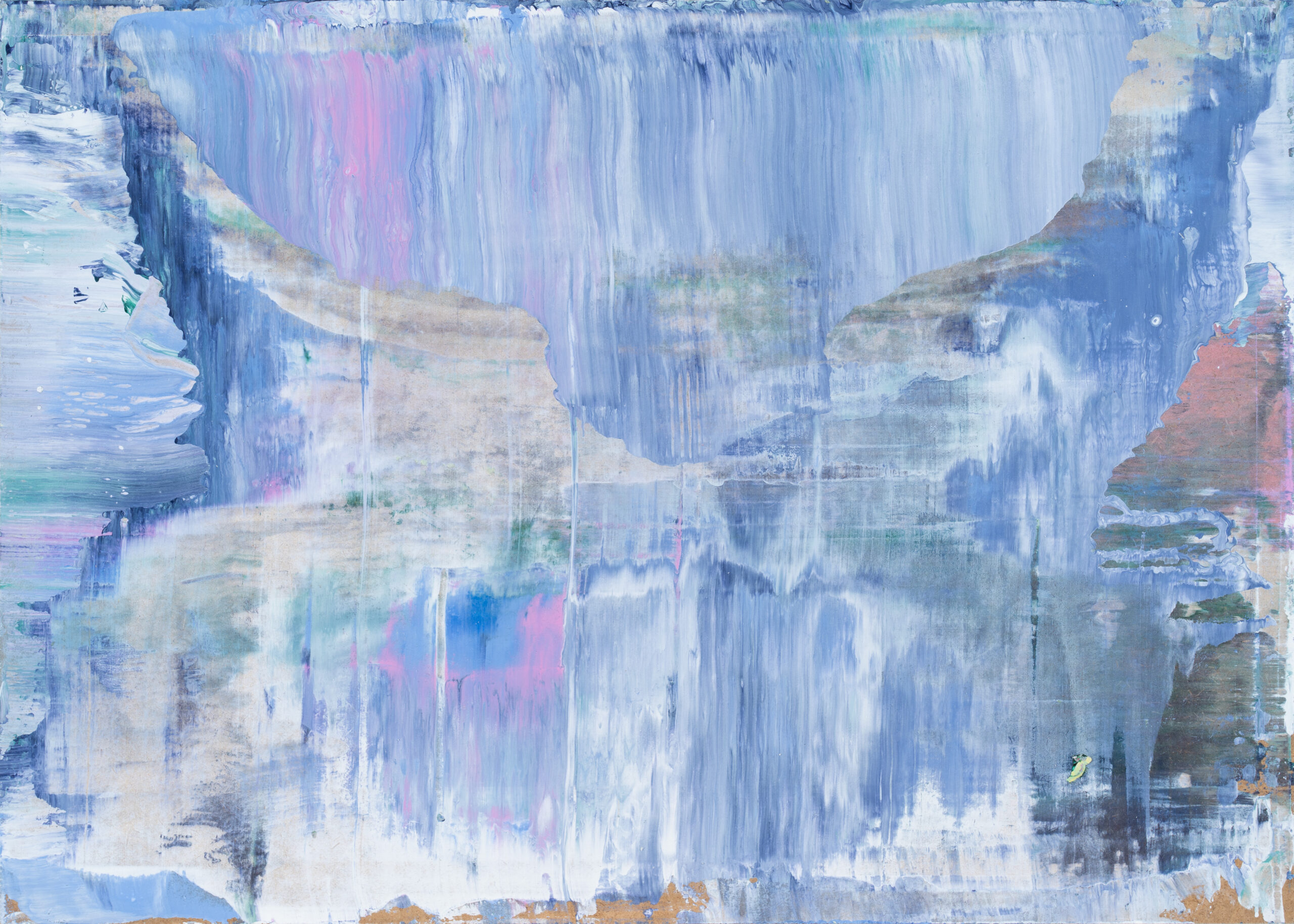
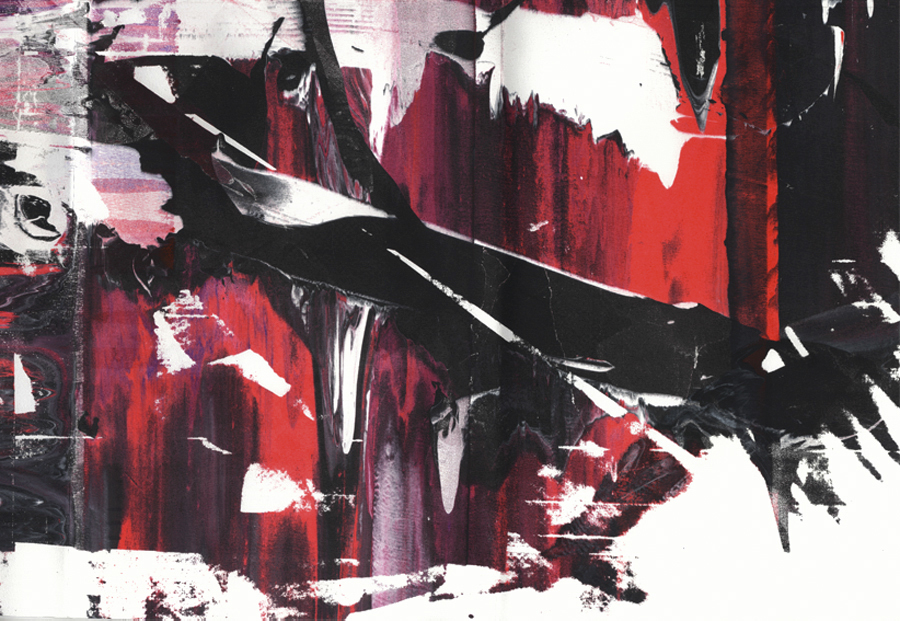
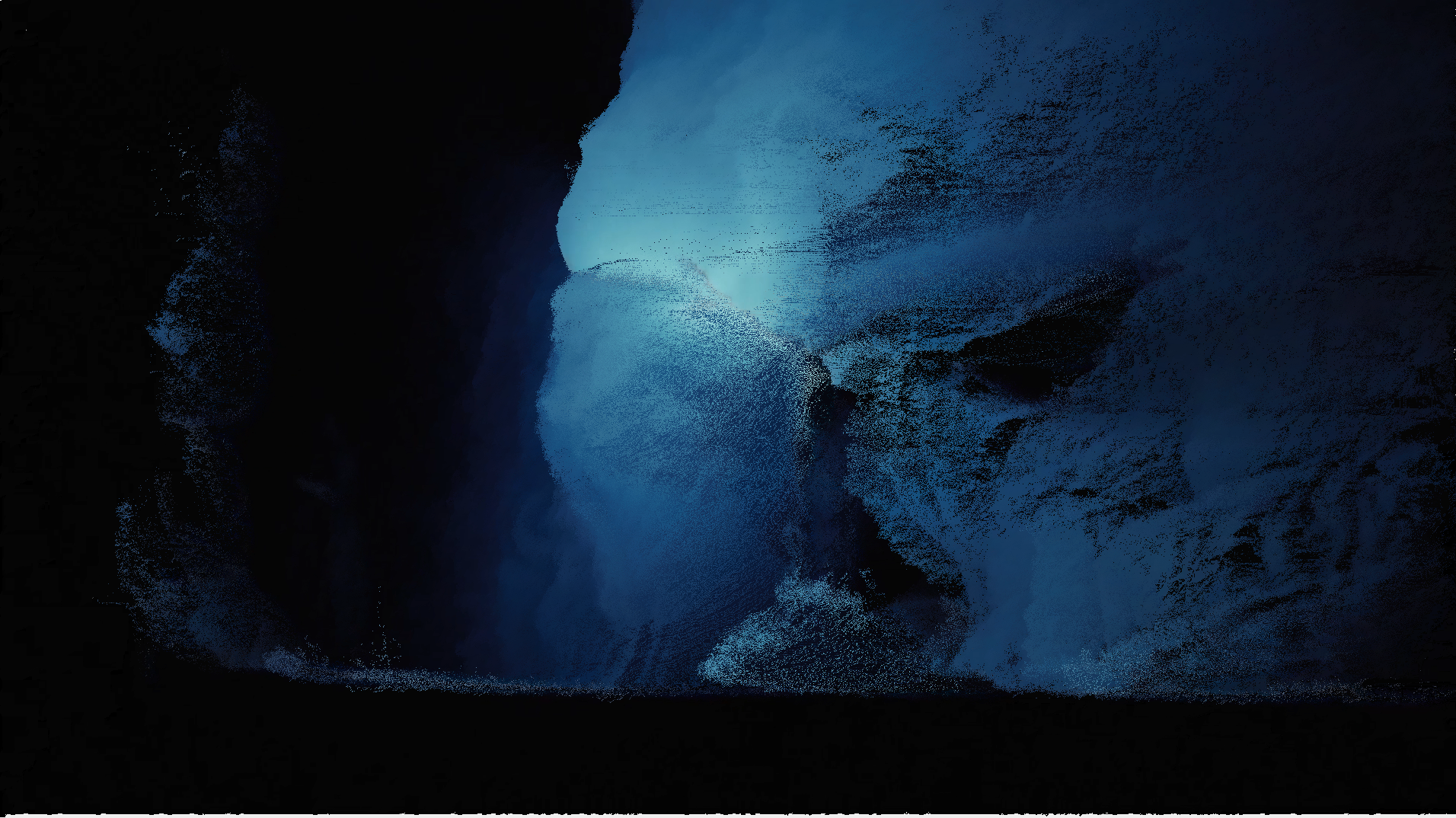
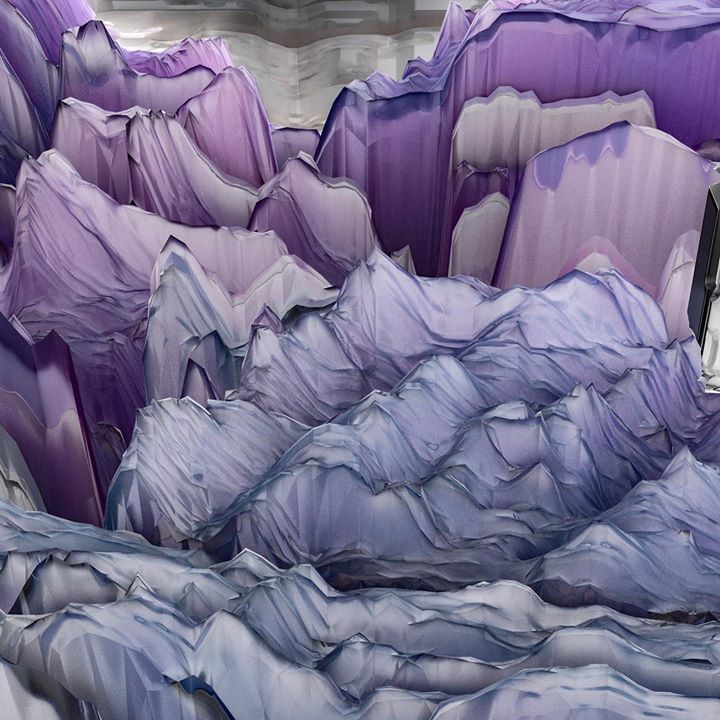
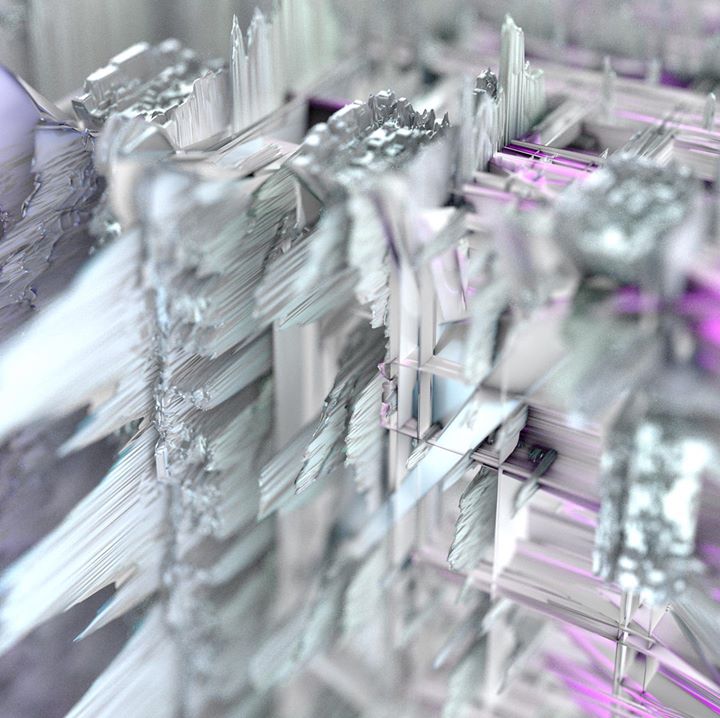
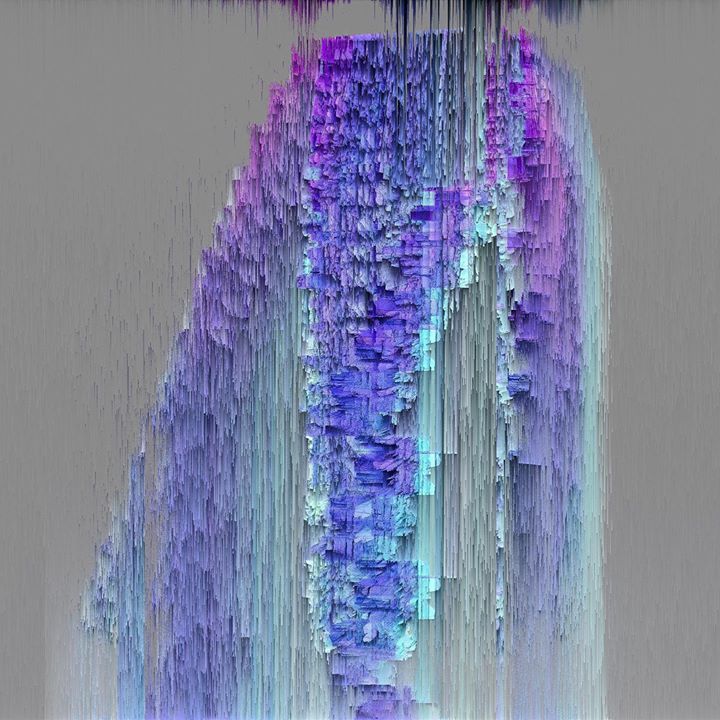
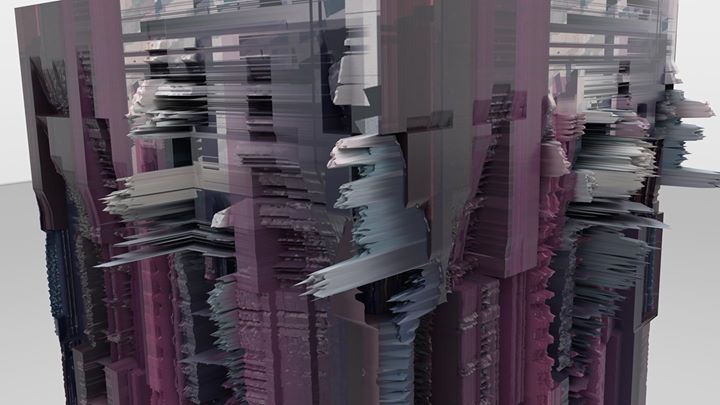
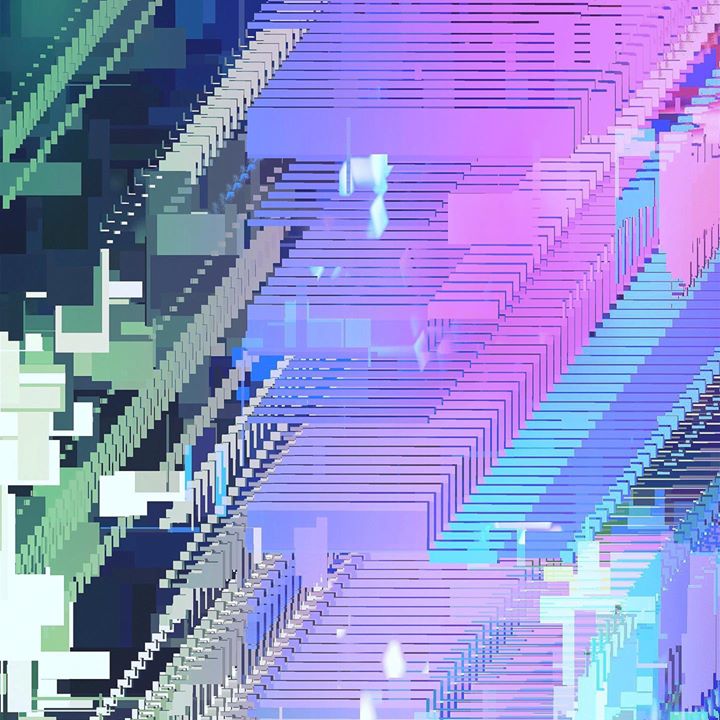
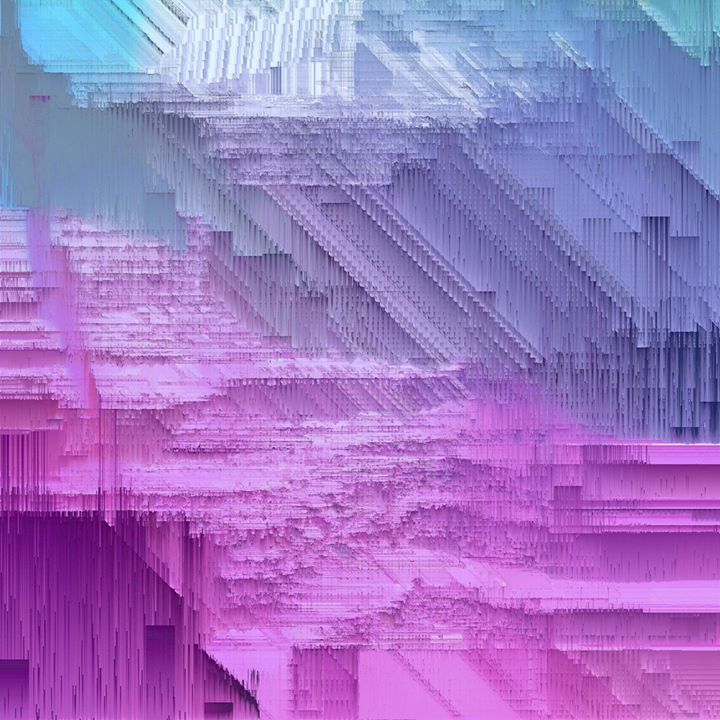
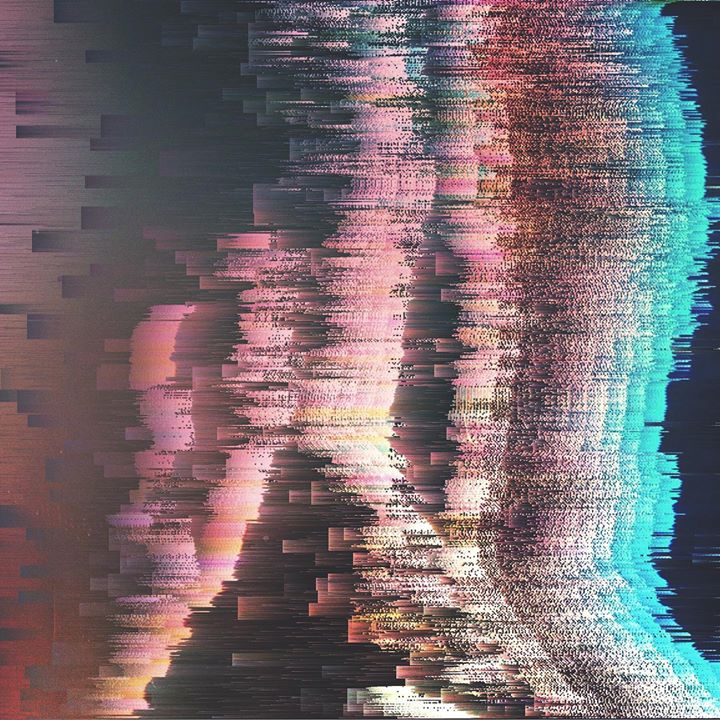
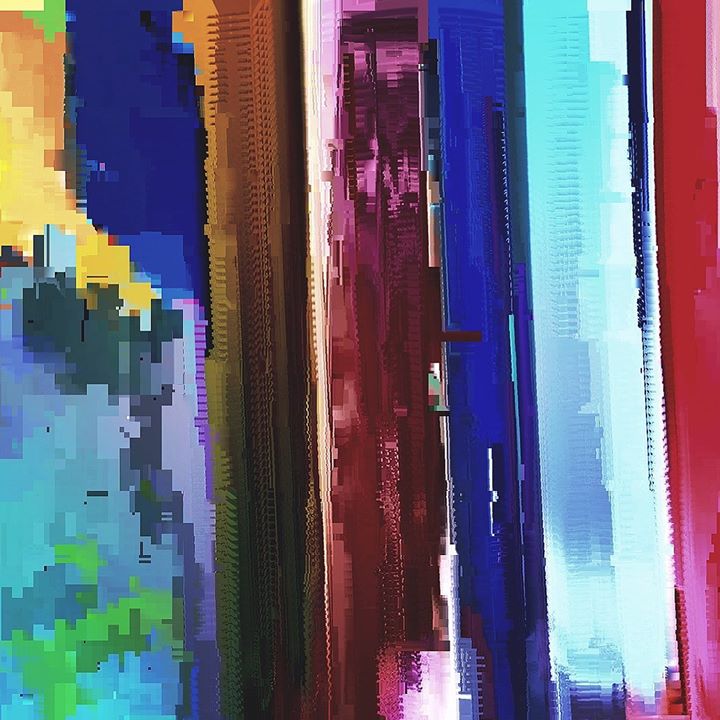
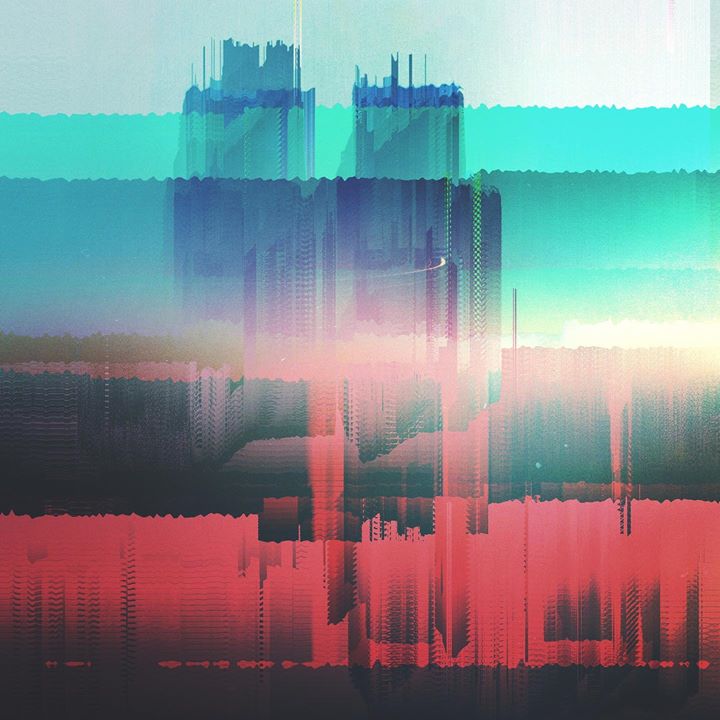
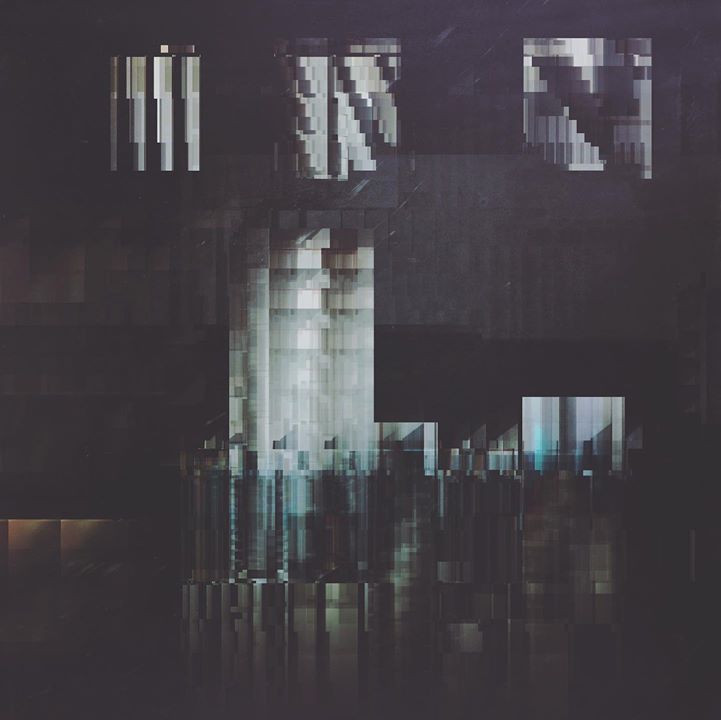
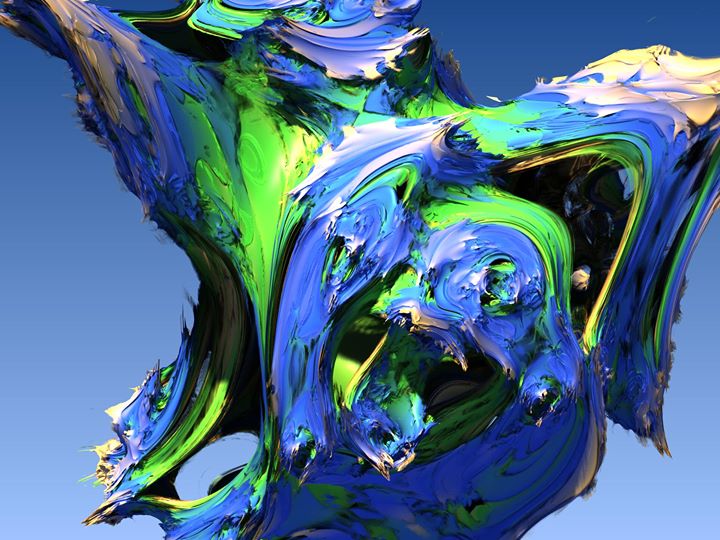
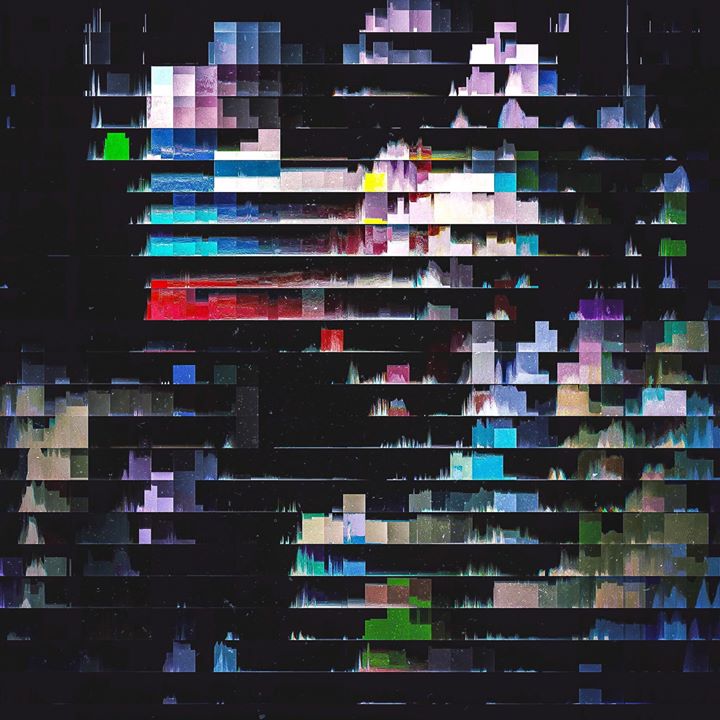
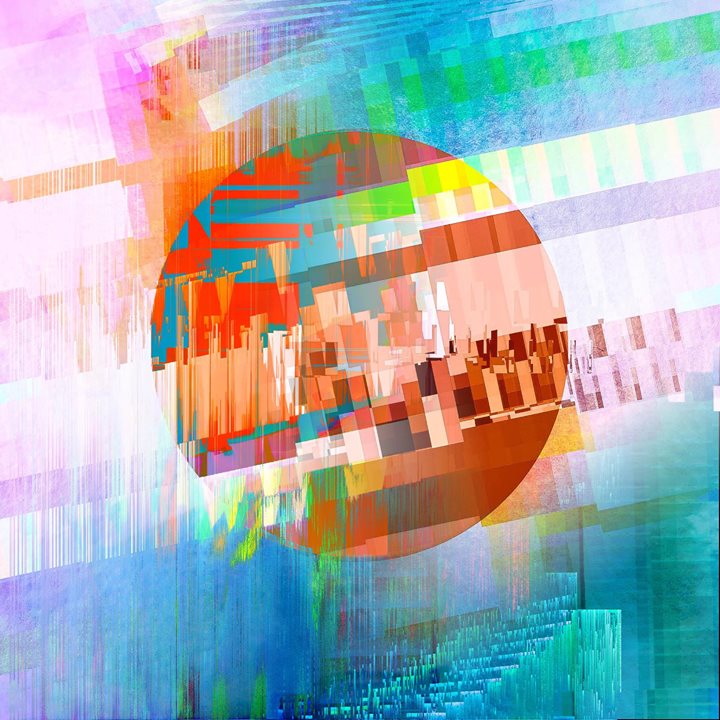
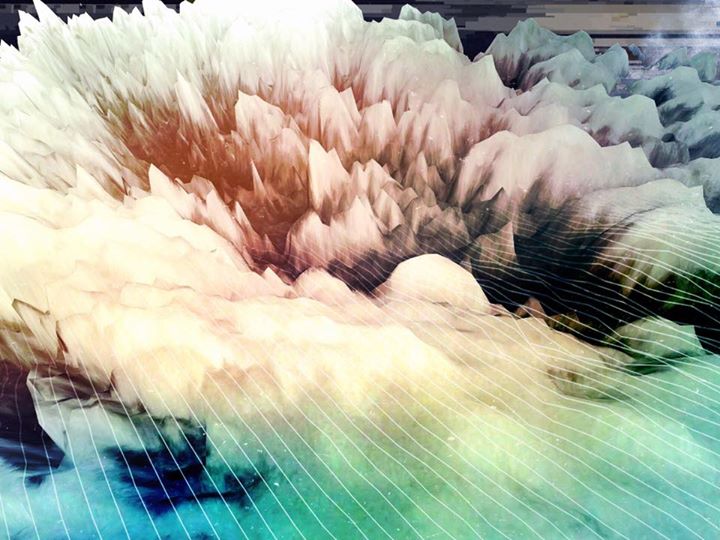
« Les impressionnistes encadraient une ambiance. En contre-pied je propose des ambiances à découvrir et subir: pour cela l’abstraction procure non-seulement de la richesse mais surtout une très grande liberté d’appréciation. Il n’y a pas de blocage de l’interprétation, chacun y voit et y met ce qu’il veut sans complexes. Il suffit de patienter un peu devant l’image pour que ses ambiances en surgissent avec leurs profondeurs et leurs lumières. J’aimerais que mes abstractions rendent le spectateur créatif. »
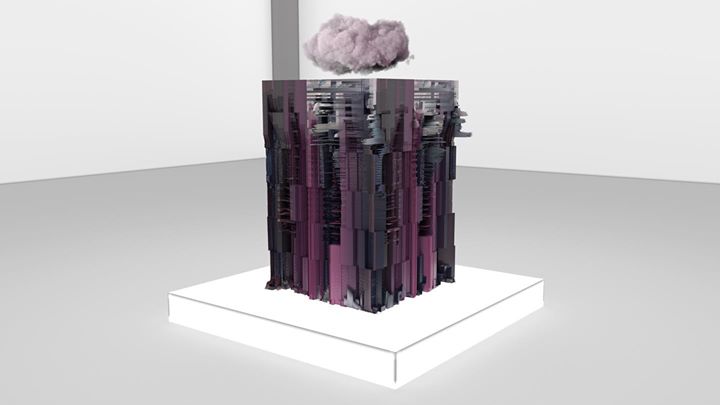
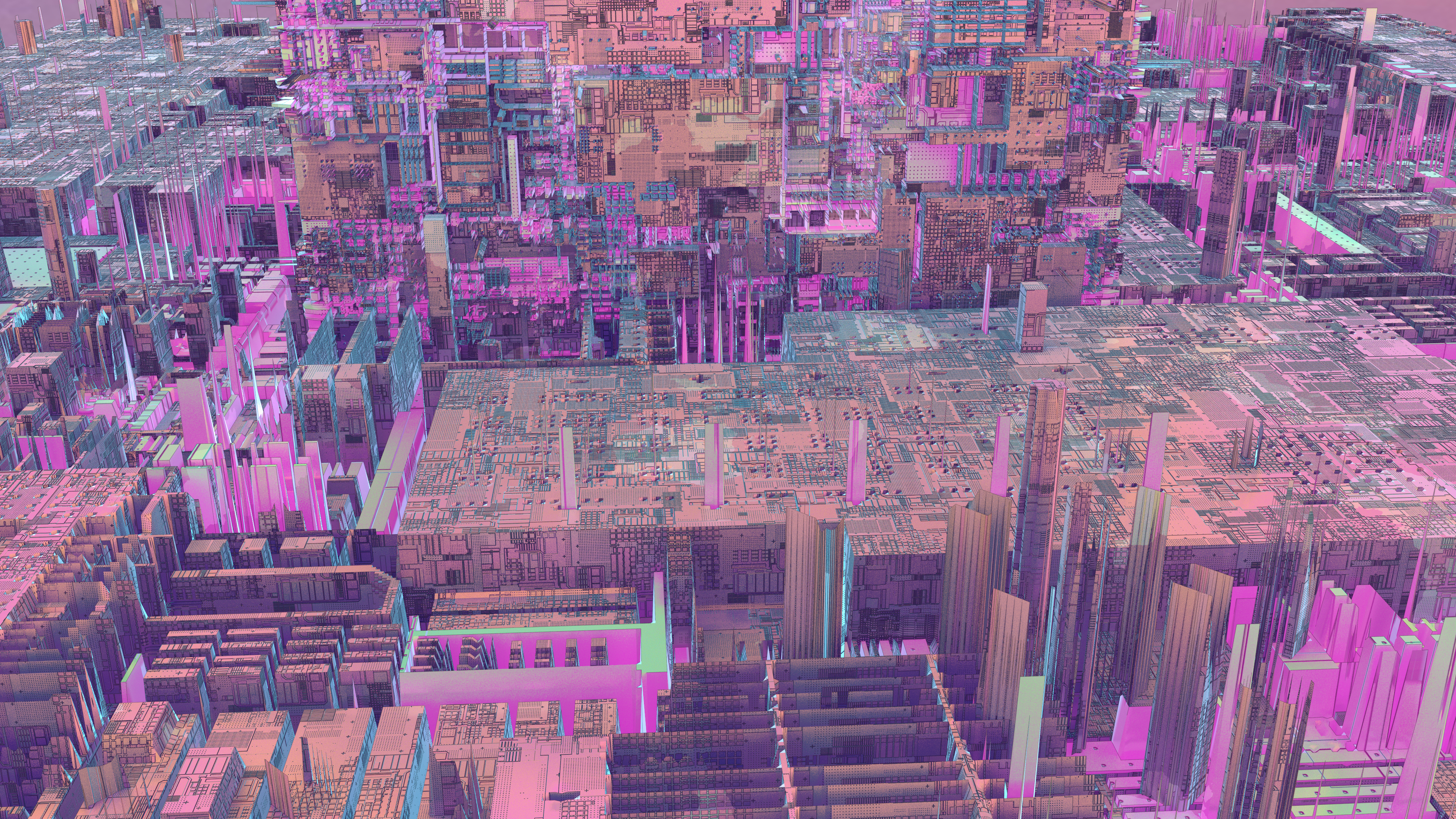
Jean-Baptiste Friquet, est un artiste visuel qui travaille sur différents supports, aussi bien la photomanipulation que la vidéo ou la 3D.
Né en 1983 à Mulhouse, en France, il étudie le cinéma et l’art du montage à l’Institut des Arts de Diffusion à Louvain-La-Neuve en Belgique. Il officie à la télévision belge en tant que monteur puis réalisateur.
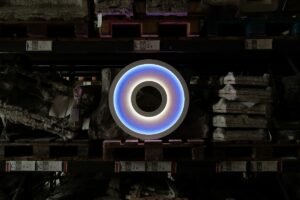
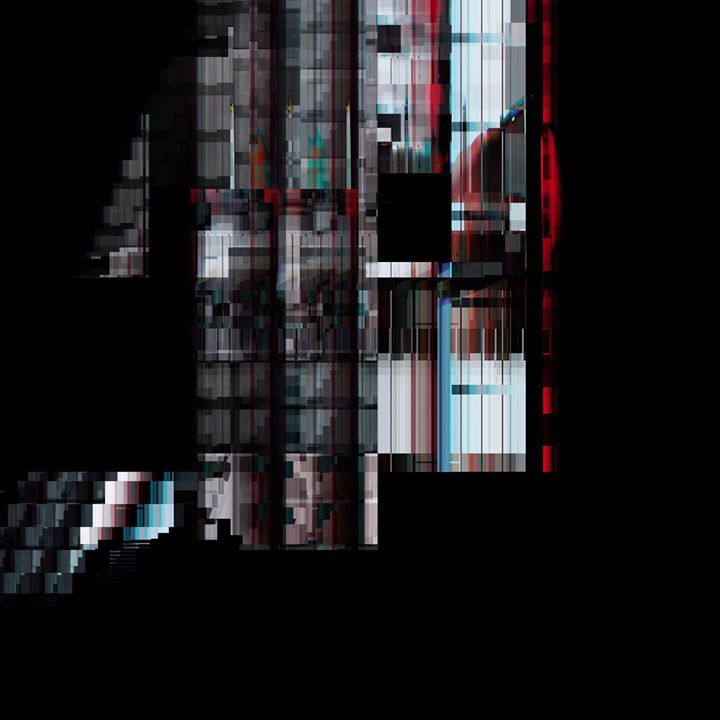
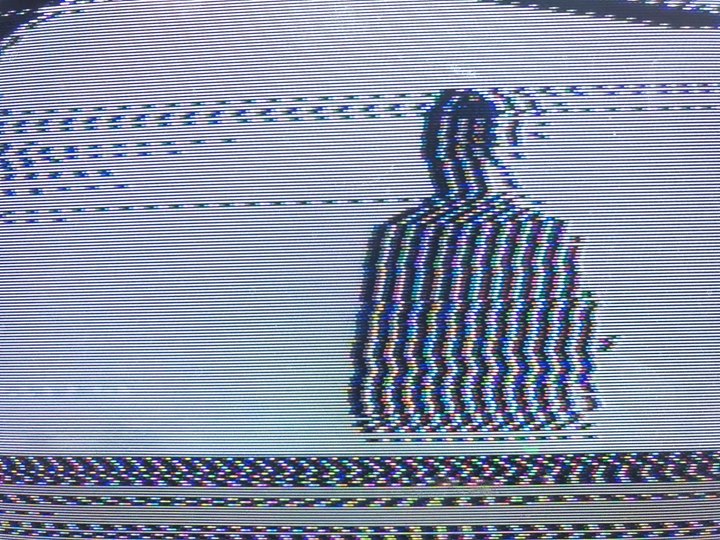
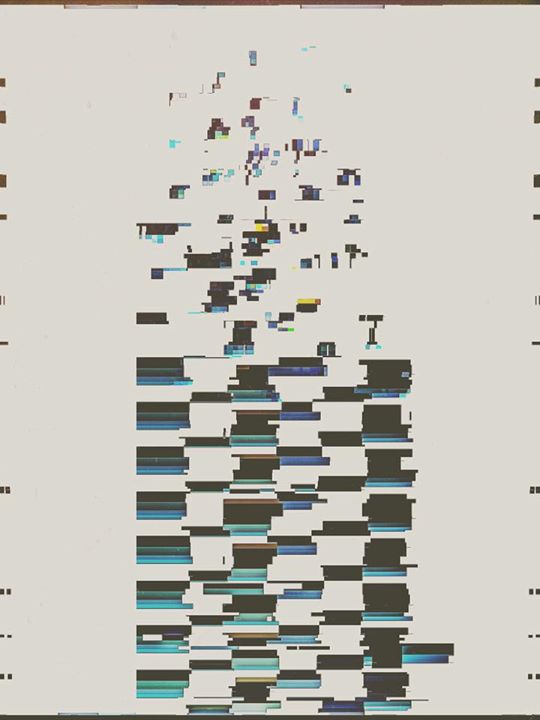
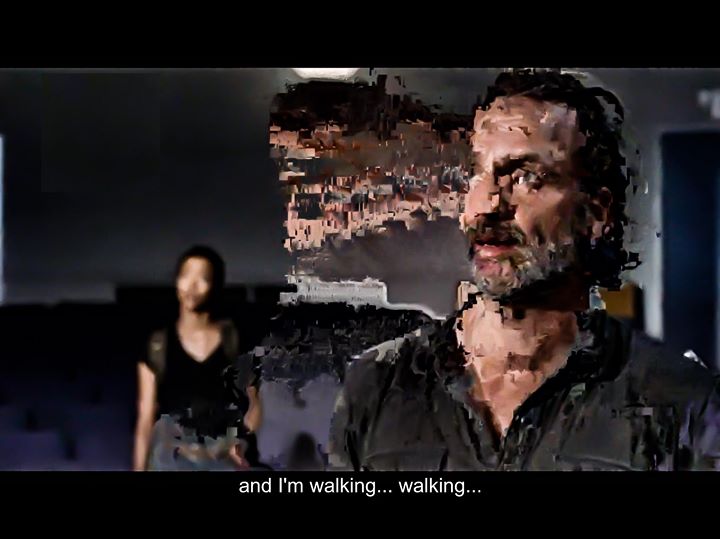
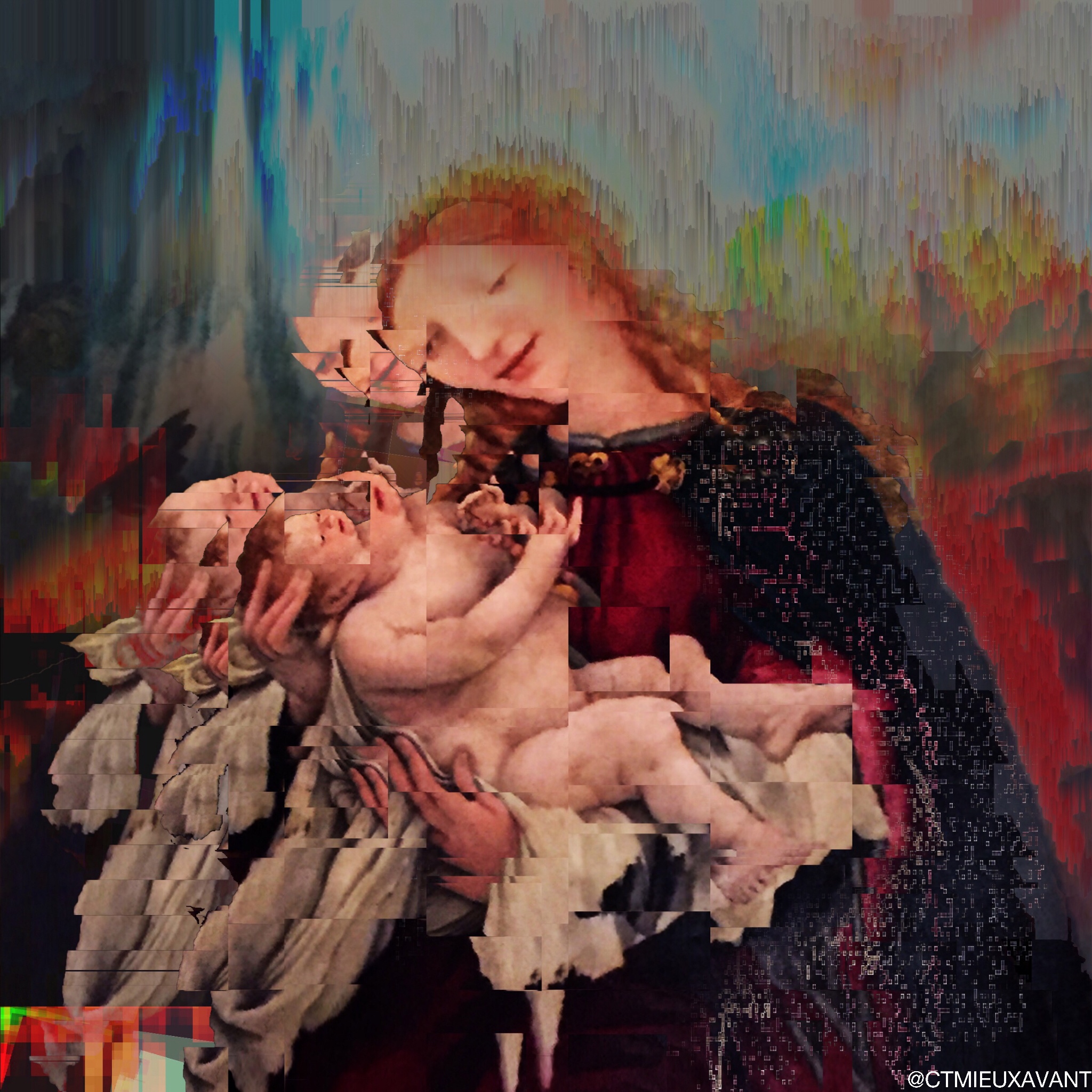
En 2014, il découvre le glitch art, qui le lance dans une nouvelle voie et de nombreuses expérimentations. Il s’interroge à travers son art grâce au fameux paradigme «c’était mieux avant ?». Enfant de l’analogique, son présent est numérique. Il vit et travaille à Bruxelles en Belgique.
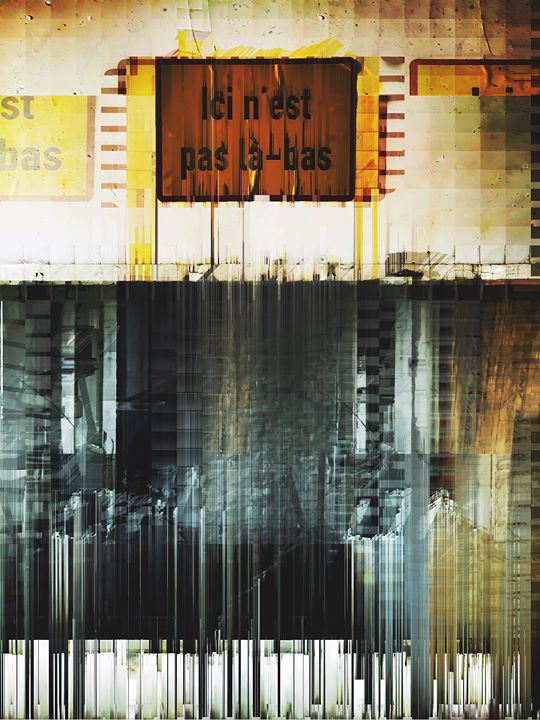
Le glitch art est l’esthétisation d’erreurs analogiques ou numé- riques, comme des artéfacts ou des bugs, par corruption de code ou de données ou manipulations d’appareils électroniques. Travail actuellement visible sur instagram : @jbfriquet